What Would It Be Like to Retire to a Fishing Town in Montana With $3.2 Million Invested?
You’re 61 with a portfolio in the low seven figures, eyeing retirement in a small Western town with a good fishing river. Livingston, Montana sits at the top of that list. The Yellowstone River runs through downtown, Paradise Valley and…

This post may contain links from our sponsors and affiliates, and Flywheel Publishing may receive compensation for actions taken through them.
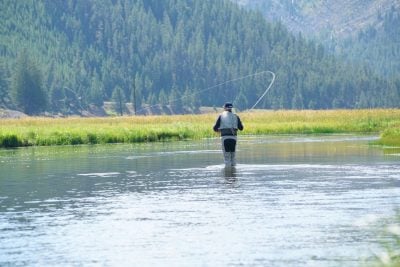
You’re 61 with a portfolio in the low seven figures, eyeing retirement in a small Western town with a good fishing river. Livingston, Montana sits at the top of that list. The Yellowstone River runs through downtown, Paradise Valley and the Spring Creeks are a short drive south, and Yellowstone National Park is about an hour away. With $3.2 million invested, the answer is yes: you can retire there comfortably. But only if you price the trout life honestly and understand the two or three things about Montana that subtly bend the budget.
What it actually costs to live in Livingston
Housing is the biggest line item. The Q1 2026 median sold home price in Livingston came in at $580,000. Properties with river frontage or acreage in Paradise Valley routinely push well beyond $800,000. Assume a retiree purchases a home for $650,000 in cash and sidesteps a mortgage payment entirely. Property taxes are relatively modest by national standards, typically running $4,500 to $5,500 annually on a property of that value. Homeowners insurance has climbed sharply as wildfire risk has spread across the West. First Street data shows that 100% of properties in Livingston carry some risk of wildfire over the next 30 years, and annual premiums have moved closer to $2,800 than the figures many retirees recall from a decade ago.
The rest of the budget is comparatively manageable. Montana imposes no statewide sales tax, and the state’s overall cost of living sits below the national average on most measures. A comfortable annual budget for a retired couple might include roughly $11,000 for groceries and household expenses, $4,200 for utilities and internet, $7,500 for vehicles and fuel, $9,000 for healthcare, $8,000 for home maintenance, $10,000 for travel and dining, and $12,000 for fishing, outdoor recreation, and guide services. Once property taxes, insurance, and taxes on portfolio withdrawals are folded in, total annual spending lands somewhere in the $95,000 to $100,000 range.
What the $3.2 million generates
The 10-year Treasury yield stood at approximately 4.77% on September 1, 2026. Against that backdrop, a balanced 60/40 portfolio at a 4% withdrawal rate produces $128,000 a year before tax. Pull that back to 3.5% to protect a 30-plus-year horizon and you have $112,000. Either figure covers the budget above with room to spare. The average Social Security monthly check for retired workers reached $2,086 in July 2026, according to the Social Security Administration’s monthly statistical data, translating to roughly $25,000 a year. If one spouse claims Social Security at full retirement age and that supplement is in place, the portfolio needs to cover only about $73,000, a draw rate of roughly 2.3%. That scenario is well-positioned to weather a bad sequence of returns in the early years.
For an early retiree bridging to Medicare, the smartest approach is to draw from a taxable brokerage and a short Treasury ladder to manage modified AGI for ACA subsidy purposes. Once Medicare kicks in, the standard Part B premium is $202.90 a month in 2026, with an annual deductible of $283. A Medigap plus Part D combination in Montana runs roughly $250 to $350 a month per person. IRMAA surcharges begin at $218,000 for couples filing jointly, so careful withdrawal planning keeps most retirees well below that threshold.
The fishing budget, priced honestly
The appeal of Livingston is access. The reality is that the best access often carries a price. A full-day guided float on the Yellowstone with a local outfitter runs $715 per guide for one or two anglers, and that figure rises on premium stretches or with higher-demand operations. Comparable rates apply on the Madison and other nearby blue-ribbon rivers. Private spring creeks such as DePuy’s, Armstrong’s, and Nelson’s charge rod fees that vary by season and availability, with prime summer dates often reserved months in advance.
Many retirees eventually buy their own boat. A used drift boat in solid condition typically costs $8,000 to $15,000, with additional expenses for maintenance, registration, equipment, and storage. For someone fishing 80 days a year through a mix of self-guided trips, walk-and-wade outings, and a dozen or more guided floats, an annual fishing budget of roughly $12,000 to $15,000 is realistic. That estimate is already baked into the working budget above.
The thing most people miss
Three factors matter more to this retirement plan than the headline portfolio number.
First, trout fishing conditions are increasingly shaped by water temperature. Montana Fish, Wildlife and Parks issued hoot owl restrictions on the Yellowstone River from the U.S. Highway 89 Bridge east of Livingston to the U.S. Highway 212 bridge in Laurel starting July 27, 2026, prohibiting all fishing from 2 p.m. to midnight each day. By late July 2026, FWP had put 24 rivers under angling restrictions statewide, and Yellowstone National Park closed all rivers and streams in the park to fishing after 2 p.m. As a rule of thumb, FWP implements hoot owl closures after a stream gauge reaches 73 degrees or higher for three consecutive days. Retirees who build fishing into their daily schedule tend to find the most reliable windows during spring runoff and the cooler stretches of early summer and fall.
Second, property values across Montana have climbed sharply over the past decade, with communities near Livingston and Paradise Valley benefiting from continued in-migration and spillover from the Bozeman market. Since 2016, the median sales price in Livingston rose from $237,200 to $538,000 in Q1 2024, a gain of roughly 56% in eight years. Recent reappraisals pushed taxable values higher for many homeowners, though Montana’s homestead provisions soften the blow on primary residences. Retirees planning to establish permanent residency should confirm they qualify for all available primary-residence relief programs.
Third, Montana is among the eight states that tax at least some Social Security benefits in 2026. The state uses the federal formula to determine the taxable portion, and taxpayers aged 65 and older receive only a $5,500 subtraction from federal taxable income. Montana’s top income tax rate is 5.65% for 2026, with the rate scheduled to fall to 5.4% in 2027 following the state’s 2024 tax overhaul. The absence of a statewide sales tax helps offset some of that retirement income tax exposure, but for retirees drawing on a combination of Social Security and portfolio withdrawals, state income taxes are manageable and should be built into the annual plan from the start.
The number that makes it work
For a couple retiring to Livingston with a paid-off home purchased for roughly $650,000, a $3.2 million portfolio provides substantial breathing room. At a 3.5% withdrawal rate, the portfolio generates about $112,000 annually before Social Security. Combined with retirement benefits averaging around $25,000 per year per recipient, total income comfortably exceeds a realistic Livingston annual budget of $95,000 to $100,000, creating a meaningful cushion for unexpected costs and lifestyle flexibility.
That margin earns its keep. It absorbs major home repairs, vehicle replacements, rising property taxes, guided fishing trips, and the occasional season when low water or warm temperatures push anglers off their home river. Retirees leaving the workforce before Medicare eligibility should plan carefully for healthcare coverage during the gap years, and Montana homeowners should take full advantage of available homestead and property tax relief programs. The financial picture is genuinely favorable. The bigger variable, as most Livingston retirees will confirm, is the river itself, which tends to set the schedule more reliably than any spreadsheet does.
Editor’s note: This article was updated to reflect the 10-year Treasury yield of approximately 4.77% as of September 1, 2026 (up from the 4.55% cited at mid-July), the current average Social Security retirement benefit of $2,086 per month per the SSA’s July 2026 monthly data, and new 2026 hoot owl restriction detail showing that the Yellowstone River from east of Livingston to Laurel was placed under afternoon fishing closures in late July 2026, with more than two dozen Montana rivers statewide under similar restrictions by month’s end.
Contact [email protected] for any questions or corrections.
Drew Wood has edited or ghostwritten nine books and published more than 1,500 articles on investing, business, politics, travel, world cultures, wildlife, and earth science. He holds a doctorate and four master's degrees and has nearly 30 years of college teaching experience. His travels have taken him to 25 countries, including three years living in Ukraine.