At 62, Here’s How to Retire to the Beaches of Palm Coast, Florida, on $3,000 a Month
Palm Coast occupies an interesting middle ground in Florida retirement. It offers beaches, a quieter pace than many coastal destinations, and home prices that remain below places like Naples or Sarasota. The question is whether a 62-year-old retiree can realistically…

This post may contain links from our sponsors and affiliates, and Flywheel Publishing may receive compensation for actions taken through them.
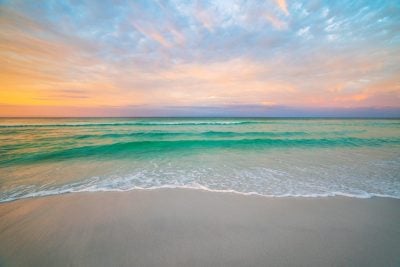
Palm Coast occupies an interesting middle ground in Florida retirement. It offers beaches, a quieter pace than many coastal destinations, and home prices that remain below places like Naples or Sarasota. The question is whether a 62-year-old retiree can realistically make Palm Coast work on $3,000 a month. Here’s what the numbers actually look like.
What $36,000 a year actually has to cover in Palm Coast
Florida looks cheap because there is no state income tax and the cost of living index sits at 103.414, only about 3.4% above the national average, and the state ranks 4th on overall tax competitiveness.
The harder news: Palm Coast is coastal Florida, and carrying costs have shifted. A modest single-family home in the C-Section or P-Section neighborhoods runs in the mid-$300s to low $400s. Even fully paid off, expect roughly $4,500 to $6,000 a year in property taxes after the homestead exemption. Then insurance: wind, flood, and standard homeowner coverage together routinely run $5,000 to $9,000 a year on a Flagler County home east of I-95, with Citizens Property Insurance as the backstop.
If you own outright, housing consumes about $1,000 a month before roof or HVAC replacement. If you rent a decent two-bedroom near the beach, expect $1,900 to $2,200. Either way, housing eats more than a third of the budget.
Groceries for one person on the USDA Low-Cost plan run about $350 a month. Electric in a Florida summer can reach $180 to $250, while water, internet, and phone service add another $200 or so. Even a paid-off vehicle still requires fuel, insurance, maintenance, and eventual replacement. The result is that a surprisingly large share of a $3,000 monthly budget disappears into basic living expenses before entertainment, travel, or emergencies enter the picture.
The math from 62 to forever
At 62 you have two clocks running. Medicare does not start for three years, and Social Security at 62 is permanently reduced by roughly 30% versus your full retirement age benefit. If your full retirement age benefit would have been $2,000, claiming now gives you about $1,400 a month, or $16,800 a year. The 2.8% 2026 COLA helps preserve purchasing power but does not change the haircut.
Subtract that from a $36,000 budget and you need about $19,200 a year from the portfolio. With a 30-plus year horizon from 62, a 3.5% withdrawal rate puts the portfolio target near $550,000. At a more aggressive 4%, you need about $480,000. Either figure exceeds the $246,500 average 401(k) balance Fidelity reports for the 60-64 cohort, so this scenario requires above-average savings discipline.
The pre-65 bridge matters. Retirees who keep taxable income relatively low may qualify for substantial ACA premium subsidies before Medicare begins. Once Medicare starts at 65, plan on the standard Part B premium plus supplemental coverage and prescription drug costs. Healthcare remains manageable, but it requires planning during the years between retirement and Medicare eligibility.
The Florida insurance reality nobody prices in
The single largest threat to a $3,000 budget in Palm Coast is homeowners insurance, well ahead of market returns or longevity risk. Premiums in Flagler County have roughly doubled over the past five years, and the trend has not flattened. CPI is running well above the Fed’s 2% target, but Florida coastal insurance has compounded at a multiple of CPI, and your Social Security COLA does not. A $6,000 annual premium today could realistically be $9,000 in a decade, with no cheaper substitute.
The version of this plan that actually works tends to follow one of three structures: buy a smaller condo west of A1A where wind exposure and square footage both drop, and accept an HOA that bundles the master insurance policy; rent and let the landlord absorb premium volatility; or buy inland in western Palm Coast, drive ten minutes to the beach, and save thousands a year on coverage.
The bottom line
$3,000 a month in Palm Coast at 62 is doable, but only if housing and insurance costs stay under control. A paid-off or low-cost home, a portfolio in roughly the $480,000 to $550,000 range, and careful planning during the pre-Medicare years can make the math work. The biggest risk is not market performance or even inflation. It is the long-term trajectory of Florida property insurance. Retirees who keep that line item under control give themselves a much better chance of making the budget last.
Contact [email protected] for any questions or corrections.
Drew Wood has edited or ghostwritten nine books and published more than 1,500 articles on investing, business, politics, travel, world cultures, wildlife, and earth science. He holds a doctorate and four master's degrees and has nearly 30 years of college teaching experience. His travels have taken him to 25 countries, including three years living in Ukraine.