The Kids Who Talked Their Parents Out of The Villages Say One Thing Settled It
The golf carts and warm weather sound convincing until adult children start doing the math on who pays for care after a fall. One number buried in the retirement budget tends to settle the argument fast.

This post may contain links from our sponsors and affiliates, and Flywheel Publishing may receive compensation for actions taken through them.

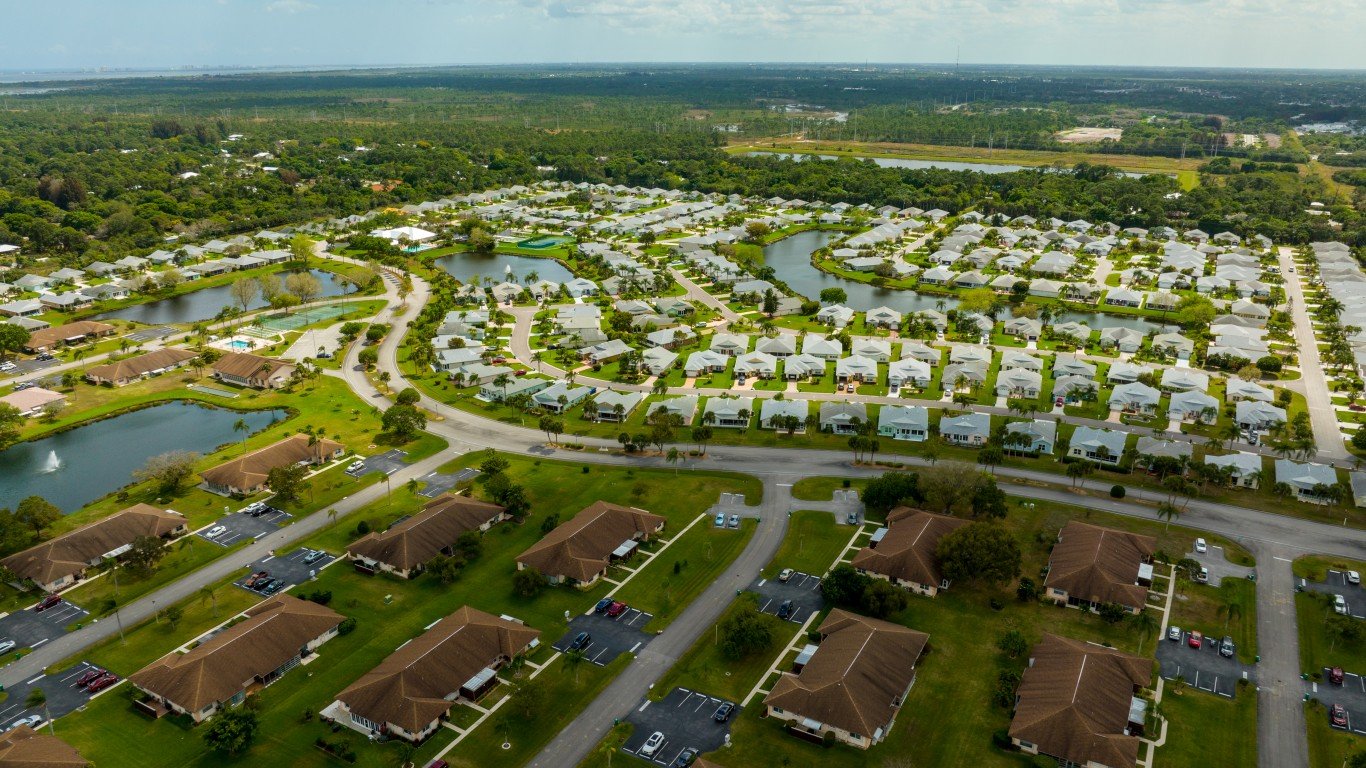
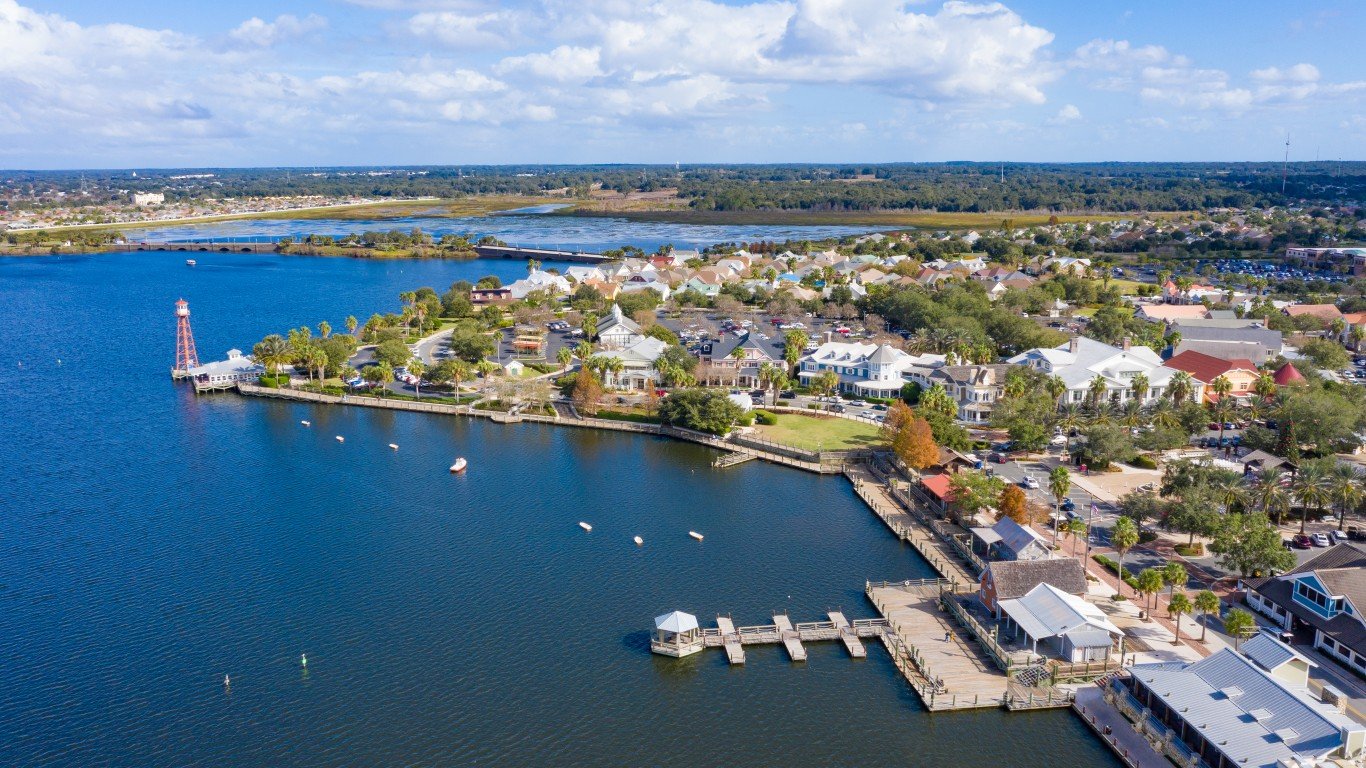
Few retirement plans cause more family arguments than a move to The Villages. Parents picture golf carts, more than 3,000 clubs, and no state income tax, while their adult children picture a flight between them and the next cardiology appointment. With these two competing sides, let’s take a closer look at what a 65-year-old couple might end up paying in The Villages. Then it raises the question that tends to end the argument: who provides care once the active years are over, and what it costs when that person is hired help.
What a Villages Budget Costs a Couple at 65
Florida’s living expenses run 103.414, slightly above the national average of 100. The Villages has its own costs on top of that, as new buyers pay an amenity fee of about $204 a month. Homes in newer neighborhoods can carry CDD bond assessments of up to $3,000 yearly. In older sections, property taxes run $2,000 to $3,500. The cheapest Villages ZIP code has a median asking price of $299,450. The budget below assumes a paid-off home.
| Line Item | Annual Cost |
|---|---|
| Amenity fee | $2,450 |
| Property tax | $3,500 |
| Homeowners insurance | $2,800 |
| CDD bond assessment | $2,400 |
| Home maintenance reserve | $4,000 |
| Medicare Part B, two people | $4,870 |
| Medigap and Part D, two people | $7,200 |
| Out-of-pocket medical | $3,000 |
| Food | $12,000 |
| Utilities and internet | $5,000 |
| Car, golf cart, gas | $8,000 |
| Dining, clubs, trips to see family | $12,000 |
| Gifts, personal spending, vehicle reserve | $6,000 |
| Federal taxes owed on withdrawals | $4,000 |
| Total | about $77,200 |
That total comes close to the average U.S. household spending of $78,535. The Part B line uses the 2026 premium of $202.90 a month per person.
How the Gap Becomes a Portfolio Target
The average retired worker collects $2,071 a month. If both spouses get that, the household receives $49,704 a year, which leaves a gap of roughly $27,500. At a 4% withdrawal rate over 30 years, covering that gap takes about $688,000 invested.
Claiming later changes the number. Waiting until 70 raises a benefit to 124% of the full-retirement-age amount. If the higher earner delays, the portfolio target falls by about $149,000. The tax advantage is also lower than the brochures suggest.
Florida ranks 1st on individual income tax, but so do Tennessee and Texas. Tennessee’s living-expense index is 91.87. For many families, the state where the kids live comes out cheaper than Florida.
Care Math That Ends the Debate
Adult children tend to ask the question that turns out to be critical: who shows up after a fall? At 2025 national medians, home care costs about $80,080 per year. Assisted living runs $5,900 per month. Once a hospital stay ends, Medicare charges $217 a day for skilled nursing days 21 through 100.
Three years of paid home care comes to about $240,000. When a parent lives 15 minutes from a son or daughter, family can cover part of that time: rides, meals, medication checks. At 1,000 miles, all of it is paid care. The other option is a second move in the parents’ 80s, out of a home whose buyers have to take on amenity fees and bond payments. The WSJ, featuring retirees who moved, noted that total spending often “remains almost the same, or even rises” after the move.
What It Takes to Make The Villages Work
The full plan needs four things:
- A paid-off home
- About $688,000 set up for a 4% withdrawal from a balanced mix of index funds and a treasury ladder
- A separate care reserve of about $240,000, or long-term care insurance covering the same exposure
- A plan for Social Security timing
All in, that comes to about $928,000. That figure also assumes returns keep pace with Social Security raises, which are tracking toward 3.3% for 2027. The same retirement near the kids needs roughly the same core portfolio and a smaller care reserve, because family time replaces some paid hours. Families end up weighing whether the golf carts are worth paying for three years of care in advance.
Contact [email protected] for any questions or corrections.
David Beren has been a Flywheel Publishing contributor since 2022. Writing for 24/7 Wall St. since 2023, David loves to write about topics of all shapes and sizes. As a technology expert, David focuses heavily on consumer electronics brands, automobiles, and general technology. He has previously written for LifeWire, formerly About.com. As a part-time freelance writer, David’s “day job” has been working on and leading social media for multiple Fortune 100 brands. David loves the flexibility of this field and its ability to reach customers exactly where they like to spend their time. Additionally, David previously published his own blog, TmoNews.com, which reached 3 million readers in its first year. In addition to freelance and social media work, David loves to spend time with his family and children and relive the glory days of video game consoles by playing any retro game console he can get his hands on.