The Real Cost of Retiring in Florida on Social Security and a Small Pension
Florida's missing income tax sounds like a retirement gift until you look at what replaces it. Before you sign a lease or close on a condo, there are a few numbers that will determine whether this plan holds together or…

This post may contain links from our sponsors and affiliates, and Flywheel Publishing may receive compensation for actions taken through them.
Somebody asks at every family dinner and online forum: Can I retire in Florida on Social Security and a modest pension? It is one of the most common retirement scenarios in the country, and it deserves a straight answer instead of a brochure. Here is what the money actually has to cover, and where the plan tends to break.
Good News First
Florida does not tax personal income. The state ranks first in the country on the individual income tax component of the Tax Foundation’s 2025 State Tax Competitiveness Index, because there is nothing to rank. For a retiree counting every dollar, that means the pension deposit and the benefit deposit arrive at the state level intact. No form, no withholding, no April surprise.
Why That Tax Win Is Smaller Than It Sounds
The retirement marketing that built modern Florida targeted high earners with pensions and portfolios. For that person, the absence of a state income tax is genuinely large. For a household living on Social Security and a small pension, it matters much less, because most states already exempt Social Security and either exempt or partially exempt pension income.
Meanwhile, the costs Florida uses in place of income tax (sales tax, property tax, and insurance-driven housing costs) are not scaled to your income at all. Florida’s weighted state and local tax burden comes to $5,110 per capita in the Tax Foundation’s 2024 adjusted data, low overall, but the composition of that burden is what matters for this profile.
Where the Money Actually Goes
Housing splits cleanly between owning and renting. If you own, property tax and homeowners insurance become the recurring bill, and neither one cares what your income is. If you rent, understand that rent in the desirable retiree pockets is set by demand from people arriving with equity from more expensive states. Florida’s statewide cost-of-living index is 103.414, above the national benchmark of 100, and the retiree corridors run hotter than the state average.
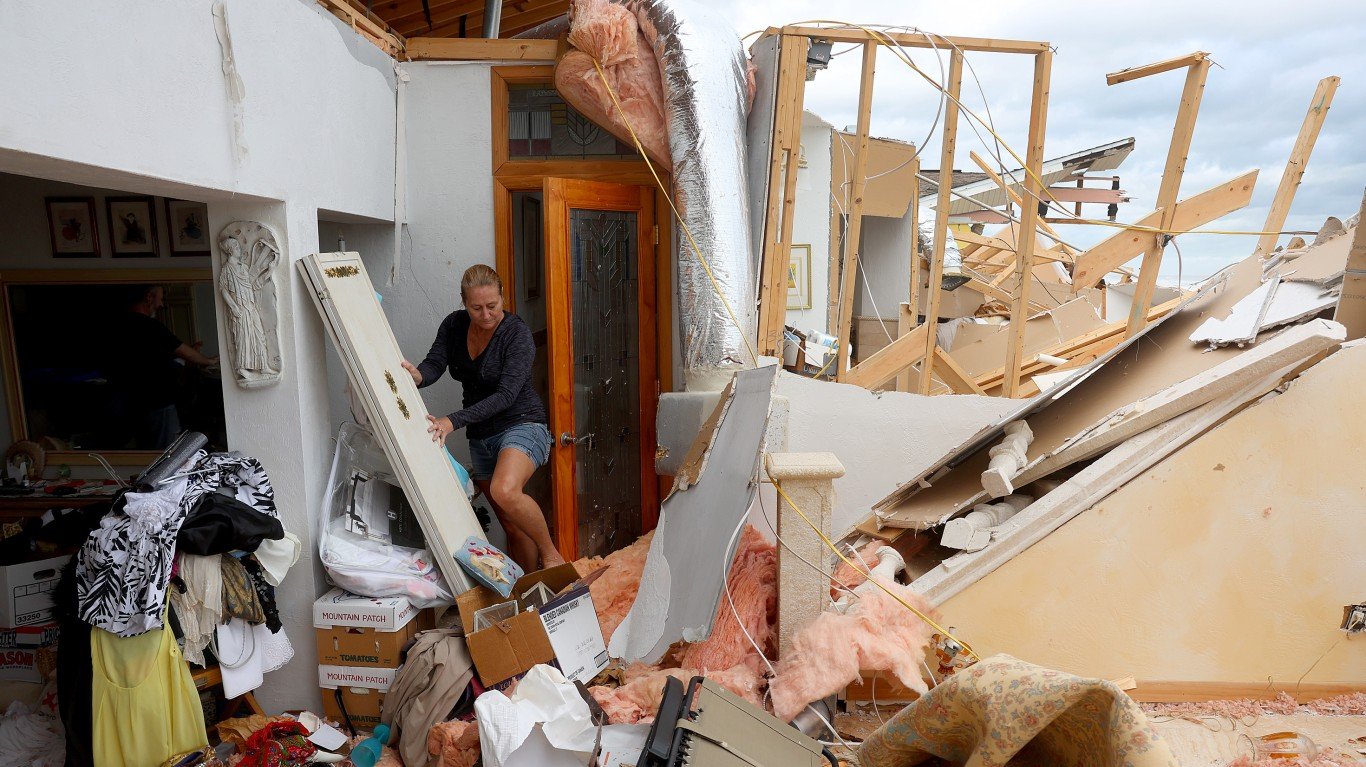
Insurance is the line that can end the plan. Property insurance in a high-hazard coastal state has become the dominant variable cost of ownership. It resets every renewal and can rise faster than the 3.1% cost-of-living adjustment currently tracking for Social Security in 2027. An insurance bill can force a retiree out of a paid-off house. Condos aren’t the escape hatch they seem. A special assessment is a lump sum charged to every owner when the building needs structural work, and the older, cheaper buildings that draw budget-minded retirees are the ones most likely to send one.
Healthcare is both a cost and an access question. The standard Medicare Part B premium is $202.90 a month in 2026, with an annual deductible of $283, and any Medigap or Advantage plan sits on top of that. Premium surcharges tied to income from two years ago can push that number higher without warning, one of several traps we mapped in a free Medicare guide. Access is uneven. Metro corridors have specialists; large stretches of the state do not, and a retiree without a car or with limited mobility faces a very different Florida than the ads suggest.
Utilities and climate mean year-round cooling as a real line item for someone home all day. Sales tax is the quiet one. A consumption tax lands hardest on households that spend nearly all of what comes in. Florida’s sales tax component ranks 14th in the 2025 index, middle of the pack, not a bargain. Transportation completes the picture: most of the state is car dependent, and the car is a permanent line item, meaning insurance, gas, maintenance, and eventual replacement.
Inland Housing or Coastal Healthcare, Pick One
The affordable parts of Florida are generally inland, away from the coast, which means less insurance exposure and less proximity to concentrated medical infrastructure. You can afford the housing, or you can afford proximity to specialists, but not always both. If you are already managing a serious condition, prioritize the medical proximity and accept a smaller footprint. If you are in good health with a support network you can call on, the inland trade buys the breathing room that insurance alone can eat.
Verdict Before You Sign Anything
This income supports a life in Florida, on conditions. You need a cash reserve big enough to absorb an insurance renewal shock or a condo assessment without touching the monthly budget. Moving away from established doctors and family to chase a tax advantage that is small at your income is a trade some readers should decline. For those readers, staying put is the right answer.
The one thing to verify before you commit is a real homeowners insurance quote for the specific address, not a state average or a neighbor’s number from three years ago. If that quote fits inside your budget with room to breathe, the plan works. If it does not, no amount of no-income-tax makes up the difference.
Contact [email protected] for any questions or corrections.
David Beren has been a Flywheel Publishing contributor since 2022. Writing for 24/7 Wall St. since 2023, David loves to write about topics of all shapes and sizes. As a technology expert, David focuses heavily on consumer electronics brands, automobiles, and general technology. He has previously written for LifeWire, formerly About.com. As a part-time freelance writer, David’s “day job” has been working on and leading social media for multiple Fortune 100 brands. David loves the flexibility of this field and its ability to reach customers exactly where they like to spend their time. Additionally, David previously published his own blog, TmoNews.com, which reached 3 million readers in its first year. In addition to freelance and social media work, David loves to spend time with his family and children and relive the glory days of video game consoles by playing any retro game console he can get his hands on.