The Real Cost of Retiring in Margaritaville, Florida, on a Single Pension
A $30,000 pension and Social Security can cover the first year in Latitude Margaritaville just fine, but a pension that never grows faces a cost of living that never stops, and the math eventually turns ugly.

This post may contain links from our sponsors and affiliates, and Flywheel Publishing may receive compensation for actions taken through them.
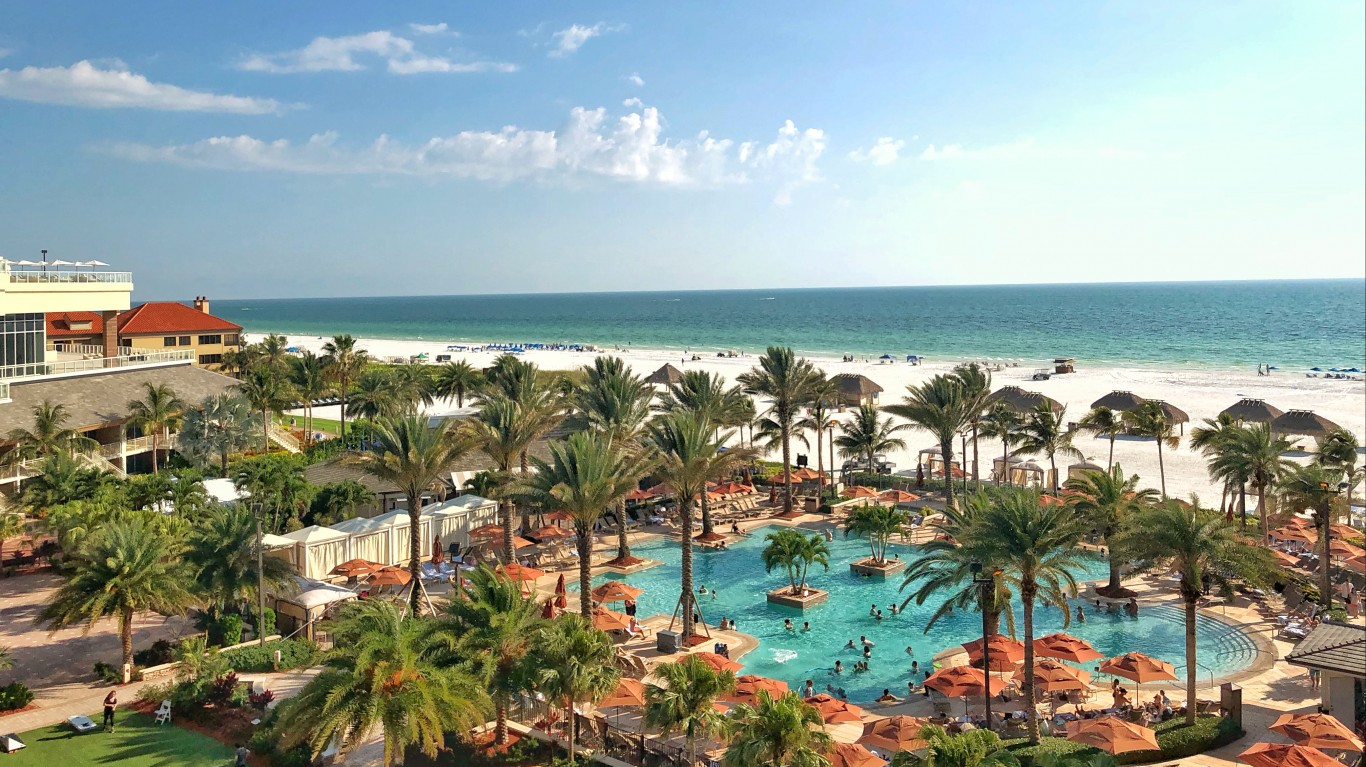
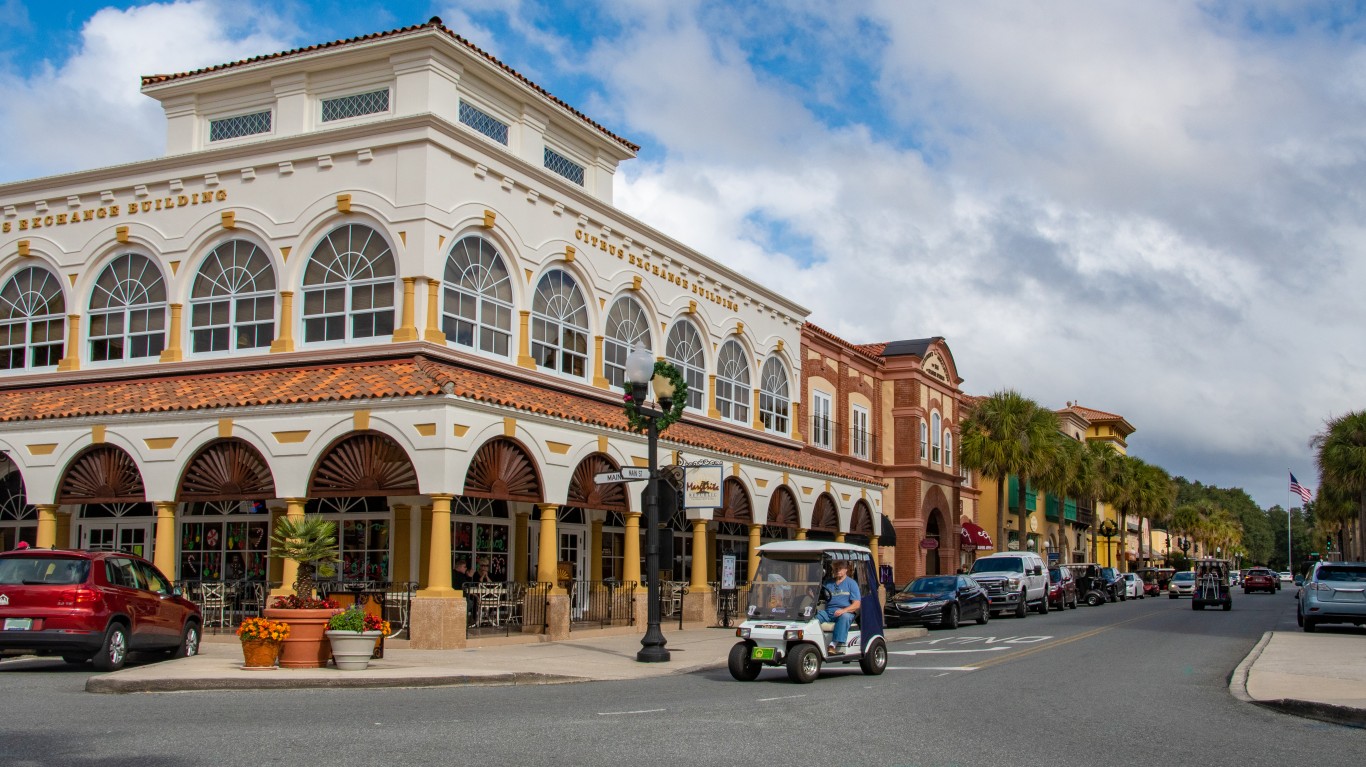
Latitude Margaritaville is the 55-and-older community west of Daytona Beach built around golf carts, a town-center band shell and Jimmy Buffett songs. It gets the same question over and over: can one pension plus Social Security pay for life there? The first year usually works out on paper. The answer depends on how the budget holds up fifteen years later, after inflation has worn down a pension check that never grows.
What a Cottage in Latitude Margaritaville Costs to Carry
A recent listing put a cottage in the community at $409,900 with HOA dues of $375/mo. Another nearby home is listed at $442,500. This budget assumes the buyer pays cash from the sale of a previous home. A Vanguard study found that retired people who move somewhere cheaper typically free up around $100,000 in home equity. Florida has no state income tax on pensions, Social Security, or IRA withdrawals. The homestead exemption cuts up to $50,000 off assessed value, with the first $25,000 applying to all taxes.
Here is a working annual budget for a single retired person:
- HOA dues: $4,500
- Property tax and CDD assessments: about $6,000
- Homeowners insurance: $3,800, close to the Florida average of $3,815, which rose 6% year over year
- Reserve for home maintenance: $4,000
- Medicare Part B at $202.90 a month: about $2,435
- Medigap and Part D: $3,000. Out-of-pocket costs, including the $283 Part B deductible: $1,500
- Food: $6,000. Utilities, phone, and internet: $4,200
- Transportation, including a golf cart and a fund for replacing the car: $6,000
- Dining, travel and community life: $7,000
- Reserve for gifts, personal spending and emergencies: $3,500
That adds up to roughly $51,935 before federal tax. Florida’s cost-of-living index is 103.414, slightly above the national average of 100. Community life drives spending, and some costs grow faster than others.
How a $30,000 Pension and Social Security Cover Year One
Assume a $30,000 pension with no cost-of-living adjustment, plus a typical retiree’s Social Security benefit of $2,071 a month. That benefit comes to $24,852 a year. Because the pension drives provisional income above the threshold, part of the Social Security becomes taxable. After the $16,100 standard deduction, the extra deduction for taxpayers 65 and older and the $6,000 senior deduction, federal tax comes to about $1,850. That leaves a surplus of roughly $1,064. Part B IRMAA surcharges don’t start until single MAGI passes $109,000, so they are far out of reach here.
Why a Flat Pension Loses Ground Every Year
Social Security gets an annual inflation adjustment. Projections for the 2027 COLA point toward 3.3%. Most private pensions pay the same dollar amount forever. The CPI rose 3.4% year over year in August. If prices keep rising at that rate, the $30,000 pension will buy what about $21,474 buys today in ten years, and about $18,168 in fifteen. Meanwhile, the local costs that tend to rise fastest, insurance and HOA dues, have no cap. In the WSJ’s reporting, one retired person in Lakewood Ranch saw HOA dues climb past $700 a month.
Measured in today’s dollars, the budget runs short by about $10,800 a year by year fifteen. Covering that gap by drawing down 4% a year, which fits a 30-year horizon starting at 65, takes a portfolio of roughly $269,200. If the pension is single-life and a spouse depends on it, the shortfall grows even larger once the pensioner dies.
When to claim Social Security changes the answer. Waiting from 67 to 70 raises the baseline benefit by 24%, to about $30,816. That cuts the portfolio target to roughly $120,088. The cost of waiting is covering the missing checks from savings for those three years, and a Treasury ladder is a common way to fund that stretch.
Numbers That Make Margaritaville Work on One Pension
The plan runs on about $52,000 a year of spending, a flat $30,000 pension, and a typical Social Security payment. On top of that, it needs a separate pool of about $120,000 to $270,000 in index funds, dividend ETFs, or Treasury bonds, withdrawn at 4%. The small surplus in the early years goes back into that pool instead of into more spending. Inflation-adjusted returns only need to keep pace with withdrawals.
The bigger decision is claim timing: delaying benefits to age 70 roughly halves the savings target. A pension without a COLA is fully funded on the first day and loses about 3% of its buying power every year after. That 4% withdrawal figure itself is worth pressure-testing, and the case for an income-first alternative is laid out in a free guide here. Whether the Margaritaville plan holds up depends on how it covers that erosion.
Contact [email protected] for any questions or corrections.
David Beren has been a Flywheel Publishing contributor since 2022. Writing for 24/7 Wall St. since 2023, David loves to write about topics of all shapes and sizes. As a technology expert, David focuses heavily on consumer electronics brands, automobiles, and general technology. He has previously written for LifeWire, formerly About.com. As a part-time freelance writer, David’s “day job” has been working on and leading social media for multiple Fortune 100 brands. David loves the flexibility of this field and its ability to reach customers exactly where they like to spend their time. Additionally, David previously published his own blog, TmoNews.com, which reached 3 million readers in its first year. In addition to freelance and social media work, David loves to spend time with his family and children and relive the glory days of video game consoles by playing any retro game console he can get his hands on.