Of 24 Popular Retirement Metros, The Villages Had the Biggest Home Price Drop in the Year Through the Third Quarter. Hilton Head Had the Biggest Gain

This post may contain links from our sponsors and affiliates, and Flywheel Publishing may receive compensation for actions taken through them.
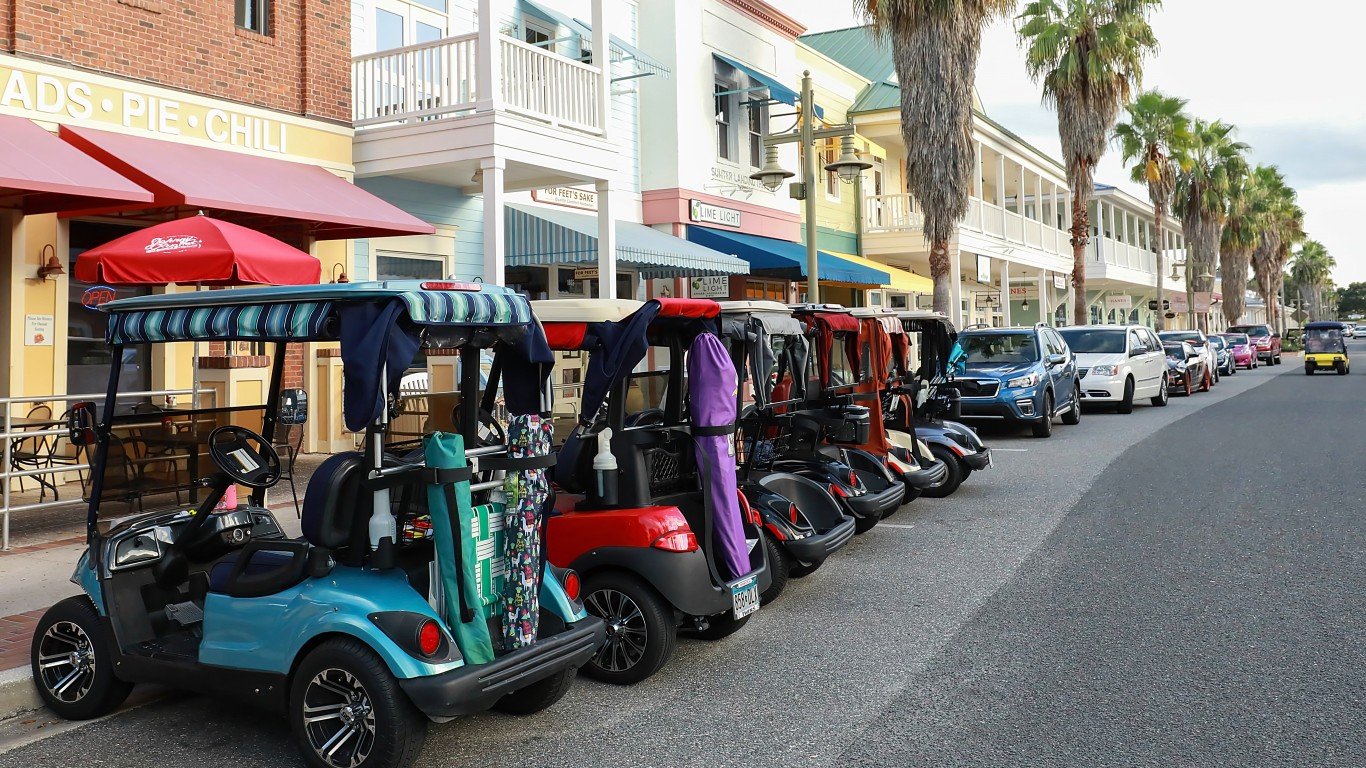
Your neighbor leans over the fence and asks what you think the house would sell for now. If you live in The Villages, the answer got a little smaller this year. If you live near Hilton Head, it got noticeably bigger. Those two towns sit at opposite ends of a new ranking of 24[1] popular retirement metros, based on the Federal Housing Finance Agency’s House Price Index through the third quarter of 2026.
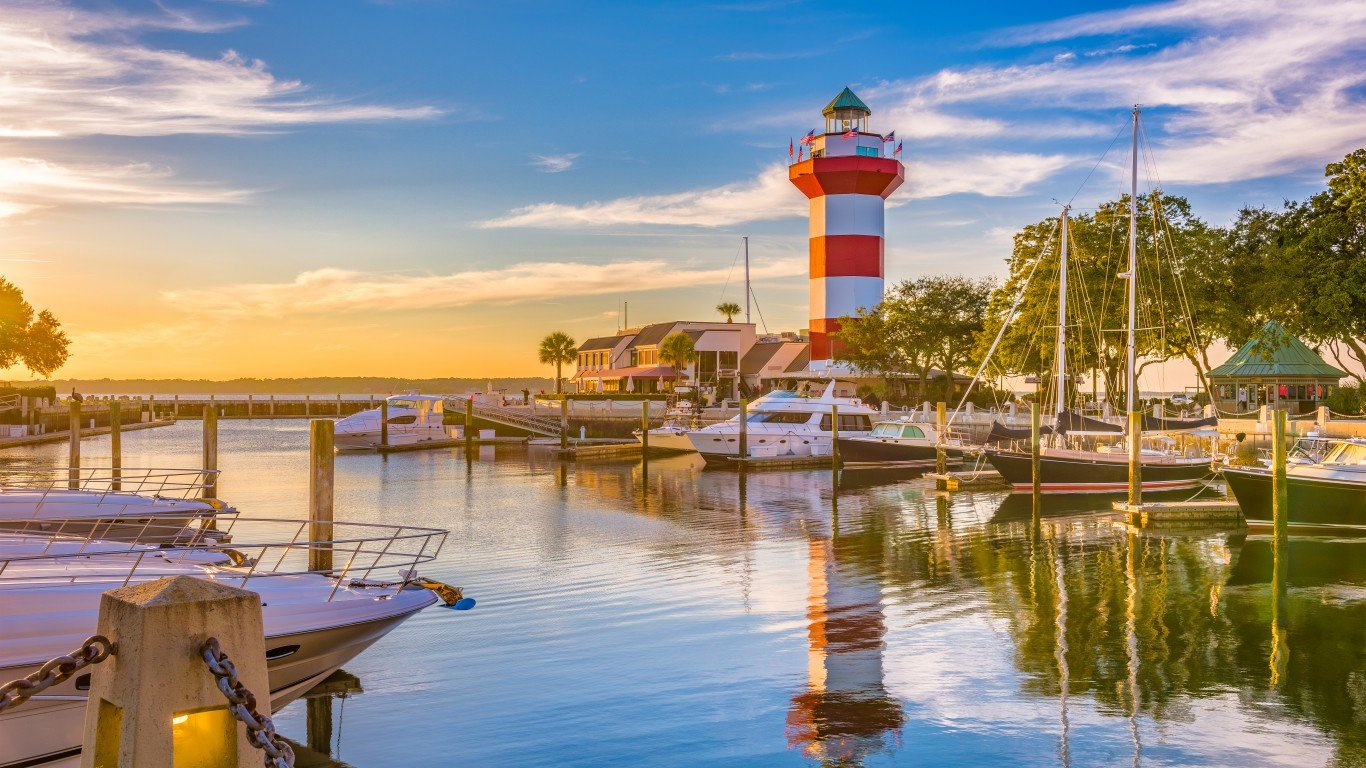
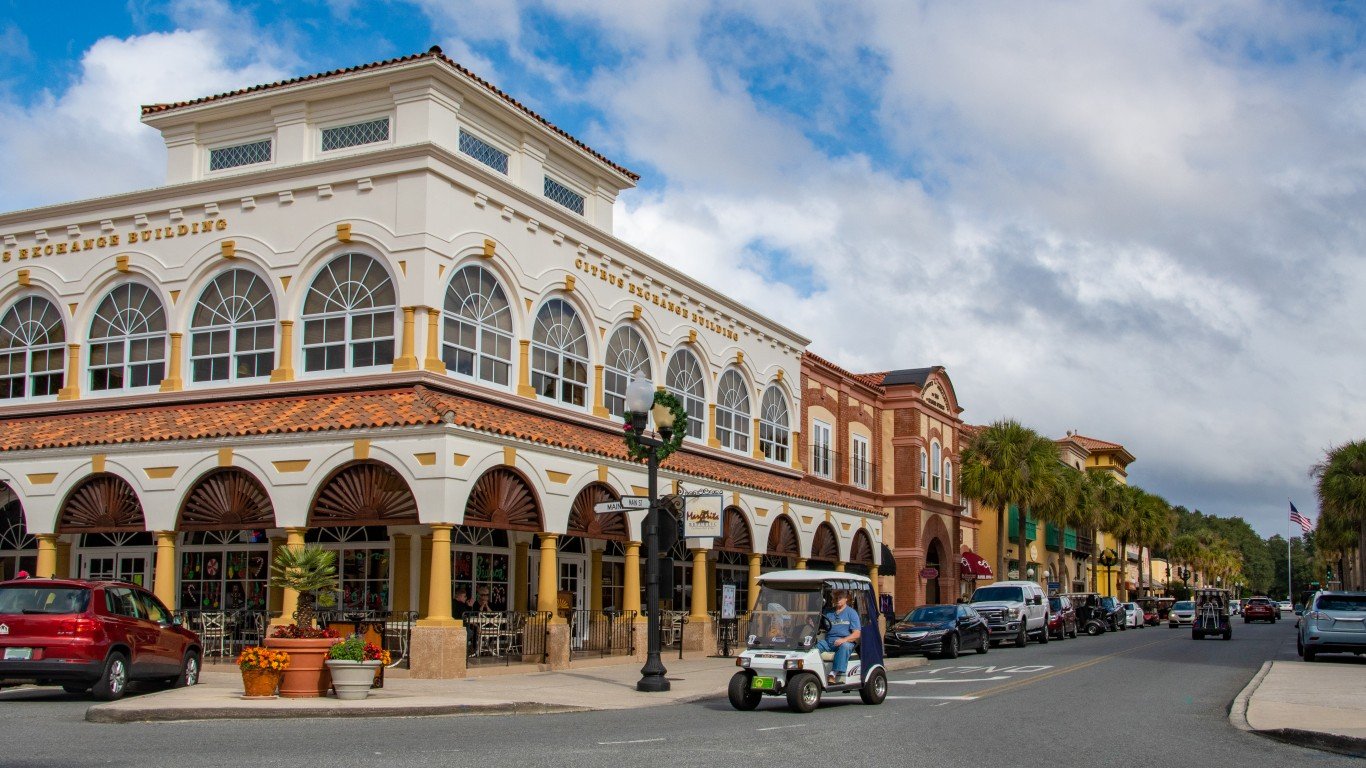
Wildwood-The Villages, Florida, had the biggest drop, with prices down 1.68%[1] over the year. Hilton Head Island-Bluffton-Port Royal, South Carolina, had the biggest gain at 5.96%[1]. For comparison, the Case-Shiller national index rose 2.1%[2] over the past year. So, buyers are seeing very different results depending on where they bought.
What This Index Tracks
FHFA builds its index from repeat transactions on the same property units over time[3]. It compares a home’s sale price with what that same home sold for before. That makes it a cleaner read than a median sale price, which can jump just because more big new houses sold one quarter. When the index falls, home values across the market have declined on average.
Where All 24 Retirement Markets Ranked
The five hardest one-year gains came from the Carolinas, coastal Florida and the Mountain West:
- Hilton Head Island-Bluffton-Port Royal, SC: 5.96%[1]
- West Palm Beach-Boca Raton-Delray Beach, FL: 5.34%[1]
- Santa Fe, NM: 4.57%[1]
- Charleston-North Charleston, SC: 3.79%[1]
- Boise City, ID: 3.42%[1]
Six markets ended the year lower:
- Wildwood-The Villages, FL: -1.68%[1]
- Naples-Marco Island, FL: -1.64%[1]
- Cape Coral-Fort Myers, FL: -1.61%[1]
- Ocala, FL: -1.00%[1]
- Tucson, AZ: -0.36%[1]
- Las Vegas-Henderson-North Las Vegas, NV: -0.02%[1]
Florida accounts for 12[1] of the 24 markets and four of the six decliners. Still, West Palm Beach finished second overall, so the weakness is concentrated in particular parts of the state.
Third Quarter Brought the Biggest Shift
The latest quarter saw the split widen. The Villages’ index slipped from 401[1] in the second quarter to 389 in the third. Naples fell from 572[1] to 544. The third-quarter declines erased earlier gains and pushed both markets into negative territory for the year.
Hilton Head moved the other way, climbing from 472[1] to 483. Some markets with gains for the year also slipped this quarter. Asheville dropped from 523[1] to 504, and Charleston fell from 636 to 627. The slowdown reached well past Florida.
Why Parts of Florida Cooled
Florida is still drawing new residents. IRS data shows the state gained 111,742[4] people on net from other states in 2022-2023. What changed is the cost of owning there. Local agents in Southwest Florida point buyers to association fees, reserves, insurance, and special assessments along with the price. When monthly costs go up, buyers offer less.
Supply is the other part. Markets like The Villages, Ocala, and Cape Coral built many homes quickly, and more listings mean sellers have to compete for buyers. Nationally, existing-home sales fell to an annualized 3.75 million[5] in October, the weakest reading in the past year. With fewer buyers around, markets that already had plenty of homes for sale feel it first.
What It Means If You’re Buying or Selling
If you’re selling, look at the longer view first. Even after this year’s dip, The Villages is still up 23.2%[1] over five years, and Naples is up 31%. Most longtime owners still have equity. But listing at last spring’s price could leave your home sitting while the third-quarter trend continues. One Florida listener who’s approaching retirement told consumer advocate Clark Howard that the sale proceeds “will play a huge role in our future finances.” That’s true for many retirees, so set your price based on recent nearby sales.
If you’re buying, the softer markets give you some room to negotiate. Get insurance quotes and association budgets before you sign. A lower price won’t help much if your monthly costs go up. That matters more now, since inflation for Americans 62 and older ran 3.9% over the past year.
The national number tells you very little about a retirement move. What matters is your local market and the cost of owning a home there.
Contact [email protected] for any questions or corrections.
David Beren has been a Flywheel Publishing contributor since 2022. Writing for 24/7 Wall St. since 2023, David loves to write about topics of all shapes and sizes. As a technology expert, David focuses heavily on consumer electronics brands, automobiles, and general technology. He has previously written for LifeWire, formerly About.com. As a part-time freelance writer, David’s “day job” has been working on and leading social media for multiple Fortune 100 brands. David loves the flexibility of this field and its ability to reach customers exactly where they like to spend their time. Additionally, David previously published his own blog, TmoNews.com, which reached 3 million readers in its first year. In addition to freelance and social media work, David loves to spend time with his family and children and relive the glory days of video game consoles by playing any retro game console he can get his hands on.