Vanderbilt Left No Trust and His Heirs Went Broke. The Family That Puts $15 Million Into a Dynasty Trust in 2026 Will Still Be Living on It in 2126.
The Vanderbilts burned through one of history's greatest fortunes in three generations, and the same tax mechanism that destroyed their wealth is already aimed at yours. There is a legal structure that stops it cold, but most families never use…

This post may contain links from our sponsors and affiliates, and Flywheel Publishing may receive compensation for actions taken through them.
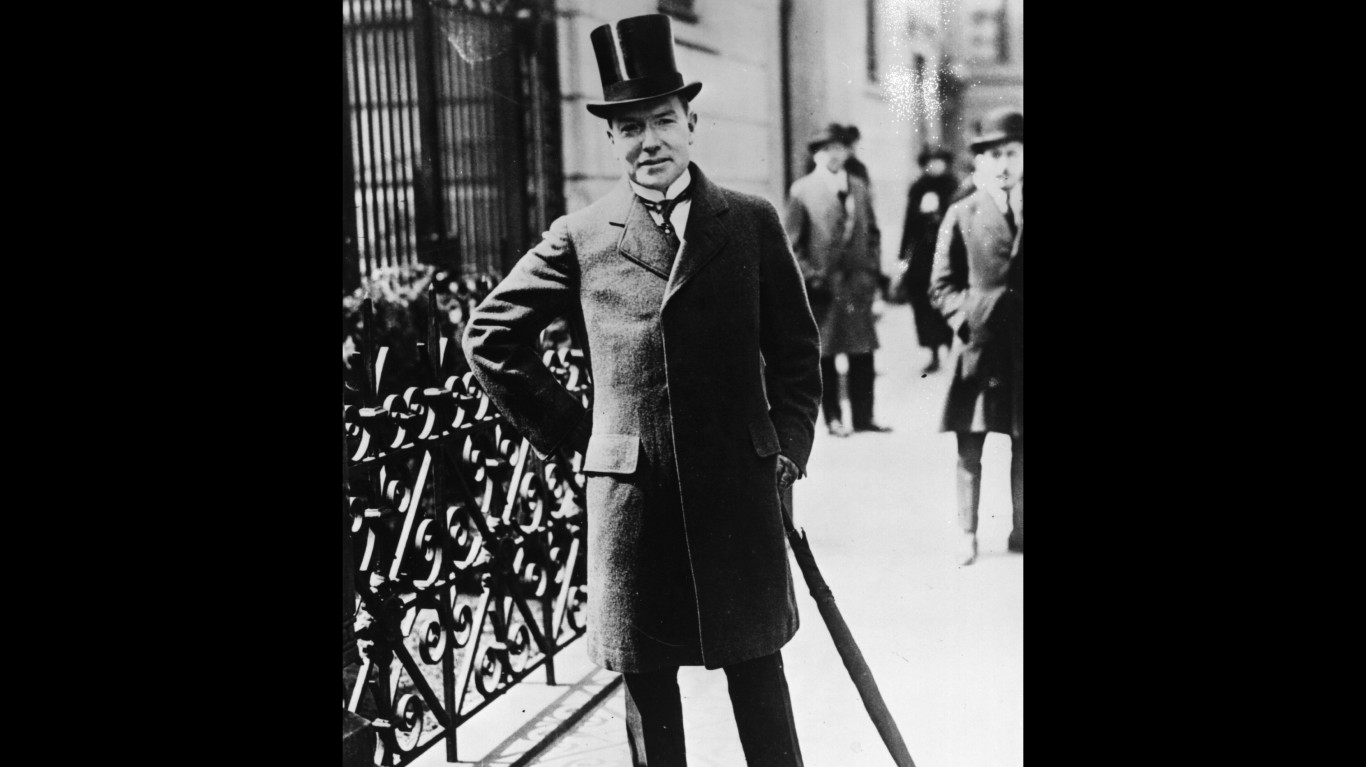
When Cornelius Vanderbilt died on January 4, 1877, the shipping and railroad tycoon had built a fortune of more than $100 million. His will left $90 million to his son William Henry and $7.5 million to William’s four sons. Nearly all of it passed to individual heirs, and each heir was free to spend it.
They spent it. In Fortune’s Children, Arthur T. Vanderbilt II wrote that when 120 of the Commodore’s descendants met at Vanderbilt University in 1973 for the first family reunion, “there was not a millionaire among them.”
Now take a 67-year-old widower who sold his packaging company and has $15 million he will never spend, and his first instinct is the Commodore’s: leave it to the kids in his will. That plan gives the IRS a share at every generation, and whatever is left is exposed to divorce, creditors and spending.
One $15 Million Gift Uses Two Federal Exemptions
For 2026, an individual’s gift and estate tax exclusion is $15,000,000. Every individual also gets a lifetime generation-skipping transfer (GST) exemption equal to that amount, $15,000,000 for calendar year 2026, under Section 2631(c).
When the widower gives $15 million to an irrevocable dynasty trust, the gift is fully covered by his exclusion. He owes no gift tax. He then allocates his GST exemption to the trust. Under 26 U.S.C. § 2642(a), the trust’s applicable fraction is the GST exemption allocated divided by the value transferred. A $15 million allocation to a $15 million trust gives a fraction of one and an inclusion ratio of zero.
An inclusion ratio of zero means no GST tax applies to the trust for as long as it exists. That matters because the GST rate is the maximum federal estate tax rate, and under Section 2001(c) that rate is 40% on amounts over $1,000,000. The trust also stays out of each child’s and grandchild’s taxable estate, so estate tax never applies to it.
He has to give up control. If he keeps the right to the trust’s income, or the power to designate the persons who shall possess or enjoy the property, Section 2036(a) pulls the assets back into his estate.
State Law Decides Whether a Trust Can Reach 2126
Many states still have a rule against perpetuities, which forces a trust to end typically less than 100 years from formation. South Dakota repealed that rule in 1983 under SDCL §43-5-8, and the state has no income, capital gains or estate tax on trust assets. To last a full century, the trust needs to be sited in a state like that, with a trustee located there.
Running the 100-Year Math
Assume the trust earns 5.15% a year. That was the 10-year Treasury yield on October 19, 2026, and it pays out 3% of its value to the family every year. All figures are nominal and leave out trust income tax and trustee fees.
In the first year, the family gets $450,000. By 2126 the trust has about $125.9 million, and that year’s 3% payout is about $3.78 million. After a century of spending, the principal is still there.
Leaving It Outright Costs the Family $98.7 Million by 2126
Now run the Vanderbilt version. The same money earns the same return and pays the same 3%, but it passes outright three times in 100 years. Assume each heir’s own exemption is already used up by his or her own assets, so the inherited money is taxed at 40% each time.
On those assumptions, the family has about $27.2 million in 2126, and the 3% payout is about $815,649. That leaves the family roughly $98.7 million short of the trust path. This version also assumes no heir ever overspends, which the Vanderbilts showed is unlikely.
The trust has one cost. Assets he gives away during life keep his original cost basis and lose the step-up they would get at his death. Funding the trust with cash or high-basis assets keeps that cost small.
Five Moves Before Funding the Trust
- Choose the trust’s state first. Confirm that the state has repealed its perpetuities rule and has no state income tax on trust assets.
- Allocate GST exemption on Form 709. A gift tax return may be needed to make affirmative allocations of GST exemption. File the 2026 return and allocate the exemption on it rather than relying on automatic allocation.
- Keep no strings. Give up income rights and any power to name beneficiaries, so Section 2036 can’t pull the trust back into your estate.
- Add a spendthrift clause. It blocks a beneficiary’s creditors and ex-spouses from reaching trust principal.
- Plan trustee succession. Name an independent trustee and set out how successors are chosen over 100 years.
An estate attorney in the trust’s state should draft the document and coordinate the Form 709 filing. The trust is one piece. It is part of a larger estate puzzle, and we put the full checklist, beneficiary forms and titling included, in a free report here.
Number to Remember
A $15 million gift that uses both exemptions in 2026 grows to about $125.9 million by 2126 on these assumptions. Left to heirs outright, the same money grows to about $27.2 million.
Contact [email protected] for any questions or corrections.
Vilma Rios is a tax professional and tax content contributor with more than 15 years of experience in tax and accounting. She specializes in federal tax research, tax education, and translating complex tax rules into clear, practical information for individuals, families, and small-business owners.
Vilma is a Content Tax Contributor II with the National Association of Tax Professionals (NATP), where she contributes to tax education and professional content. She has also presented tax information through webinars, including Spanish-language tax education, and has appeared on Telemundo 47 discussing tax topics and helping viewers understand important tax-filing requirements.
Her experience also includes tax and accounting work, tax research, IRS-related matters, and public tax education. While in college, Vilma volunteered in an IRS-sponsored tax assistance program and was recognized for her community service by local and state officials.
Known as “Your Tax Geek,” Vilma is passionate about making taxes easier to understand and helping people navigate an increasingly complex tax system.