In 1907 Henry Phipps Put His Carnegie Steel Fortune Into Trusts for His Five Children and Hired a Staff to Run Them. His Descendants Are Still Drawing on It, and the Structure He Used Is One an Estate Lawyer Can Still Build Today
Henry Phipps built Carnegie Steel alongside Andrew Carnegie, then spent years quietly engineering a structure to keep the fortune intact across generations. The legal tool he used in 1907 still exists, still works, and an estate lawyer can build one…

This post may contain links from our sponsors and affiliates, and Flywheel Publishing may receive compensation for actions taken through them.
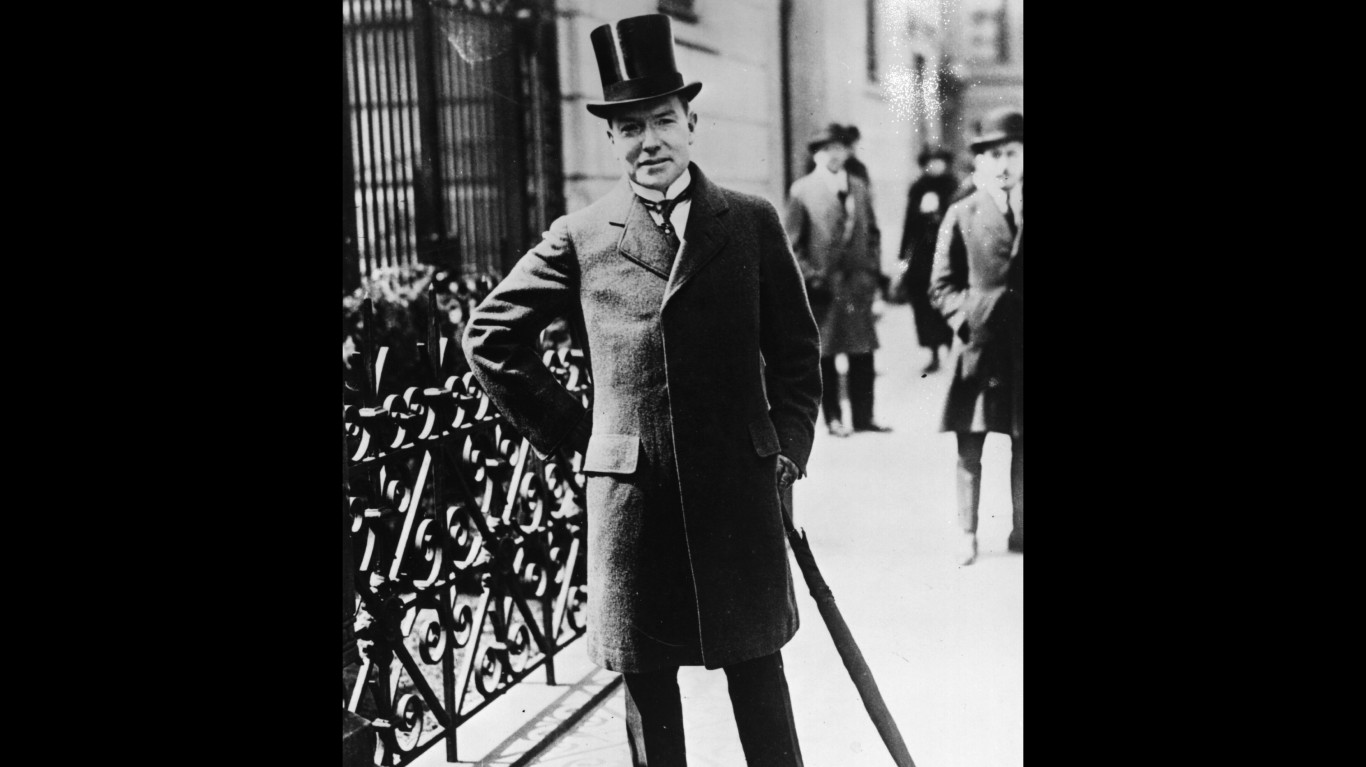
Henry Phipps co-founded Carnegie Steel with Andrew Carnegie, then spent decades deciding what to do with the money. In 1907, he formed Bessemer Trust as a family office with a staff devoted solely to his family’s affairs, and he set up trusts for his five children. The trusts came with professionals hired to run them, and that’s the part worth studying. An estate lawyer can still build a modern version, usually called a dynasty trust. Whether a family needs one depends mostly on the size of its estate.
From Steel Fortune to a Firm That Still Exists
A family office, often what wealthy families focus on, is a private firm that handles one wealthy family’s investments, taxes, and paperwork. The Phippses began opening Bessemer to other wealthy families in 1974. The firm still operates today as a multi-family office, and its published history describes it as owned and directed by the Phipps family.
Phipps built his trusts under the law of his own time, and they were long-running irrevocable trusts. The generation-skipping transfer tax and its exemption arrived decades later, so he never planned around them. Today, though, they sit at the center of how a family gets a similar result.
Three Rules That Make a Modern Dynasty Trust Work
- Give up control. Once you sign an irrevocable trust, you generally can’t undo it. Losing control buys the protection: assets the creator no longer owns sit outside the taxable estate, and creditors have a harder time reaching them.
- Use the GST exemption. The generation-skipping transfer tax keeps families from avoiding estate tax by leaving money to grandchildren. The One Big Beautiful Bill Act sets each person’s exemption at $15 million starting January 1, 2026, and makes it permanent and inflation-adjusted. Assets covered by the exemption pass to grandchildren and later generations without a transfer tax at each step, the main reason these trusts last.
- Choose the right state. The rule against perpetuities limits how long a trust can run. Alaska, Idaho, New Jersey, Kentucky, Rhode Island, and South Dakota have eliminated it by statute, while Delaware has separate rules for property held in trust. Setting one up takes an estate planning attorney licensed in the state whose law will govern the trust.
Most Families Have No Estate Tax to Avoid
For 2026, the federal estate and gift tax exclusion is $15,000,000, up from $13,990,000 in 2025. A family whose estate sits well below that line doesn’t owe transfer tax in the first place, so the tax case for a dynasty trust mostly falls away. The non-tax reasons apply at any level of wealth:
- Protecting a beneficiary’s inheritance from creditors or a divorce
- Providing for someone with a disability
- Controlling when a young or vulnerable heir gets money
- Avoiding probate, the court process that settles a will
Costs to Price In Before Signing
Once an irrevocable document is in place, it generally stays as written, even if a marriage ends, a child struggles, or needs shift in ways nobody saw coming decades earlier. The taxes make it costlier still. Income a trust holds onto instead of paying out hits the 37% federal rate once it passes $16,000 in 2026, while a single taxpayer doesn’t reach that threshold until income tops $640,600. Banks and trust companies tend to charge somewhere between 0.5% and 2% of a trust’s value. On top of that, the trust needs its own accounting and its own annual tax return.
Hire a Professional Trustee Instead of a Family Office
Few families will ever need a family office, but Phipps’s core idea still scales down through the idea that you can pay a professional to run the structure instead of relying on a relative. For an ordinary family trust, that job goes to a corporate trustee (a bank or trust company named as trustee) or a professional fiduciary. The trustee invests the assets, keeps the records, files the trust’s tax returns, and makes payouts under the trust’s terms. It also gives the family a neutral party when relatives disagree.
Before calling a lawyer, a family should decide what the trust needs to do. Protecting a grandchild’s inheritance from a future divorce takes a different document than moving a large estate past the transfer tax. That answer drives every later choice, including the state, the terms, and the trustee.
Contact [email protected] for any questions or corrections.
David Beren has been a Flywheel Publishing contributor since 2022. Writing for 24/7 Wall St. since 2023, David loves to write about topics of all shapes and sizes. As a technology expert, David focuses heavily on consumer electronics brands, automobiles, and general technology. He has previously written for LifeWire, formerly About.com. As a part-time freelance writer, David’s “day job” has been working on and leading social media for multiple Fortune 100 brands. David loves the flexibility of this field and its ability to reach customers exactly where they like to spend their time. Additionally, David previously published his own blog, TmoNews.com, which reached 3 million readers in its first year. In addition to freelance and social media work, David loves to spend time with his family and children and relive the glory days of video game consoles by playing any retro game console he can get his hands on.