In the 1960s A.N. Pritzker Put the Family’s Chicago Businesses Into a Web of Trusts for His Grandchildren, Back When Hyatt Was One Motel. Sixty Years Later Eleven of Them Are Billionaires, and the Domestic Version of What He Signed Is the Trust Any Estate Lawyer Drafts Today
A.N. Pritzker signed a trust document in 1961 that sheltered a single motel investment from decades of estate taxes, and the same structure an attorney drafts for clients today carries a $15,000,000 federal exemption most families never think to use.

This post may contain links from our sponsors and affiliates, and Flywheel Publishing may receive compensation for actions taken through them.

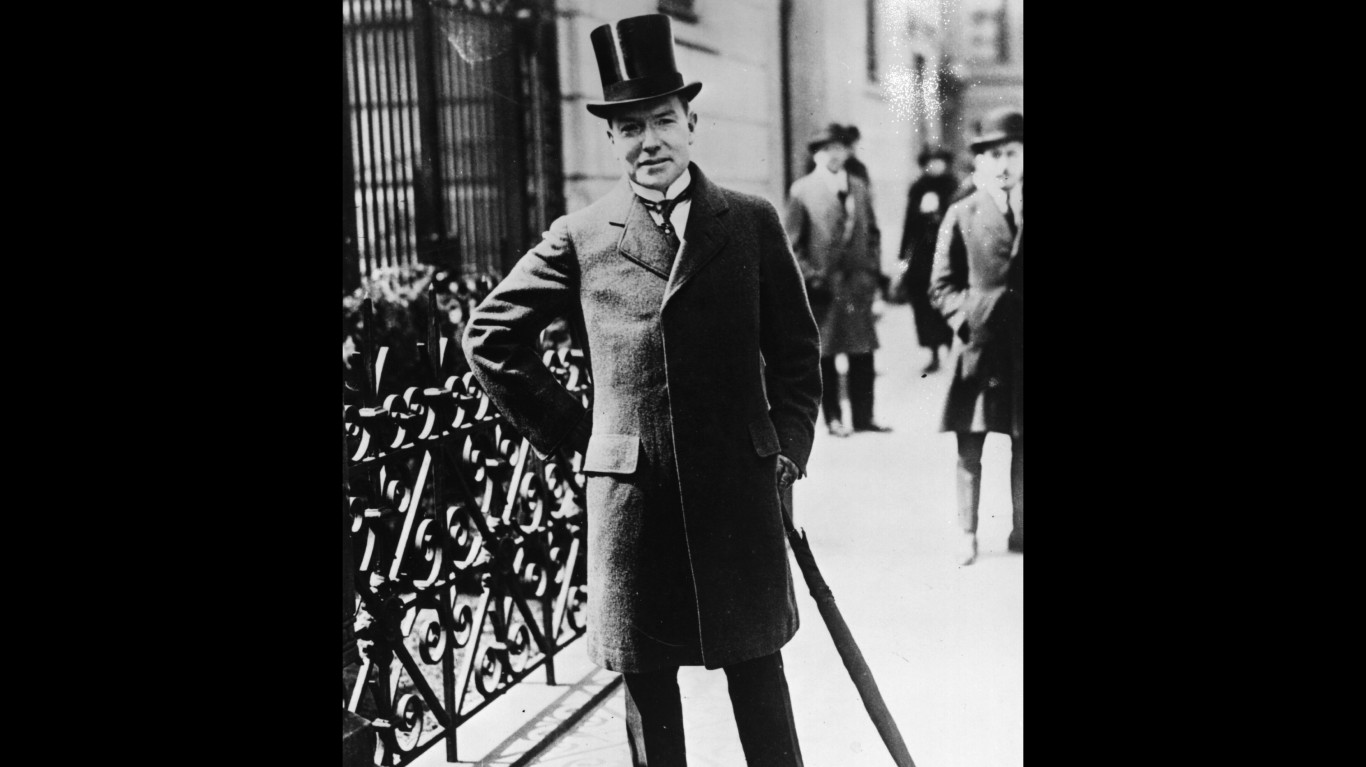
The tax code already gives you a $15,000,000 allowance for your grandchildren. It’s called the generation-skipping transfer (GST) tax exemption. Put it inside an irrevocable dynasty trust, and decades of growth can reach your grandchildren and great-grandchildren without a federal transfer tax at each generation. A.N. Pritzker used an early version.
He set up the original Pritzker trust in 1961, a few years after Jay Pritzker bought the Hyatt House motel in Los Angeles in 1957. Today Hyatt Hotels (NYSE:H | H Price Prediction) runs more than 1,500 hotels and all-inclusive properties across 83 countries. After Jay died in 1999, the family split the business into 11 pieces, each worth $1.4 billion. Forbes now counts 13 billionaire heirs.
How One Trust Can Skip Estate Tax for Generations
Without planning, wealth gets taxed when you die and again when your children die. Skipping your children and giving straight to grandchildren triggers a separate GST tax, which closes that gap. Its rate equals the top federal estate tax rate, 40%. Your exemption protects a set amount from that tax. If you allocate it to a trust when you fund it, the trust gets a zero “inclusion ratio,” meaning none of its assets are exposed to the GST tax.
After that, the trust can grow for decades and pay out to later generations GST-free, no matter how large it gets. Pritzker’s trust precedes today’s rules. Congress first imposed a GST tax on transfers after June 11, 1976, and rewrote it in 1986. The same result now requires the exemption.
Where This Rule Lives in the Tax Code
If you’re thinking about passing money to grandkids, the generation-skipping transfer (GST) tax is a key rule, and the exemption is more generous than many people realize. Under 26 U.S.C. § 2631, every individual gets a GST exemption. Section 2631(c) simply matches the estate tax basic exclusion amount in § 2010(c), so the two move together.
The One Big Beautiful Bill set that basic exclusion at $15,000,000, with inflation indexing kicking in after 2026. For people who die in 2026, the IRS sets the figure at $15,000,000, up from $13,990,000 in 2025, and the GST exemption follows suit. Anything above that exemption gets taxed, and § 2641 ties the GST rate to the top estate tax rate. In other words, the rate isn’t some separate, lower number. It’s the same top rate you’d face on the estate itself.
Who Comes Out Ahead and Who Can Pass
This fits people whose assets, plus decades of growth, could outgrow the exemption. Think family business owners, people with a large position in one stock, and real estate investors expecting appreciation. If your estate sits well below $15,000,000 and you don’t expect that to change, the federal estate tax likely never reaches you. In that case, a dynasty trust adds legal fees and takes away control with no federal benefit (our free estate checklist covers the smaller-estate cleanup, outdated beneficiaries, titling, and wills: Die With a Plan). The trust has to be irrevocable, so the assets you put in are permanently out of your hands.
Five Steps to Set One Up in 2026
- Hire an estate attorney to draft an irrevocable trust for your grandchildren and later generations. Pick the governing state carefully, because state law controls how long a trust can last.
- Consider making it a grantor trust. Under IRS guidance, a grantor trust’s income is taxable to the grantor if you maintain certain controls. You pay the income tax from your own pocket, and the trust keeps all of its growth.
- Fund the trust with gifts. In 2026, the annual exclusion lets you give $19,000 per individual recipient. Larger gifts use up part of your lifetime exemption.
- File a gift tax return (Form 709) by the 15th day of April after the year of the gift.
- On that return, allocate GST exemption yourself. Section 2632(c) automatically exempts some trusts, but those default rules can place it in the wrong place.
Traps That Can Cost You 40%
Annual-exclusion gifts create one common trap, as a small gift made directly to one grandchild normally escapes GST tax. A gift to a trust only gets that treatment under § 2642(c)(2) if the trust benefits just one person during that person’s life and would be counted in that person’s estate. A single shared trust for all your grandchildren fails that test. So even $19,000 gifts to it need a GST allocation on a timely return. If you skip that step, later payouts from the unprotected share face the top estate tax rate.
Two more limits apply to these trusts. Under § 2631(b), an allocation is permanent once you make it. Gifting assets also keeps your original cost basis under § 1015(a). That means the trust can owe capital gains tax when it sells something an heir might have sold tax-free after inheriting it at your death.
Indexing starts for deaths after 2026, so the IRS will publish a new exemption figure for 2027. Check that number before you make large gifts.
Contact [email protected] for any questions or corrections.
David Beren has been a Flywheel Publishing contributor since 2022. Writing for 24/7 Wall St. since 2023, David loves to write about topics of all shapes and sizes. As a technology expert, David focuses heavily on consumer electronics brands, automobiles, and general technology. He has previously written for LifeWire, formerly About.com. As a part-time freelance writer, David’s “day job” has been working on and leading social media for multiple Fortune 100 brands. David loves the flexibility of this field and its ability to reach customers exactly where they like to spend their time. Additionally, David previously published his own blog, TmoNews.com, which reached 3 million readers in its first year. In addition to freelance and social media work, David loves to spend time with his family and children and relive the glory days of video game consoles by playing any retro game console he can get his hands on.