In the 1960s A.N. Pritzker Put the Family’s Chicago Businesses Into a Web of Trusts for His Grandchildren, Back When Hyatt Was One Motel. Sixty Years Later Eleven of Them Are Billionaires, and the Domestic Version of What He Signed Is the Trust Any Estate Lawyer Drafts Today
A.N. Pritzker locked his family's assets into a web of trusts back when Hyatt was a single airport motel, and the same legal structure any estate lawyer drafts today traces directly back to that bet on his grandchildren's future.

This post may contain links from our sponsors and affiliates, and Flywheel Publishing may receive compensation for actions taken through them.

If your family owns valuable assets, such as a business, a large stock position, or real estate likely to appreciate, the tax code lets you set aside $15,000,000 for your grandchildren and future generations.
That allowance is the generation-skipping transfer (GST) tax exemption. If you put it in an irrevocable dynasty trust, it can grow for decades and pass down the family line without a federal transfer tax at each generation. A.N. Pritzker set up an early version of this structure when his family’s hotel business was still a single motel.
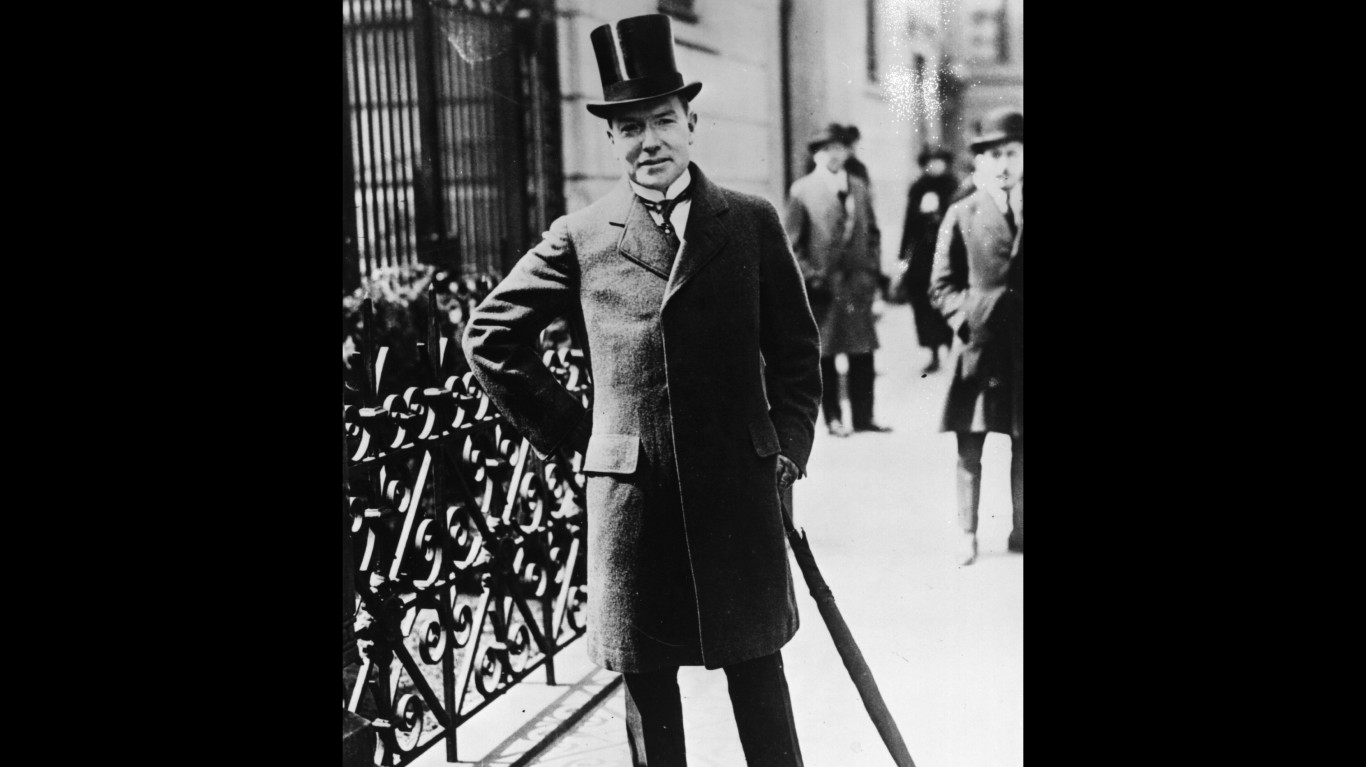
He established his family trusts in 1961, including for any grandchildren born before 1986. In 1957, his son Jay had bought a 149-room motel next to the Los Angeles airport. That motel launched Hyatt Hotels (NYSE:H | H Price Prediction). Forbes now counts 13 billionaires in the family and ranks it #6 on its 2026 list of America’s richest families.
How One Trust Avoids a 40% Tax at Every Generation
Without planning, a fortune gets taxed when you die and again when each of your children dies, and leaving assets straight to grandchildren triggers a separate GST tax that exists to close that gap. Its rate equals the top federal estate tax rate of 40%. Your exemption protects a set dollar amount from that tax, and if you allocate the exemption to a trust when you fund it, the trust gets an “inclusion ratio” of zero. That means none of its assets will face GST tax later, no matter how large they grow or how many generations they reach.
Where This Rule Sits in the Tax Code
Under 26 U.S.C. § 2631, every person gets a GST exemption. Section 2631(c) sets that exemption equal to the estate tax exclusion level in § 2010(c), so the two numbers rise together. After the One Big Beautiful Bill, the IRS set the basic exclusion at $15,000,000 for people who die in 2026, up from $13,990,000 in 2025. Section 2641(a) sets the GST rate as the top estate tax rate multiplied by the inclusion ratio. Section 2642(a) calculates that ratio by comparing the exemption you allocated with the amount of property you put into the trust.
Who Gains and Who Should Pass
This setup makes sense for people whose assets, after decades of growth, could exceed the exemption, and because each person gets their own exemption, a married couple can shelter assets under two exemptions. If your estate sits well below $15,000,000 and is likely to stay there, the federal estate tax probably never applies to you.
In that case, a dynasty trust adds legal fees and takes away control without saving you federal tax. The more common problem for most families is simpler plumbing. It involves outdated beneficiary forms, untitled accounts, and missing trusts, which we cover in a free estate guide checklist. Once you put something into the trust, it’s out of your hands for good.
How to Set One Up in 2026
- Hire an estate attorney to draft an irrevocable trust for your grandchildren and later generations. State law decides how long a trust can last, so the choice of governing state matters.
- Look at making it a grantor trust. Under § 677(a), you’re the trust’s owner for income tax. This applies if trust income can go to you or your spouse without the consent of someone with an opposing interest. You then pay the trust’s income tax yourself, and the trust keeps all of its growth.
- Fund the trust with gifts. The 2026 annual exclusion is $19,000 per recipient. Gifts above that use up part of your lifetime exemption.
- File a gift tax return (Form 709) by the 15th day of April after the year of the gift.
- Allocate your GST exemption explicitly on that return. Section 2632(c)(1) has default rules that allocate exemption automatically in some cases, but an explicit election creates a clear paper trail.
Traps That Caught Even the Pritzkers
Once the trust is signed, its terms control the money, including who created it. In 1975, A.N. Pritzker acknowledged in court that he had used his children’s trust money in a way that broke the agreement he had set up himself. He said that he realized the mistake only after an IRS agent pointed it out, calling it “what a boner I had pulled.” Decades later, his granddaughter Liesel filed a $6 billion lawsuit against her father and 11 older cousins, accusing them of stripping her trust funds. The case was settled.
The tax rules have their own traps. A small gift made directly to one grandchild usually escapes GST tax. A gift to a trust gets the same treatment under § 2642(c)(2) only if the trust benefits a single person during that person’s life and would be counted in that person’s estate. A shared trust for all your grandchildren fails that test, so even $19,000 gifts to it need an exemption allocation on a timely return.
Under § 2631(b), an allocation can’t be reversed once you make it. And under § 1015(a), given assets keep your original cost basis. That means the trust could owe capital gains tax on a sale that an heir might have made tax-free after inheriting the same asset at your death.
The IRS released its 2026 figures on Oct. 9, 2025. Check the 2027 exemption once it’s published before you make large gifts.
Contact [email protected] for any questions or corrections.
David Beren has been a Flywheel Publishing contributor since 2022. Writing for 24/7 Wall St. since 2023, David loves to write about topics of all shapes and sizes. As a technology expert, David focuses heavily on consumer electronics brands, automobiles, and general technology. He has previously written for LifeWire, formerly About.com. As a part-time freelance writer, David’s “day job” has been working on and leading social media for multiple Fortune 100 brands. David loves the flexibility of this field and its ability to reach customers exactly where they like to spend their time. Additionally, David previously published his own blog, TmoNews.com, which reached 3 million readers in its first year. In addition to freelance and social media work, David loves to spend time with his family and children and relive the glory days of video game consoles by playing any retro game console he can get his hands on.