His Crop Export Buyer Vanished. The Trade That Saved His Farm Could Pause His Social Security Checks.
When a grain farmer's overseas buyer vanishes and a futures hedge saves the season, the gain that protected his crop could quietly trigger a Social Security benefit reduction he never saw coming.


A Farmer, a Vanished Buyer, and a Contract That Cuts Two Ways
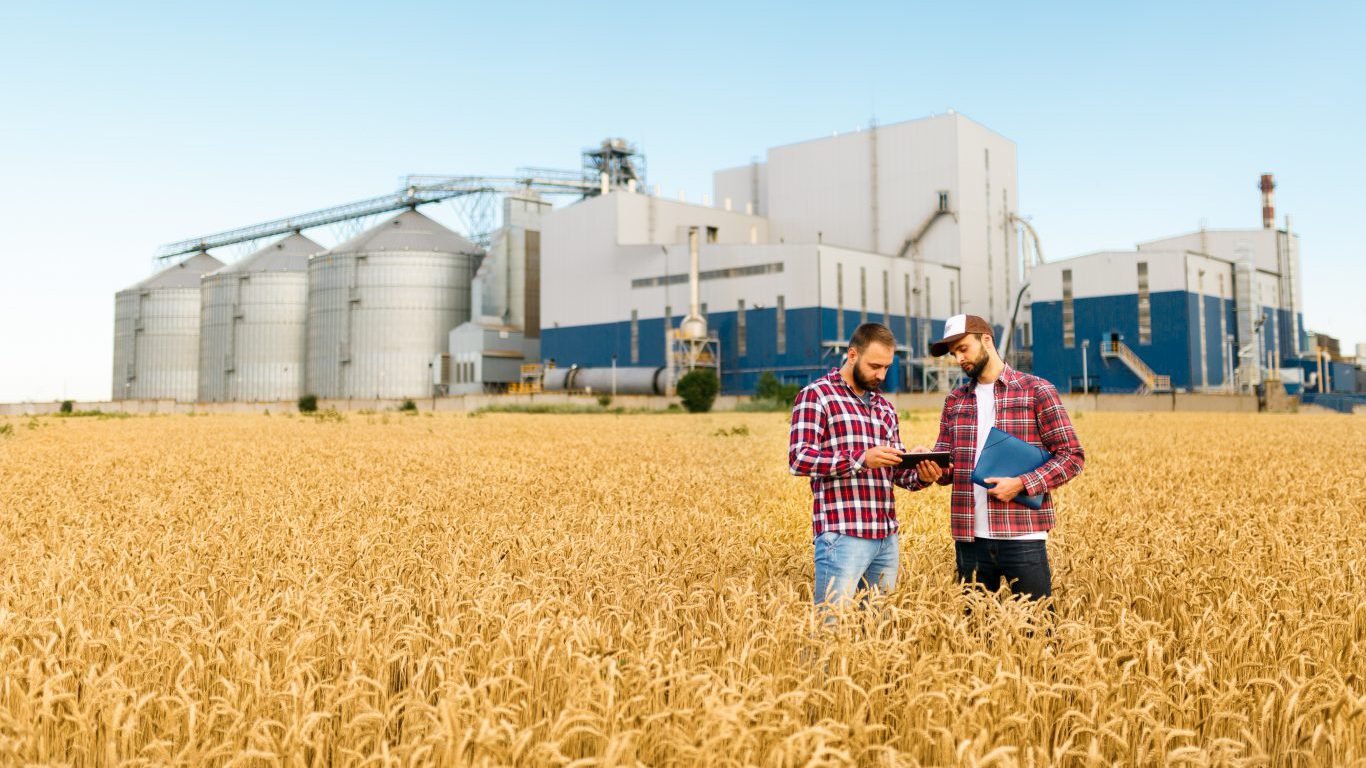
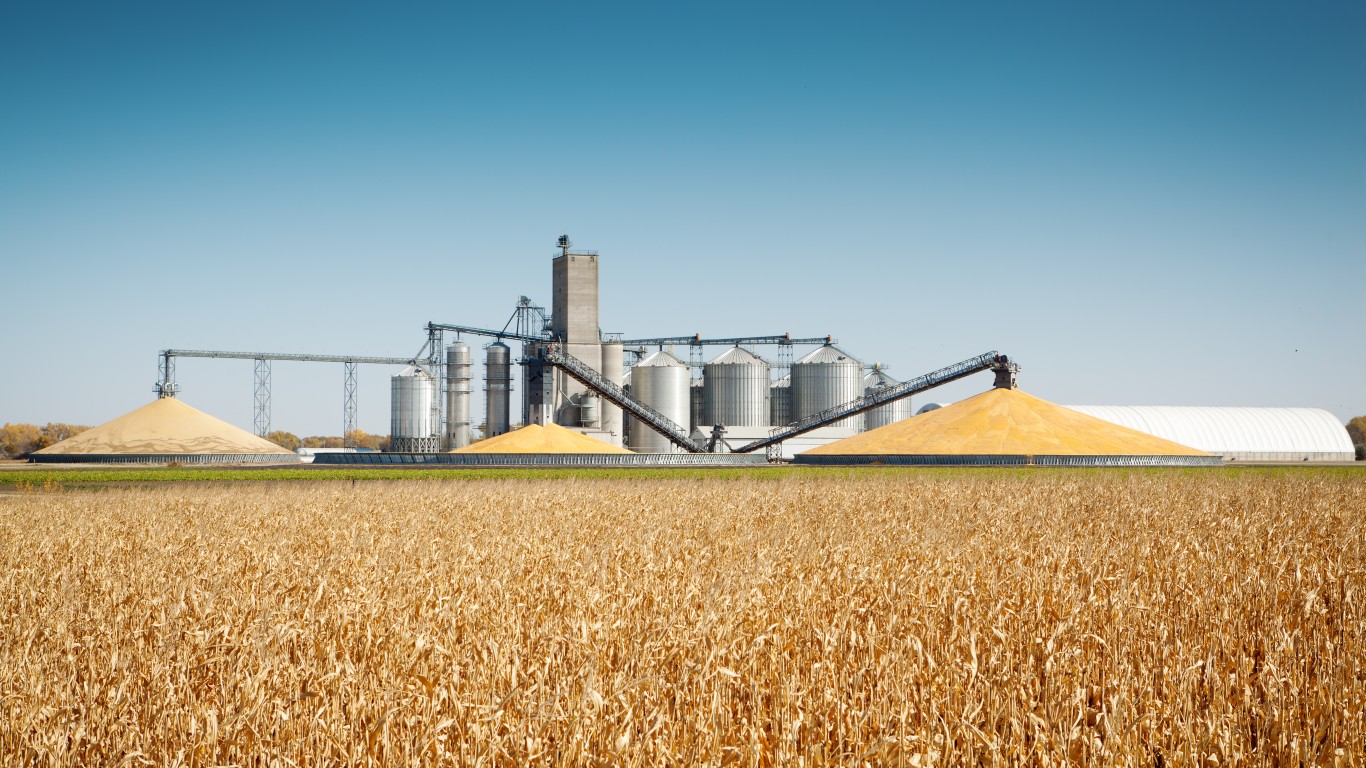
A 63-year-old grain farmer has spent years selling a large share of his crop to one overseas buyer. Then the buyer disappears. Suddenly, he is staring at bins full of grain and a price that will not sit still. He claimed Social Security at 62, but he is still farming. To keep one bad export season from swallowing the year, he sells futures covering roughly the number of bushels he expects to produce. If grain prices fall, gains on the contracts can help offset what he loses in the cash market.
The hedge does its job. Then tax season introduces a second risk. Depending on whether the contracts genuinely protect his crop or represent a separate market bet, the gain follows one of two paths: farm income Social Security may count or a capital gain it does not.
The Contract May Look the Same. Its Purpose Does Not.
A futures contract used to protect the price of grain the farmer produces is generally a business hedge. The amount covered should stay within his expected production, and the transaction should be connected with grain he is growing, storing, or reasonably expects to have available for sale. For a cash-method farmer, gains or losses from a qualifying hedge are generally reported as ordinary farm income on Schedule F. They become part of the farm’s net profit, which flows into net self-employment earnings.
Social Security counts those earnings. If he is already receiving benefits before reaching his full retirement age, a profitable hedge can therefore contribute to an earnings-test reduction.
A futures position placed as an investment follows another path. If he trades more bushels than he can reasonably expect to produce or simply bets on the direction of grain prices, the transaction generally produces a capital gain or loss. Capital gains may affect his income taxes, but Social Security does not count them as earnings from work. The farmer does not get to choose whichever answer helps him after seeing how the trade performs. The purpose and facts determine the treatment.
Paper Trail
The contracts may look identical on a brokerage statement. His records are what connect one to the farm and leave the other in the investment account. The IRS Farmer’s Tax Guide generally calls for a hedging transaction to be identified in the farmer’s books before the end of the day it is entered. He then has additional time to identify the crop, inventory, or price risk being protected.
That record does not need a flourish. It needs specifics: the commodity, contract date, number of bushels, expected production, and risk being managed. Keeping hedges and speculative trades in separate brokerage accounts can make the distinction even clearer. Waiting until tax season and writing “hedge” beside a profitable trade does not create a business purpose that was never there. Failing to document a real hedge can also leave the farmer defending ordinary treatment with an incomplete paper trail.
Why the Difference Matters
In 2026, someone below full retirement age (FRA) for the entire year can earn $24,480 before benefits are withheld. Above that limit, Social Security generally holds back $1 for every $2 of excess wages and net self-employment earnings. Suppose the futures contracts generate a $40,000 gain. If they qualify as farm hedges, that amount enters Schedule F along with crop sales and farm expenses. Social Security ultimately sees the resulting net self-employment earnings, not the $40,000 in isolation.
If the contracts were speculative investments, the capital gain stays outside the earnings test. It can still raise his federal tax bill, make more of his Social Security taxable, and possibly affect future Medicare premiums. It simply does not cause Social Security to withhold benefits for working. A hedging loss cuts the other way. Because it reduces farm profit, it may also reduce the self-employment earnings Social Security sees. Both sides of the hedge follow the business when the contracts genuinely belong there.
Before the Next Contract Goes On
Two habits can keep a useful risk-management tool from creating a benefit surprise:
- Match the position to the farm. Record the expected production, the number of bushels covered, and the price risk being managed.
- Keep business hedges apart from market bets. Separate accounts and same-day records give the tax preparer a much cleaner trail to follow.
The futures trade helped save the season. Good records make sure the tax return tells the same story. At 63, that paper trail can be the line between farm earnings Social Security counts and an investment gain it never harvests.
Contact [email protected] for any questions or corrections.
Gerelyn Terzo is the author of dividend investing handbook "Dividend Investing Strategies: How to Have Your Cake & Eat It Too." A veteran financial journalist, she covers agri-finance for outlets like Global AgInvesting and the broader stock market and personal finance for 24/7 Wall Street. She began at CNBC and later helped launch Fox Business in New York. Gerelyn currently resides in Woodland Park, Colorado and dabbles in nature photography as a hobby.