He Borrowed Against the Corn Instead of Selling It. One Tax Election Made the Loan Part of the Farm Income Social Security Counts.
A grain farmer pledges his corn as collateral, keeps every bushel in the bin, and still watches that loan reshape his Social Security earnings. One obscure tax election connects the two in ways most farmers never see coming.

This post may contain links from our sponsors and affiliates, and Flywheel Publishing may receive compensation for actions taken through them.
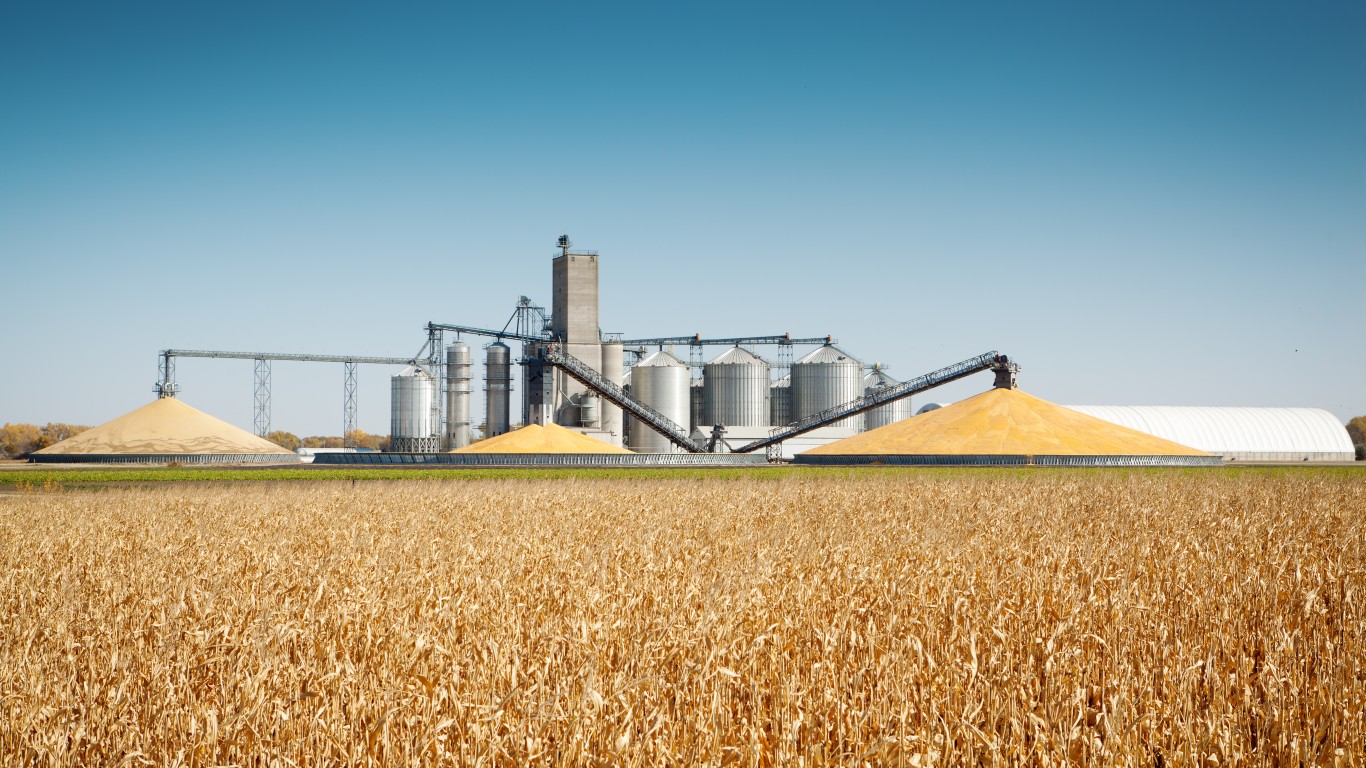
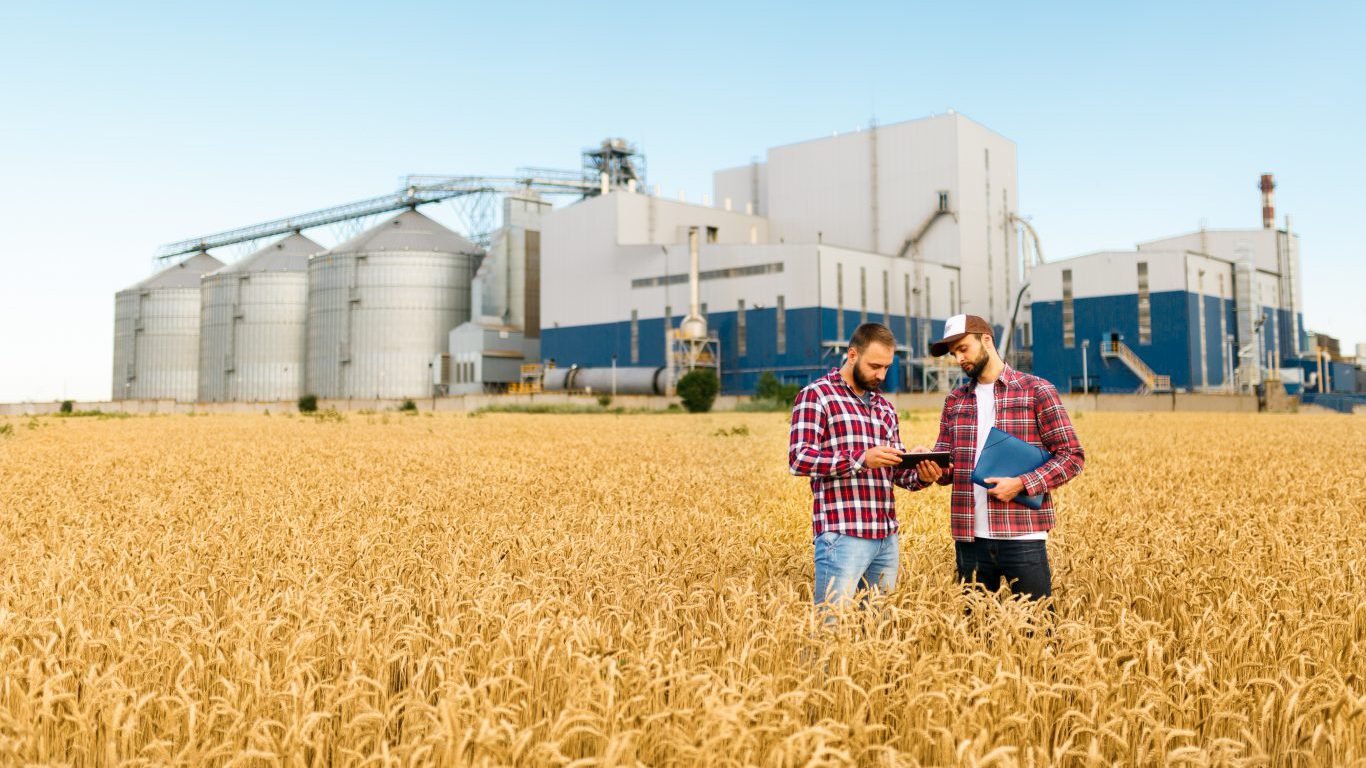
Picture a Midwestern grain farmer with bins full of corn and prices too weak to tempt him into selling. Storage is already paid for, so he pledges the crop as collateral for a USDA Commodity Credit Corporation loan and keeps the grain in the bin. Cash arrives, but no customer has bought a bushel.
Ordinarily, a loan is not income. Farmers using certain federal marketing assistance loans, however, can elect to treat the proceeds as though the crop had been sold in the year the money arrives. That can be useful tax planning, but for someone already collecting Social Security before full retirement age (FRA), it can also increase the farm earnings that count against his benefits.
The Choice That Moves Income Forward
The IRS generally treats a Commodity Credit Corporation marketing assistance loan as debt rather than taxable income. A farmer can choose a different method under Section 77 of the Internal Revenue Code and report the loan proceeds as current farm income instead. The amount goes onto Schedule F, and the farmer attaches a statement describing the loan.
That election effectively treats the pledged crop as though it had been sold for the loan amount. The income reported also becomes basis in the commodity, preventing the same dollars from simply being taxed again when the corn is later redeemed and sold. There can be good reasons to accelerate the income. A farmer may want to fill a low-income year, make better use of deductions or smooth taxable farm income between seasons. The election gives him another timing lever without forcing a sale when crop prices are unattractive.
Social Security Looks at the Resulting Farm Profit
The distinction matters because self-employed farmers use Schedule F to calculate farm profit and Schedule SE to determine net earnings from self-employment. Social Security counts those net earnings, not gross crop receipts or the size of the loan by itself. So assume the elected loan proceeds increase his Schedule F income enough to produce a larger net farm profit after expenses. That higher profit can become covered Social Security earnings even though the corn remains physically in his bin.
If he is collecting retirement benefits before FRA, the same earnings can enter the retirement earnings test. In 2026, someone below FRA for the entire year can earn $24,480 before Social Security withholds $1 in benefits for every $2 above the limit. The election does not automatically cost him benefits. His expenses, other farm income and total net earnings still determine where he lands.
The Extra Earnings Can Help Too
Current covered earnings have an upside. Social Security reviews new earnings after someone begins receiving benefits, and if a new year ranks among the worker’s highest years, the agency can recalculate the benefit and pay any resulting increase. Benefits withheld under the earnings test also are not simply forfeited. At FRA, Social Security adjusts the monthly benefit to account for months in which payments were withheld because of excess earnings.
For a farmer with weak years in his earnings history, accelerating income may therefore do useful work in both the tax return and the future benefit calculation. For someone already comfortably above the earnings limit, the near-term cash-flow cost may deserve more attention.
One Election Can Reach Future Crops
This is not necessarily a one-year decision. Once a farmer reports a marketing assistance loan as income when received, the IRS generally requires the same treatment for other such loans that year and in later years. IRS procedures do allow an accounting-method change, but the farmer should not assume he can casually switch back and forth depending on corn prices. Before making the election:
- Compare the tax result with and without accelerating the loan proceeds into Schedule F income.
- If Social Security has started before FRA, calculate the resulting net self-employment earnings against the current earnings limit.
- Check the earnings record for low years that another strong farm year might replace.
The corn can stay in the bin while the farmer waits for a better price. The useful part is knowing that his tax return gives him a choice about when some of that crop becomes income. For Social Security, the important number is not how much he borrowed against the corn. It is how much farm profit remains after that choice reaches Schedule F.
Contact [email protected] for any questions or corrections.
Gerelyn Terzo is the author of dividend investing handbook "Dividend Investing Strategies: How to Have Your Cake & Eat It Too." A veteran financial journalist, she covers agri-finance for outlets like Global AgInvesting and the broader stock market and personal finance for 24/7 Wall Street. She began at CNBC and later helped launch Fox Business in New York. Gerelyn currently resides in Woodland Park, Colorado and dabbles in nature photography as a hobby.