The Government Called It a Grain Loan. One Line on His Tax Return Could Make Social Security Call It Farm Income.
A CCC marketing assistance loan looks nothing like a farm sale, but one optional election on Schedule F can transform borrowed cash into self-employment earnings that Social Security counts against an early claimant's monthly checks before a single bushel leaves…

This post may contain links from our sponsors and affiliates, and Flywheel Publishing may receive compensation for actions taken through them.
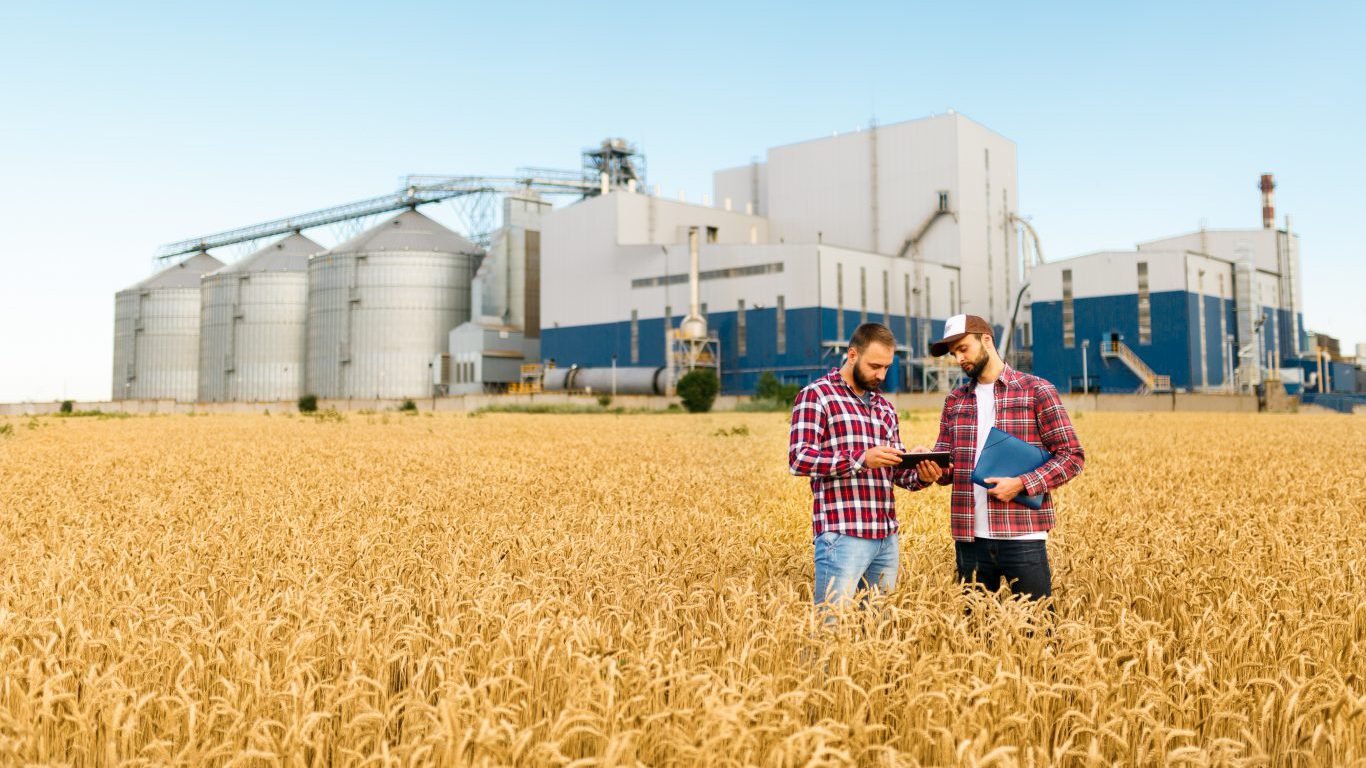
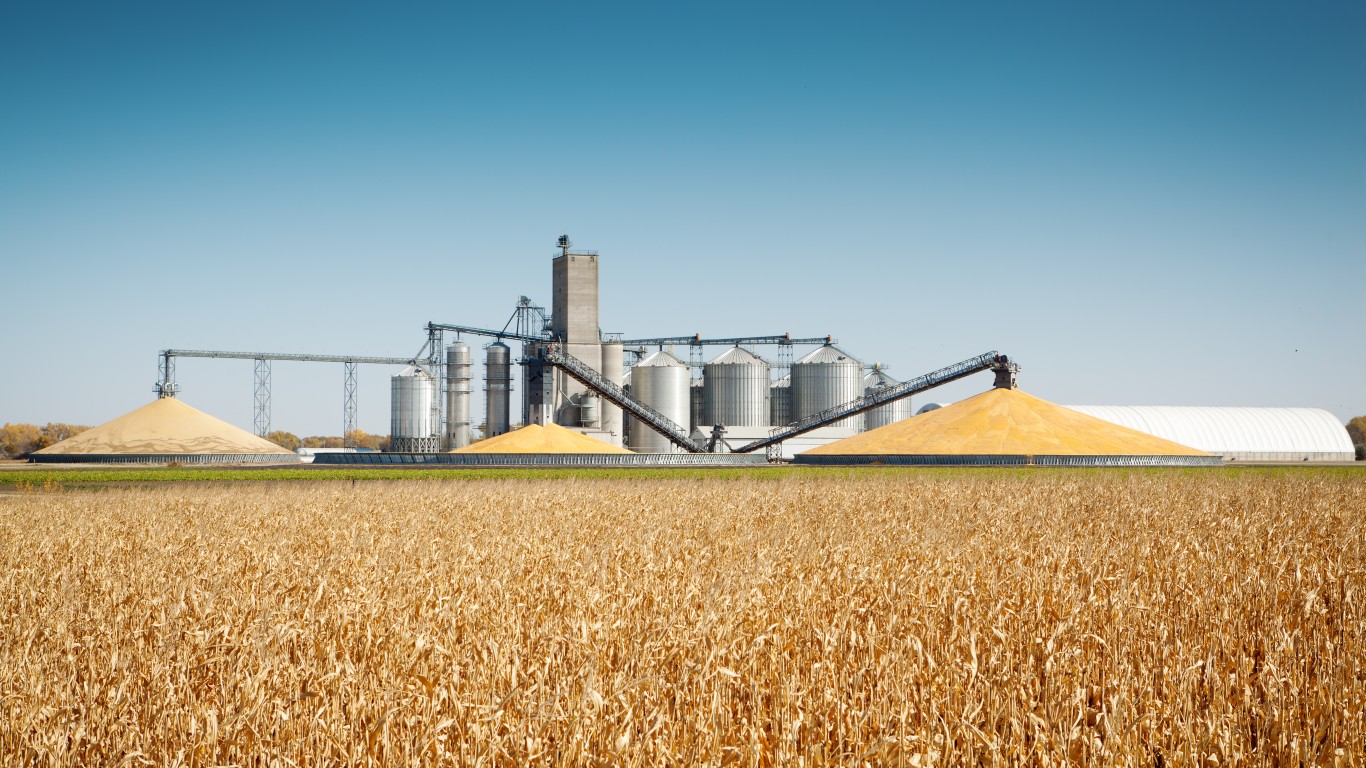
A grain farmer in his mid-60s has corn in the bin, soft prices, and bills due before winter. He takes a federal marketing assistance loan from the Commodity Credit Corporation (CCC), pledging the grain as collateral. The money reaches his account while the crop stays put.
Because he started drawing Social Security at 64, he assumes the loan has nothing to do with his benefits. Under the default tax treatment, he is right. One election on Schedule F can change that answer before a bushel leaves the bin.
When a Loan Starts Acting Like a Sale
Borrowed money ordinarily is not income. A CCC marketing assistance loan follows that rule by default. The grain secures the debt, and the proceeds are not reported as farm income when received. Tax consequences generally arise later when the farmer sells the grain, repays the loan, or forfeits the crop to the government. The farmer can instead elect to treat the proceeds as if the crop had already been sold. He reports the amount on Line 5a of Schedule F in the year the money arrives and attaches a statement describing the loan.
That election gives him tax basis in the pledged grain. If he later repays the loan, recovers the crop, and sells it, he reports only the sale proceeds above that basis as additional income. A sale below basis can produce a Schedule F loss. The choice can help move income into a lean year or prevent a larger tax pileup later. It also turns borrowed cash into current farm receipts while the corn is still sitting behind the same bin door.
Social Security Follows the Farm Return
The retirement earnings test applies before full retirement age (FRA) and counts wages plus net earnings from self-employment. With enough countable income above the annual limit, Social Security temporarily withholds part of an early claimant’s benefits. Once the CCC proceeds appear on Schedule F, they feed into the calculation of net farm profit and ultimately net self-employment earnings.
Farm expenses still matter, so Social Security does not necessarily count every loan dollar one for one. The election can nevertheless push the farmer’s net earnings above the limit. Benefits withheld under the earnings test are not simply lost. At FRA, Social Security recalculates the monthly payment to account for months affected by withholding. The immediate cash-flow disruption can still arrive during the year the farmer needed the loan to steady it. Nothing changed in the grain bin. Line 5a changed what the money represented.
The Election Can Follow Him Into Later Years
This is not generally a box the farmer can check or ignore from year to year. According to IRS Publication 225, once a marketing assistance loan is reported as income when received, all such loans taken that year and in later years generally must be reported the same way. Changing back to ordinary loan treatment requires an approved accounting-method change under the applicable IRS procedure. The election can therefore affect future crops, future returns, and future years of Social Security earnings-test calculations.
That longer tail makes the initial decision more consequential than it looks. A farmer may solve one year’s tax problem while quietly choosing how several later loans will be treated.
The Election Is Not Necessarily a Bad Deal
Reporting the proceeds now can smooth taxable income and establish basis in the crop. The resulting self-employment earnings may also strengthen the farmer’s Social Security record if the year replaces a weaker one among his highest 35. The trade-off is timing. The same earnings that could improve a future benefit can cause current checks to be withheld while he remains below FRA. Tax planning and Social Security planning are reading the same Schedule F for different purposes.
What to Run Before Using Line 5a
Before making the election, three calculations belong side by side:
- Prepare the farm return both ways and compare current income tax, self-employment tax, and net earnings for the Social Security earnings test.
- Follow the grain through its eventual sale or forfeiture so its new basis is handled correctly and the same income is not counted twice.
- Check whether the farmer made this election on an earlier return. If so, the reporting method may already apply, and changing it requires more than leaving Line 5a blank.
The corn never moved. The tax election moved the income anyway, turning collateral into current farm receipts that Social Security could count.
Contact [email protected] for any questions or corrections.
Gerelyn Terzo is the author of dividend investing handbook "Dividend Investing Strategies: How to Have Your Cake & Eat It Too." A veteran financial journalist, she covers agri-finance for outlets like Global AgInvesting and the broader stock market and personal finance for 24/7 Wall Street. She began at CNBC and later helped launch Fox Business in New York. Gerelyn currently resides in Woodland Park, Colorado and dabbles in nature photography as a hobby.