He Sold $30,000 of Grain After Retiring. Social Security’s Answer Depended on When He Grew It.
A farmer sells the same grain bin twice in the eyes of the government, and the rules governing Social Security benefits hinge on a date that has nothing to do with when the check clears.

This post may contain links from our sponsors and affiliates, and Flywheel Publishing may receive compensation for actions taken through them.
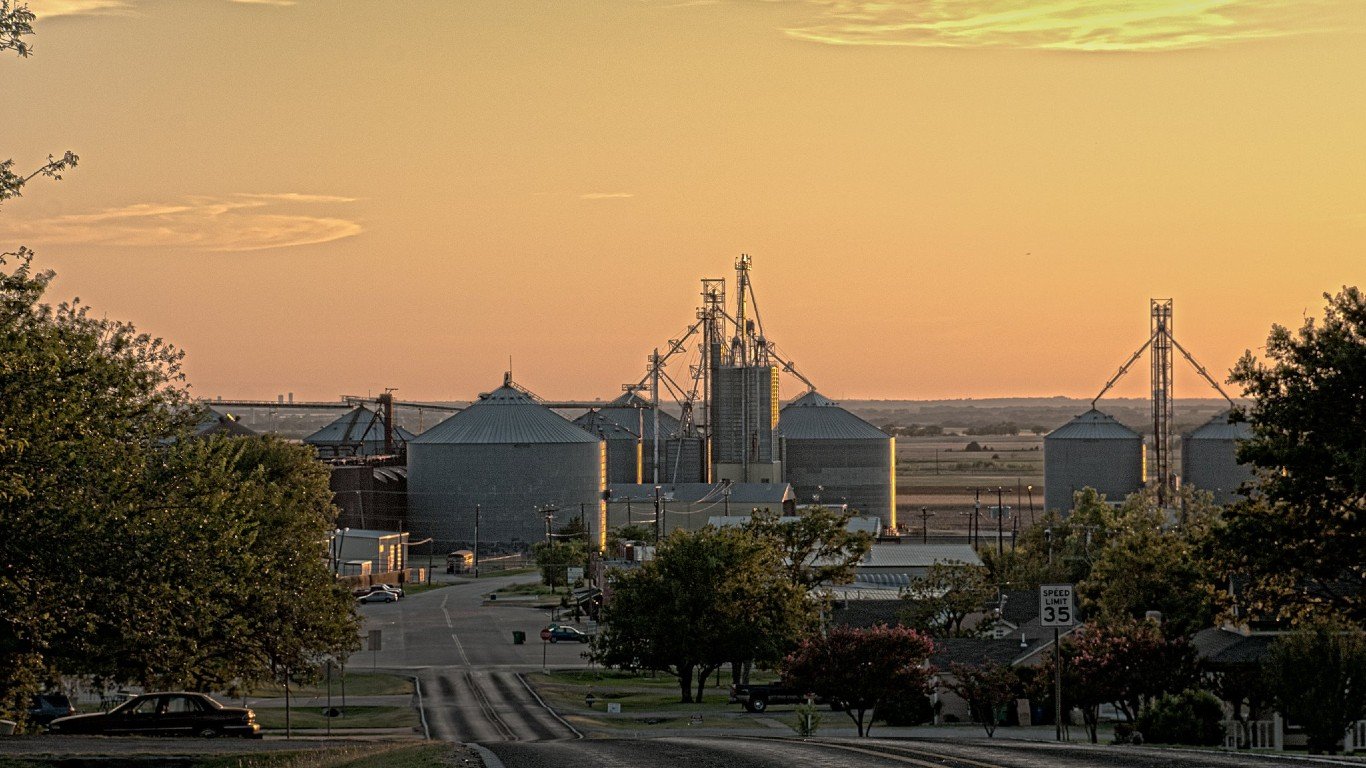
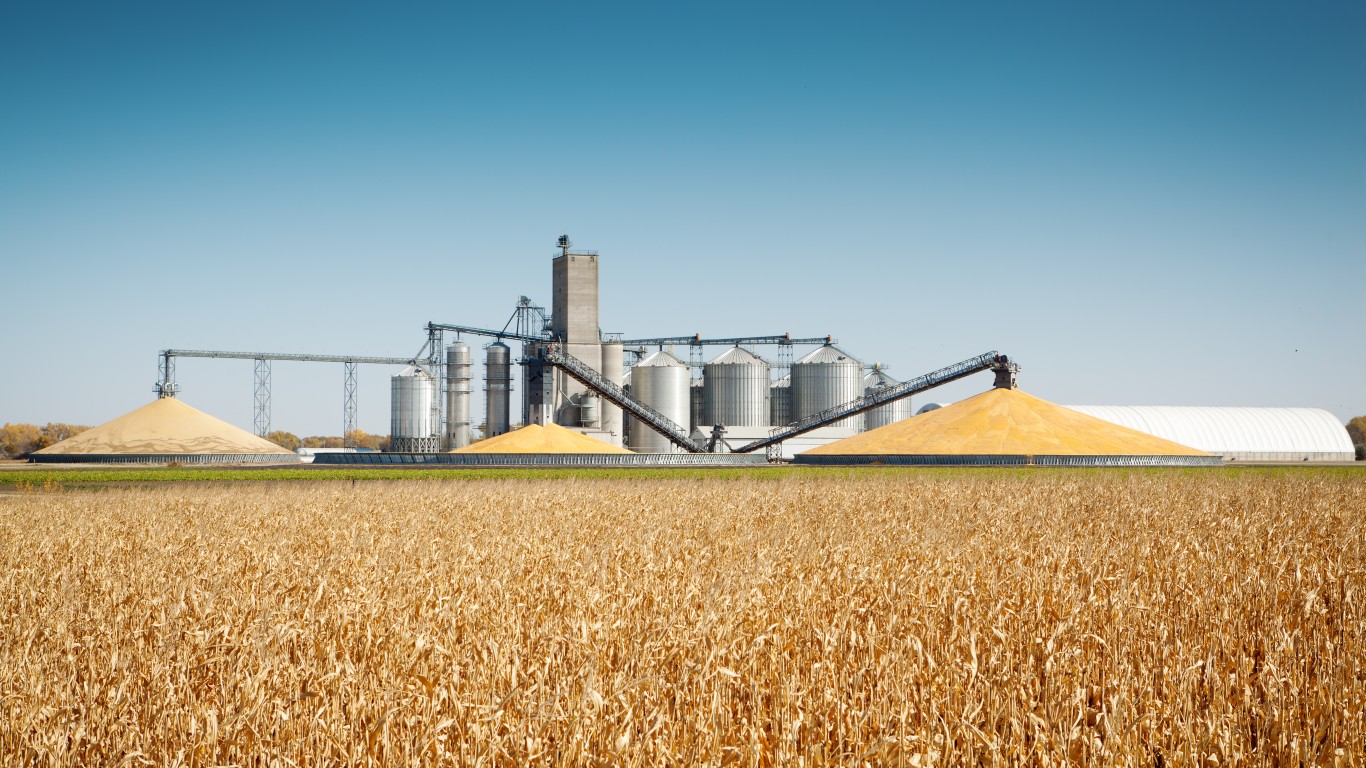
Picture a farmer in his mid-sixties who runs his last planting, brings in the crop and holds a machinery auction. The land goes to a neighbor. The equipment goes to the highest bidders. The grain stays in the bins.
He waits until the following year, watches the market and sells when the basis looks right. By then, he considers himself retired. The farm is gone. Surely moving grain harvested months ago is simply the last piece of liquidation. For tax purposes, not necessarily. For Social Security, the answer depends heavily on when he did the work.
The Crop Carries Its Work Date With It
Farmland and harvested grain occupy different tax buckets. Gain from the sale of farmland generally sits outside net earnings from self-employment. Harvested grain held for sale is farm inventory, and selling it can still produce self-employment income after the farmer has otherwise shut down. But Social Security asks another question: When did he do the work that produced the crop?
The Social Security Administration (SSA) has a special exclusion for certain self-employment income received after retirement, and carry-over crops are specifically included. Suppose he raised, harvested and stored the grain before becoming entitled to Social Security, then sold it in the following tax year. If the requirements are met, SSA can exclude that income when applying the retirement earnings test. Even arranging the sale or delivering stored grain after retirement does not necessarily change that result.
Same Grain Bin, Different Answer
Change the calendar and the outcome can flip. SSA gives an example of a farmer who began receiving Social Security in May, then cultivated, harvested and stored another crop through November. He sold that grain the following March for $30,000. The exclusion did not apply. The check arrived after the harvest year, but the farmer had performed substantial work producing the crop after his Social Security entitlement began.
That is the nuance: the important date may not be when the elevator writes the check. It can be when the farmer earned it. For someone below full retirement age (FRA), the difference can determine whether the sale gets swept into the retirement earnings test. In 2026, someone under FRA for the entire year can earn $24,480 before Social Security begins withholding $1 in benefits for every $2 above the limit.
It Can Count Here and Disappear There
The treatment gets stranger. Qualifying carry-over crop income can be excluded from the earnings test even though the underlying farm income remains subject to self-employment tax. The covered earnings can also remain on the farmer’s Social Security record for benefit-computation purposes. The same grain can:
- Generate self-employment income and tax.
- Be excluded from the retirement earnings test.
- Still count toward the farmer’s Social Security earnings record.
That is why “taxable” and “counts against Social Security” are not interchangeable. A large farm-income year can also affect how much of his Social Security is taxable and potentially raise Medicare premiums later through the income-related monthly adjustment amount (IRMAA). Any one of those is an IRS rule that quietly siphons money out of a retirement account, and we mapped this one alongside eight others in a free tax trap guide.
Before the Grain Leaves the Bin
Before the last crop moves, check three dates:
- When did Social Security entitlement begin? A crop produced before that point can receive different treatment from one produced afterward.
- When was the grain raised and harvested? The work behind the crop can be more important than the date it sells.
- When will the sale occur? The special exclusion applies to qualifying self-employment income received in a later tax year, and SSA may need information from the farmer to treat it correctly.
Selling the farm can end ownership in a day. The grain in the bin can carry the old business into another tax year.
Contact [email protected] for any questions or corrections.
Gerelyn Terzo is the author of dividend investing handbook "Dividend Investing Strategies: How to Have Your Cake & Eat It Too." A veteran financial journalist, she covers agri-finance for outlets like Global AgInvesting and the broader stock market and personal finance for 24/7 Wall Street. She began at CNBC and later helped launch Fox Business in New York. Gerelyn currently resides in Woodland Park, Colorado and dabbles in nature photography as a hobby.