Washington State’s New Stream Rules Can Take Trees Out of a Timber Harvest. Landowners May Get 90% of Their Value.
Washington's new stream rules took effect March 1, 2026, and they can force a small forest landowner to leave valuable timber standing right when he needed that harvest to fund retirement. Before he moves his Social Security date, there is…

This post may contain links from our sponsors and affiliates, and Flywheel Publishing may receive compensation for actions taken through them.

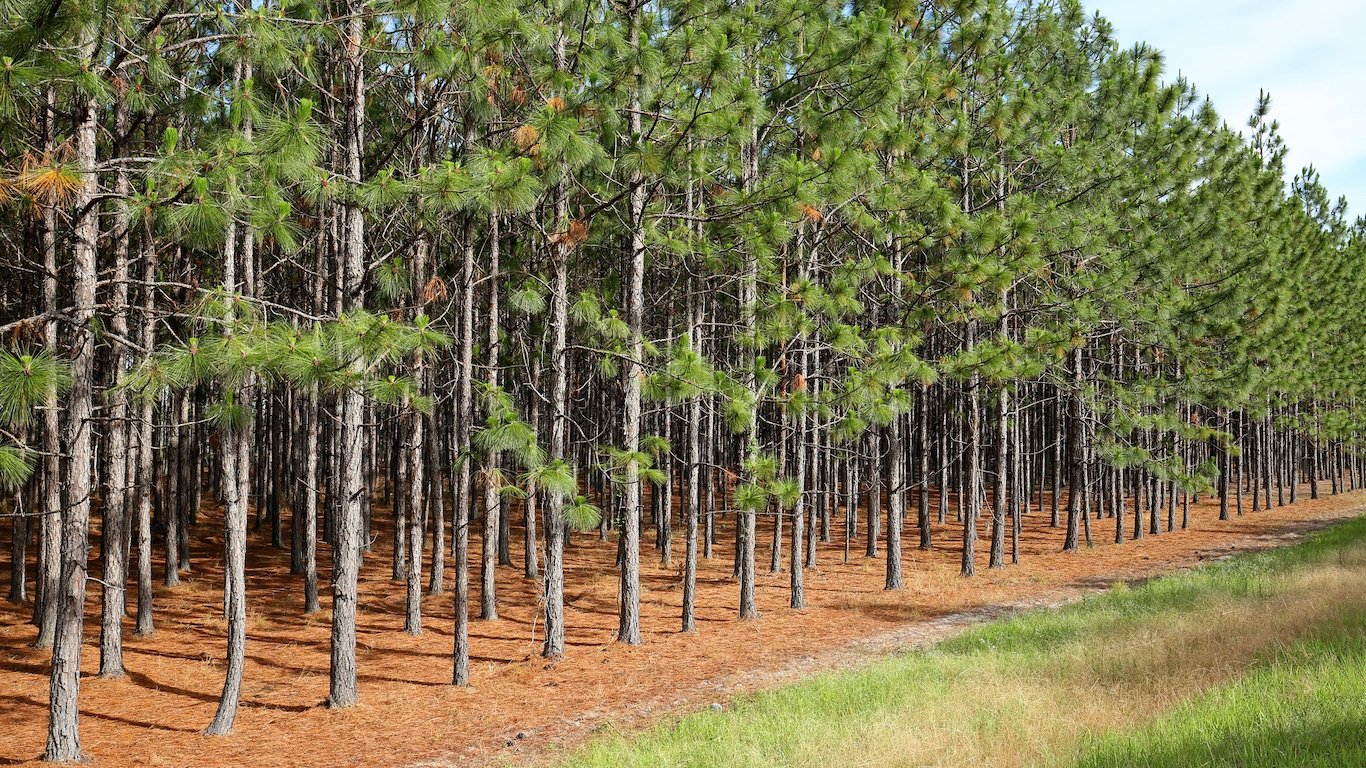
Picture a hypothetical 63-year-old Washington landowner who has managed a small family forest for decades. He has thinned it, replanted it and watched mature timber rise along a creek. One more harvest was supposed to help fund retirement. Sell the logs, put the proceeds aside and use the money to cover several years of expenses before claiming Social Security. Then the stream changes the calculation.
Washington State put permanent new water-typing rules into effect March 1, 2026. The system determines whether streams provide fish habitat and whether non-fish streams flow year-round or seasonally. Those classifications help determine the riparian protections required when timber is harvested. That can leave valuable trees standing inside a protected buffer.
For a landowner counting on those trees to finance the first few years of retirement, that sounds like a reason to rethink the Social Security calendar. Washington has another program that can change the math again.
Trees He Cannot Harvest Can Still Have Value
The state’s Forestry Riparian Easement Program (FREP) compensates qualifying small forest landowners for trees they are required to leave to protect fish habitat. Eligible landowners can receive 90% of the value of qualifying timber in exchange for granting Washington a 40-year conservation easement on those trees. The easement applies to the trees and does not provide public access to the property. The land stays his. The trees stay standing.
But much of their timber value can potentially arrive as cash anyway. For someone who planned a harvest at 63 specifically to finance the years before Social Security, that can preserve part of a retirement bridge he thought had disappeared.
The 90% Can Change the Social Security Decision
Without the harvest proceeds, claiming Social Security early may suddenly look more attractive. For someone born in 1960 or later, full retirement age (FRA) is 67. Starting retirement benefits at 63 instead would reduce the monthly amount by roughly 25% compared with waiting until FRA. That reduction generally follows him for life.
A FREP payment does not automatically make delaying Social Security the better choice. But recovering 90% of qualifying timber value can give him another source of money for the four-year gap. Filing three or four years earlier than intended is one of the hardest financial choices to undo, which is why we boiled the 62 versus 67 versus 70 question down to a single page in a free claiming framework.
The important point is that the stream rule and the Social Security decision should not be evaluated separately. Before assuming trees left standing force an earlier claim, the landowner needs to know what Washington may pay for them.
Not Every Buffer Produces a Check
The 90% figure comes with conditions. FREP is aimed at qualifying small forest landowners. The state generally looks at factors including the size of the operation, the proposed harvest and whether forest-practice rules require timber to remain. Compensation is also dependent on the property and program eligibility. Washington then measures and values the qualifying timber before making an offer.
Before changing a retirement date, three questions deserve answers:
- What type of water is actually on the property? Washington requires regulated waters around proposed harvest areas to be field-verified under its water-typing rules.
- Which trees must remain? The harvest plan and applicable forest-practice protections determine the affected area.
- Does the timber qualify for FREP compensation? The Small Forest Landowner Office determines eligibility and values the qualifying timber.
A stream buffer can take trees out of a planned harvest. For a qualifying Washington landowner, it does not necessarily take their value out of the retirement plan.
Contact [email protected] for any questions or corrections.
Gerelyn Terzo is the author of dividend investing handbook "Dividend Investing Strategies: How to Have Your Cake & Eat It Too." A veteran financial journalist, she covers agri-finance for outlets like Global AgInvesting and the broader stock market and personal finance for 24/7 Wall Street. She began at CNBC and later helped launch Fox Business in New York. Gerelyn currently resides in Woodland Park, Colorado and dabbles in nature photography as a hobby.