US Hog Inventory Fell 2% to 74.3 Million Head. Feeling Squeezed, He Switches to Contract Growing, and Social Security Still Counts the Pay
Switching to contract growing solved his cash flow problem, but a hidden rule ties his new income directly to every Social Security check he will ever receive, and most producers never see it coming until after they sign.

This post may contain links from our sponsors and affiliates, and Flywheel Publishing may receive compensation for actions taken through them.

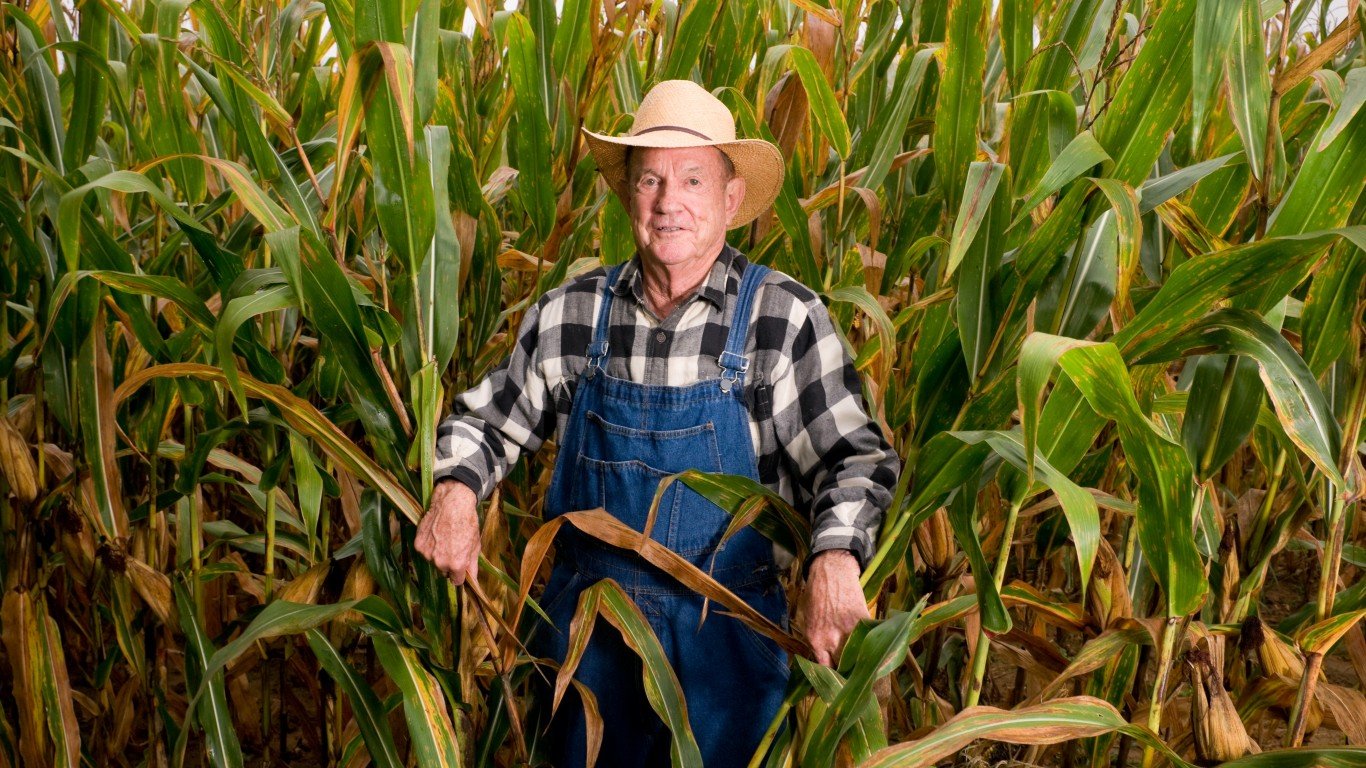
Picture a 64-year-old hog producer watching the industry consolidate around him. U.S. hog inventory fell 2% from a year ago to 74.3 million head, and the breeding herd dropped to its lowest level since 2013.
Contract growers are raising more of what remains. 56% of all U.S. hogs are now owned by operations with more than 5,000 head but raised by contract growers, up 4% from a year earlier.
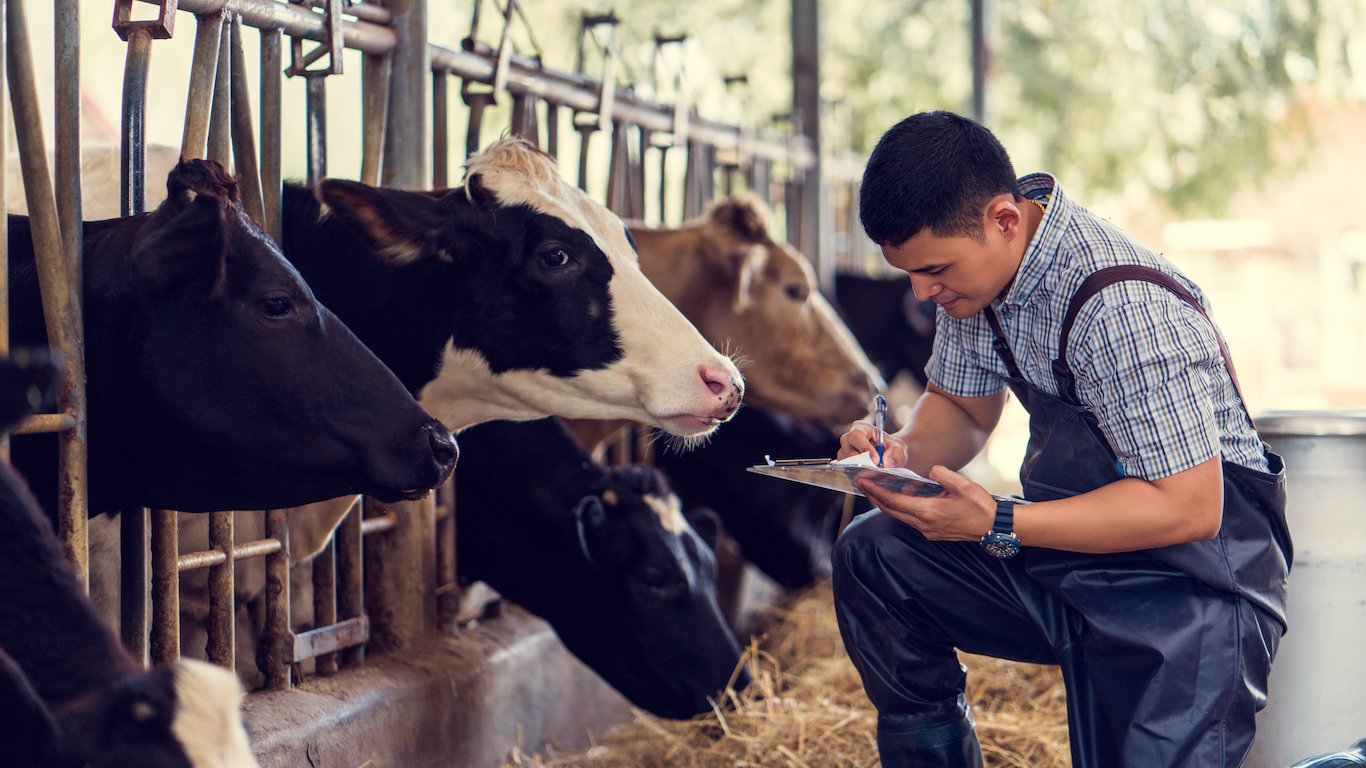
He isn’t ready to retire, so he moves part of his operation to contract growing. A larger company owns the hogs. He supplies the barns, labor and day-to-day care.
If he doesn’t own the animals, does Social Security still treat him as a working farmer? Under a typical arrangement, yes. If he hasn’t claimed yet, the answer affects every check he receives for the rest of his life.
Raising Someone Else’s Hogs Still Counts as Farm Work
Under a typical contract, a grower may get a fixed payment per head or other unit of production. The IRS says those payments belong on Schedule F. That is the farm profit-and-loss form, used when the grower supplies labor and takes on production risk. The net farm income is subject to self-employment tax, which funds Social Security for self-employed people.
So the hogs changed hands, but his role as a self-employed farmer can stay the same.
Why a $90,000 Contract Check Shrinks to About $32,000 of Credited Earnings
Say the company pays him $90,000 for the year. Feed, utilities, repairs, hired labor and other allowable expenses come to $55,000. That leaves a net farm profit of $35,000.
Self-employment tax applies to 92% of net profit, so about $32,300 gets credited to his earnings record. He pays roughly $4,900 in self-employment tax, covering both worker and employer shares.
Whether those earnings raise his future benefit depends on his work history. Social Security bases retirement benefits on your highest 35 years of earnings, adjusted for wage growth. A strong contract year can replace an early low-pay year or a year when hog prices collapsed, raising his lifetime benefit slightly.
The Social Security earnings statement shows every year on his record. Low years and zero years are the ones a new contract year could replace.
Claiming Early Turns That Same Income Into Withheld Checks
If he starts benefits before full retirement age (FRA), 67 for anyone born in 1960 or later, net self-employment earnings count toward the retirement earnings test. In 2026, the limit is $24,480 for people under full retirement age all year. Above that, Social Security deducts $1 for every $2 of earnings.
With about $32,323 in net earnings, roughly $3,922 of his benefits would be withheld for the year. At full retirement age, Social Security recalculates his benefit to give him credit for months affected by the earnings test. The same contract income that builds his record can therefore reduce his checks in the meantime.
Read the Contract Before Assuming He’s Self-Employed
If the hog owner controls how he does the work, the IRS says the relationship could be employer-employee instead. That changes how income is reported. This example assumes a typical independent arrangement where he supplies labor, runs facilities and takes real production risk, and the contract language counts for more than the “contract grower” label.
Before signing, he should get clear answers on four things:
- Ownership and pay: Who owns the hogs, and is he paid per head, per pound gained or per barn space?
- Daily control: Does the company set feeding, medication and labor schedules, or are those his decisions?
- Cost burden: Which utilities, repairs, manure handling and hired-help costs are his?
- Reporting and expected net: Will the income go on Schedule F, and what net profit can he realistically expect after expenses?
What a 64-Year-Old Contract Grower Should Weigh First
If he hasn’t claimed yet, each profitable contract year could replace a weak year in his benefit formula. Waiting until 67 to claim lets him keep farming without the retirement earnings test reducing his benefits. A tough mistake to undo is signing without knowing his expected net profit, because that number sets his tax bill, earnings credit and any withholding.
The U.S. hog herd is smaller than it was a year ago, while contract production accounts for a growing share of it. At 64, he can raise hogs he doesn’t own and still build his Social Security record, the best of both worlds.
Contact [email protected] for any questions or corrections.
Gerelyn Terzo is the author of dividend investing handbook "Dividend Investing Strategies: How to Have Your Cake & Eat It Too." A veteran financial journalist, she covers agri-finance for outlets like Global AgInvesting and the broader stock market and personal finance for 24/7 Wall Street. She began at CNBC and later helped launch Fox Business in New York. Gerelyn currently resides in Woodland Park, Colorado and dabbles in nature photography as a hobby.