The Grain Co-op Called His $18,000 Check a Dividend. Social Security Called It Farm Earnings.
A wheat farmer collects Social Security at 63, spots the word dividend on his co-op check, and assumes the IRS and SSA will see what he sees. They do not, and the gap between that assumption and reality shows up…

This post may contain links from our sponsors and affiliates, and Flywheel Publishing may receive compensation for actions taken through them.
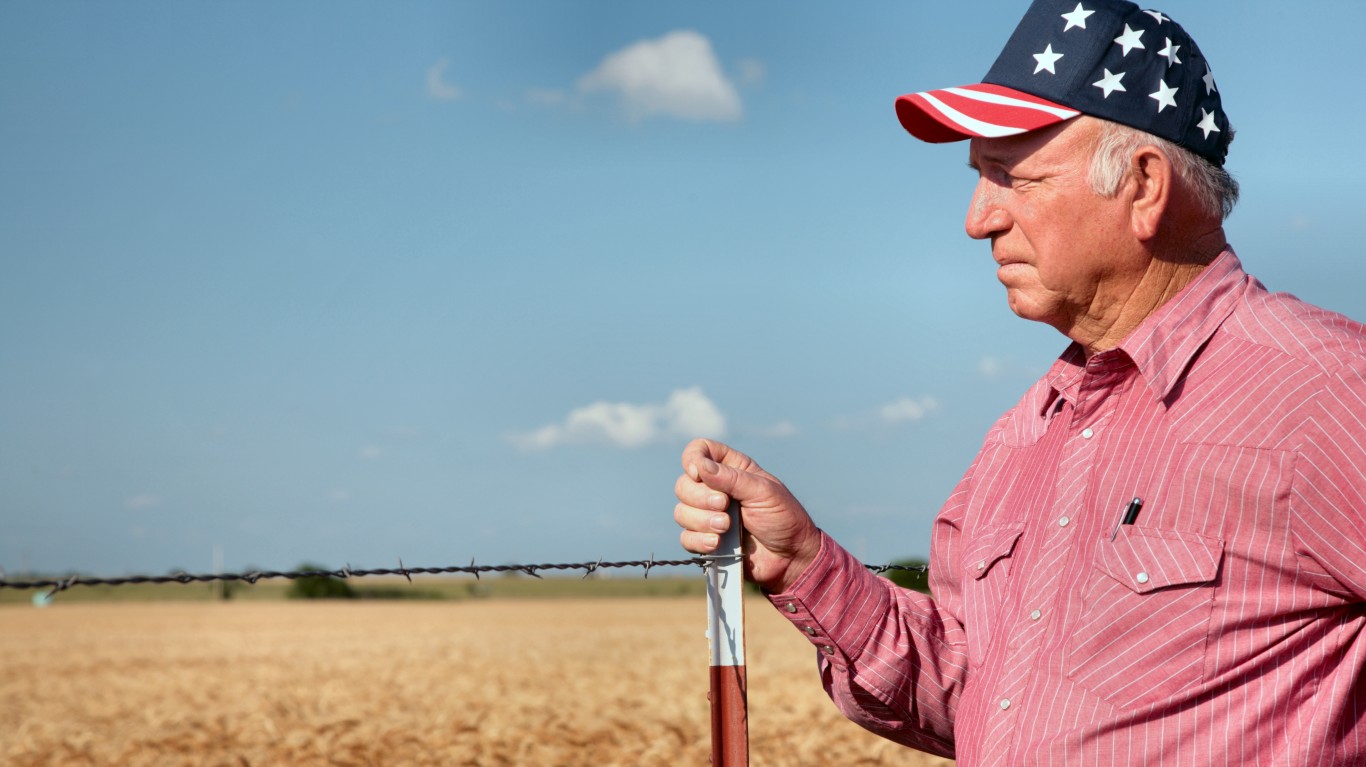
A wheat farmer in his mid-60s claims Social Security at 63 but continues farming. In February, his grain cooperative mails an $18,000 check labeled a patronage dividend. He assumes it lands in the same bucket as mutual fund dividends: investment income, unrelated to work. His accountant reports it as farm income on Schedule F, pushing his combined net earnings above Social Security’s annual limit. That word on the check stub, dividend, is doing work it should not be doing.
Variations show up in farm-country tax discussions every winter. A co-op sends a five-figure distribution reported on Form 1099-PATR, and the producer learns that Social Security may treat it as earned income. The label sounds passive. The tax and benefits treatment often is not.
Why the Word “Dividend” Misleads Here
A true investment dividend comes from stock you own as an outside investor. It is passive, does not count against the Social Security earnings test, and does not owe self-employment tax. A cooperative patronage dividend is different. Grain, dairy, and farm-supply cooperatives distribute earnings back to member-producers based on business those members did with the co-op. Because that distribution arises from the member’s farming trade or business, it is generally treated as farm income, reported on Schedule F, and folded into net self-employment earnings. Many per-unit retain allocations receive similar treatment. The co-op is settling up on business you conducted as a producer, not paying you as an outside investor.
That classification matters in two places. First, the payment can increase net farm earnings subject to self-employment tax. Second, and this catches early claimers off guard, those earnings can count under the Social Security retirement earnings test.
The Earnings Test Trap for Early Claimers
If you claim Social Security before full retirement age (FRA), currently 67 for people born in 1960 or later, the Social Security Administration (SSA) measures earned income against an annual limit. In 2026, someone under FRA all year can earn $24,480 before benefits are withheld at $1 for every $2 above the limit. Wages count. Net self-employment earnings count. Patronage dividends tied to farm business conducted while collecting benefits generally enter that self-employment figure.
The hit for claiming early is already meaningful on its own. Filing at 62 can cut your monthly benefit by up to 30% compared with your FRA amount, and that haircut is permanent. Layer the earnings test on top, and a farmer who assumed his co-op distribution was passive can find part of this year’s benefit withheld too. The withheld portion is not lost forever. Social Security increases the benefit after FRA to account for months in which benefits were reduced or withheld. But the cash-flow hit lands in the year you least expected it.
Timing creates an important exception. Self-employment income received after the first year of entitlement may be excluded from the earnings test when it stems from substantial work performed before benefits began. A co-op payment reflecting grain delivered or services performed before retirement may qualify. A payment generated by farming after the claim date generally will not.
The earnings-test problem disappears once you reach FRA. At that point, an $18,000 patronage check will not shrink your gross monthly benefit, although it may still carry tax consequences.
How It Interacts With the Rest of the Picture
Farm income enters the calculation that determines how much of your Social Security is federally taxable. A large distribution can cause more of your benefit, up to 85%, to become taxable and may push other income into a higher bracket. The 2.8% cost-of-living adjustment for 2026 bumps benefits up modestly, but a surprise co-op check can easily swamp that increase on the tax side.
The planning lever is timing, but not simply when you deposit the check. If a large patronage distribution is expected and you are between 62 and full retirement age, consider whether claiming can wait and ask the co-op when the payment will be issued and what business period it reflects. Waiting until full retirement age avoids the early-filing reduction and the earnings test. Delaying longer earns additional retirement credits up to age 70.
What to Do Before Cashing the Check
Leaving the check uncashed does not necessarily move the income into another year. Get the reporting facts first.
- Ask your co-op and tax preparer how the distribution will be reported and what business activity generated it. A Form 1099-PATR tied to farming generally flows to Schedule F, not the investment-income line.
- If you are collecting Social Security before full retirement age, calculate your total net earnings before assuming the check is invisible. If the payment reflects work performed before your initial entitlement, ask Social Security whether the self-employment income exclusion applies.
The deciding questions are not what the co-op calls the payment or when you deposit it. They are what business generated it, when that work occurred, and where the amount lands on the tax return. Those answers determine whether Social Security sees a dividend or earnings.
Contact [email protected] for any questions or corrections.
Gerelyn Terzo is the author of dividend investing handbook "Dividend Investing Strategies: How to Have Your Cake & Eat It Too." A veteran financial journalist, she covers agri-finance for outlets like Global AgInvesting and the broader stock market and personal finance for 24/7 Wall Street. She began at CNBC and later helped launch Fox Business in New York. Gerelyn currently resides in Woodland Park, Colorado and dabbles in nature photography as a hobby.