Wild Horse Herds Can Double Every 4 to 5 Years. If a 64-Year-Old Rancher Sells Breeding Cattle as Forage Tightens, Social Security May Count $0 of the Sale as Earnings
When rangeland dries up and a rancher culls his breeding herd, the cattle check that lands in his account may not exist at all in Social Security's eyes, and understanding why requires untangling a rule that catches most early claimers…

This post may contain links from our sponsors and affiliates, and Flywheel Publishing may receive compensation for actions taken through them.

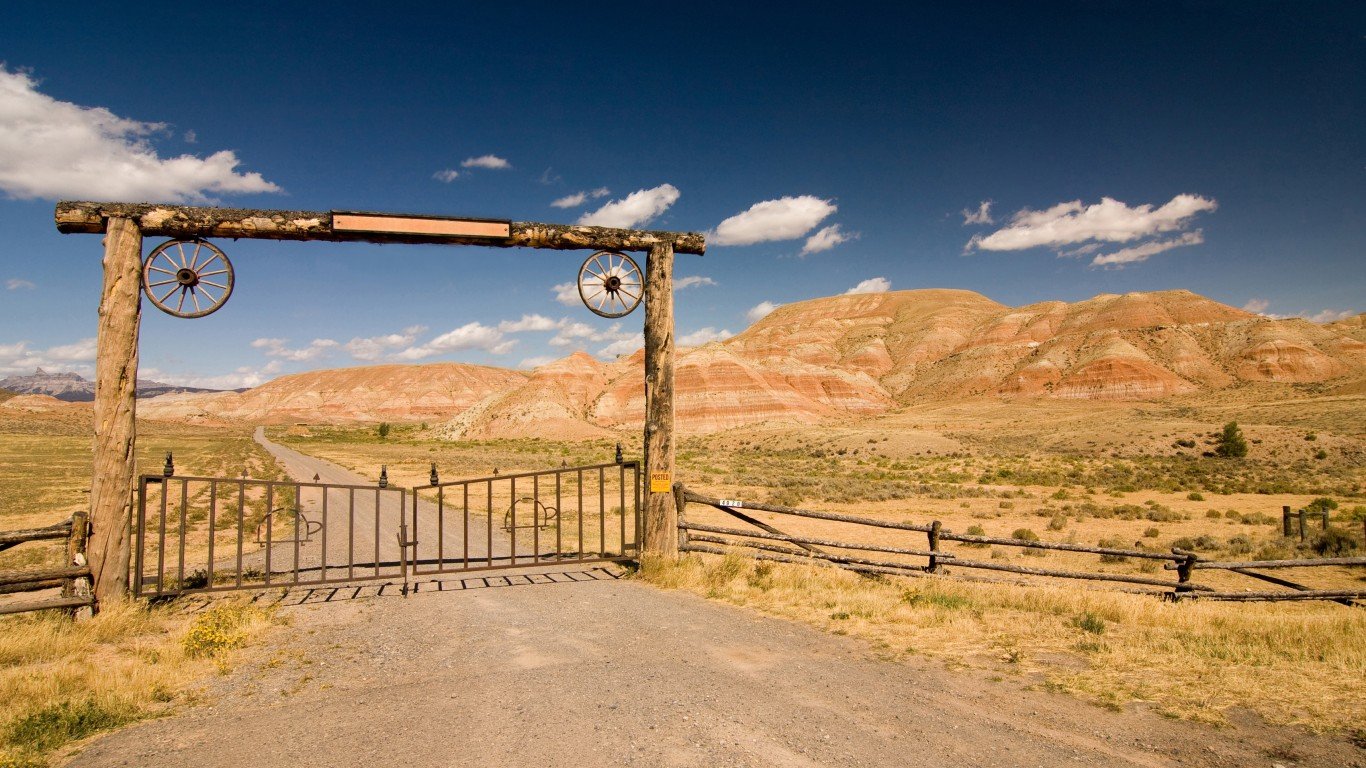
The Bureau of Land Management removed 226 wild horses from Idaho’s Challis herd in September. The agency cited overpopulation, drought and pressure on the grass and water that wildlife and livestock share. It says wild horse populations can double every four to five years without intervention. So the squeeze on rangeland rarely lets up by itself.
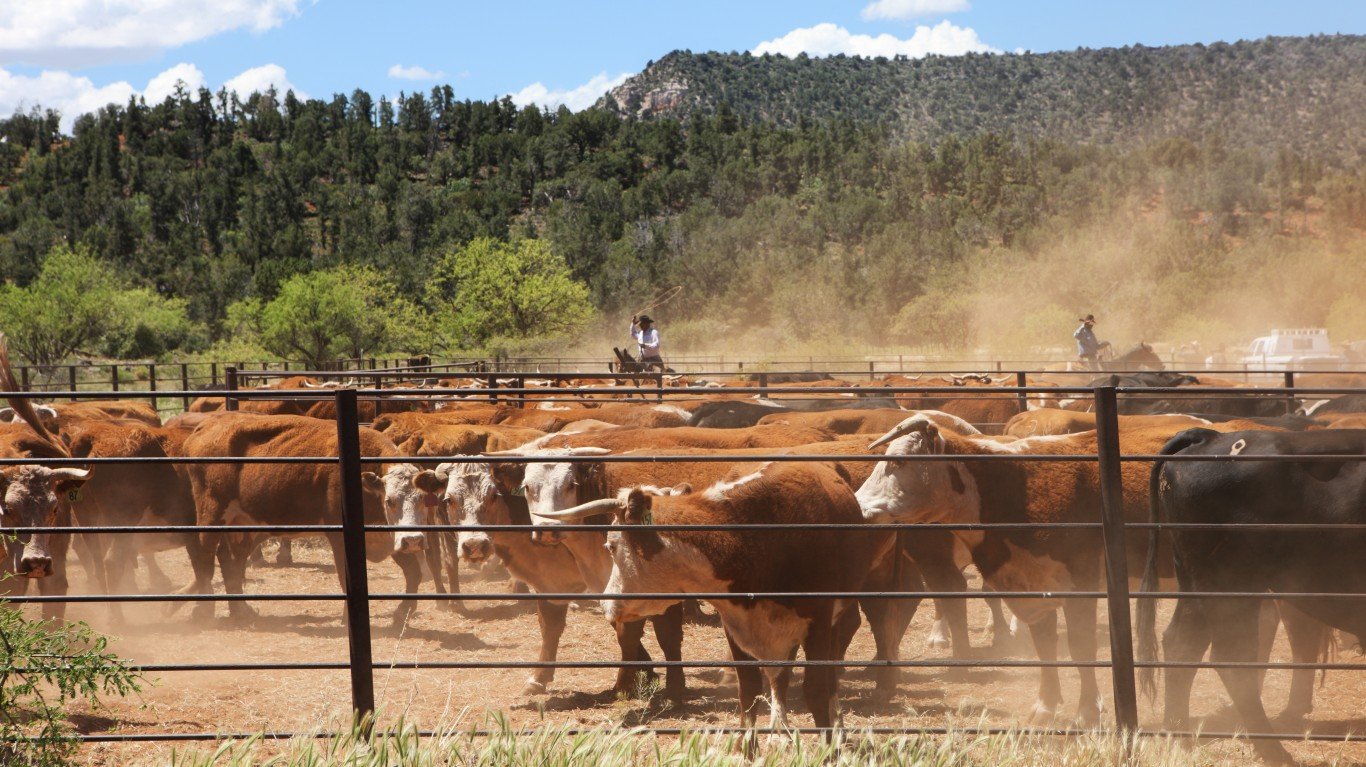
A hypothetical 64-year-old rancher dealing with that pressure already collects Social Security. The grass is thinning out, so he cuts his herd to avoid buying hay. A large livestock check looks like income that triggers Social Security’s retirement earnings test. That’s how often this catches people off guard.
But the rules may work in his favor. If those cattle were really held for breeding and not mainly for sale, Social Security may count $0 of the sale as earnings.
Why a Big Cattle Check Can Leave Social Security Untouched
Before full retirement age (FRA), the earnings test generally looks at wages and net earnings from self-employment. Social Security leaves out gains or losses from selling property that wasn’t held mainly for sale to customers in the ordinary course of business.
Livestock held for breeding, dairy, draft or sporting purposes can fall into that excluded group, since a breeding cow is equipment that produces calves, much like a tractor produces crops. Selling the tractor is a different transaction from selling the crop it helped grow.
Selling mature breeding cows because pasture is scarce doesn’t automatically create earnings for the test. The cash is real and may be taxed, but the sale may fall outside what Social Security counts as earnings.
Breeding Cows and Market Calves Land in Different Buckets
Picture two sales of the same size. In the first, he sells $60,000 of breeding cows from his productive herd. That sale may add nothing to his earnings-test income.
In the second, he sells $60,000 of calves or cattle raised mainly for market. That money flows into the farm’s business income. After feed, vet bills and other expenses, what’s left is net self-employment earnings, and that net figure counts.
The key question is why he kept the animals before the sale. Herd records explain how the sale is treated. Many herd-reduction sales include market animals that count toward the earnings test.
Running the Numbers at 64 With a $24,480 Limit
At 64, he hasn’t yet reached his FRA of 67. Assuming he started benefits before 2026, the annual earnings test applies. The 2026 limit is $24,480. Social Security deducts $1 for every $2 he earns above that.
Say he has $20,000 of other work earnings covered by Social Security, and he sells $60,000 of qualifying breeding cattle. If the cattle sale is excluded, his countable earnings stay at $20,000. That’s $4,480 under the limit. Nothing is withheld, even though far more cash landed in his account that year.
Swap in $60,000 of net farm self-employment earnings from ordinary livestock sales. His countable earnings rise to $80,000, and about $27,760 in benefits could be withheld. For many early claimers, that’s most or all of a year’s checks.
The test counts net self-employment earnings, not gross sale proceeds. A market-cattle sale with heavy feed costs produces less countable income than the check suggests. At FRA, Social Security recalculates his benefit to credit him for months when checks were withheld.
Your Tax Return Can Tell a Different Story
This is where readers get tripped up. The IRS and Social Security can look at the same cattle sale and ask different questions. The question for Social Security is whether the sale counts as earnings. The IRS asks whether there was a taxable gain.
Federal tax rules for breeding livestock sales depend on cost basis, depreciation, holding period and gain size. Cows raised on the ranch often have little or no basis, so a sale excluded from the earnings test can still show taxable gain on the return.
Four Questions to Answer Before the Trailer Pulls Up
- Purpose: Were these animals held for breeding, dairy, work or another qualifying productive use? A heifer kept to replace an older cow differs from a steer fed for market.
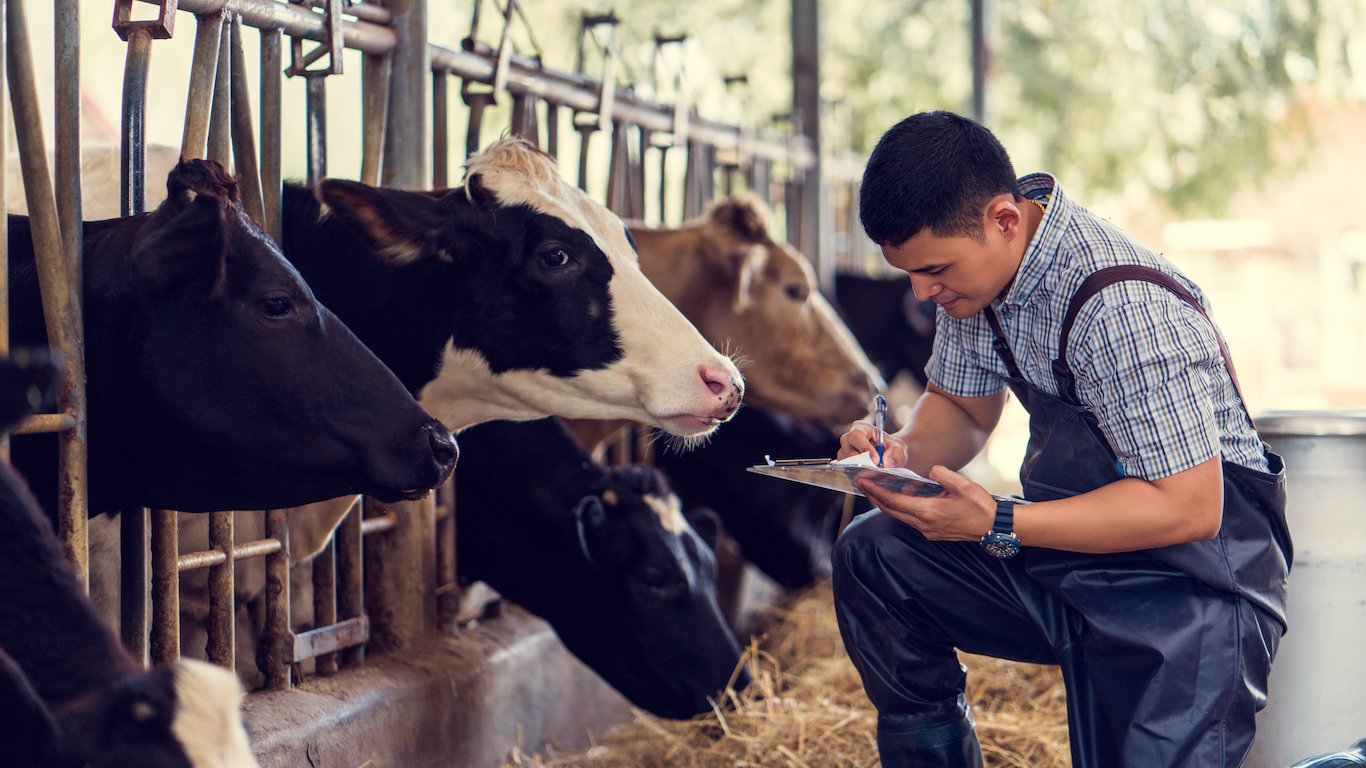
- History: Can records show the animals were part of the breeding herd, not inventory for sale? Calving records, ear tags and depreciation schedules help.
- Other earnings: How much wage or net self-employment income will he have apart from the cattle sale? That figure, compared with $24,480, determines whether withholding starts.
- Reporting: How will the sale appear on the tax return, and does that match records Social Security would need if it questions his earnings? Alignment is his best protection.
A drought-driven herd reduction can put tens of thousands of dollars in a rancher’s bank account without putting those same dollars into Social Security’s earnings-test math. When grass gets scarce, the reason he owned the cattle can matter almost as much as the sale price. Working while collecting benefits comes with a handful of traps like this one, which is why we put together a free semi-retirement playbook that walks through all four.
Every operation keeps records its own way. A small detail like how one cow was classified can change the result. A conversation with a farm tax preparer before the sale is time well spent.
Contact [email protected] for any questions or corrections.
Gerelyn Terzo is the author of dividend investing handbook "Dividend Investing Strategies: How to Have Your Cake & Eat It Too." A veteran financial journalist, she covers agri-finance for outlets like Global AgInvesting and the broader stock market and personal finance for 24/7 Wall Street. She began at CNBC and later helped launch Fox Business in New York. Gerelyn currently resides in Woodland Park, Colorado and dabbles in nature photography as a hobby.