The Booming Suburb That Gained 113,000 New Residents In The Last 10 Years
As skyrocketing housing costs and the rise of remote work are untethering workers from downtowns and urban centers, more Americans are moving to live in the suburbs. While the principal cities of metropolitan statistical areas grew by 5.9% from 2013…

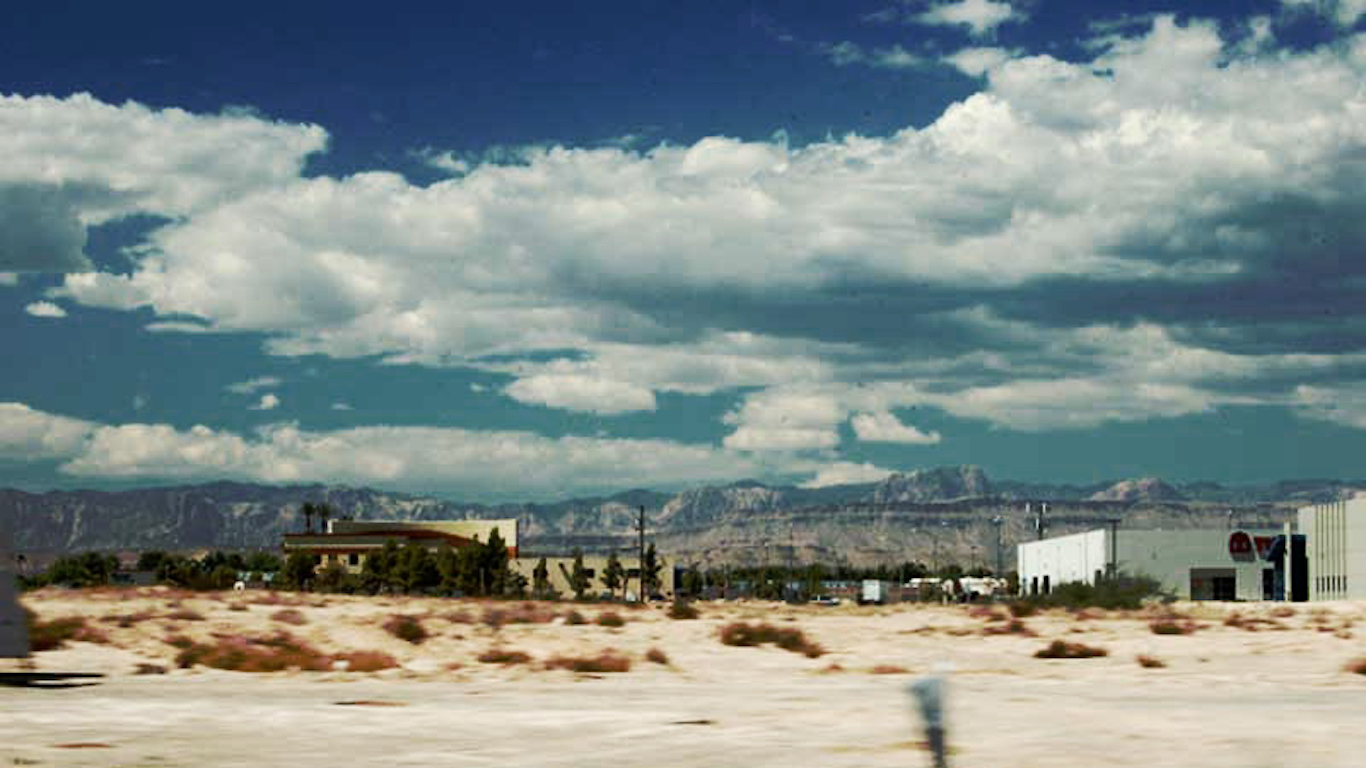
As skyrocketing housing costs and the rise of remote work are untethering workers from downtowns and urban centers, more Americans are moving to live in the suburbs. While the principal cities of metropolitan statistical areas grew by 5.9% from 2013 to 2023, the populations of outer suburbs grew by 11.9% over the same period. Dozens of suburbs added more than 25,000 residents each in just a decade.
Many of the fastest-growing suburbs are in metro areas in the Sun Belt and Mountain West. Of the 40 suburbs that added the most residents from 2013 to 2023, five are in the Dallas metro area, four are in the Phoenix metro area, and four are in the Houston metro area. Several are more than 30 miles away from their anchor city, signaling a decrease in dependence on downtowns. A closer look at the data reveals the suburbs adding the most residents.
To determine the cities with the fastest growing suburbs, 24/7 Wall St. reviewed data on historical population from the U.S. Census Bureau’s American Community Survey. Suburbs of metropolitan statistical areas were ranked based on raw population change from 2013 to 2023. Suburbs were assigned to principal cities based on boundary definitions and delineation files from the U.S. Census Bureau. Supplemental data on median household income, average home value, total population, and industry concentration are also from the Census Bureau.
40. Dublin, CA (San Francisco metro area)

- Population increase, 2013-2023: +22,900 residents (+48.1% increase)
- Residents working outside of suburb: 59.2% of workers
- Distance to principal city center: 43.7 miles
- Median household income: $205,046
- Average home value: $914,185
- Total population: 70,542 residents
- Most concentrated economic sectors: Professional, scientific, and technical services, information, management of companies and enterprises, utilities, finance and insurance
39. Ankeny, IA (Des Moines metro area)

- Population increase, 2013-2023: +22,956 residents (+48.2% increase)
- Residents working outside of suburb: 57.7% of workers
- Distance to principal city center: 10.9 miles
- Median household income: $106,603
- Average home value: $231,039
- Total population: 70,542 residents
- Most concentrated economic sectors: Management of companies and enterprises, finance and insurance, wholesale trade, educational services, construction
38. Westchester, FL (Miami metro area)
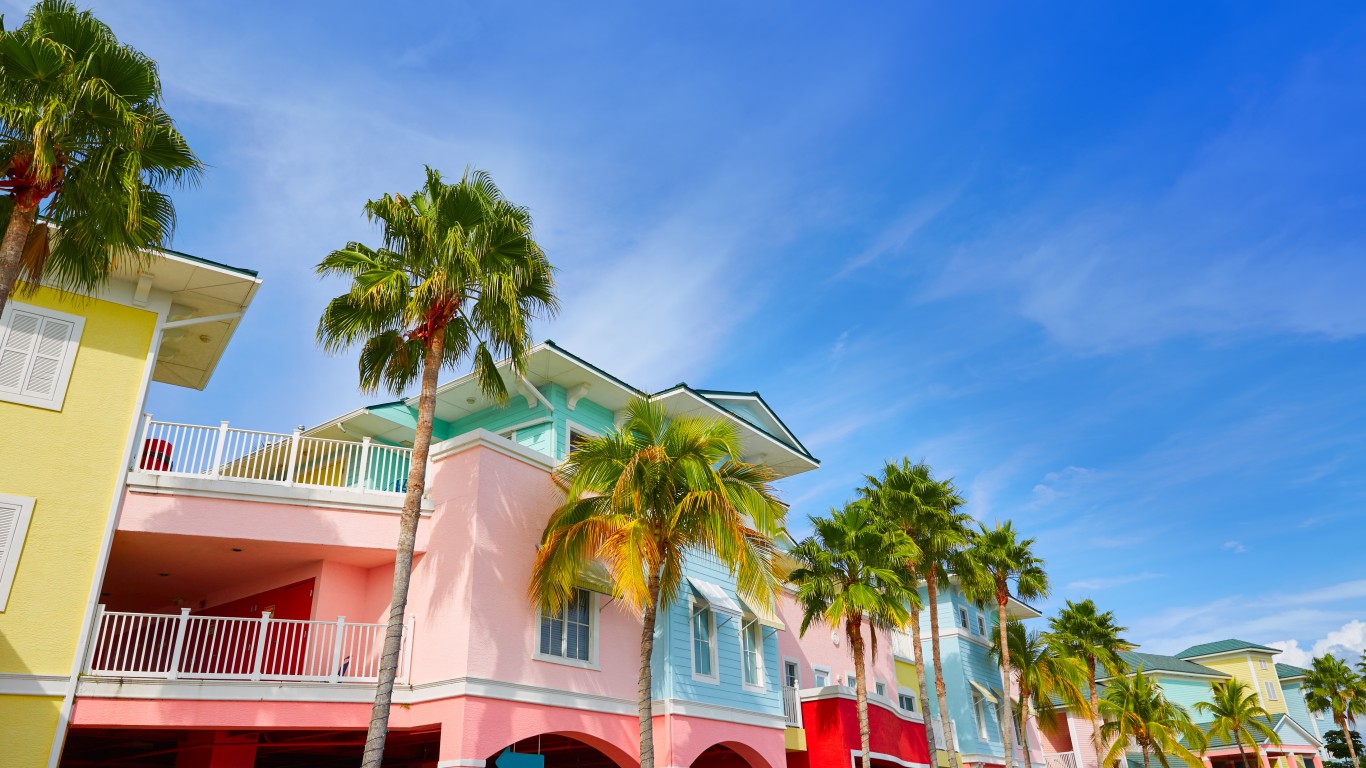
- Population increase, 2013-2023: +22,969 residents (+76.3% increase)
- Residents working outside of suburb: 79.6% of workers
- Distance to principal city center: 9.1 miles
- Median household income: $75,905
- Average home value: $330,546
- Total population: 53,082 residents
- Most concentrated economic sectors: Other services, except public administration, construction, transportation and warehousing, information, real estate and rental and leasing
37. Kyle, TX (Austin metro area)
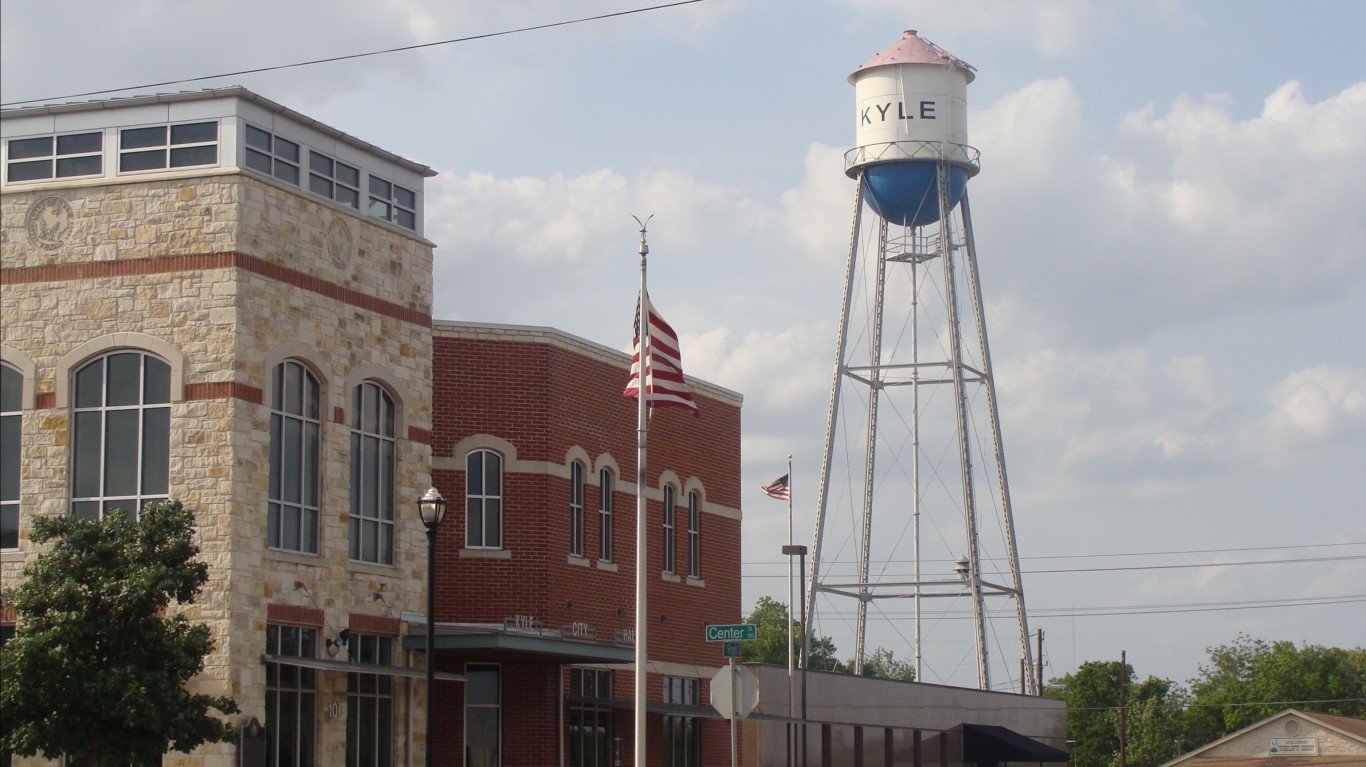
- Population increase, 2013-2023: +23,043 residents (+78.4% increase)
- Residents working outside of suburb: 70.6% of workers
- Distance to principal city center: 22.5 miles
- Median household income: $89,645
- Average home value: $211,296
- Total population: 52,439 residents
- Most concentrated economic sectors: Construction, management of companies and enterprises, public administration, educational services, retail trade
36. Nampa, ID (Boise metro area)
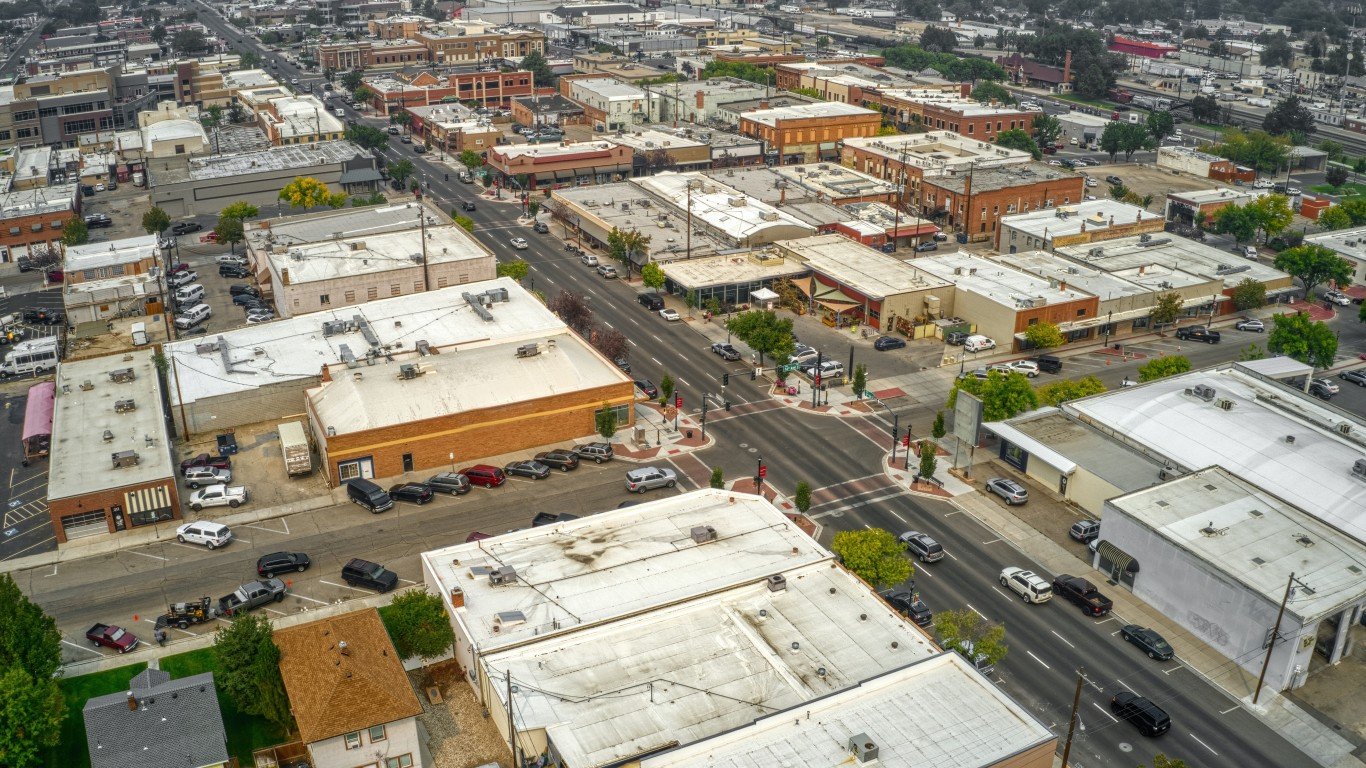
- Population increase, 2013-2023: +23,149 residents (+27.8% increase)
- Residents working outside of suburb: 53.0% of workers
- Distance to principal city center: 16.7 miles
- Median household income: $72,122
- Average home value: $259,718
- Total population: 106,289 residents
- Most concentrated economic sectors: Construction, agriculture, forestry, fishing and hunting, administrative and support and waste management services, wholesale trade, other services, except public administration
35. Spring Hill, TN (Nashville metro area)

- Population increase, 2013-2023: +23,437 residents (+77.7% increase)
- Residents working outside of suburb: 66.2% of workers
- Distance to principal city center: 30.4 miles
- Median household income: $106,658
- Average home value: $354,651
- Total population: 53,585 residents
- Most concentrated economic sectors: Management of companies and enterprises, finance and insurance, arts, entertainment, and recreation, retail trade, manufacturing
34. Little Elm, TX (Dallas metro area)
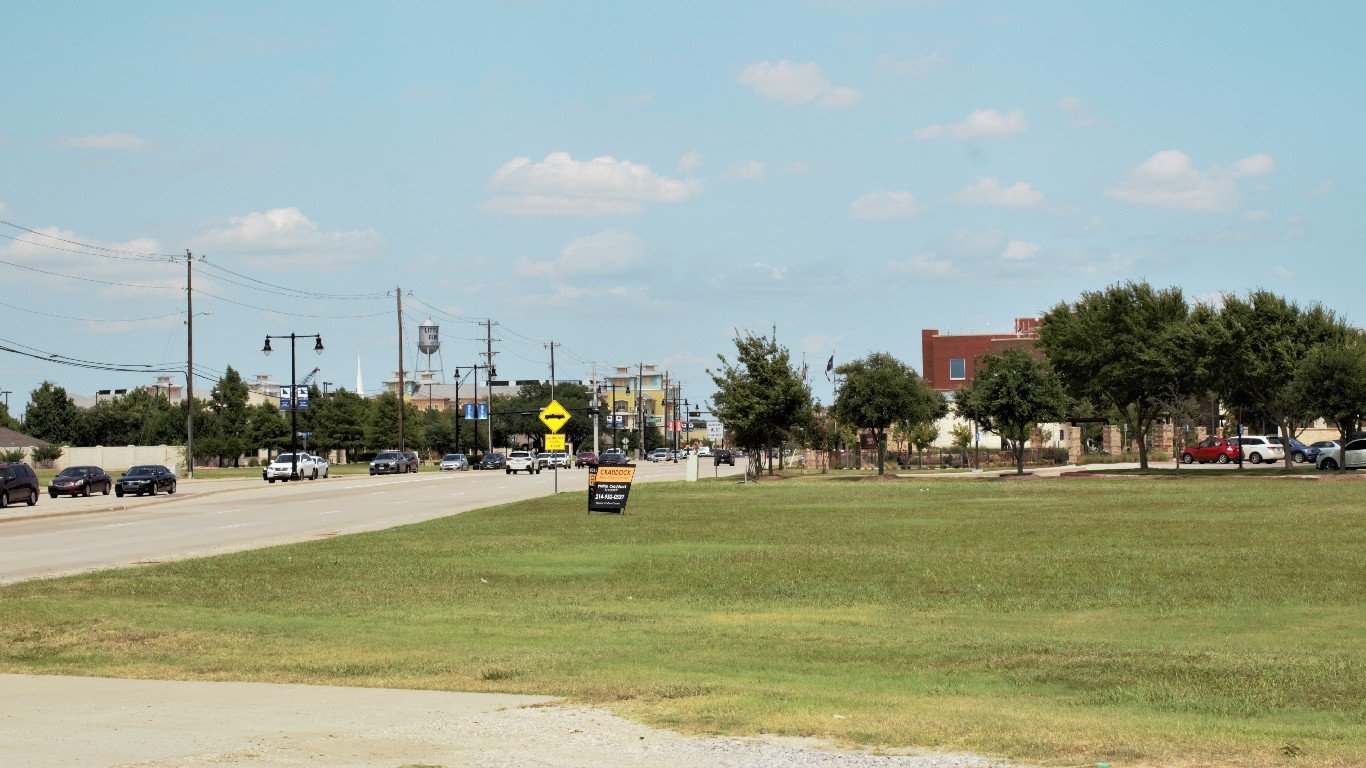
- Population increase, 2013-2023: +23,460 residents (+83.9% increase)
- Residents working outside of suburb: 69.1% of workers
- Distance to principal city center: 28.7 miles
- Median household income: $116,036
- Average home value: $265,768
- Total population: 51,426 residents
- Most concentrated economic sectors: Management of companies and enterprises, finance and insurance, information, arts, entertainment, and recreation, professional, scientific, and technical services
33. Prosper, TX (Dallas metro area)
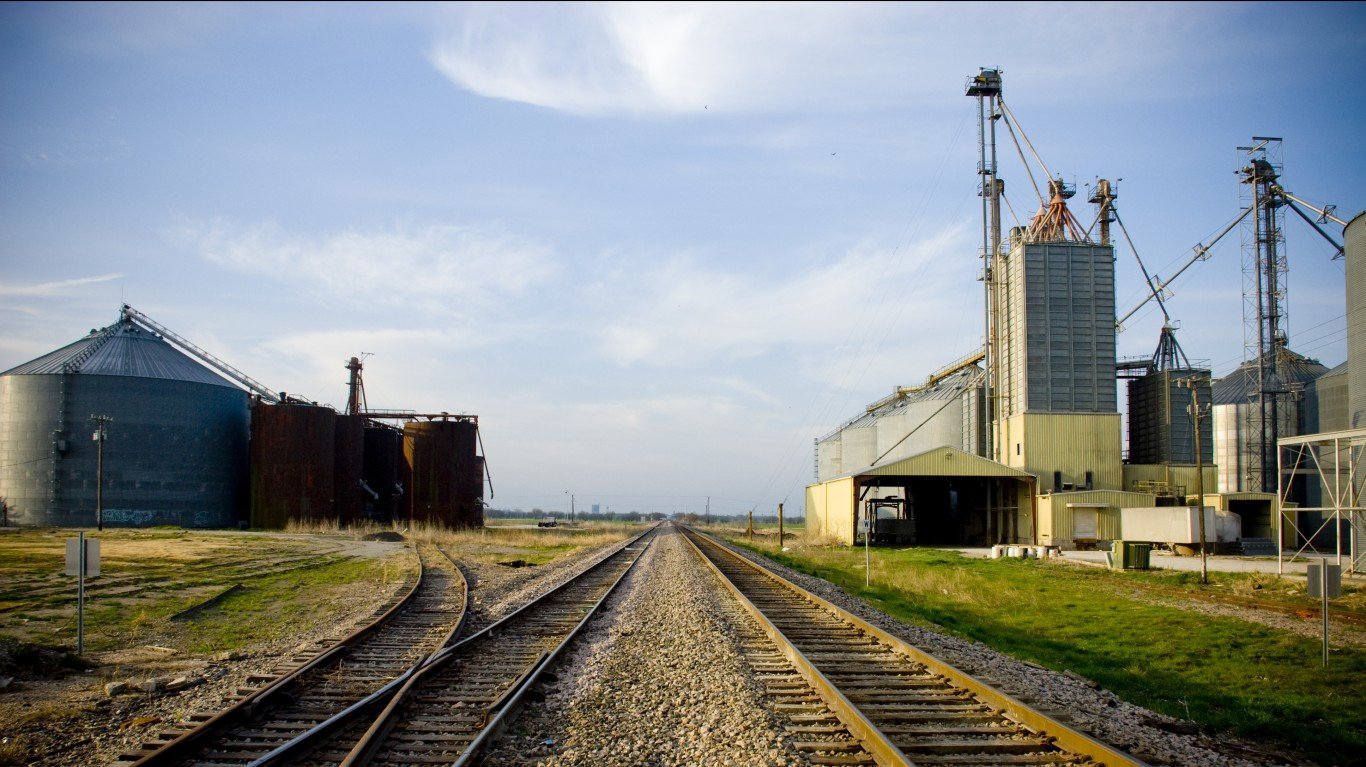
- Population increase, 2013-2023: +23,598 residents (+215.1% increase)
- Residents working outside of suburb: 57.0% of workers
- Distance to principal city center: 30.9 miles
- Median household income: $187,603
- Average home value: $713,715
- Total population: 34,567 residents
- Most concentrated economic sectors: Management of companies and enterprises, mining, quarrying, and oil and gas extraction, finance and insurance, real estate and rental and leasing, professional, scientific, and technical services
32. St. Cloud, FL (Orlando metro area)

- Population increase, 2013-2023: +24,058 residents (+63.5% increase)
- Residents working outside of suburb: 71.0% of workers
- Distance to principal city center: 17.1 miles
- Median household income: $76,196
- Average home value: $227,463
- Total population: 61,963 residents
- Most concentrated economic sectors: Arts, entertainment, and recreation, accommodation and food services, transportation and warehousing, management of companies and enterprises, administrative and support and waste management services
31. Saratoga Springs, UT (Provo metro area)
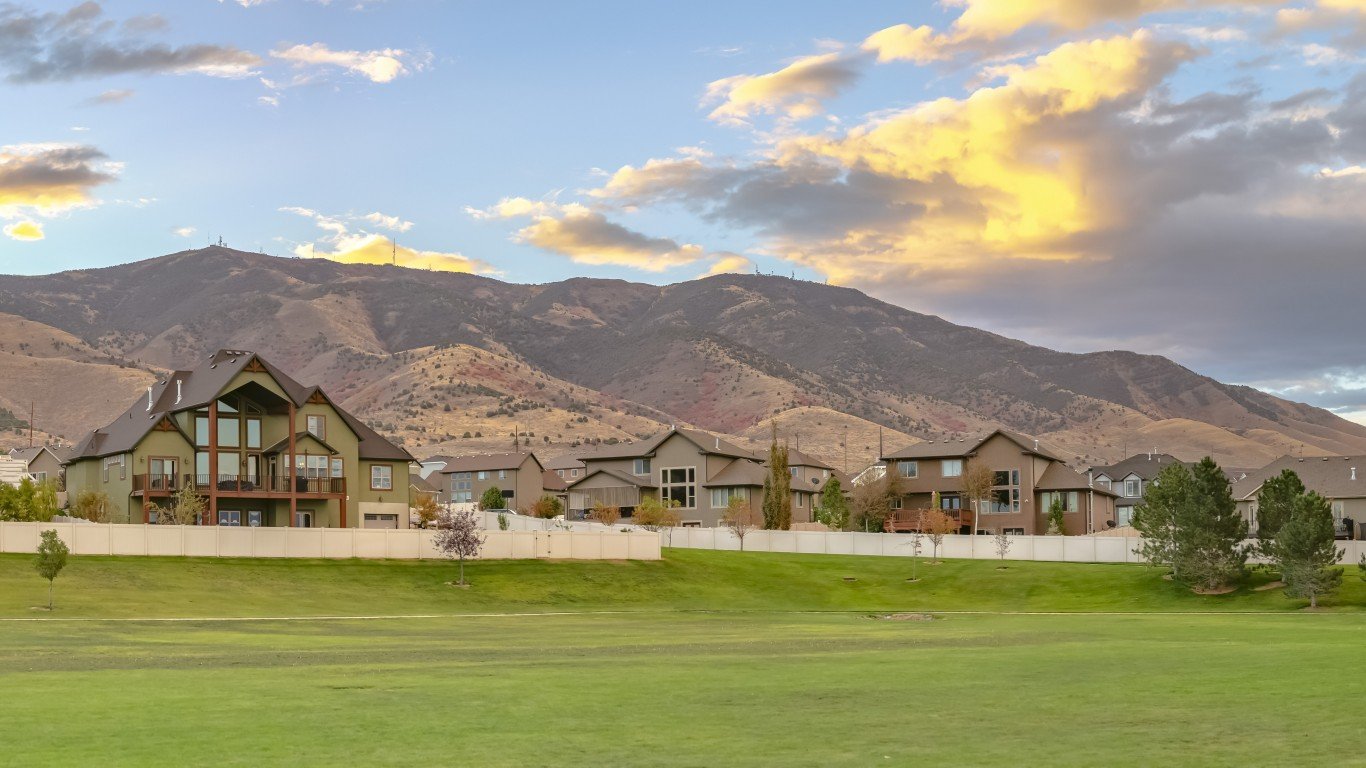
- Population increase, 2013-2023: +24,562 residents (+125.9% increase)
- Residents working outside of suburb: 62.5% of workers
- Distance to principal city center: 15.8 miles
- Median household income: $123,619
- Average home value: $474,229
- Total population: 44,070 residents
- Most concentrated economic sectors: Finance and insurance, professional, scientific, and technical services, information, educational services, retail trade
30. Lehigh Acres, FL (Cape Coral metro area)
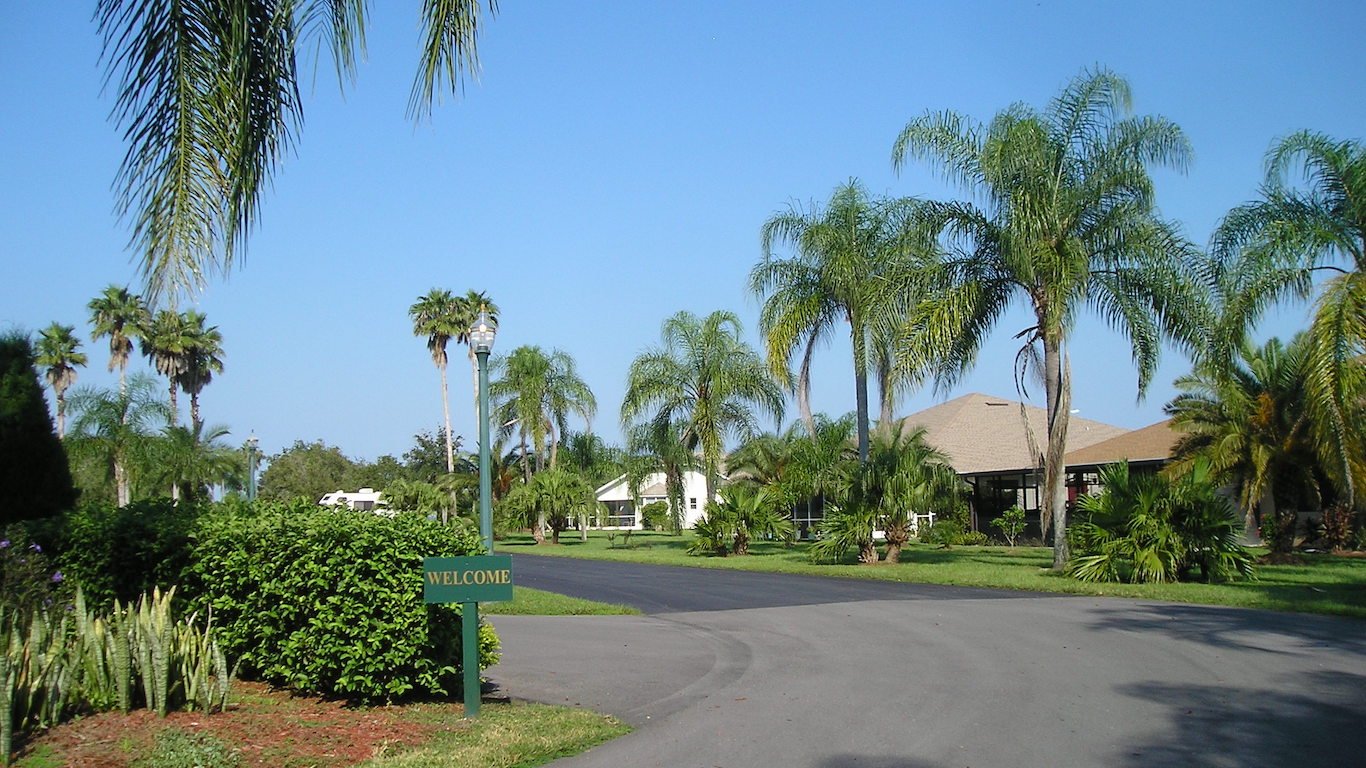
- Population increase, 2013-2023: +25,264 residents (+24.7% increase)
- Residents working outside of suburb: 74.2% of workers
- Distance to principal city center: 22.2 miles
- Median household income: $62,330
- Average home value: $183,099
- Total population: 127,391 residents
- Most concentrated economic sectors: Construction, administrative and support and waste management services, transportation and warehousing, real estate and rental and leasing, retail trade
29. Fulshear, TX (Houston metro area)
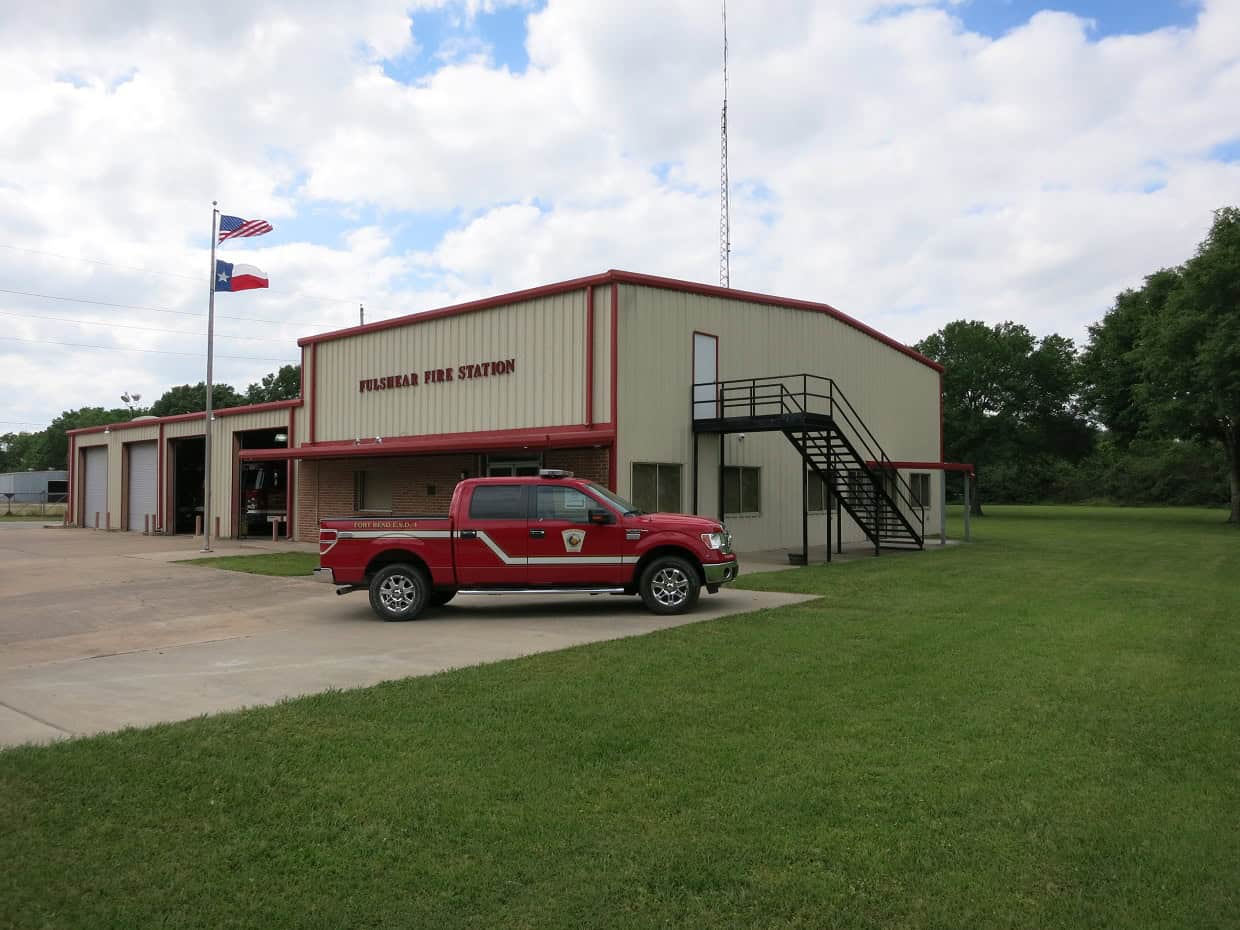
- Population increase, 2013-2023: +25,328 residents (+1527.6% increase)
- Residents working outside of suburb: 58.1% of workers
- Distance to principal city center: 30.4 miles
- Median household income: $178,398
- Average home value: $519,857
- Total population: 26,986 residents
- Most concentrated economic sectors: Mining, quarrying, and oil and gas extraction, management of companies and enterprises, wholesale trade, professional, scientific, and technical services, arts, entertainment, and recreation
28. Clovis, CA (Fresno metro area)
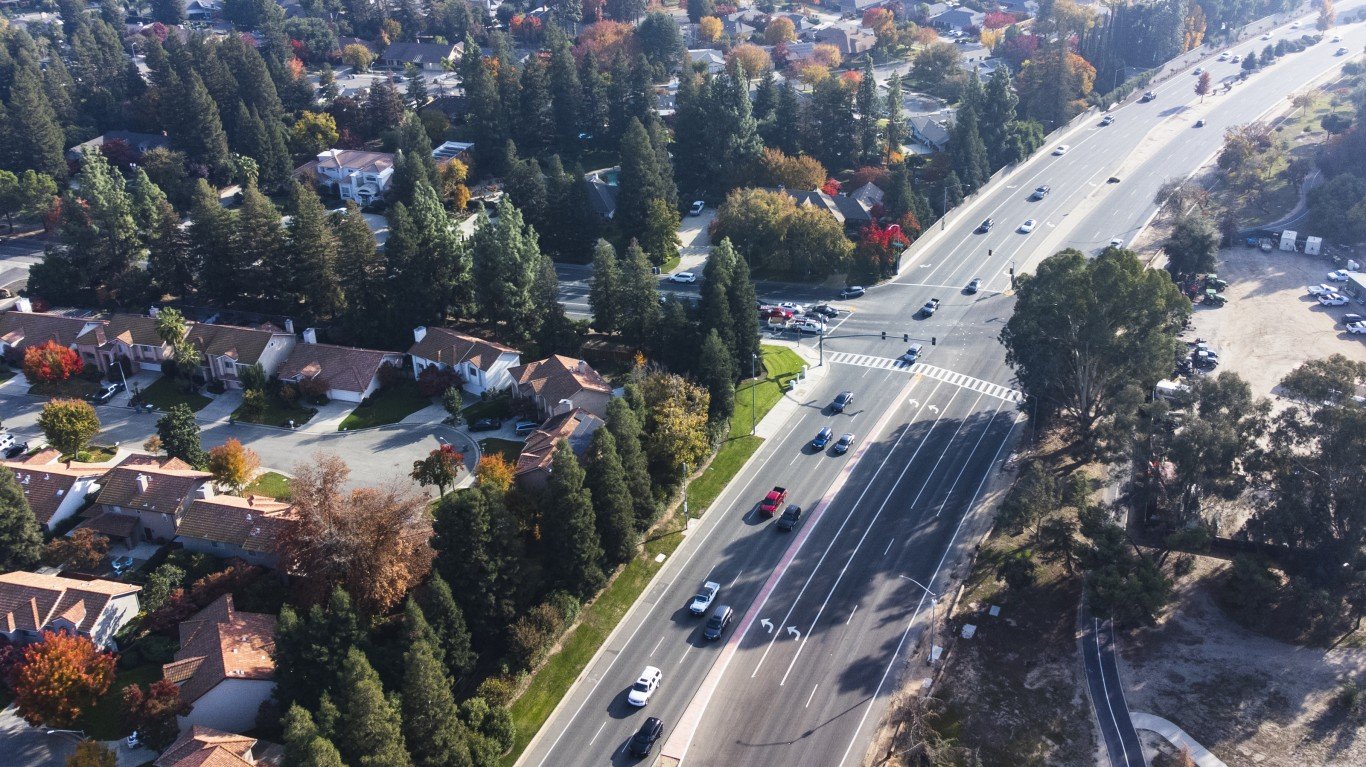
- Population increase, 2013-2023: +25,619 residents (+26.4% increase)
- Residents working outside of suburb: 67.8% of workers
- Distance to principal city center: 6.9 miles
- Median household income: $100,360
- Average home value: $324,239
- Total population: 122,719 residents
- Most concentrated economic sectors: Public administration, utilities, educational services, health care and social assistance, wholesale trade
27. South Jordan, UT (Salt Lake City metro area)

- Population increase, 2013-2023: +26,609 residents (+49.5% increase)
- Residents working outside of suburb: 67.3% of workers
- Distance to principal city center: 15.7 miles
- Median household income: $126,400
- Average home value: $543,249
- Total population: 80,331 residents
- Most concentrated economic sectors: Mining, quarrying, and oil and gas extraction, finance and insurance, professional, scientific, and technical services, real estate and rental and leasing, information
26. Castle Rock, CO (Denver metro area)

- Population increase, 2013-2023: +26,624 residents (+53.3% increase)
- Residents working outside of suburb: 51.3% of workers
- Distance to principal city center: 26.7 miles
- Median household income: $143,031
- Average home value: $513,631
- Total population: 76,614 residents
- Most concentrated economic sectors: Management of companies and enterprises, information, finance and insurance, professional, scientific, and technical services, arts, entertainment, and recreation
25. Wesley Chapel, FL (Tampa metro area)
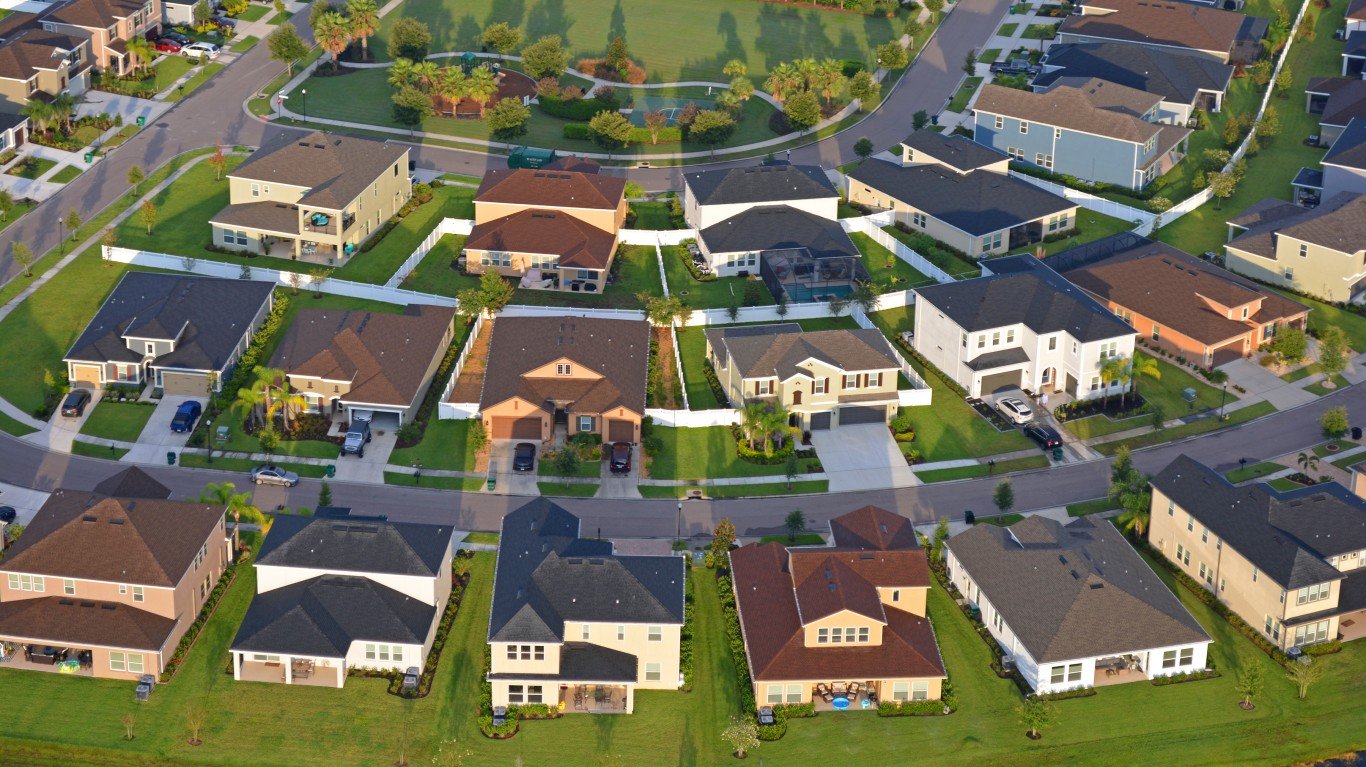
- Population increase, 2013-2023: +26,983 residents (+60.0% increase)
- Residents working outside of suburb: 57.8% of workers
- Distance to principal city center: 19.2 miles
- Median household income: $107,004
- Average home value: $323,841
- Total population: 71,965 residents
- Most concentrated economic sectors: Finance and insurance, information, real estate and rental and leasing, retail trade, professional, scientific, and technical services
24. Atascocita, TX (Houston metro area)
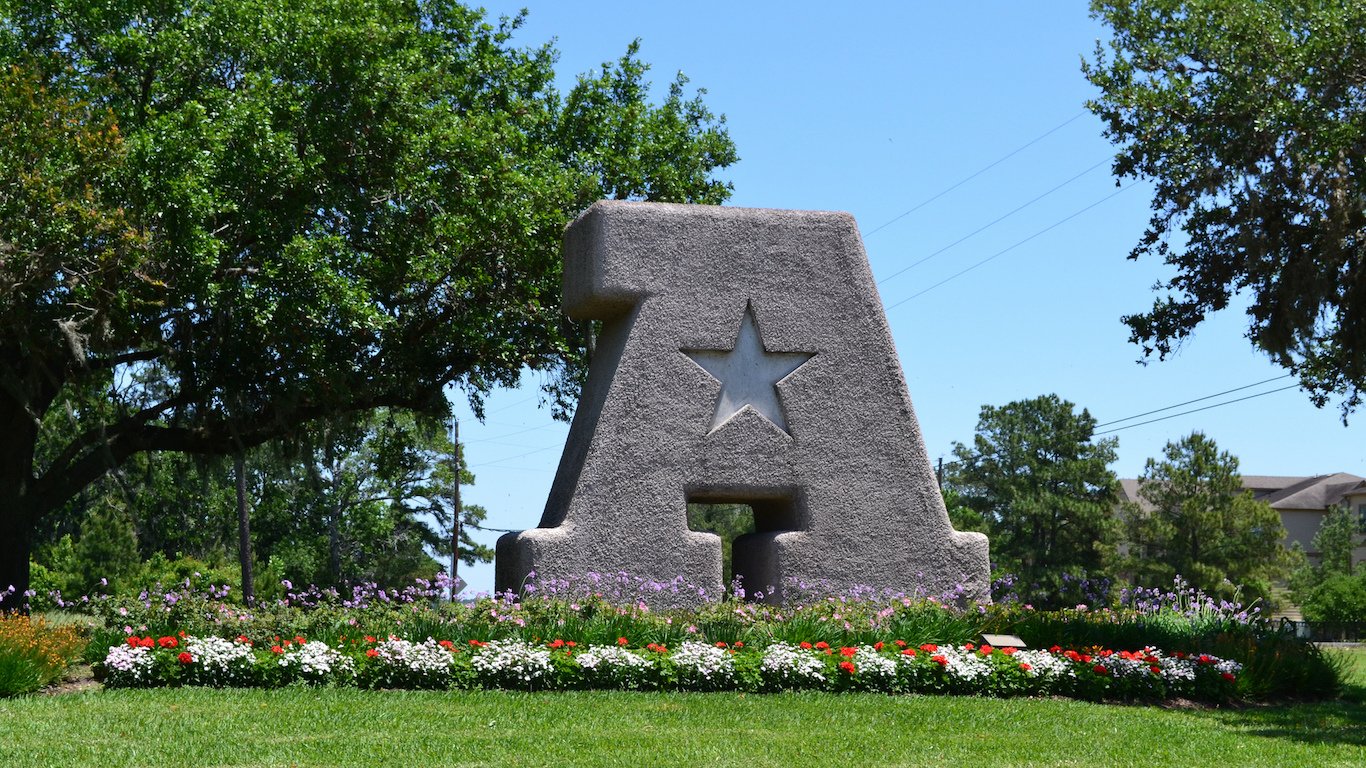
- Population increase, 2013-2023: +27,047 residents (+40.4% increase)
- Residents working outside of suburb: 83.4% of workers
- Distance to principal city center: 17.6 miles
- Median household income: $114,443
- Average home value: $266,019
- Total population: 93,926 residents
- Most concentrated economic sectors: Mining, quarrying, and oil and gas extraction, management of companies and enterprises, transportation and warehousing, educational services, utilities
23. Eagle Mountain, UT (Provo metro area)
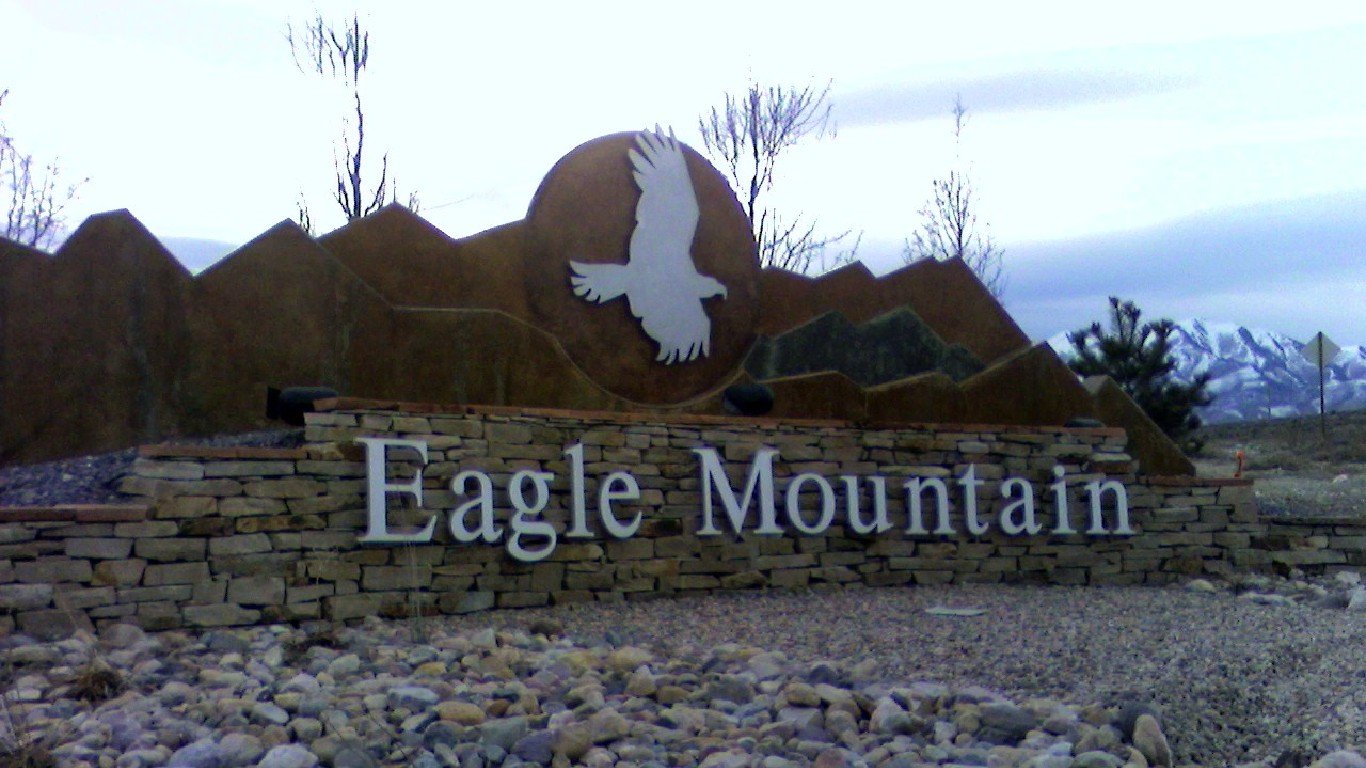
- Population increase, 2013-2023: +27,156 residents (+121.5% increase)
- Residents working outside of suburb: 68.5% of workers
- Distance to principal city center: 19.9 miles
- Median household income: $105,576
- Average home value: $427,148
- Total population: 49,514 residents
- Most concentrated economic sectors: Management of companies and enterprises, information, construction, finance and insurance, educational services
22. Menifee, CA (Riverside metro area)
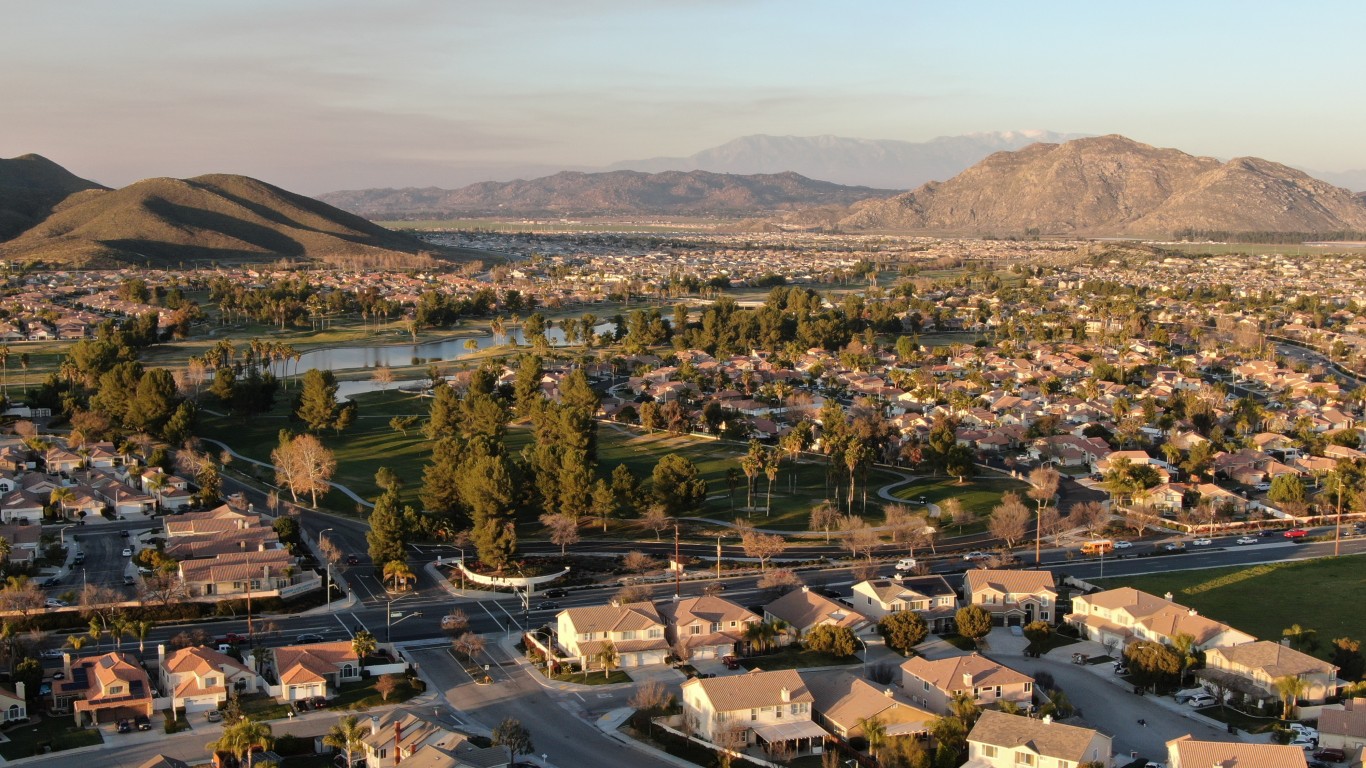
- Population increase, 2013-2023: +27,416 residents (+34.4% increase)
- Residents working outside of suburb: 75.4% of workers
- Distance to principal city center: 20.9 miles
- Median household income: $89,183
- Average home value: $392,360
- Total population: 107,020 residents
- Most concentrated economic sectors: Utilities, arts, entertainment, and recreation, transportation and warehousing, construction, wholesale trade
21. Apex, NC (Raleigh metro area)
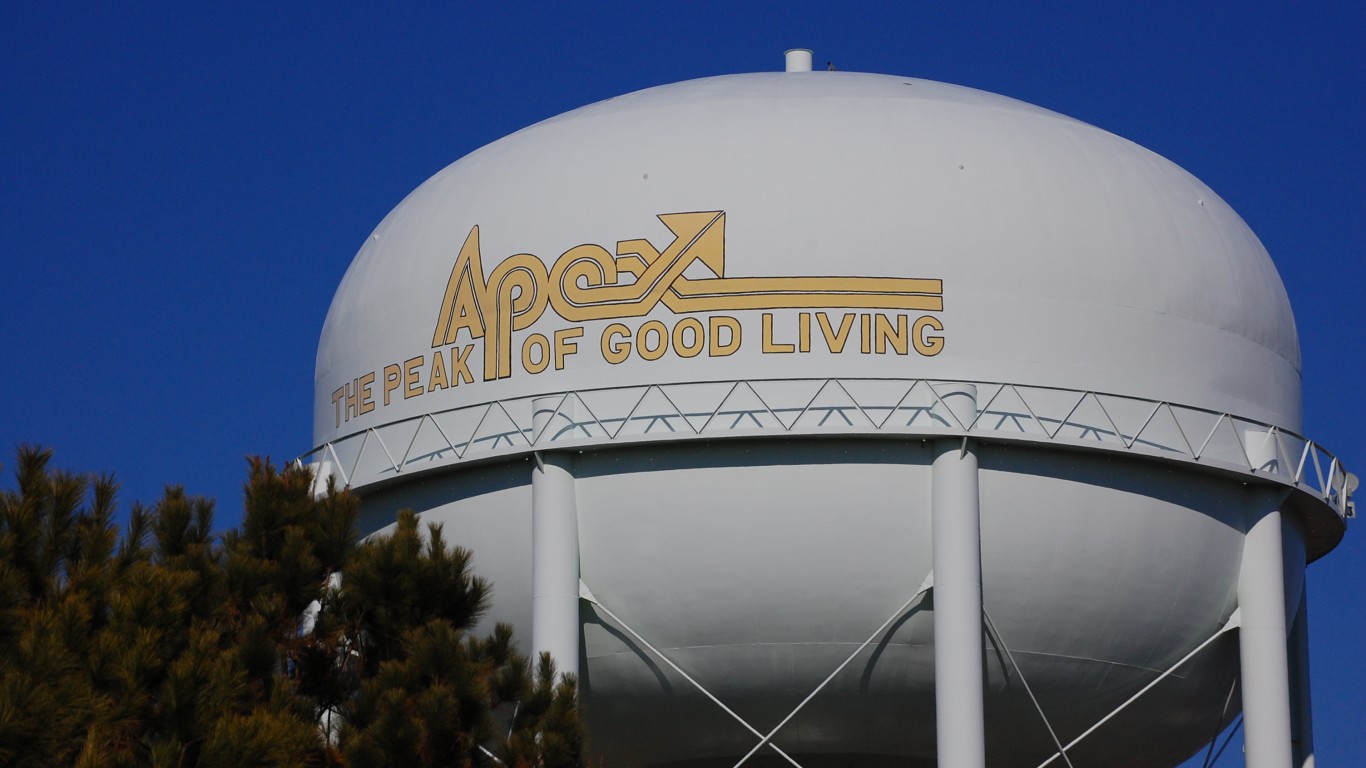
- Population increase, 2013-2023: +28,631 residents (+73.2% increase)
- Residents working outside of suburb: 54.5% of workers
- Distance to principal city center: 15.3 miles
- Median household income: $138,442
- Average home value: $395,896
- Total population: 67,765 residents
- Most concentrated economic sectors: Mining, quarrying, and oil and gas extraction, professional, scientific, and technical services, information, finance and insurance, management of companies and enterprises
20. League City, TX (Houston metro area)
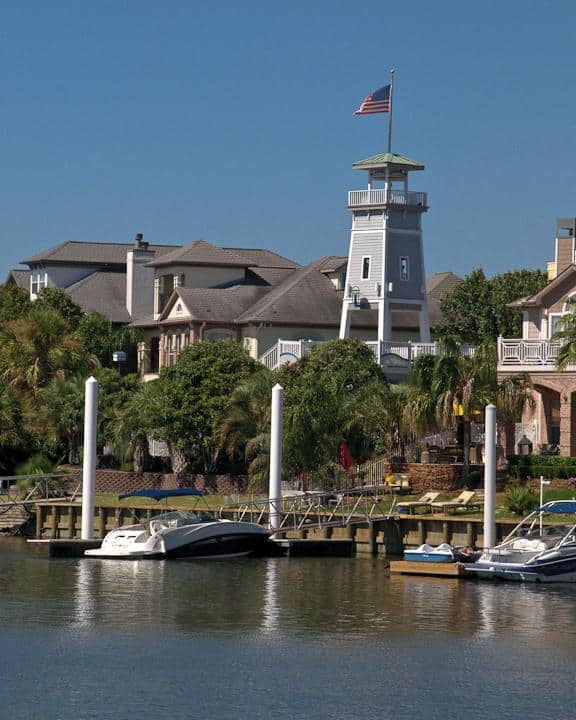
- Population increase, 2013-2023: +28,749 residents (+33.4% increase)
- Residents working outside of suburb: 71.8% of workers
- Distance to principal city center: 26.6 miles
- Median household income: $119,870
- Average home value: $272,193
- Total population: 114,885 residents
- Most concentrated economic sectors: Mining, quarrying, and oil and gas extraction, management of companies and enterprises, utilities, manufacturing, educational services
19. Surprise, AZ (Phoenix metro area)
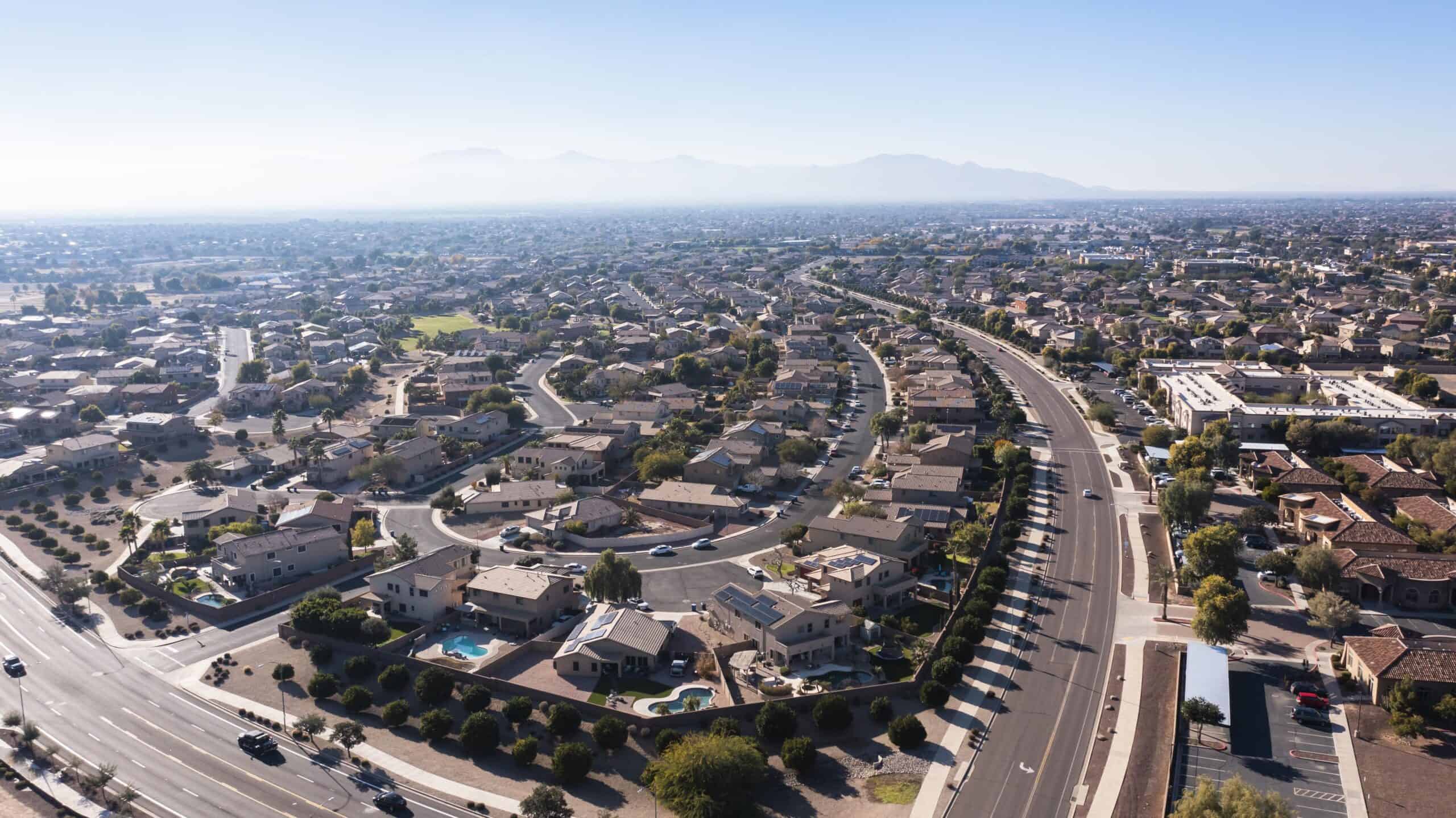
- Population increase, 2013-2023: +30,735 residents (+25.9% increase)
- Residents working outside of suburb: 64.0% of workers
- Distance to principal city center: 22.2 miles
- Median household income: $93,371
- Average home value: $332,047
- Total population: 149,519 residents
- Most concentrated economic sectors: Management of companies and enterprises, finance and insurance, retail trade, real estate and rental and leasing, public administration
18. Lewisville, TX (Dallas metro area)

- Population increase, 2013-2023: +30,851 residents (+31.7% increase)
- Residents working outside of suburb: 66.5% of workers
- Distance to principal city center: 21.2 miles
- Median household income: $85,002
- Average home value: $176,441
- Total population: 128,313 residents
- Most concentrated economic sectors: Finance and insurance, management of companies and enterprises, information, professional, scientific, and technical services, transportation and warehousing
17. Four Corners, FL (Orlando metro area)

- Population increase, 2013-2023: +31,863 residents (+111.5% increase)
- Residents working outside of suburb: 76.4% of workers
- Distance to principal city center: 21.3 miles
- Median household income: $74,202
- Average home value: $177,301
- Total population: 60,443 residents
- Most concentrated economic sectors: Arts, entertainment, and recreation, accommodation and food services, real estate and rental and leasing, administrative and support and waste management services, information
16. Pearland, TX (Houston metro area)
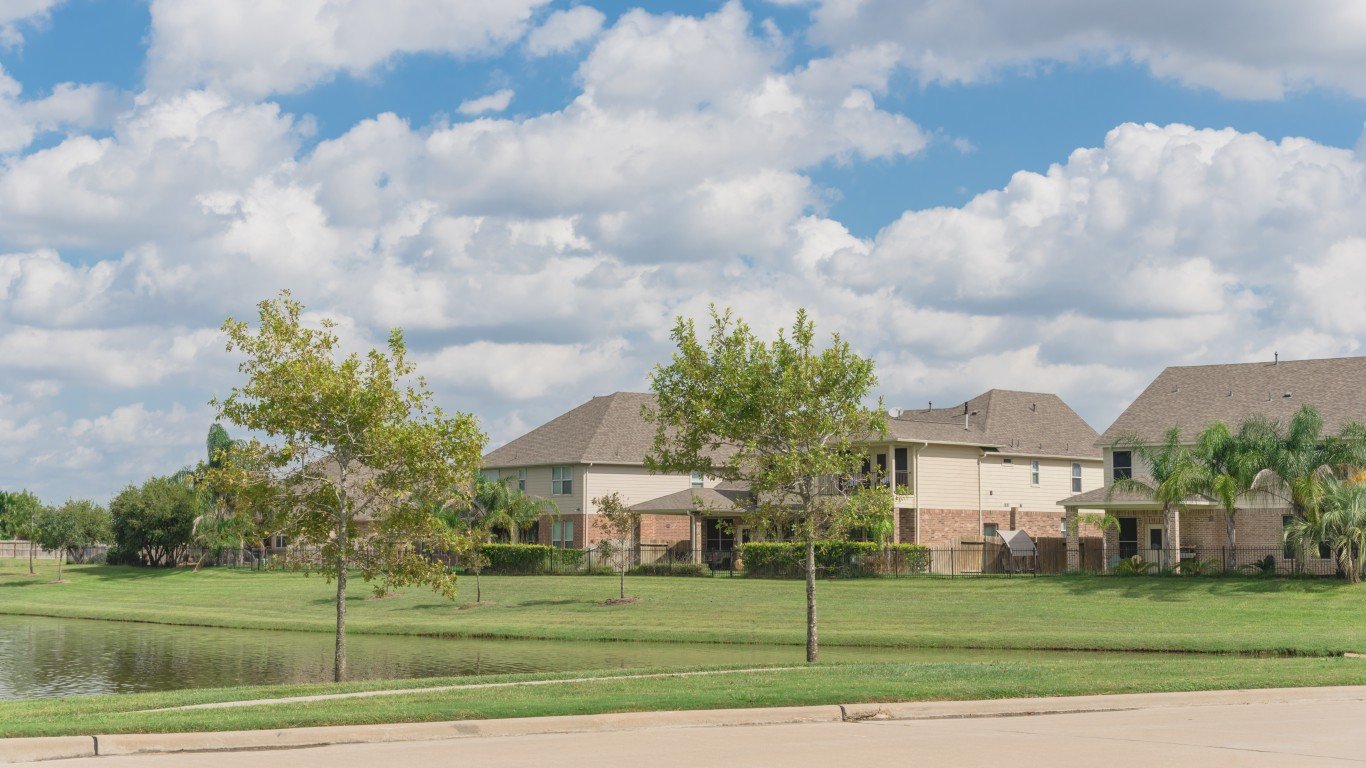
- Population increase, 2013-2023: +31,885 residents (+33.9% increase)
- Residents working outside of suburb: 74.5% of workers
- Distance to principal city center: 16.3 miles
- Median household income: $112,470
- Average home value: $265,466
- Total population: 125,983 residents
- Most concentrated economic sectors: Mining, quarrying, and oil and gas extraction, utilities, management of companies and enterprises, health care and social assistance, real estate and rental and leasing
15. Herriman, UT (Salt Lake City metro area)
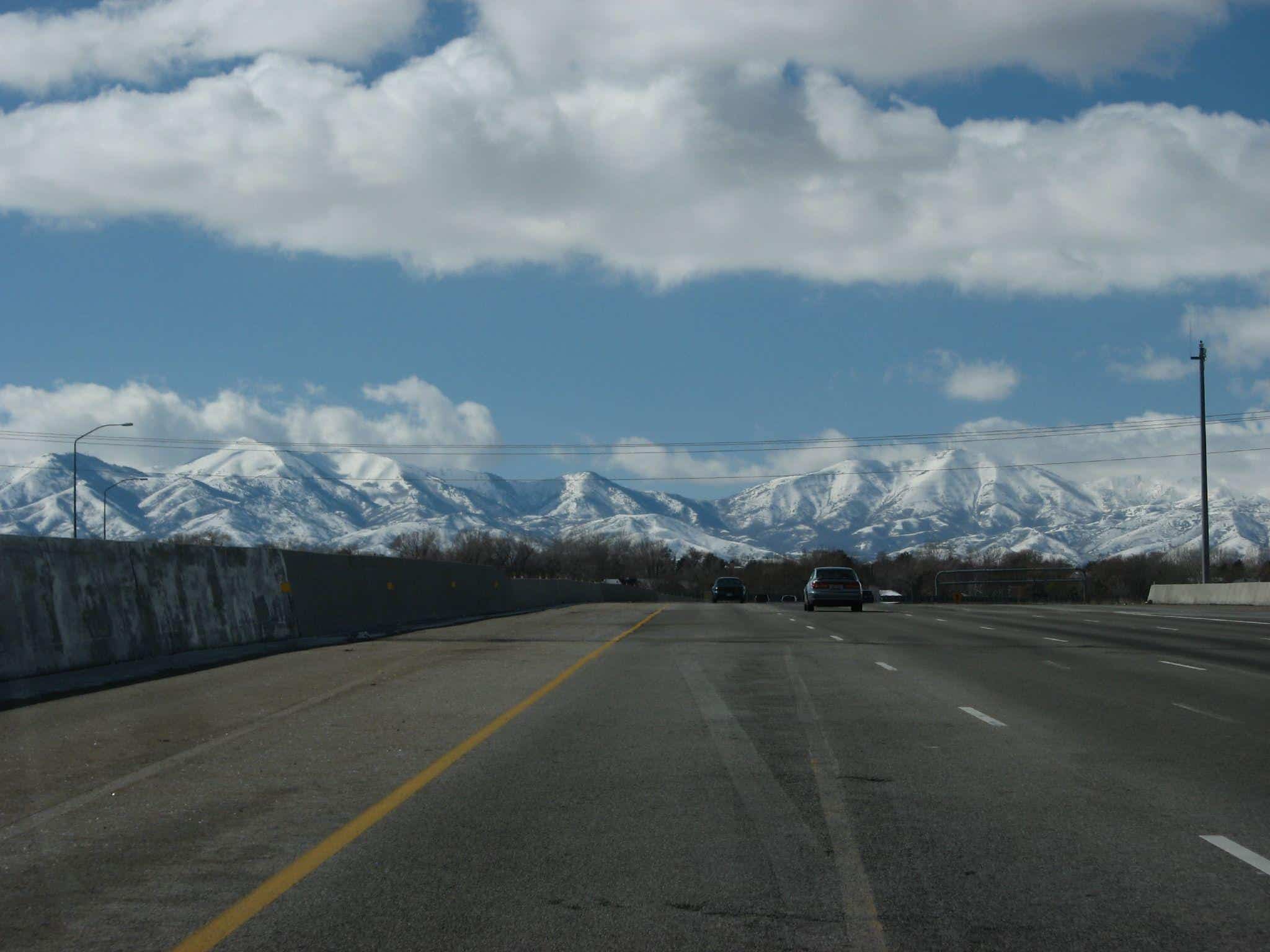
- Population increase, 2013-2023: +33,916 residents (+144.8% increase)
- Residents working outside of suburb: 69.9% of workers
- Distance to principal city center: 20.3 miles
- Median household income: $118,446
- Average home value: $468,587
- Total population: 57,336 residents
- Most concentrated economic sectors: Mining, quarrying, and oil and gas extraction, utilities, finance and insurance, professional, scientific, and technical services, retail trade
14. Riverview, FL (Tampa metro area)
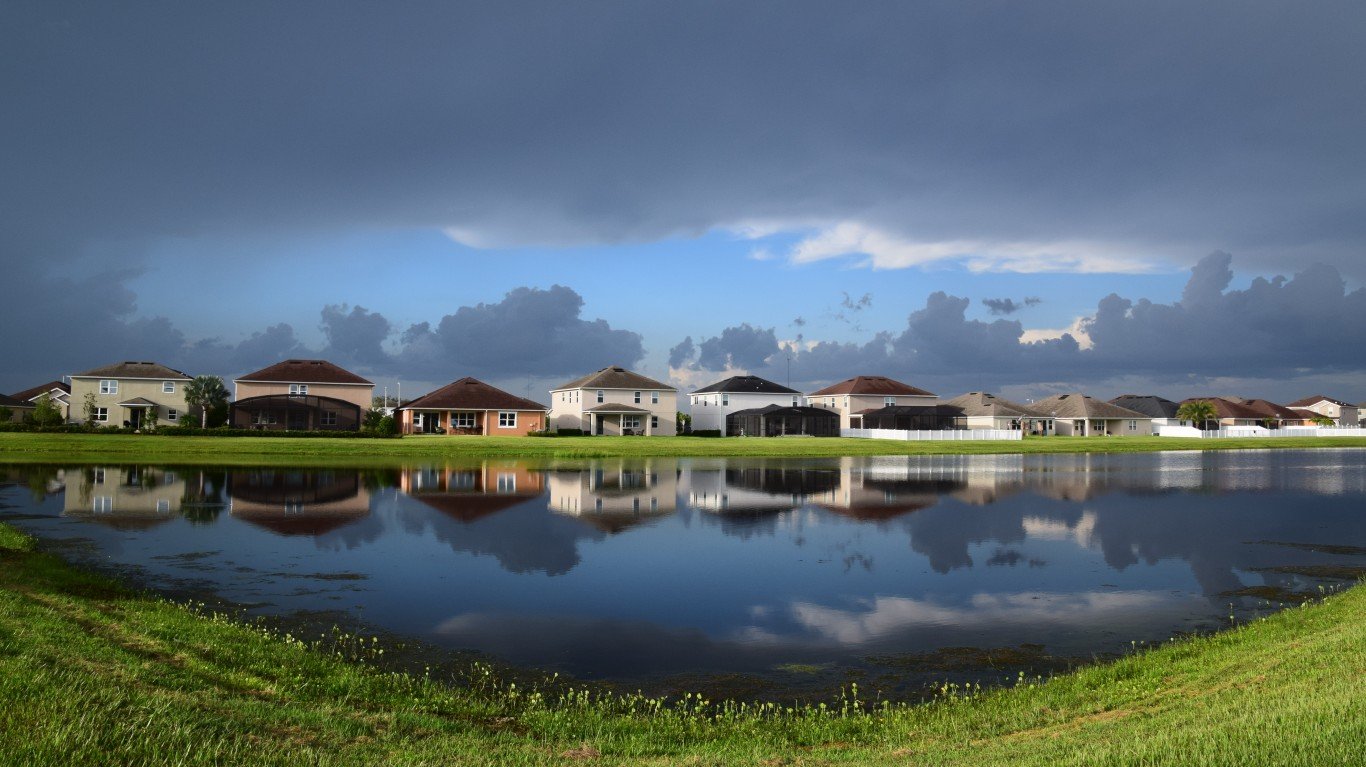
- Population increase, 2013-2023: +34,009 residents (+46.1% increase)
- Residents working outside of suburb: 66.3% of workers
- Distance to principal city center: 14.6 miles
- Median household income: $95,442
- Average home value: $273,102
- Total population: 107,776 residents
- Most concentrated economic sectors: Finance and insurance, management of companies and enterprises, administrative and support and waste management services, wholesale trade, professional, scientific, and technical services
13. Goodyear, AZ (Phoenix metro area)

- Population increase, 2013-2023: +35,355 residents (+52.3% increase)
- Residents working outside of suburb: 61.6% of workers
- Distance to principal city center: 26.6 miles
- Median household income: $101,814
- Average home value: $367,435
- Total population: 102,891 residents
- Most concentrated economic sectors: Utilities, real estate and rental and leasing, transportation and warehousing, finance and insurance, arts, entertainment, and recreation
12. Spring Valley, NV (Las Vegas metro area)

- Population increase, 2013-2023: +36,835 residents (+20.1% increase)
- Residents working outside of suburb: 74.6% of workers
- Distance to principal city center: 9.5 miles
- Median household income: $72,364
- Average home value: $219,811
- Total population: 219,913 residents
- Most concentrated economic sectors: Arts, entertainment, and recreation, accommodation and food services, management of companies and enterprises, transportation and warehousing, real estate and rental and leasing
11. Peoria, AZ (Phoenix metro area)
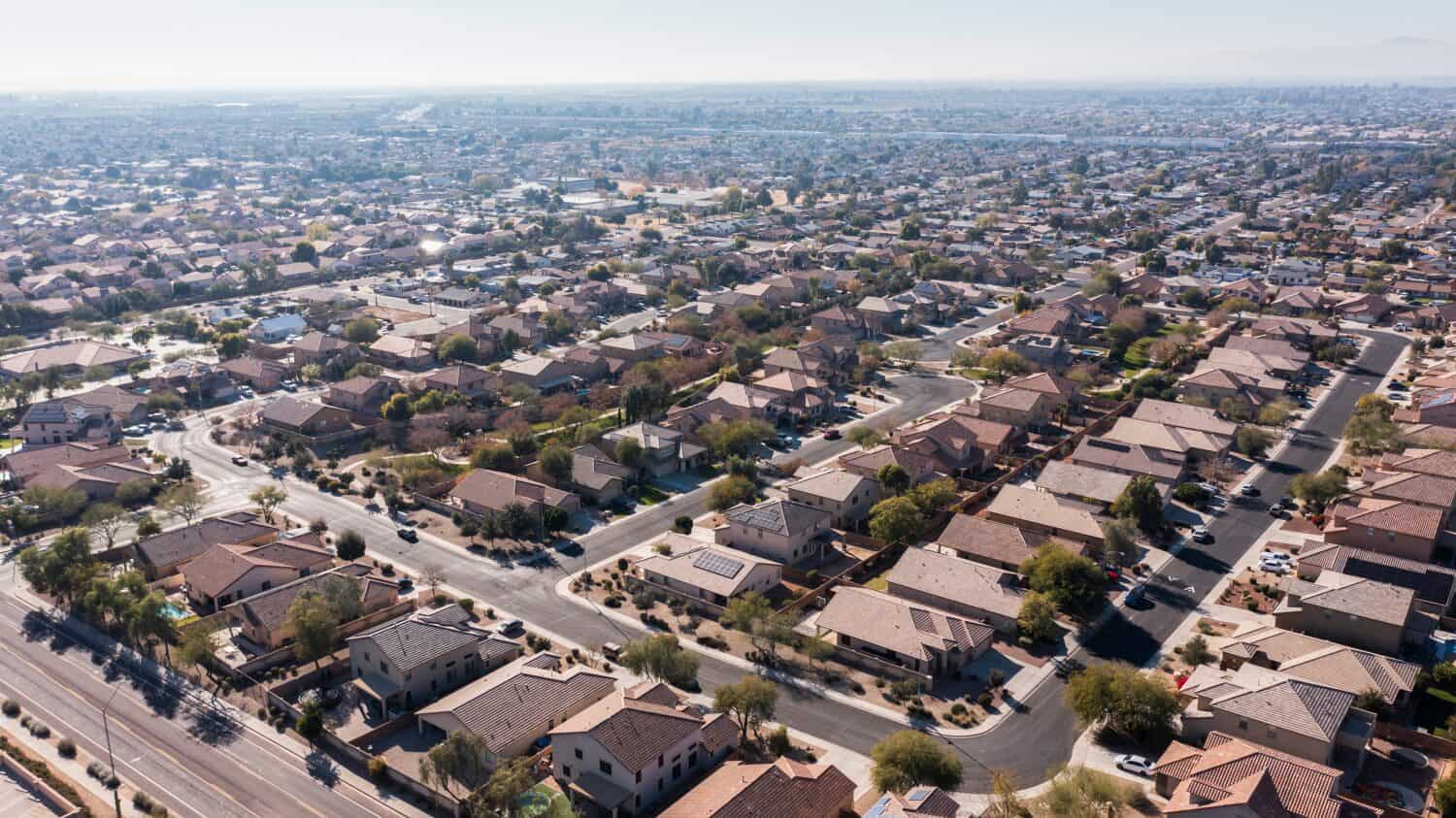
- Population increase, 2013-2023: +37,186 residents (+23.7% increase)
- Residents working outside of suburb: 64.8% of workers
- Distance to principal city center: 18.9 miles
- Median household income: $93,403
- Average home value: $361,922
- Total population: 194,338 residents
- Most concentrated economic sectors: Management of companies and enterprises, finance and insurance, utilities, administrative and support and waste management services, retail trade
10. Woodbridge, VA (Washington metro area)
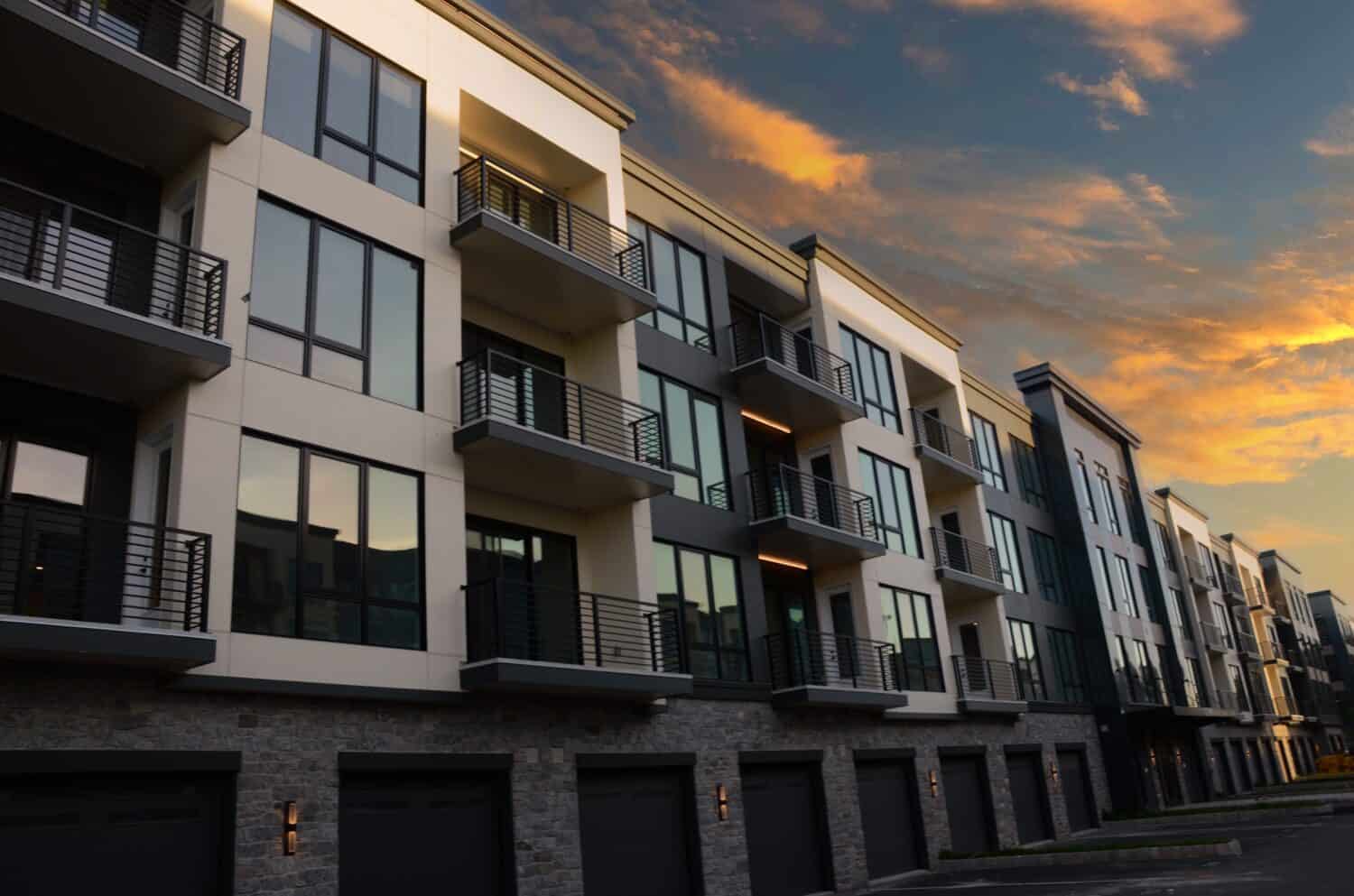
- Population increase, 2013-2023: +38,900 residents (+856.3% increase)
- Residents working outside of suburb: 76.3% of workers
- Distance to principal city center: 22.4 miles
- Median household income: $100,370
- Average home value: $315,740
- Total population: 43,443 residents
- Most concentrated economic sectors: Construction, public administration, accommodation and food services, professional, scientific, and technical services, administrative and support and waste management services
9. Queen Creek, AZ (Phoenix metro area)

- Population increase, 2013-2023: +39,249 residents (+144.7% increase)
- Residents working outside of suburb: 64.9% of workers
- Distance to principal city center: 35.4 miles
- Median household income: $134,719
- Average home value: $548,830
- Total population: 66,369 residents
- Most concentrated economic sectors: Real estate and rental and leasing, finance and insurance, arts, entertainment, and recreation, wholesale trade, professional, scientific, and technical services
8. Leander, TX (Austin metro area)
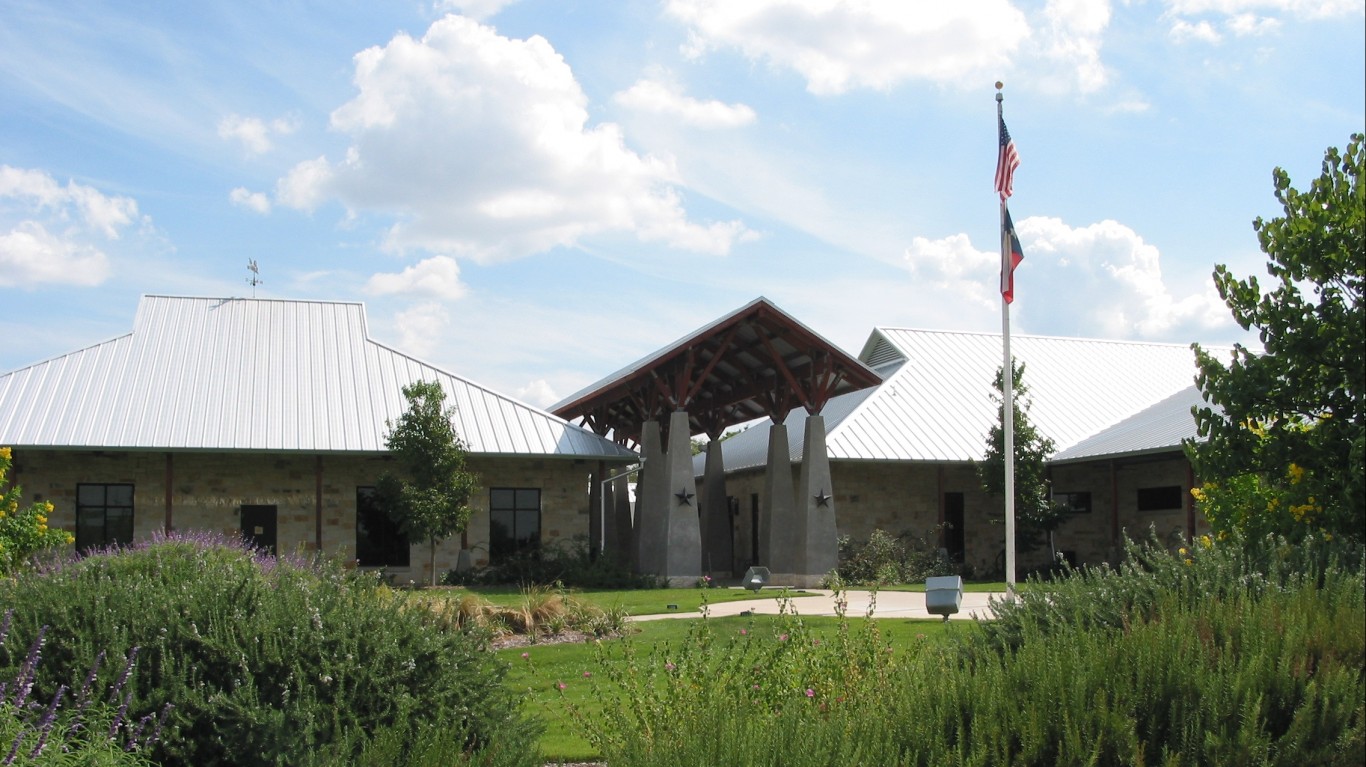
- Population increase, 2013-2023: +39,599 residents (+140.0% increase)
- Residents working outside of suburb: 59.5% of workers
- Distance to principal city center: 20.1 miles
- Median household income: $140,180
- Average home value: $399,752
- Total population: 67,880 residents
- Most concentrated economic sectors: Professional, scientific, and technical services, information, finance and insurance, utilities, retail trade
7. Meridian, ID (Boise metro area)
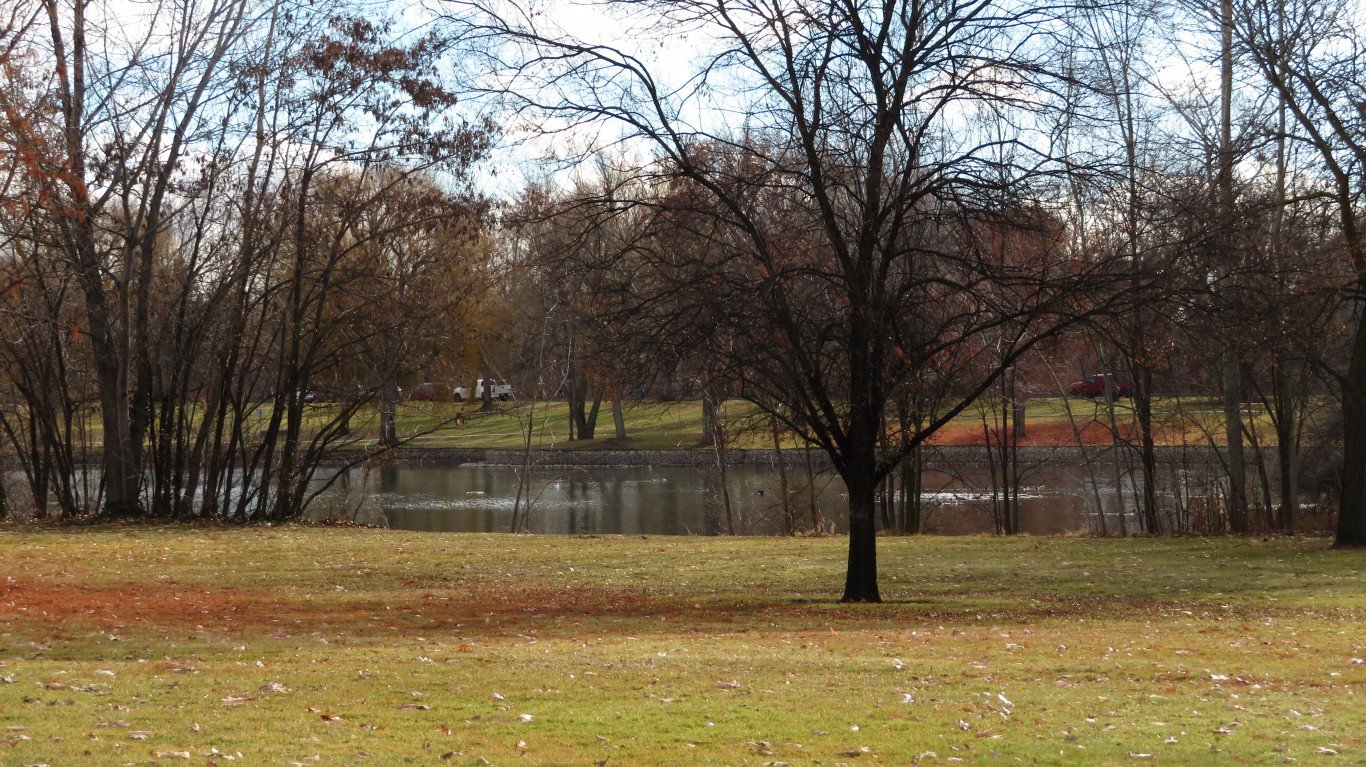
- Population increase, 2013-2023: +46,804 residents (+60.0% increase)
- Residents working outside of suburb: 54.0% of workers
- Distance to principal city center: 8.5 miles
- Median household income: $98,686
- Average home value: $397,186
- Total population: 124,865 residents
- Most concentrated economic sectors: Utilities, wholesale trade, professional, scientific, and technical services, construction, information
6. Horizon West, FL (Orlando metro area)

- Population increase, 2013-2023: +46,931 residents (+308.3% increase)
- Residents working outside of suburb: 64.3% of workers
- Distance to principal city center: 17.1 miles
- Median household income: $123,586
- Average home value: $354,297
- Total population: 62,152 residents
- Most concentrated economic sectors: Management of companies and enterprises, arts, entertainment, and recreation, real estate and rental and leasing, information, professional, scientific, and technical services
5. Buckeye, AZ (Phoenix metro area)

- Population increase, 2013-2023: +47,220 residents (+89.7% increase)
- Residents working outside of suburb: 69.0% of workers
- Distance to principal city center: 33.3 miles
- Median household income: $98,778
- Average home value: $355,989
- Total population: 99,844 residents
- Most concentrated economic sectors: Utilities, construction, transportation and warehousing, public administration, retail trade
4. Santa Clarita, CA (Los Angeles metro area)
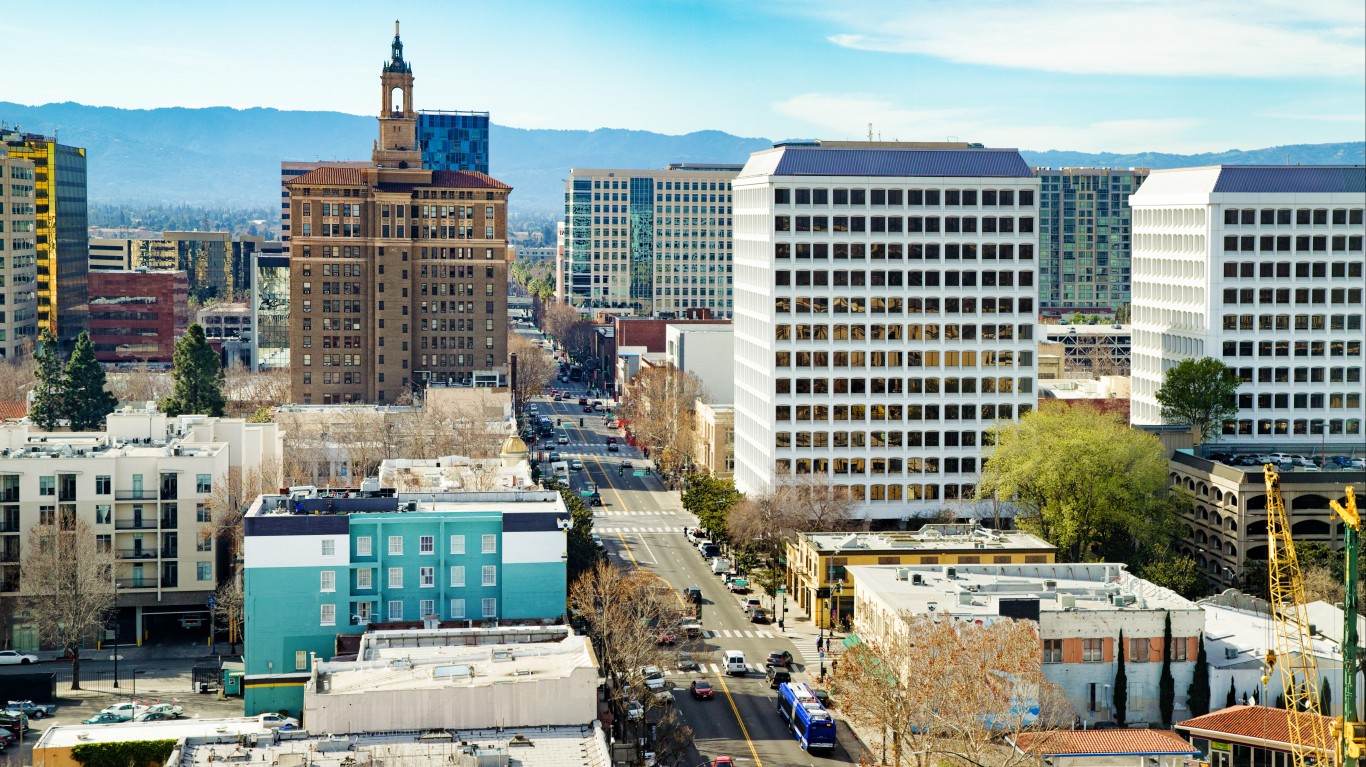
- Population increase, 2013-2023: +51,655 residents (+29.1% increase)
- Residents working outside of suburb: 59.7% of workers
- Distance to principal city center: 22.2 miles
- Median household income: $119,926
- Average home value: $541,290
- Total population: 229,021 residents
- Most concentrated economic sectors: Information, arts, entertainment, and recreation, public administration, real estate and rental and leasing, utilities
3. McKinney, TX (Dallas metro area)

- Population increase, 2013-2023: +64,671 residents (+47.0% increase)
- Residents working outside of suburb: 51.2% of workers
- Distance to principal city center: 28.8 miles
- Median household income: $120,273
- Average home value: $293,786
- Total population: 202,314 residents
- Most concentrated economic sectors: Finance and insurance, management of companies and enterprises, information, professional, scientific, and technical services, real estate and rental and leasing
2. Frisco, TX (Dallas metro area)
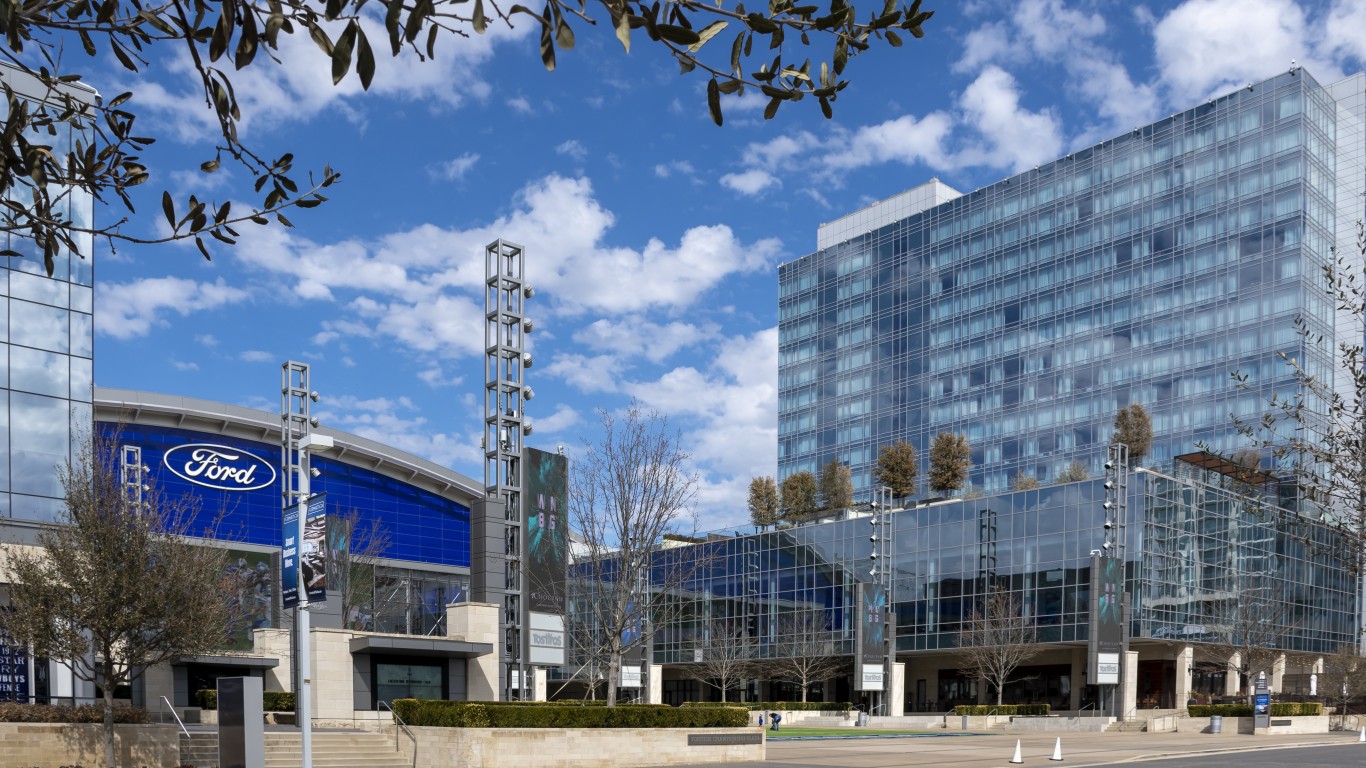
- Population increase, 2013-2023: +86,575 residents (+70.0% increase)
- Residents working outside of suburb: 48.6% of workers
- Distance to principal city center: 25.2 miles
- Median household income: $146,158
- Average home value: $441,587
- Total population: 210,238 residents
- Most concentrated economic sectors: Management of companies and enterprises, finance and insurance, professional, scientific, and technical services, information, mining, quarrying, and oil and gas extraction
1. Enterprise, NV (Las Vegas metro area)
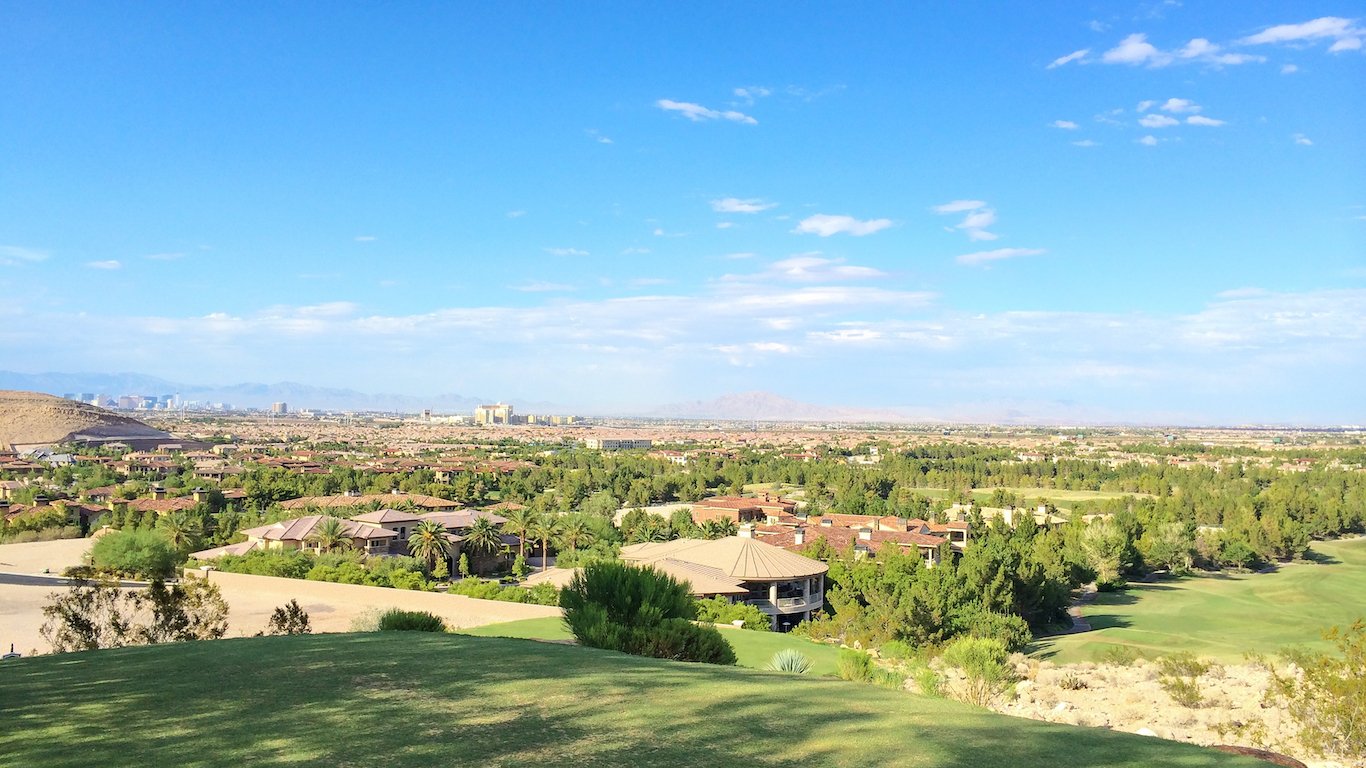
- Population increase, 2013-2023: +113,297 residents (+95.4% increase)
- Residents working outside of suburb: 77.5% of workers
- Distance to principal city center: 15.6 miles
- Median household income: $93,980
- Average home value: $321,336
- Total population: 232,043 residents
- Most concentrated economic sectors: Arts, entertainment, and recreation, accommodation and food services, real estate and rental and leasing, transportation and warehousing, management of companies and enterprises
Contact [email protected] for any questions or corrections.
Evan Comen is a writer for 24/7 Wall St. He has worked as a data journalist since 2015, covering climate change and urban economics. His work is regularly featured on MSN, and has been cited in many major online and print publications, including The Boston Globe, the Chicago Tribune, and The New York Times.