The Semiconductor Pullback Makes This ETF a Strong Buy
Semiconductor stocks have spent the past month getting hit from multiple directions: export control uncertainty, broader market volatility, and a VIX that climbed to nearly 30 in early March before settling around 25. The Invesco Semiconductors ETF (NYSEARCA:PSI) dropped over…


Semiconductor stocks have spent the past month getting hit from multiple directions: export control uncertainty, broader market volatility, and a VIX that climbed to nearly 30 in early March before settling around 25. The Invesco Semiconductors ETF (NYSEARCA:PSI) dropped over 9.5% over the past month and almost 6% on Thursday alone. The underlying holdings, however, keep delivering results that tell a different story.
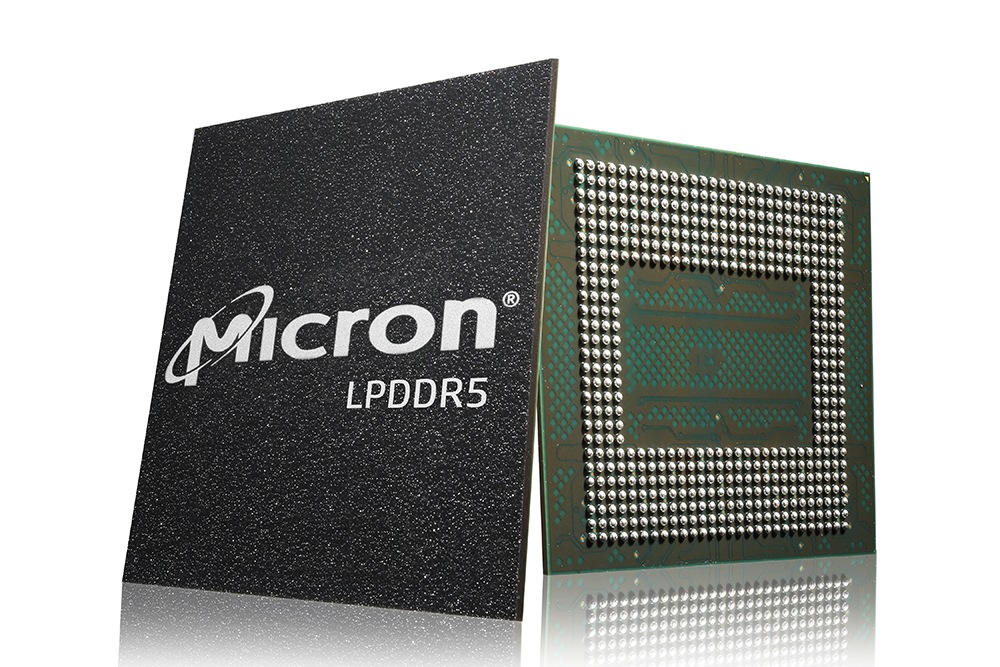
PSI tracks the Dynamic Semiconductor Intellidex Index and holds 31 semiconductor companies selected through a quantitative model evaluating momentum, quality, value, and management factors. The fund rebalances quarterly, spreading exposure across the chip supply chain rather than concentrating in a handful of mega-caps. As of December 31, 2025, Micron Technology (NASDAQ:MU | MU Price Prediction) is the largest holding at roughly 5.8%, with Lam Research (NASDAQ:LRCX), KLA (NASDAQ:KLAC), and Qualcomm (NASDAQ:QCOM) rounding out a diversified mix of chip designers, memory producers, and equipment makers. Despite the turbulence, PSI is still up 86% over the past year.
AI Infrastructure Spending: The Variable That Drives Returns
The most important macro variable for PSI over the next 12 months is AI infrastructure capital expenditure by hyperscalers. It shows up directly in the revenue lines of PSI’s top holdings. Nvidia reported data center revenue of $62.31 billion in Q4 FY2026, up 75% year over year and guided for approximately $78 billion in Q1 FY2027 revenue. Broadcom (NASDAQ:AVGO) reported AI chip revenue of $8.4 billion in Q1 FY2026, up 106% year over year and guided for $10.7 billion in AI semiconductor revenue in Q2.
Quarterly capex guidance from Amazon, Microsoft, Google, and Meta translates almost directly into forward order books for PSI’s holdings. When Meta announced multi-year commitments for millions of Blackwell and Rubin GPUs, Nvidia’s revenue visibility extended well into FY2027. If any major hyperscaler meaningfully cuts capex guidance, PSI will feel it across multiple holdings simultaneously. Continued capex expansion would validate the revenue trajectory that already has Nvidia’s CEO Jensen Huang describing an “agentic AI inflection point” and Micron’s order books stretching into 2027.
The VIX sitting near 25 reflects broad market anxiety, not a collapse in semiconductor fundamentals. When the VIX spiked to 52 in April 2025 and then normalized through the summer, semiconductor earnings kept compounding. The current pullback resembles that pattern more than a fundamental deterioration.
Quarterly Reconstitution: The Mechanism Most Likely to Surprise
PSI’s quarterly rebalancing is what makes this ETF structurally different from its peers. The Dynamic Semiconductor Intellidex methodology scores holdings on momentum, quality, value, and management factors, then reconstitutes the portfolio quarterly. The 31 stocks in the fund today are not guaranteed to be the 31 stocks next quarter.
The holdings carrying the most fundamental momentum are also under the most price pressure. Micron fell nearly 20% in a single week despite reporting Q1 FY2026 EPS of $4.78 against a consensus of $3.94 and guiding for Q2 revenue of $18.70 billion. When a stock drops that sharply on strong fundamentals, a momentum-driven index may reduce its weighting at the next reconstitution, replacing it with names that have held up better on price. That shift could temporarily reduce PSI’s exposure to the holding with the strongest near-term earnings trajectory.
PSI charges a 0.56% annual expense ratio, and quarterly rebalancing in taxable accounts creates potential tax drag as the fund sells appreciated positions to maintain its equal-weight structure. Investors can track upcoming reconstitutions and current holdings through Invesco’s ETF product page and the index provider’s methodology notes. Changes in the top five holdings carry the most weight when assessing how the fund’s earnings exposure has shifted.
What to Watch Over the Next 12 Months
PSI has returned over 1,000% in the past decade, and its top holdings are generating free cash flow at a pace that makes the recent price declines look disconnected from business reality. Nvidia generated $96.6 billion in annual free cash flow in FY2026. Broadcom’s free cash flow was $8 billion in a single quarter, representing 41% of revenue. Analyst consensus targets for Nvidia average $268 per share against a current price near $171, implying the market is pricing in meaningful risk that the fundamentals do not yet confirm.
If hyperscaler capex guidance holds or expands through mid-2026 and the next quarterly reconstitution keeps Micron and Nvidia among PSI’s largest positions, the fund’s earnings-driven recovery case stays intact. Quarterly earnings calls from Amazon, Google, Microsoft, and Meta will either confirm or challenge the capex expansion thesis, and Invesco’s holdings file after each reconstitution date will show whether the fund’s momentum model is rotating toward fundamentally strong names.
Contact [email protected] for any questions or corrections.
After two decades of patrolling the dark corners of suburbia as a police officer, Rich Duprey hung up his badge and gun to begin writing full time about stocks and investing. For the past 20 years, he’s been cruising the markets looking for companies to lock up as long-term holdings in a portfolio while writing extensively on the broad sectors of consumer goods, technology, and industrials. Because his experience isn’t from the typical financial analyst track, Rich is able to break down complex topics into understandable and useful action points for the average investor. His writings have appeared on The Motley Fool, InvestorPlace, Yahoo! Finance, Money Morning, and, of course, 24/7 Wall St. He has been featured in both U.S. and international publications, including MarketWatch, Financial Times, Forbes, Fast Company, and USA Today.