





The markets are in no mood for risk. The CNN Fear & Greed Index sits at 13 — firmly in Extreme Fear — after previously closing at 8, its lowest level since 2022, when Terraform Labs and its algorithmic stablecoin, TerraUSD, collapsed, wiping out over 440 billion in market capitalization in one week and triggering a widespread cryptocurrency market crash.
The S&P 500 is down 7% year-to-date, and the Nasdaq-100 just entered correction territory on its greater tech exposure. Oil prices hover above $100 a barrel, and recession chatter fills the air. So when the crowd panics and sells everything in sight, what exactly should an investor do? Let’s cut through the noise and focus on the one move most investors miss right now.
The Crowd Has Already Hit the Panic Button
CNN’s Fear & Greed Index combines seven signals:
- S&P 500 momentum versus its 125-day average
- Stock price strength
- Market breadth
- Put/call options
- Volatility
- Safe-haven demand
- Junk-bond demand
A reading of 13 signals maximum pessimism as six of the seven indicators currently flash Extreme Fear. In response, investors dump stocks, pile into Treasuries, buy protective puts, and shun riskier bonds. That’s a fancy way of saying the herd has already stampeded for the exits. No matter how you slice it, this level of fear has appeared on only about 3.4% of trading days since 2011.
Quality Names Are Getting Sold Off Anyway
Here’s what surprises most retail investors: the sell-off has dragged down even the highest-quality companies with rock-solid balance sheets and growing cash flows. Take Apple (NASDAQ:AAPL | AAPL Price Prediction). Its first-quarter FY2026 earnings release showed revenue of $143.8 billion, up 16% year-over-year, and diluted EPS of $2.84, up 19%. Trailing-12-month free cash flow reached $123.324 billion, delivering a 3.42% free cash flow (FCF) yield. The stock yields 0.42% with a $1.04 annual dividend. Yet Apple stock trades at a TTM P/E of 31.22 — still reasonable given 15.7% quarterly revenue growth.
Microsoft (NASDAQ:MSFT) tells a similar story. Its FY2026 second-quarter earnings release reported revenue of $81.3 billion, up 17%, with Microsoft Cloud revenue up 26% to $51.5 billion. Non-GAAP earnings rose 23.6% to $4.14 per share. Trailing revenue growth stands at 16.67%, but the stock trades near a forward P/E of 22.26x — down sharply from its 10-year average — while the company sits on $89.46 billion in cash and short-term investments.
Even defensive giant Johnson & Johnson (NYSE:JNJ) has felt the pressure. Its Q4 results showed sales of $24.6 billion, up 9.1%, and full-year revenue of $94.2 billion, up 6%, with adjusted EPS climbing 8.1% to $10.79. The stock yields 2.14% with a $5.20 per share annual dividend and a TTM P/E of 18.66x. Free cash flow yield sits at 3.38%.
Here’s how these three stack up side-by-side:
- Apple: 16% Q1 revenue growth, $123.3 billion TTM FCF, 0.42% yield, 31.22x TTM P/E
- Microsoft: 17% Q2 revenue growth, 16.67% TTM growth, forward P/E 22.3x
- Johnson & Johnson: 9.1% Q4 revenue growth, 6% full-year growth, 2.14% yield, 18.66x TTM P/E
All three generated double-digit earnings growth or strong cash conversion in their latest reports, yet the broad market treated them the same as weaker names. That’s the fear premium at work.
The Smart Move Most Investors Miss
Of course, no one rings a bell at the exact bottom, but history shows extreme-fear readings like this have preceded some of the strongest six-to-12-month forward returns. The move most investors miss? Deploy fresh capital — or rebalance — into these high-quality names on weakness instead of selling alongside the crowd. Focus on companies with proven revenue growth, expanding free cash flow, and reasonable valuations relative to their growth. Keep your dry powder for further dips if needed. Investors with longer time horizons — five years or more — benefit most.
Key Takeaway
Extreme fear has already hammered even Apple, Microsoft, and Johnson & Johnson — companies posting 16%, 17%, and 9% revenue growth in their latest quarters. The smart move most investors miss is to view this panic as a chance to buy quality at discounted prices rather than join the sell-off.
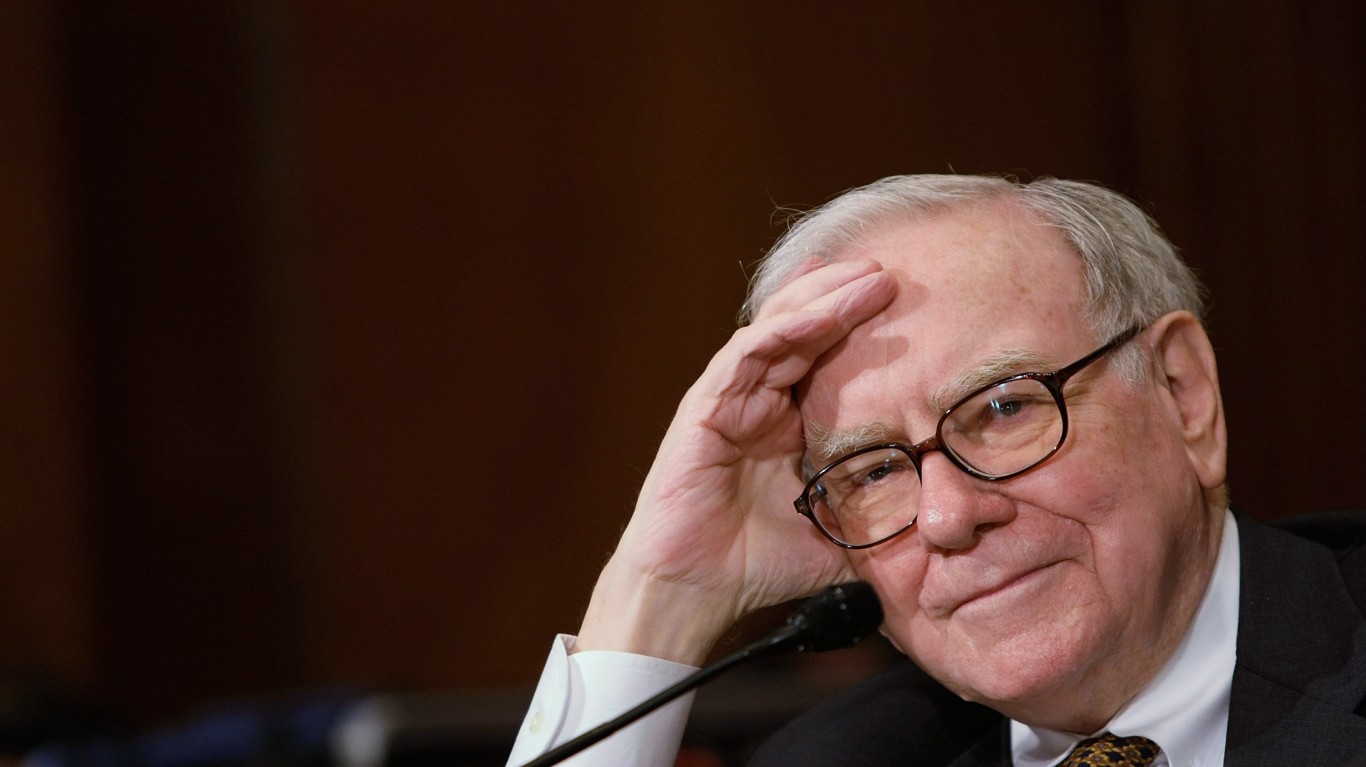
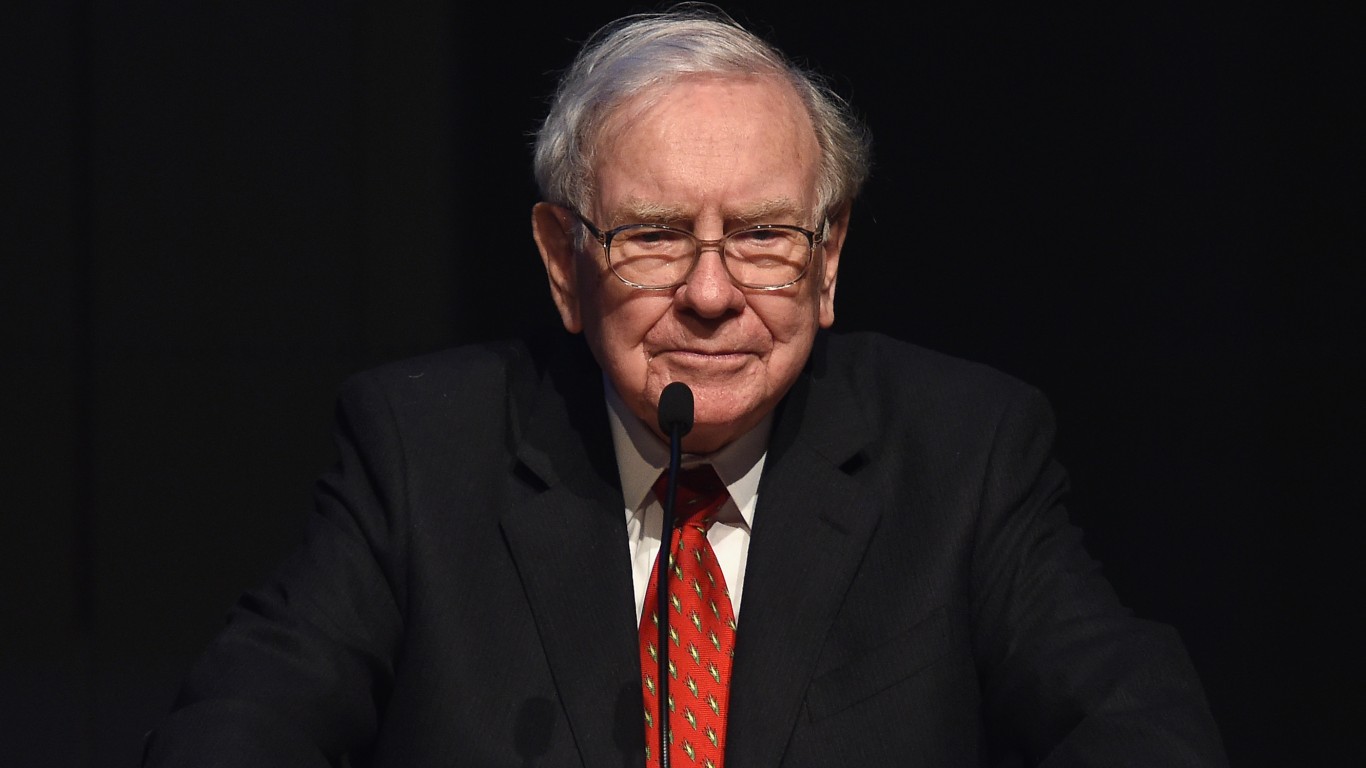
When fear grips the market, it’s best to remember Warren Buffett’s sage advice: Be fearful when others are greedy, and greedy when others are fearful.












 Top Gaining Stocks
 Top Losing Stocks