




Imagine looking at your retirement account and seeing that your money is helping build a city on Mars.
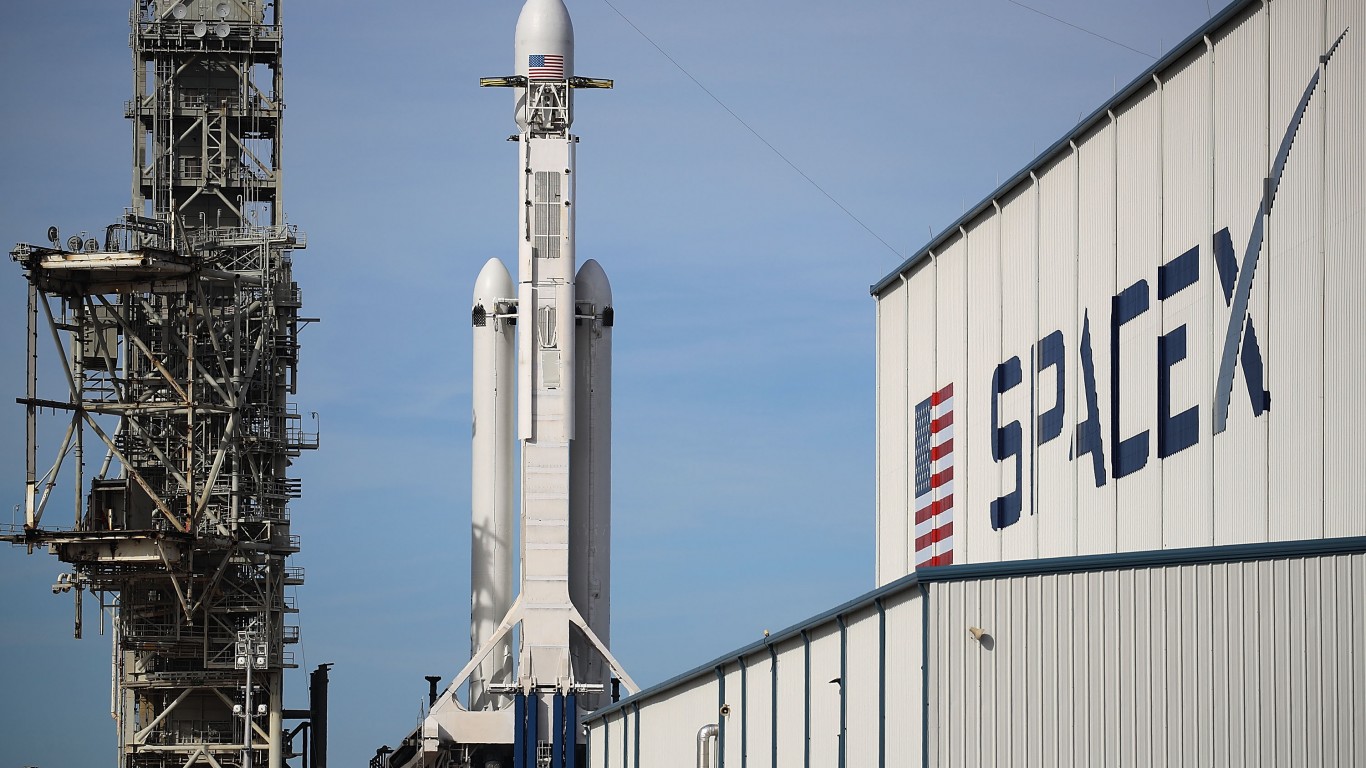
That scenario is no longer science fiction. SpaceX has officially filed its S-1 paperwork to go public, opening its doors to Wall Street and retail investors alike.
An S-1 is a formal document a company must file with the government before selling stock to the public. It is designed to lay out financial truths and risk factors. While most tech companies use this space to talk about software subscriptions and advertising revenue, SpaceX used it to map out the future of humanity in deep space.
The document is hundreds of pages long, but it reads less like a corporate disclosure and more like a blueprint for an interplanetary civilization.
Here are the most fascinating details revealed in the filing.
The Unprecedented Risk Factors
Every company must list what could go wrong with their business model. Usually, these are things like “increased competition” or “changing consumer tastes.” SpaceX took a radically different approach.
-
Extraterrestrial Liability: The filing explicitly warns investors that Martian colonization will require massive amounts of capital and may not see a return on investment for decades, if ever.
-
Loss of Human Life: In a stark legal acknowledgment, the company states that deep space exploration carries an inherent risk of catastrophic mission failure and the potential loss of human life.
-
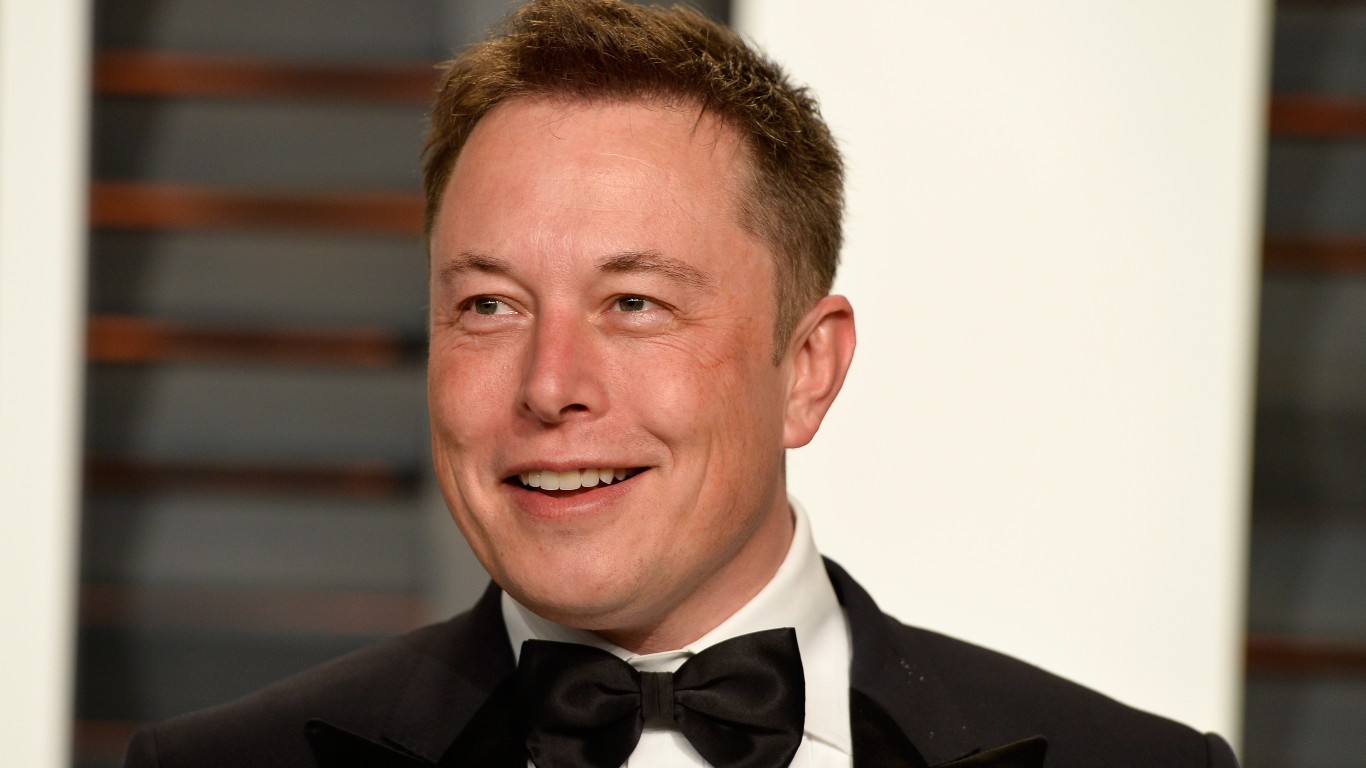
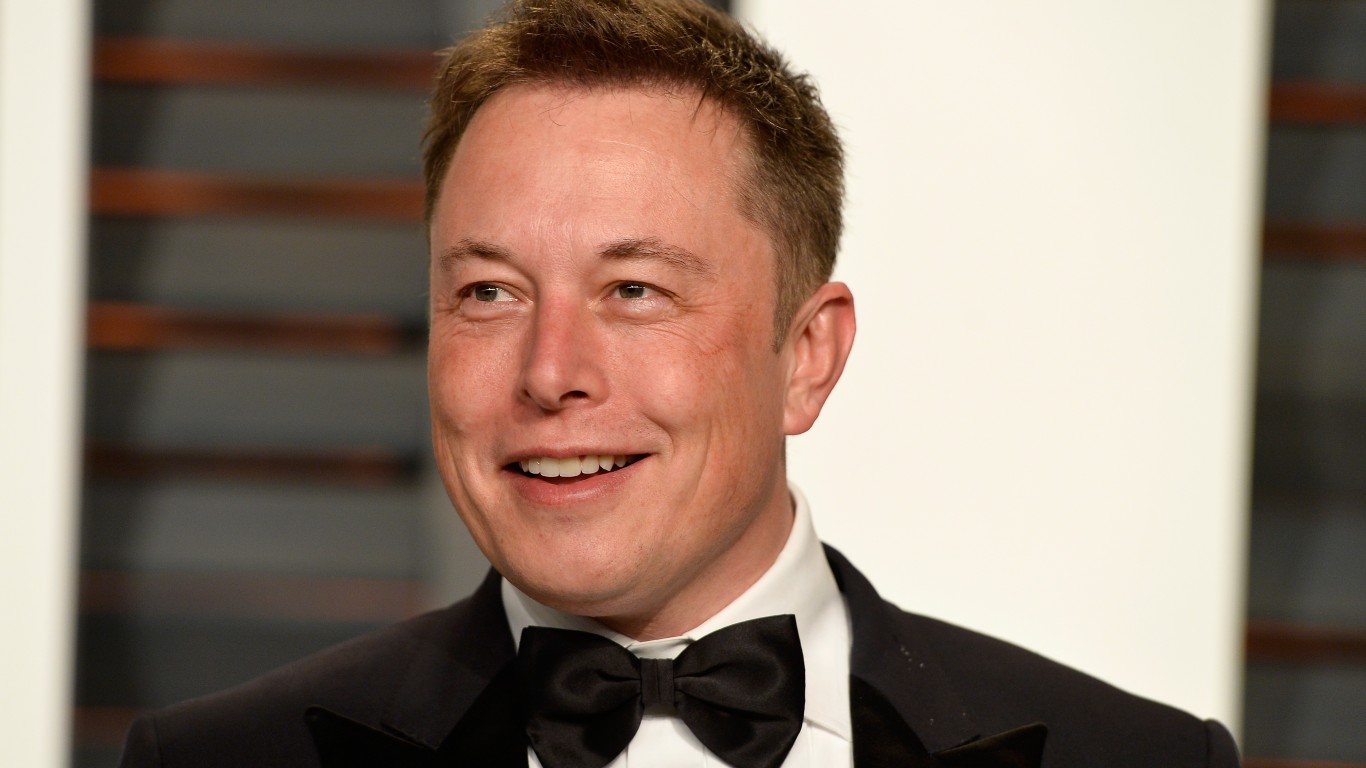
The Key Man Risk: The document devotes a massive section to Elon Musk. It details the potential danger of his split attention across his other ventures like Tesla, X, and xAI, noting that his public persona represents a unique volatility risk for shareholders.
Starlink is Funding the Voyage
How do you pay for a fleet of spaceships capable of carrying millions of tons of cargo to another planet? The answer is everyday internet users.
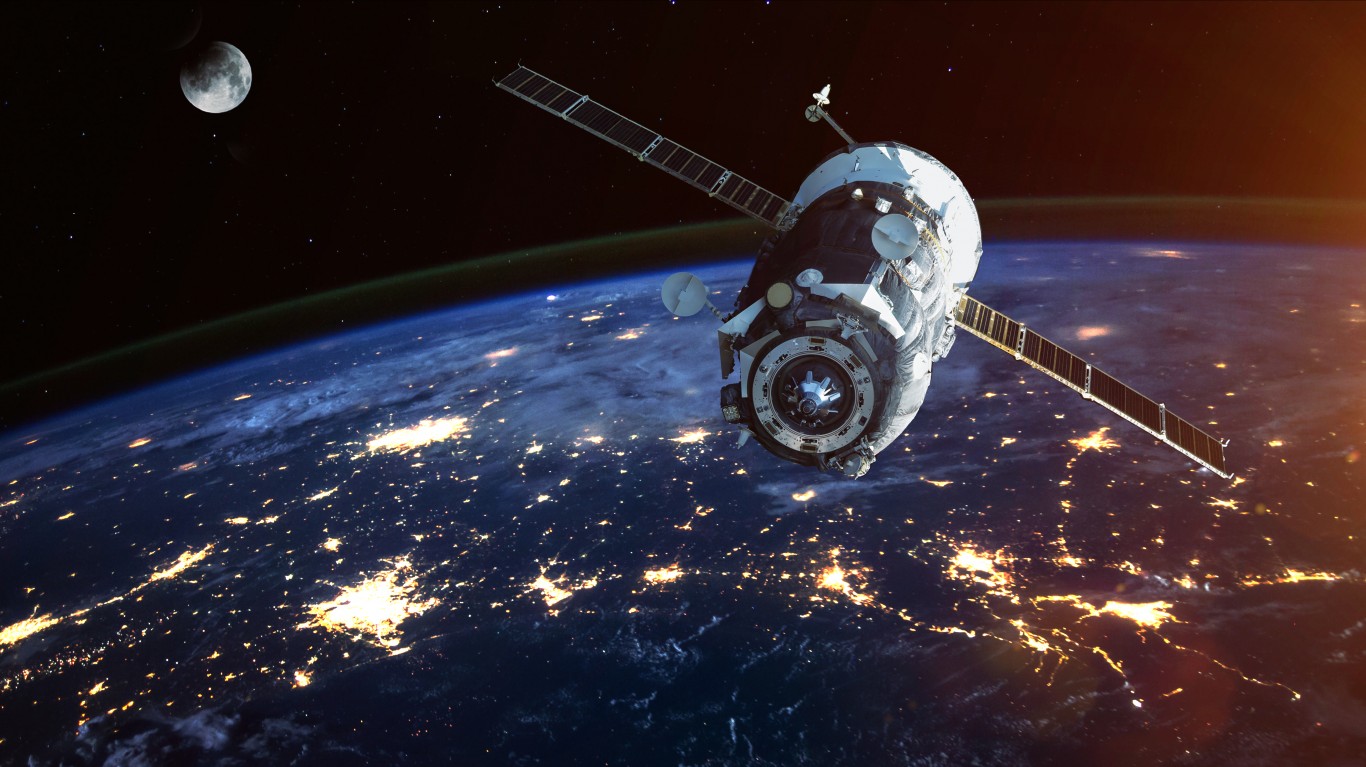
The S-1 confirms that Starlink, the company’s satellite internet division, has crossed the threshold into massive profitability.
-
The Cash Cow: Starlink subscriptions from regular consumers, commercial airlines, and cruise ships are now generating more steady, recurring revenue than traditional rocket launches.
-
The Financial Loop: SpaceX is essentially a telecom company disguised as a rocket company. The profits from beaming internet to Earth are directly funding the development of Starship, the massive rocket designed for Mars.
Starshield and the Pentagon
While Mars captures the public imagination, the U.S. military is securing the company’s immediate financial future. The filing sheds light on “Starshield,” a specialized defense version of Starlink.
-
Government Dependency: The document reveals just how deeply the U.S. government relies on SpaceX for national security, featuring billions of dollars in classified and unclassified defense contracts.
-
The Orbital Moat: Because legacy defense contractors cannot match the low cost of SpaceX’s reusable rockets, Starshield has effectively built a monopoly on modern space-based defense infrastructure.
The Verdict for Investors
The SpaceX S-1 presents Wall Street with a profound paradox. On one hand, you have a company with a functional monopoly on space launch and global satellite internet, spinning off incredible amounts of cash. On the other hand, the leadership is openly committed to spending those profits on a high-risk, multi-decade mission to settle a cold, dead planet.
For the average investor, buying a share of SpaceX will mean choosing to participate in history’s largest financial gamble: whether humanity can truly become a multi-planetary species.
Contact [email protected] for any questions or corrections.






 Top Gaining Stocks
 Top Losing Stocks