SpaceX Has a Plan for AI That Sounds Like Pure Science Fiction. How It Impacts Your Wealth
There’s a pre-IPO document making the rounds that reads like a chapter from an Arthur C. Clarke novel. The company behind it wants to launch 100 gigawatts of compute to space each year, roughly one fifth of total annual U.S.…

This post may contain links from our sponsors and affiliates, and Flywheel Publishing may receive compensation for actions taken through them.
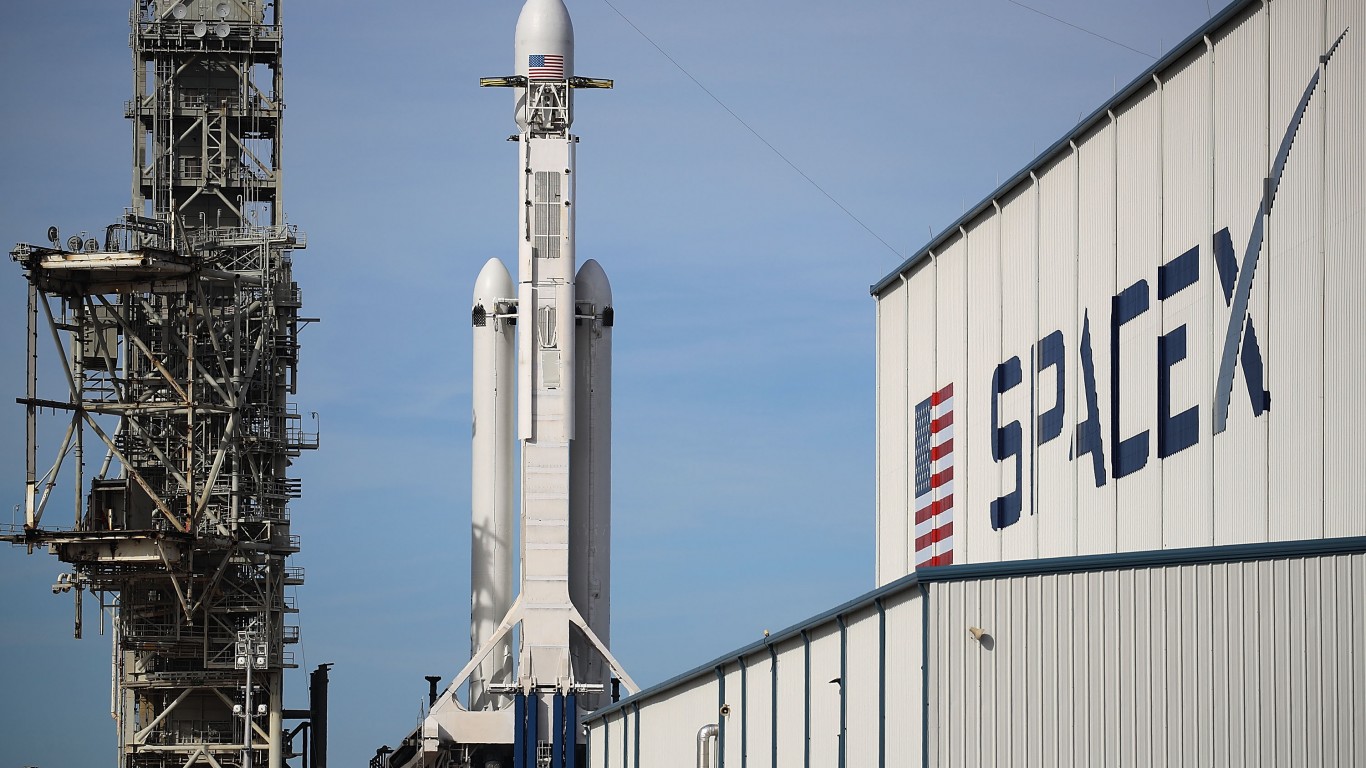
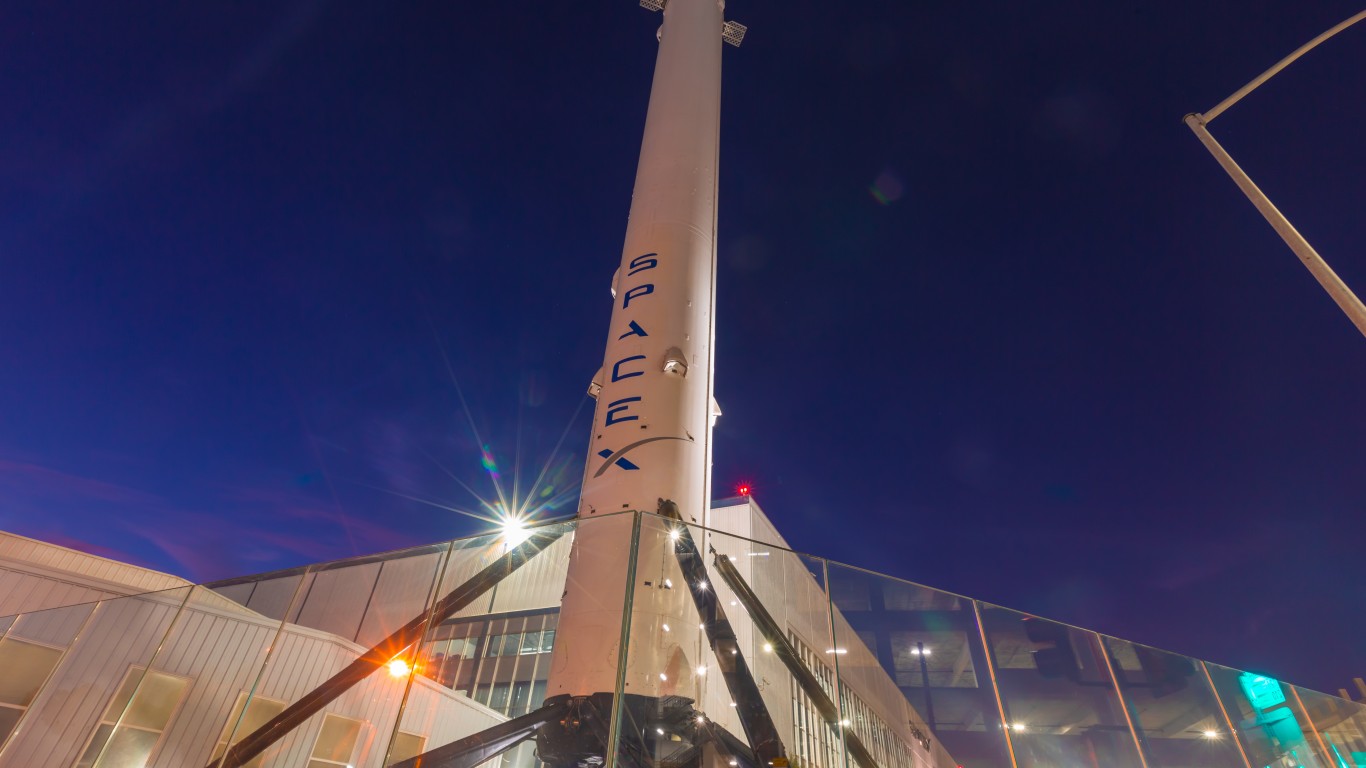
There’s a pre-IPO document making the rounds that reads like a chapter from an Arthur C. Clarke novel. The company behind it wants to launch 100 gigawatts of compute to space each year, roughly one fifth of total annual U.S. power production in 2025. I’ve been reading every AI infrastructure filing I can get my hands on for the last two years, and this one stopped me cold.
The company is SpaceX, of course. The plan is data centers in orbit. Also “of course,” I suppose. Feels like the phrase of 2026 when it comes to technology.
The Premise: Earth Runs Out Before AI Does
SpaceX’s IPO paperwork makes a claim that should rattle every hyperscaler boardroom: “Earth’s finite resources will not be able to sustain the immense computational demands of advanced AI models.” The Department of Energy already projects data centers will account for up to 12% of U.S. electrical demand by 2028. SpaceX’s answer is to skip the grid entirely.
The pitch in the IPO documents is direct: SpaceX believes it is “the only company with a commercially viable path to building orbital AI compute at scale.” The architecture uses modular shells built around its satellite constellation, powered by dawn-dusk Sun-synchronous orbit that delivers near-constant solar exposure, and stitched together by over 23,000 inter-satellite lasers already flying on Starlink. After the February 2, 2026 merger with xAI, Grok is the anchor tenant.
Why This Hits NVIDIA, Microsoft, and Amazon
NVIDIA (NASDAQ:NVDA | NVDA Price Prediction) just posted Q1 data center sales of $75B, a 92% YoY increase, with CEO Jensen Huang calling AI factories “the largest infrastructure expansion in human history.” If that buildout migrates to orbit, NVIDIA still sells the silicon. The stock is up 52% over the past year, trading at 24x forward earnings, with an analyst target of $296.81.
Microsoft (NASDAQ:MSFT) is the awkward one. Satya Nadella’s $37 billion AI revenue run rate, up 123% year-over-year, depends on terrestrial Azure capacity that SpaceX’s pitch implicitly calls a dead end. Microsoft shares are down 6% year to date.
Amazon (NASDAQ:AMZN) is the direct competitor. Project Kuiper, now Amazon Leo, fights Starlink for the same orbital slots, while AWS just guided to ~$200 billion in 2026 capex. AWS grew 28% last quarter, its fastest in 15 quarters. The stock is up 17% YTD.
What I’m Watching
SpaceX intends to “deploy the first modular orbital AI compute shells” by the end of the decade. Polymarket traders currently assign only an 8% probability of NVDA closing June at $256 or above, which tells me the public market has not priced any of this in. If you believe Starship makes orbital launch cheap enough to matter, the chapter from the Clarke novel might be the only AI infrastructure thesis that scales past 2030. If you don’t, it’s the most expensive science fair project ever filed with the SEC.
Contact [email protected] for any questions or corrections.
I've been writing about stocks and personal finance for 20+ years. I believe all great companies are tech companies in the long run, and I invest accordingly.