The New Fed Chair Hinted at Rate Cuts. Wall Street Is Betting He Does the Opposite
The new Federal Reserve Chair is talking dovish, and the bond market is calling his bluff. In a CNBC segment that aired June 16, 2026, senior economics reporter Steve Liesman walked through a peculiar divergence: Kevin Warsh emphasized rate cuts…

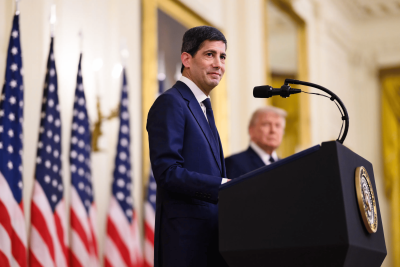
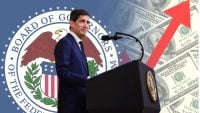
The new Federal Reserve Chair is talking dovish, and the bond market is calling his bluff. In a CNBC segment that aired June 16, 2026, senior economics reporter Steve Liesman walked through a peculiar divergence: Kevin Warsh emphasized rate cuts during his confirmation hearings, but markets are now pricing in higher odds for future rate hikes. For investors trying to position into the second half of 2026, that gap between Fed rhetoric and market expectations is the story.
A Different Kind of Fed Chair
Liesman framed Warsh as a deliberate break from recent precedent on communication style. “Kevin Warsh seems to have some very different ideas about communications than have existed at the Fed previously,” Liesman said. “I think what he wants is the Fed being less a part of the everyday life of markets and investors.”
That is a meaningful tonal shift after years of forward guidance and constant signaling. A quieter Fed footprint would force traders to rely more on hard data and less on speeches between meetings. It also means surprises become more likely, raising the stakes around each FOMC decision.
A Different Inflation Yardstick
The bigger structural change Warsh is hinting at involves how the Fed measures inflation in the first place. “I think the data that’s being used to judge inflation is quite imperfect data,” Warsh said in the segment. “The measures I prefer are looking at things that are called trimmed averages, where we take out all of the tail risks, all of the one off items, and we ask ourselves whether the generalized change in prices is having second order effects on the economy.”
Trimmed-mean inflation strips outliers from the basket and tries to surface the underlying signal. Liesman offered an important caveat. “There are some reasons to be pretty cautious about using the trimmed mean right now. It actually was really slow to pick up on the pandemic inflation,” he said. That lag matters because adopting a measure that misses inflection points could leave the Fed behind the curve when conditions shift.
The backdrop here is hardly benign. The Federal Reserve’s preferred core PCE gauge sat at 129.63 in April 2026, in the 90.9th percentile of its 12-month distribution. The CPI has climbed from 321.435 in June 2025 to 333.979 by May 2026. The segment noted inflation prices rose by more than 4%, well above the Fed’s 2% target.
What the Market Is Saying
While Warsh’s confirmation testimony leaned dovish, rates markets are positioned defensively. The federal funds target stands at 3.75%, unchanged since December 11, 2025, after 75 basis points of cuts over the past 12 months. The 10-year Treasury yield sits at 4.48%, in the 94th percentile of its one-year range. The 2s/10s spread has compressed from 0.74% in February 2026 to 0.40% on June 15.
Elevated long-end yields alongside a flattening curve are consistent with traders doubting that meaningful cuts arrive soon. For a deeper look at the Fed’s own data, see the Federal Funds target rate series at the St. Louis Fed.
The Consumer Squeeze
Households are feeling it. University of Michigan consumer sentiment dropped to 49.8 in April 2026, down from a 12-month high of 61.7 in July 2025. Unemployment has held at 4.3%, in the healthy band, yet confidence has cratered.
Liesman captured the tension. “For people who have been just trying to get by in this economy, this upcoming Fed meeting might be a little bit of a disappointment,” he said. “There’s not much the Fed can do in the very short term to bring down those interest rates.”
What to Watch
Investors should prepare for Fed leadership that could be both less predictable and less accommodative than the recent easing cycle suggested. Warsh’s preferred inflation measure, his communication restraint, and the market’s hike-tilted positioning all point to one practical takeaway: the bar for cuts may be higher than confirmation hearings implied, and duration risk in long bonds remains live.
Contact [email protected] for any questions or corrections.
Joel South covers large-cap stocks, dividend investing, and major market trends, with a focus on earnings analysis, valuation, and turning complex data into actionable insights for investors.
He brings more than 15 years of experience as an investor and financial journalist, including 12 years at The Motley Fool, where he served as an investment analyst, Bureau Chief, and later led the Fool.com investing news desk. He has also co-hosted an investing podcast and appeared across TV and radio discussing market trends.