Why Bill Ackman Poured $2 Billion Into a Stock His Peers Were Fleeing
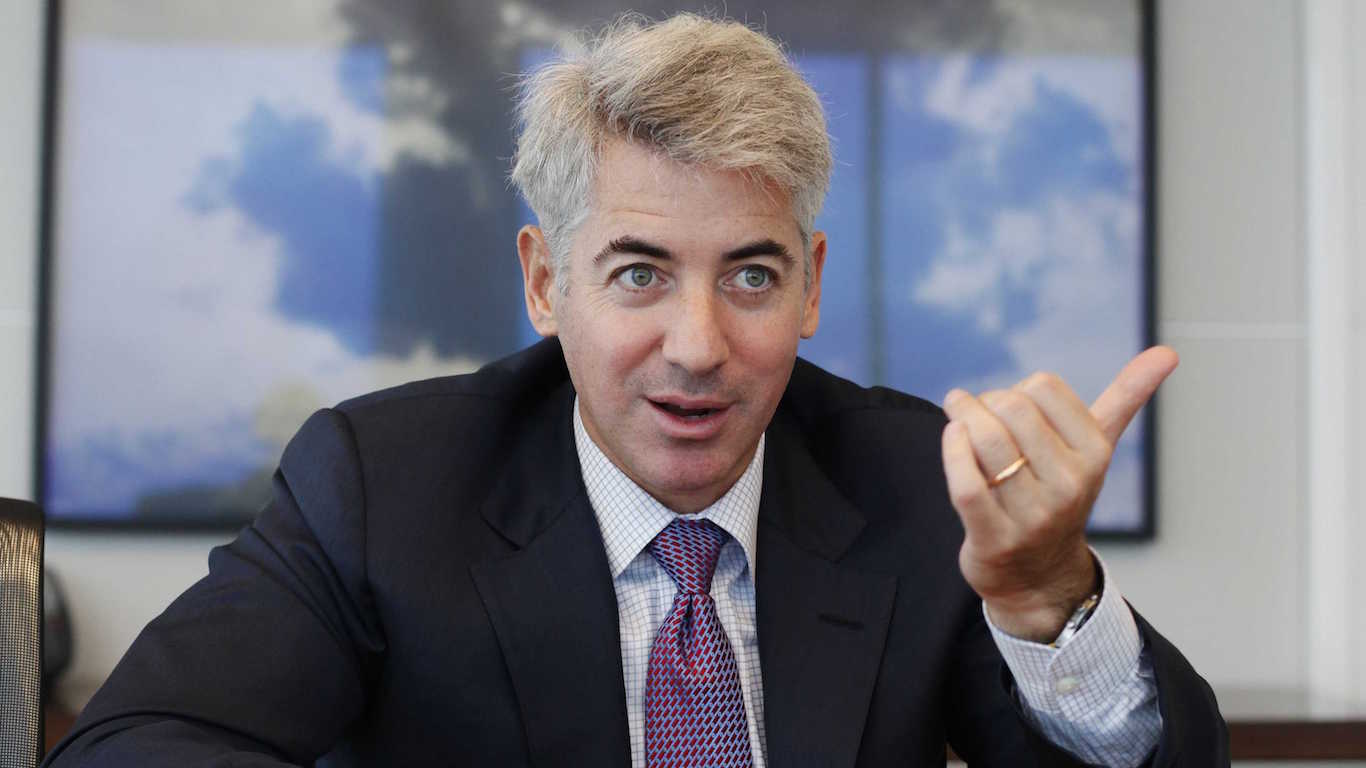
While seasoned hedge fund managers were quietly offloading their Microsoft shares, Bill Ackman made one of his biggest bets in years going the opposite direction, and he funded it by selling a stock that had nearly doubled.

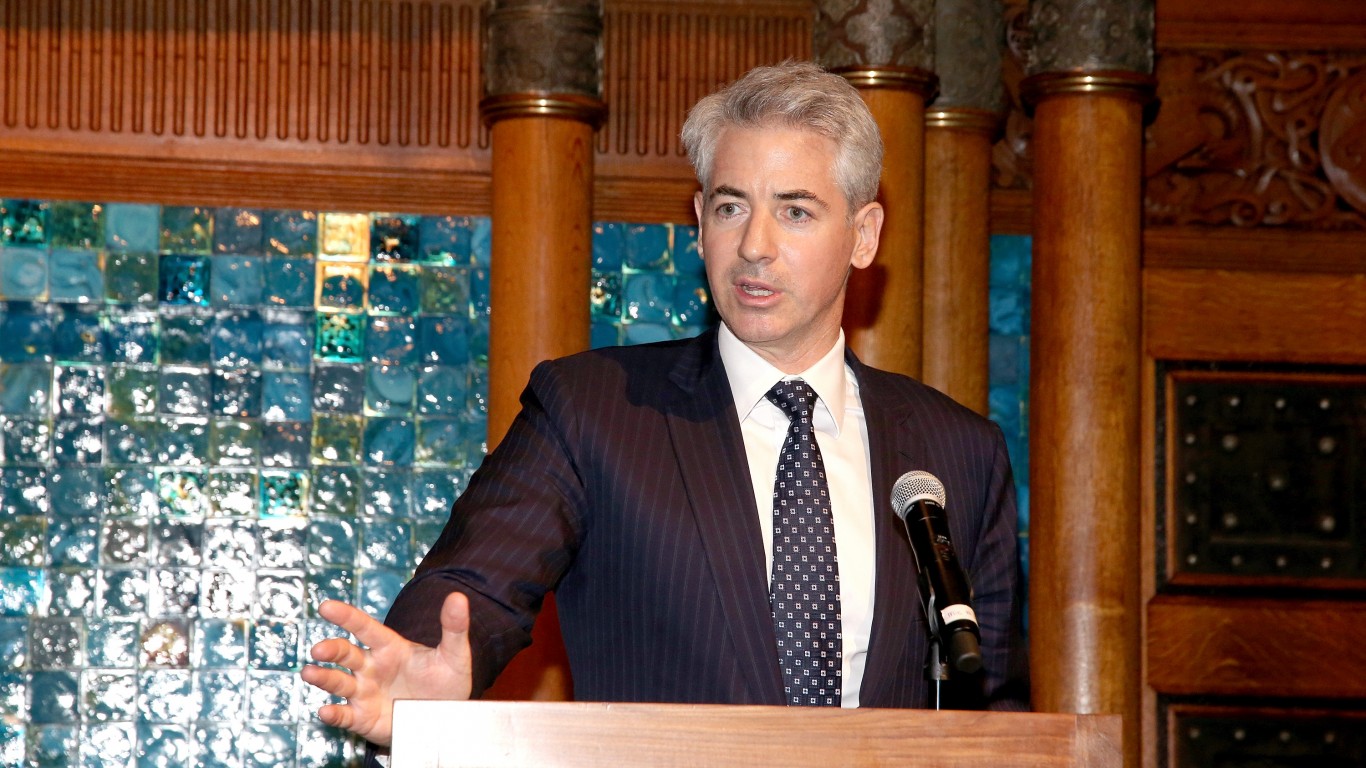
Bill Ackman’s Pershing Square Capital Management opened a new Microsoft (NASDAQ:MSFT | MSFT Price Prediction) position of 5,654,078 shares valued at $2,092,970,053, disclosed in the 13F for the quarter ended March 31, 2026, and filed on May 15, 2026. The stake landed at roughly 15.26% of the disclosed portfolio, an instant top holding.
In the same filing, Pershing Square cut its Alphabet (NASDAQ:GOOG, NASDAQ:GOOGL) exposure to almost nothing, trimming the GOOG share class by 5,852,145 shares, about -94.94%, and reducing the GOOGL class by roughly -95.2%.
A Swap Funded by Alphabet Proceeds
Ackman funded the Microsoft purchase by dumping roughly $1,844,801,000 worth of last cycle’s AI winner, a name that has returned 98.05% over the trailing year. Selling something up nearly 100% to buy something down is the entire trade in one sentence.
Alphabet’s Q2 numbers, reported later on July 22, 2026, were extraordinary. Revenue rose 24% year over year to $119.796 billion, Google Cloud grew 82%, and core operating income climbed 30%. Ackman sold anyway, in Q1, when the market still loved it.
What Microsoft Looked Like When He Was Buying
Microsoft in Q1 was a de-rated stock. It had sold off on its fiscal Q2 report as investors questioned whether Azure’s AI lead was slipping, and forward multiples compressed toward roughly 21x forward earnings, a level Ackman publicly called overblown. By the time the fiscal Q4 report landed on July 30, 2026, the fundamentals had reasserted themselves.
Revenue came in at $90.01 billion with EPS of $4.74, and the stock jumped 8.13% in after-hours trading. Azure crossed a $100 billion annual run rate for the fiscal year, Microsoft 365 Copilot passed 30 million paid seats, and Intelligent Cloud grew 32%. Ackman was buying the operating story the market had temporarily stopped believing.
What Peers Were Doing at the Same Time
Peer positioning went the other way. Reporting on the same Q1 filing cycle indicates Daniel Loeb’s Third Point exited Microsoft, David Tepper’s Appaloosa trimmed the position sharply, Chase Coleman’s Tiger Global reduced its stake meaningfully, and Chris Hohn’s TCI cut hard as well. The directional message is clean. Concentrated managers who had ridden Microsoft for years were rotating out just as Ackman rotated in, and he did it with the proceeds of an Alphabet position most of them were still comfortable holding.
Contrarian moves get remembered when they work, and this one was contrarian on both sides of the trade at once.
What a Retirement Investor Should Take From This
You do not have to copy the trade to learn from it. Microsoft trades at a forward P/E of 24, a trailing 27, a 34% return on equity, and 45.1% operating margins. Alphabet, still statistically cheaper, is the real complication in Ackman’s trade. His bet is that Microsoft’s monetization of enterprise AI, through Azure and Copilot, translates faster into durable earnings than Alphabet’s search-plus-cloud stack, and that the fear which pushed the multiple to 21x was mispriced.
For a retirement-focused investor already holding Microsoft, the takeaway is to hold through the AI-CapEx anxiety cycles rather than trim into them. For anyone considering an entry, Ackman’s price is behind you, but so is the pessimism that let him get in.
Why He Did This
In my opinion, the leading cause was Google losing its edge in AI. Companies like Anthropic, backed by Amazon (NASDAQ:AMZN), and OpenAI, backed by Microsoft, have made massive progress. Anthropic’s Fable 5 and OpenAI’s GPT 5.6 are constantly in the news for hacking into things and their technical prowess. Google seems nowhere close to closing the gap.
Just 6 months ago, it seemed like Google was destined to win the AI race. Now, it seems like a pitched battle between Anthropic, OpenAI, and a handful of Chinese companies.
Contact [email protected] for any questions or corrections.
Omor Ibne Ehsan is a writer at 24/7 Wall St. He is a self-taught investor with a focus on growth, cyclical, and dividend equities that have strong fundamentals, value, and long-term potential. He also has an interest in high-risk, high-reward investments such as penny stocks.