Trump’s New Oil Deal With Venezuela Is Insane — U.S. Now Controls 7.1% of Proven Global Reserves
A quiet deal with Venezuela just handed American interests control over tens of billions of barrels of proven reserves, reshaping the global energy map overnight. But the real story is what it means for investors and whether it can actually…

This post may contain links from our sponsors and affiliates, and Flywheel Publishing may receive compensation for actions taken through them.

Oil markets have spent 2026 wrestling with supply disruptions, Strategic Petroleum Reserve drawdowns to multi-decade lows, and stubborn pump prices that refuse to cooperate with political calendars.
That makes President Trump’s new energy agreement with Venezuela genuinely good news for long-term American energy security. It hands U.S. interests majority control of more than 65 billion barrels of proven Venezuelan reserves — roughly one-fifth of the OPEC nation’s world-leading 303 billion-barrel total — while unlocking private investment aimed at rebuilding a battered industry.
The U.S. currently holds about 46 billion barrels of proven crude oil and lease condensate reserves. Add the 65 billion barrels covered by the agreement, and the combined figure reaches roughly 111 billion barrels. That represents about 7.1% of the world’s 1.57 trillion barrels of proven crude reserves reported by OPEC at the end of 2025 (Venezuela is considering leaving OPEC). The total sits almost exactly in line with the United Arab Emirates’ 113 billion barrels and exceeds Kuwait’s 101.5 billion.
In short, the arrangement expands U.S. access to a meaningful slice of global supply without adding a single new domestic well.
What the Deal Actually Delivers
The agreement, negotiated with Venezuela’s interim leadership, grants American companies long-term access to 17 strategic fields spanning the Orinoco Belt and Lake Maracaibo. Venezuelan officials project more than $100 billion in private investment and $209 billion in eventual tax revenue. Production rights are expected to flow primarily to U.S. operators, with resulting crude directed toward American markets.
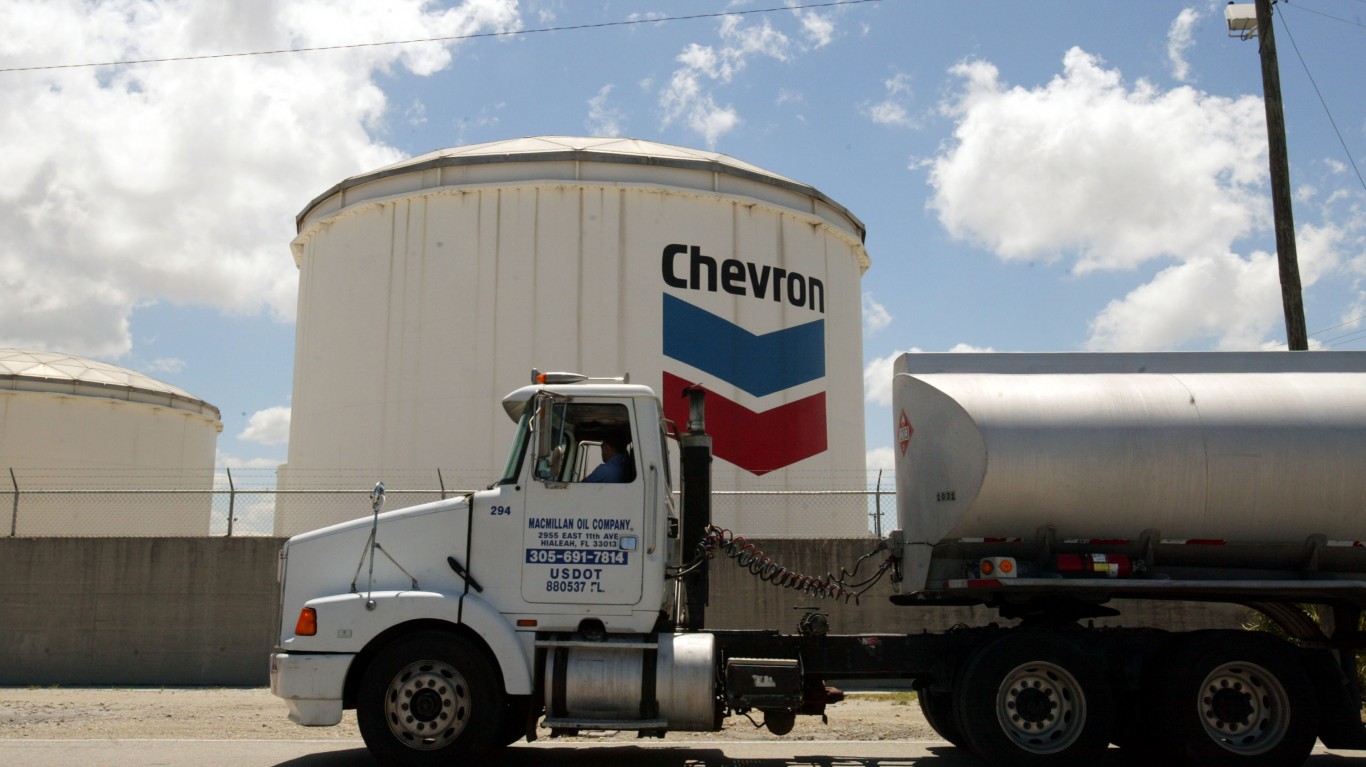
Chevron (NYSE:CVX | CVX Price Prediction) already operates the largest U.S. footprint in the country and accounts for a substantial share of current Venezuelan output near 1.25 million barrels per day. The company is finalizing contract migrations under the new hydrocarbons framework and is positioned to expand into additional heavy-oil blocks. Service providers such as SLB (NYSE:SLB) have also secured early contracts for technology and equipment. These moves convert political headlines into tangible capital spending and potential production growth over the next several years.
Why Gas Prices Won’t Fall Overnight
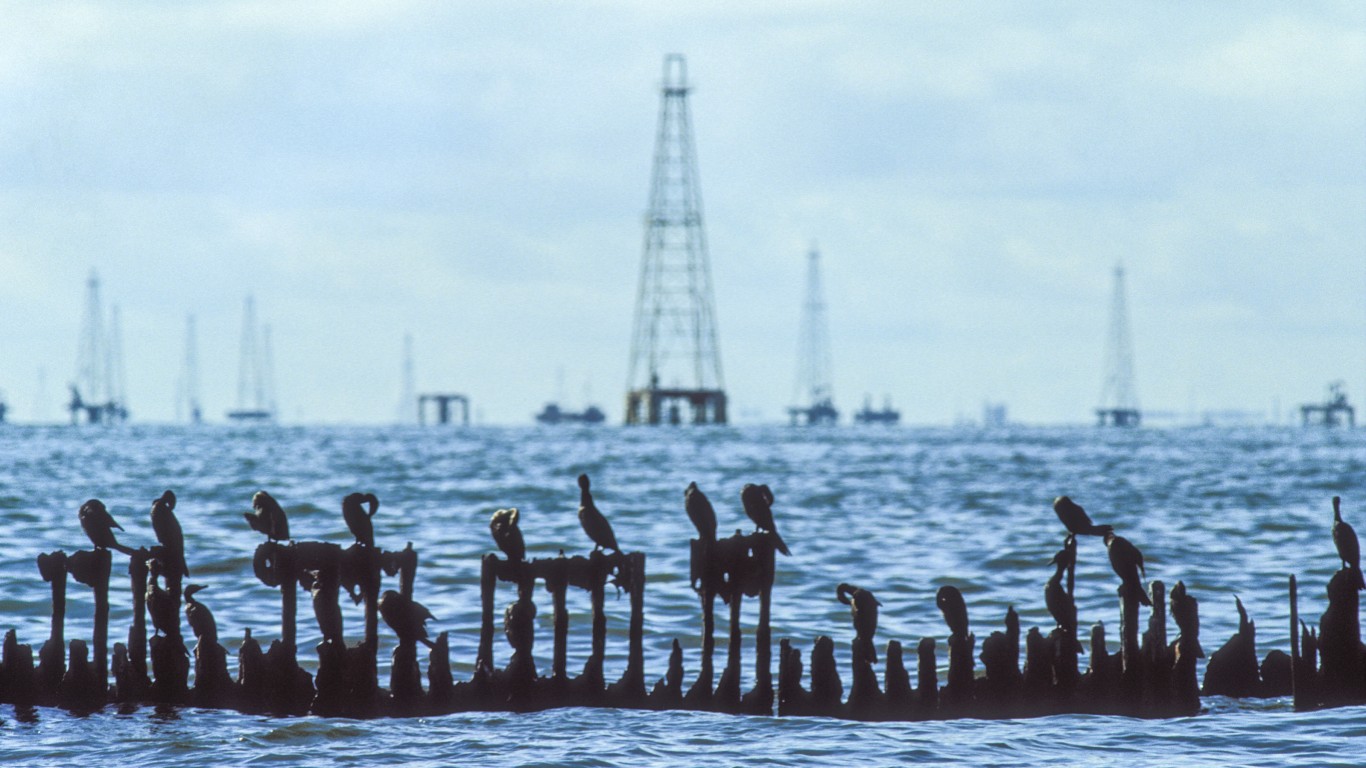
Venezuela’s oil is predominantly extra-heavy crude that requires diluents, specialized refining, and major infrastructure repairs after years of underinvestment. Current output sits at roughly 1.2 million to 1.25 million barrels per day — its highest level since 2019 — yet remains a fraction of the country’s historic peaks above 3 million barrels. Even with rapid investment, meaningful incremental supply will take time to reach global markets.
U.S. Gulf Coast refiners like Marathon Petroleum (NYSE:MPC) and Valero Energy (NYSE: VLO) already process a large share of Venezuelan crude and stand to benefit from more reliable volumes. That improves energy security and supports refining margins. It does not, however, create an immediate flood of light sweet crude that would pressure gasoline prices lower in the next few months. Global balances still reflect other disruptions, and the deal’s full production impact will unfold over years rather than quarters.
The Investing Angle for Smart Shareholders
For investors, the clearest near-term opportunity sits with companies that already have skin in the game and balance sheets strong enough to fund expansion. Chevron’s existing joint ventures and operational knowledge give it a first-mover edge. Its diversified global portfolio and consistent free-cash-flow generation provide a buffer while Venezuelan projects ramp. Service companies with early contracts stand to book incremental revenue as drilling and facility work accelerates.
Granted, political and legal risks remain. Infrastructure bottlenecks and the heavy nature of the crude could temper the pace of growth. That said, the combination of U.S. policy support, sanctions relief through updated Office of Foreign Assets Control licenses, and private capital creates a clearer path than the sector has seen in more than a decade.
Investors focused on energy security and multi-year production growth now have a concrete set of assets to watch.
Key Takeaway
The Venezuela agreement strengthens America’s long-term oil position and opens a multi-billion-dollar investment runway for U.S. energy companies. It does not deliver an overnight drop at the pump. Smart investors should treat the news as a structural positive for firms already active in the country — particularly Chevron — while recognizing that the real production and cash-flow benefits will arrive gradually.
Contact [email protected] for any questions or corrections.
After two decades of patrolling the dark corners of suburbia as a police officer, Rich Duprey hung up his badge and gun to begin writing full time about stocks and investing. For the past 20 years, he’s been cruising the markets looking for companies to lock up as long-term holdings in a portfolio while writing extensively on the broad sectors of consumer goods, technology, and industrials. Because his experience isn’t from the typical financial analyst track, Rich is able to break down complex topics into understandable and useful action points for the average investor. His writings have appeared on The Motley Fool, InvestorPlace, Yahoo! Finance, Money Morning, and, of course, 24/7 Wall St. He has been featured in both U.S. and international publications, including MarketWatch, Financial Times, Forbes, Fast Company, and USA Today.