America’s Strategic Oil Reserves Are at 44-Year Lows — And Trump Just Gave Away Another 40 Million Barrels
America's emergency oil stockpile is draining toward levels not seen since Reagan was president, and the administration just authorized another massive release at the worst possible moment for global supply. What gets left behind matters far more than what goes…

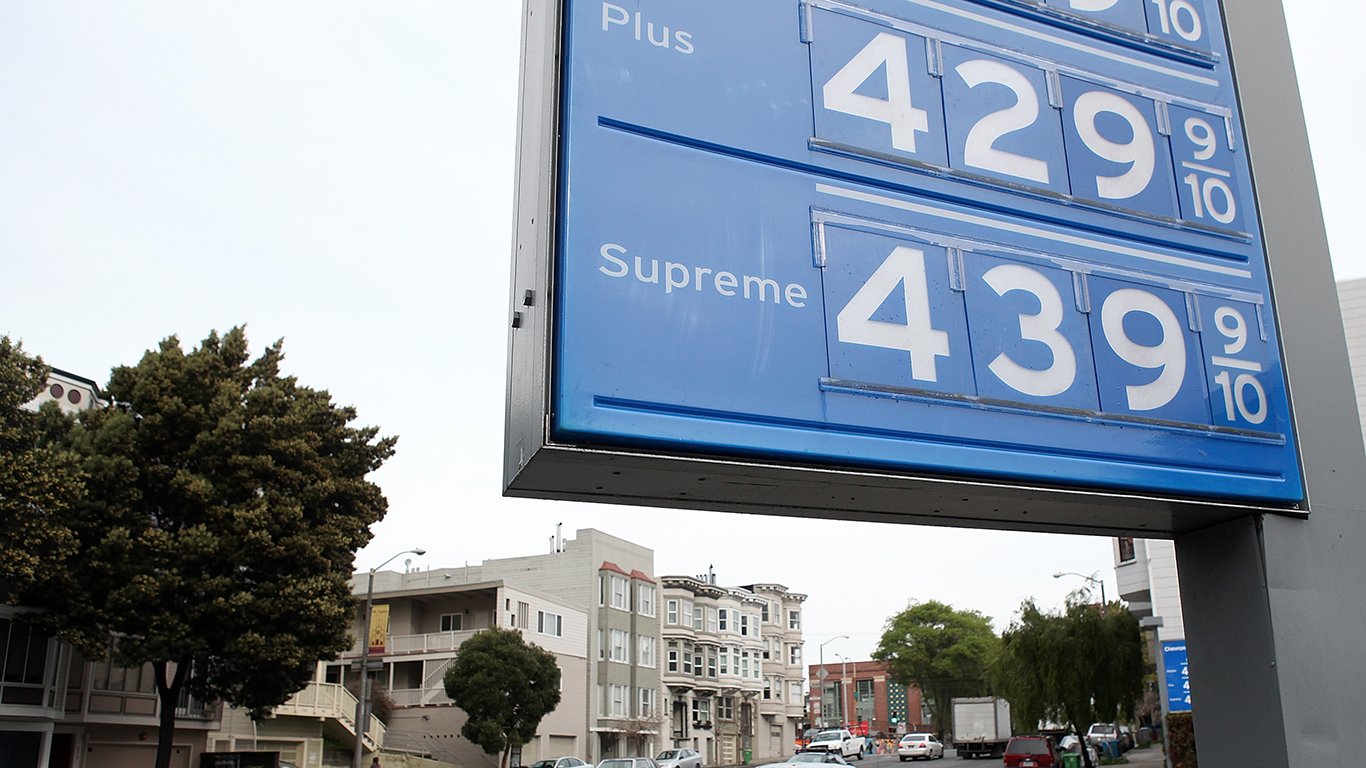
Oil markets are operating with little room for error. West Texas Intermediate crude trades above $91 a barrel this morning, while the Iran conflict, disrupted shipping, and tight diesel supplies continue putting a geopolitical premium on energy prices. Now America’s insurance policy against another supply shock is getting thinner, too.
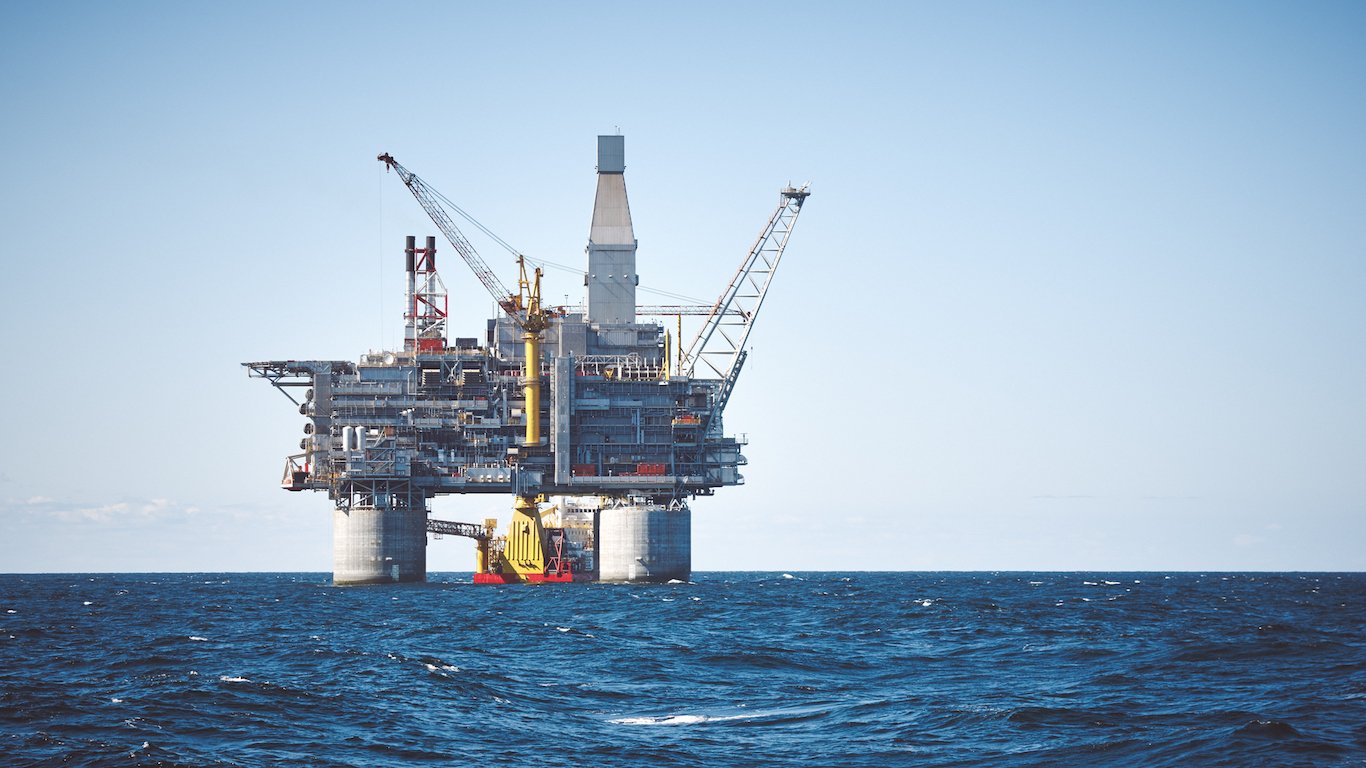
The Strategic Petroleum Reserve has fallen to levels not seen since Ronald Reagan’s first term. And the Trump administration is releasing another 40 million barrels from it into the global market. Although the release is supposed to help temper the increase in prices by putting more oil in circulation, investors should pay attention to what it leaves behind.
The SPR Is Approaching Empty-Tank Territory
U.S. Department of Energy data show the SPR fell by roughly 800,000 barrels last week to 283.8 million barrels — its lowest level since October 1982. That represents the 27th consecutive weekly decline and leaves the reserve more than 132 million barrels below its recent peak.
Now the Energy Department is soliciting another 40 million barrels for delivery in November and December, the final installment of Washington’s commitment to a 400-million-barrel coordinated International Energy Agency release. The U.S. pledged 172 million barrels of that total.
If all 40 million barrels leave before meaningful quantities are returned, the SPR could temporarily sink below 250 million barrels.
That is important because strategic reserves are essentially catastrophe insurance. Having less oil stored does not create a shortage, but it gives Washington less flexibility if war, hurricanes, sanctions, or infrastructure failures suddenly remove supply.
It Isn’t Really a 40-Million-Barrel Giveaway
There is an important caveat. The government isn’t selling these barrels and then walking away. The DOE structured the transaction as an exchange. Companies borrow crude now and must return it later with additional barrels as a premium. Previous 2026 exchanges generated premiums of roughly 24% to 26%, according to DOE, potentially allowing the SPR eventually to receive more oil than it released.
The catch is timing. Reuters reports the oil may not be completely returned until late 2028, well beyond any near-term crises that may arise. So, although the long-term accounting could work,. the cupboard today is getting considerably and dangerously barer.
Could Venezuela Refill the Tank?
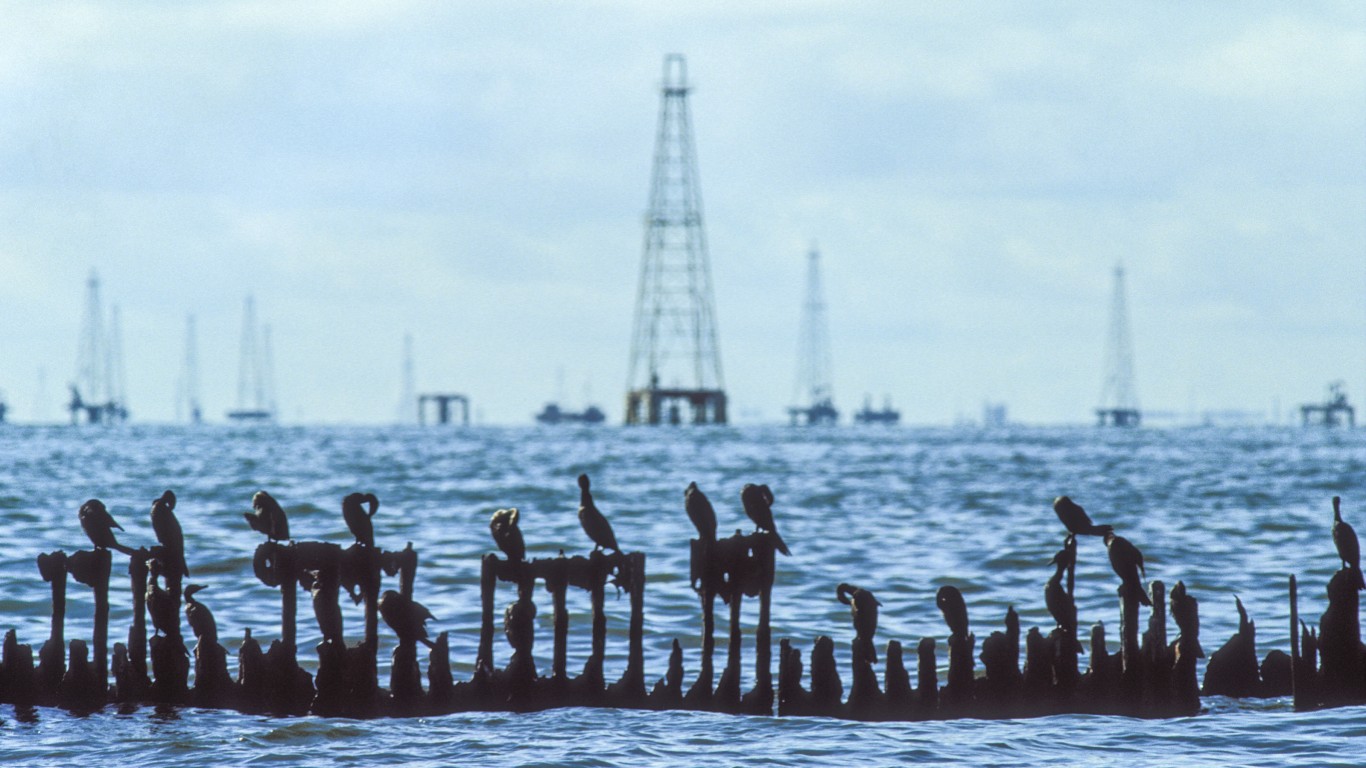
President Trump has proposed using Venezuela’s enormous oil resources to help rebuild the SPR. The White House says its August agreement provides access to low-cost Venezuelan crude, while Energy Secretary Chris Wright has discussed exchanging that heavy Venezuelan oil for lighter U.S. crude better suited to SPR storage.
That could eventually reduce replenishment costs, but it is hardly an overnight solution. Venezuelan production requires investment, its heavy crude needs specialized refining, and rebuilding hundreds of millions of SPR barrels would take years.
For investors, that keeps the energy-security premium alive. ExxonMobil (NYSE:XOM | XOM Price Prediction), Chevron (NYSE:CVX), and the State Street Energy Select Sector SPDR Fund (NYSEARCA:XLE) offer different ways to maintain exposure if oil stays elevated.
Key Takeaway
America isn’t permanently losing another 40 million barrels, but it is borrowing against its emergency cushion at a time when crude markets remain vulnerable.
Sharp investors shouldn’t chase oil simply because the SPR is shrinking. But with reserves at a 44-year low and geopolitical supply risks still elevated, keeping profitable oil producers represented in a diversified portfolio looks increasingly like insurance of its own.
Contact [email protected] for any questions or corrections.
After two decades of patrolling the dark corners of suburbia as a police officer, Rich Duprey hung up his badge and gun to begin writing full time about stocks and investing. For the past 20 years, he’s been cruising the markets looking for companies to lock up as long-term holdings in a portfolio while writing extensively on the broad sectors of consumer goods, technology, and industrials. Because his experience isn’t from the typical financial analyst track, Rich is able to break down complex topics into understandable and useful action points for the average investor. His writings have appeared on The Motley Fool, InvestorPlace, Yahoo! Finance, Money Morning, and, of course, 24/7 Wall St. He has been featured in both U.S. and international publications, including MarketWatch, Financial Times, Forbes, Fast Company, and USA Today.