Southwest Airlines Just Dropped 14% in a Month. Is It Time to Sell?
Southwest Airlines just fell harder than every major carrier and the entire sector fund combined, and the reason traces back to one strategic decision the airline made long before oil prices turned ugly.

Southwest Airlines (NYSE:LUV | LUV Price Prediction) stock has emerged as the sector’s biggest laggard over the past month, and the reason pertains to a single strategic decision made well before crude oil turned higher this summer.
Southwest Airlines shares are down 2% to $38.67 in Monday midday trading, and the stock has fallen 14% over the past month. That trails the main U.S. carriers and a well-known airline sector fund.
The U.S. Global Jets ETF (NYSEARCA:JETS) is down 9% to $28.50 over the past month, so the entire group repriced together. Southwest Airlines stock simply fell the most, and the gap between Southwest Airlines and the fund is what this article has to explain.

Fuel Repricing Hit the Whole Group
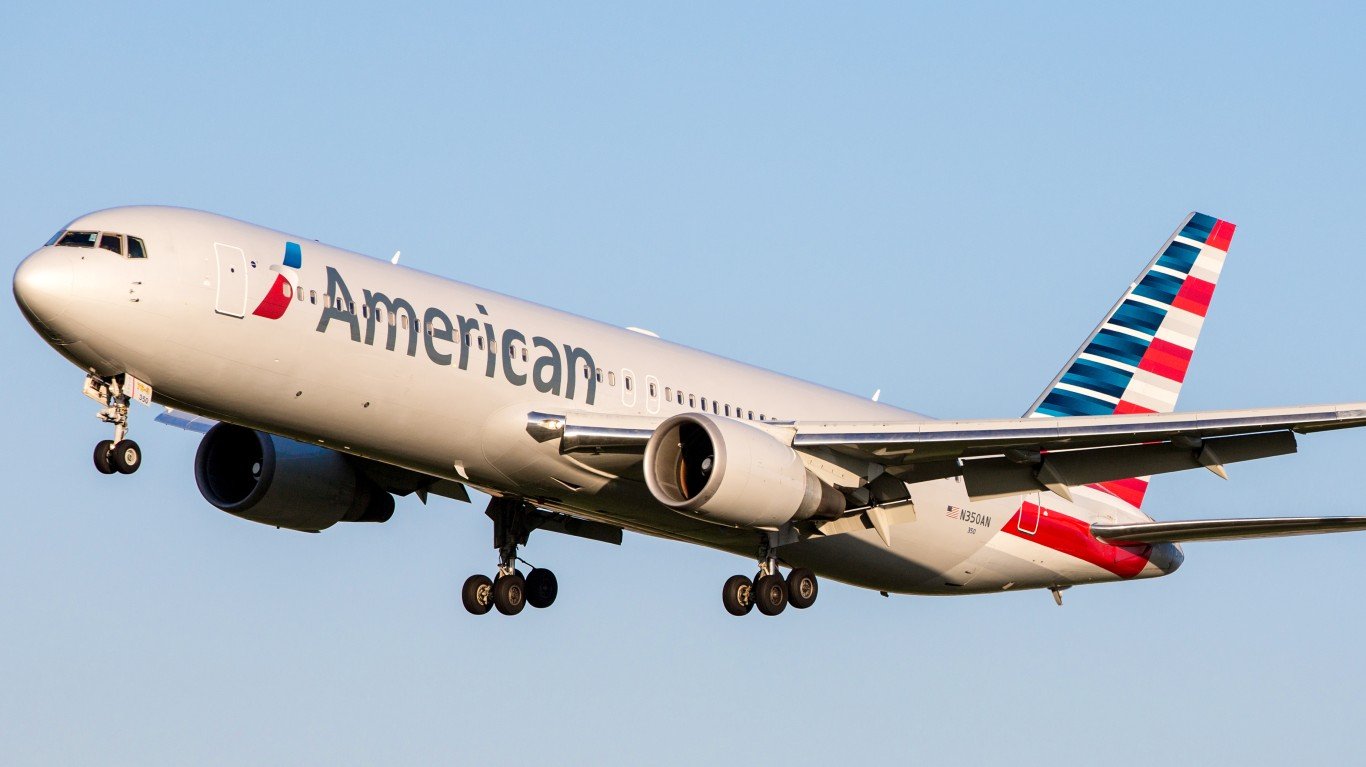
The peer moves confirm a broad sector event. Delta Air Lines (NYSE:DAL) stock is down 11% over the past month. American Airlines Group (NASDAQ:AAL) stock is down 12% over the past month.
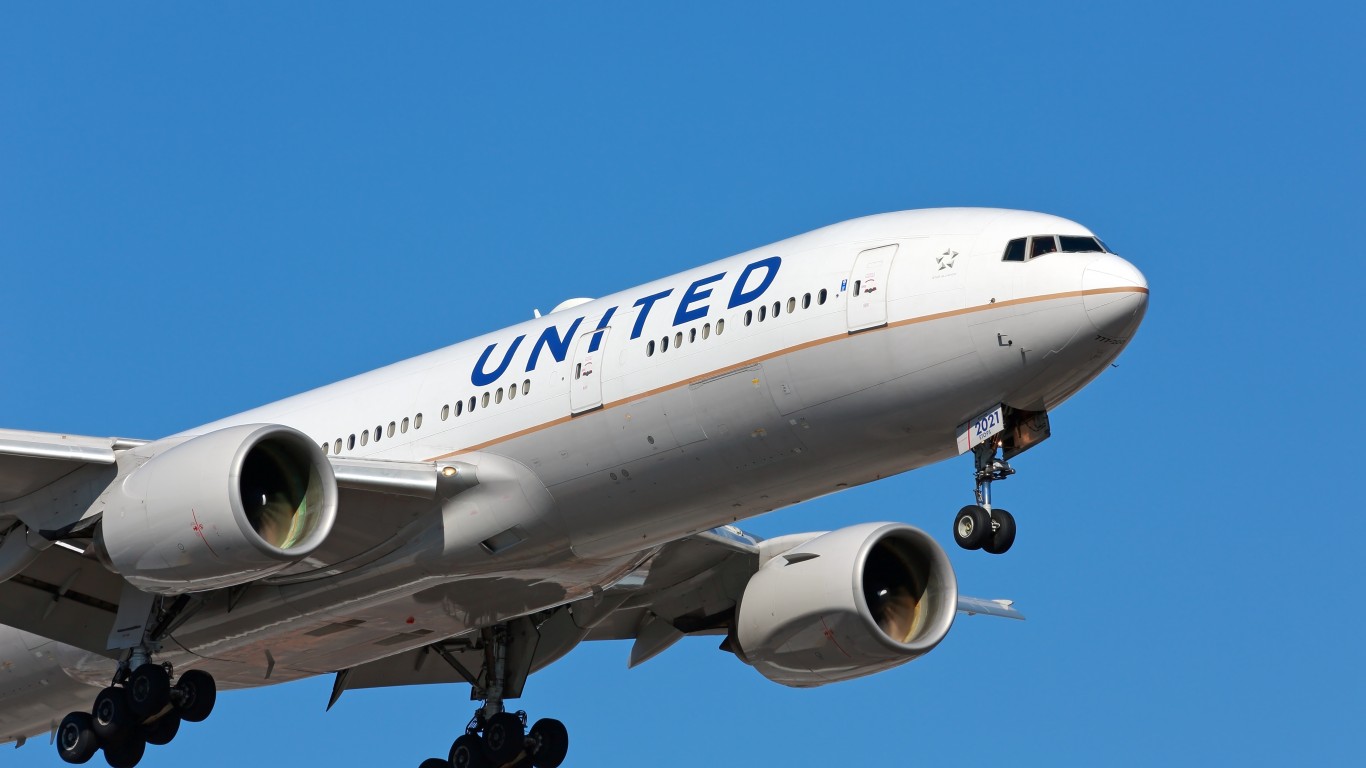
United Airlines Holdings (NASDAQ:UAL) stock is down 11% over the past month. Crude oil strengthened through the month, and U.S. strikes on Iranian targets pushed WTI crude oil above $86 in the current session. Jet fuel is an airline’s largest variable cost, which is why the whole group fell together.
Why Southwest Airlines Fell Hardest
Southwest Airlines discontinued its fuel hedging program, leaving it fully exposed to price swings that hedged peers can absorb more gradually. That’s the cleanest available explanation for Southwest Airlines underperforming three larger carriers and the sector fund at the same time.
The guidance reset amplified the pressure. On July 23, Southwest Airlines replaced its prior full-year 2026 adjusted EPS guidance of at least $4 with a range of $3.25 to $4.25, reflecting the forward fuel curve as of July 17 and an estimated year-to-date fuel headwind of $1.33 per share. That lowered the earnings bar just before this month’s decline.
The bull side is genuinely strong. Southwest Airlines’ second-quarter 2026 adjusted EPS reached $0.94, up 120% year over year, with adjusted operating revenue setting a record of $8.7 billion on capacity growth of just 0.2% and adjusted operating margin expanding to 6.7%. CEO Bob Jordan stated on the second-quarter 2026 call, “While fuel prices have remained volatile and elevated, industry recapture has been swift and pricing has remained sticky.” Southwest Airlines’ managed business revenue grew 30% year over year and Southwest Airlines ended the quarter with $5.3 billion of liquidity.

The bear side is equally direct. The operating improvement is real, yet fuel is outrunning it, and with no hedges Southwest Airlines has no buffer if crude oil keeps climbing. Southwest Airlines also guided fourth-quarter capacity up 4% to 4.5% year over year, its largest sequential third-to-fourth-quarter increase, adding seats into a market where costs are rising.
What to Watch Next
Investors can watch for the next monthly jet fuel print and any Southwest Airlines commentary on whether industry pricing continues to recapture the fuel move. If crude oil holds above $86, the fuel curve embedded inside the $3.25 to $4.25 EPS range gets meaningfully harder to hit, and the same math applies to Delta Air Lines, American Airlines Group and United Airlines Holdings.
Cautious position sizing should be considered with airline stocks now, including LUV stock. With no hedge program to smooth results, Southwest Airlines carries more single-variable risk than Delta Air Lines or United Airlines Holdings on any given fuel move, so anyone weighing a starter position should size to that volatility rather than to the second-quarter headline. The next scheduled catalyst is Q3 2026 earnings, when management could narrow or refresh the full-year range and either validate the transformation thesis or confirm that fuel has taken over the story.
Contact [email protected] for any questions or corrections.
David Moadel is financial writer specializing in stocks, ETFs, options, precious metals, and Bitcoin. David has written well over 1,000 articles for leading online publications, helping investors understand markets, income strategies, and risk.His work has appeared in The Motley Fool, InvestorPlace, U.S. News & World Report, TipRanks, ValueWalk, Benzinga, Market Realist, TalkMarkets, Finmasters, 24/7 Wall St., and others.With a master’s degree in education, David has taught at the elementary, high school, and college levels. That teaching background shapes his writing style: clear, educational, and practical. David has also built a loyal social-media audience by providing trustworthy financial content on YouTube, X/Twitter, and StockTwits.