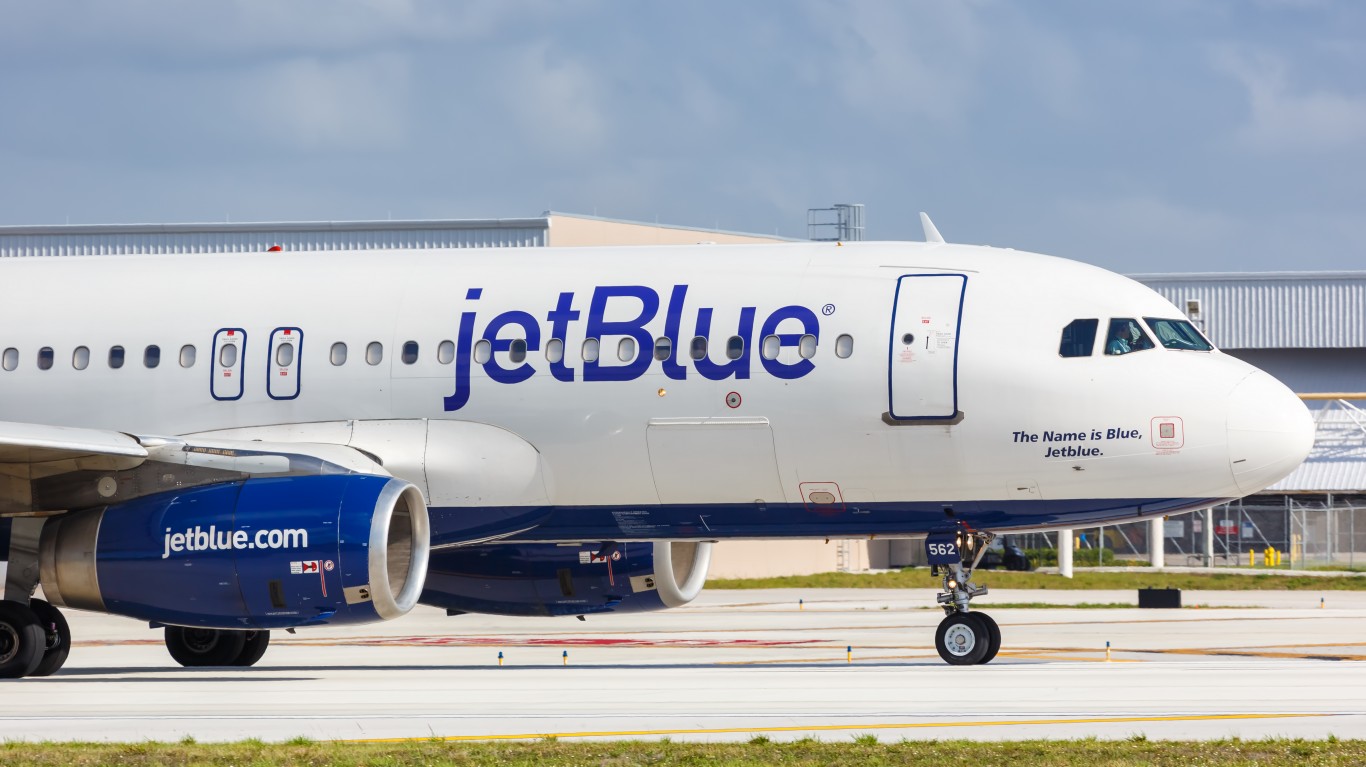
JetBlue Soars 11%, United Rallies 6% as Oil Drops on Iran Peace Talk Hopes; American Airlines Gains 5%
Oil is tumbling on U.S.-Iran peace talk hopes, and airline stocks are surging in response, but the carrier with the most to gain is also the one with the least room for error if diplomacy falls apart.

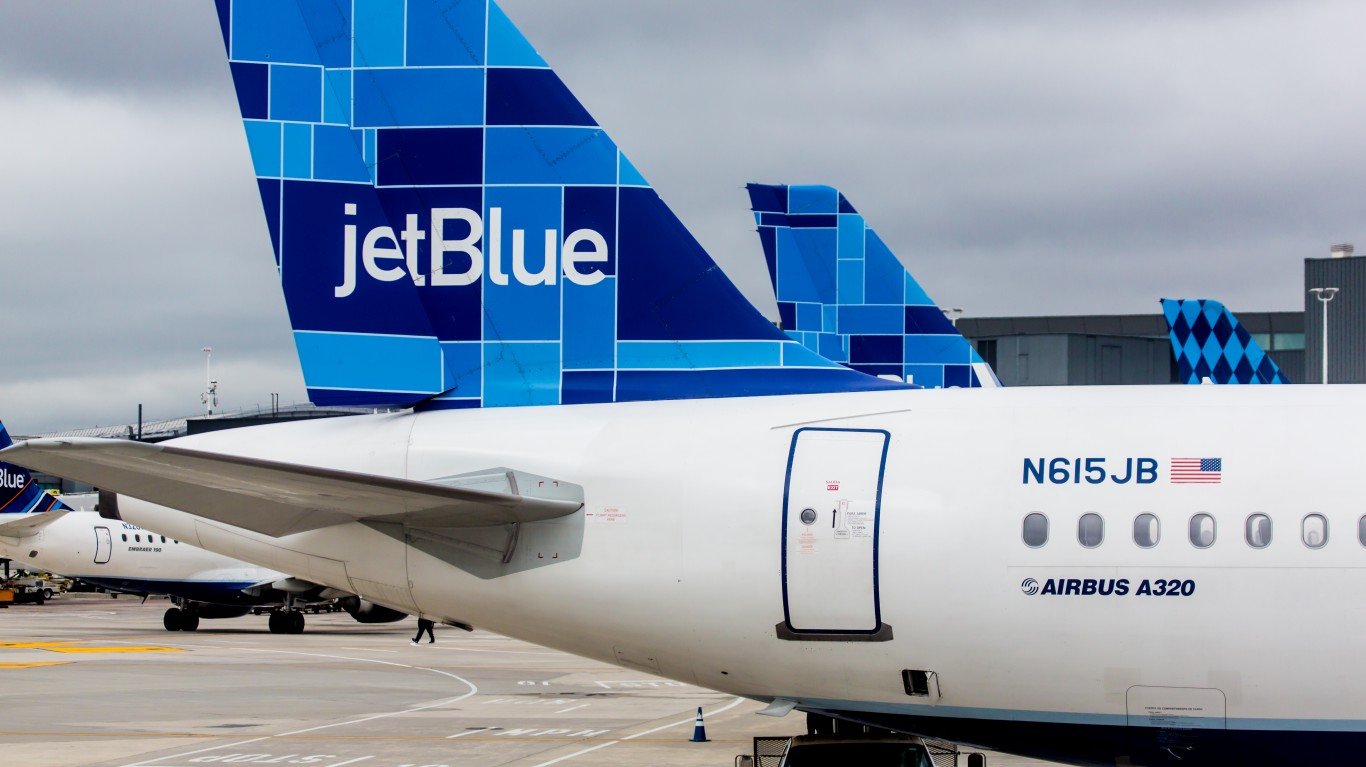
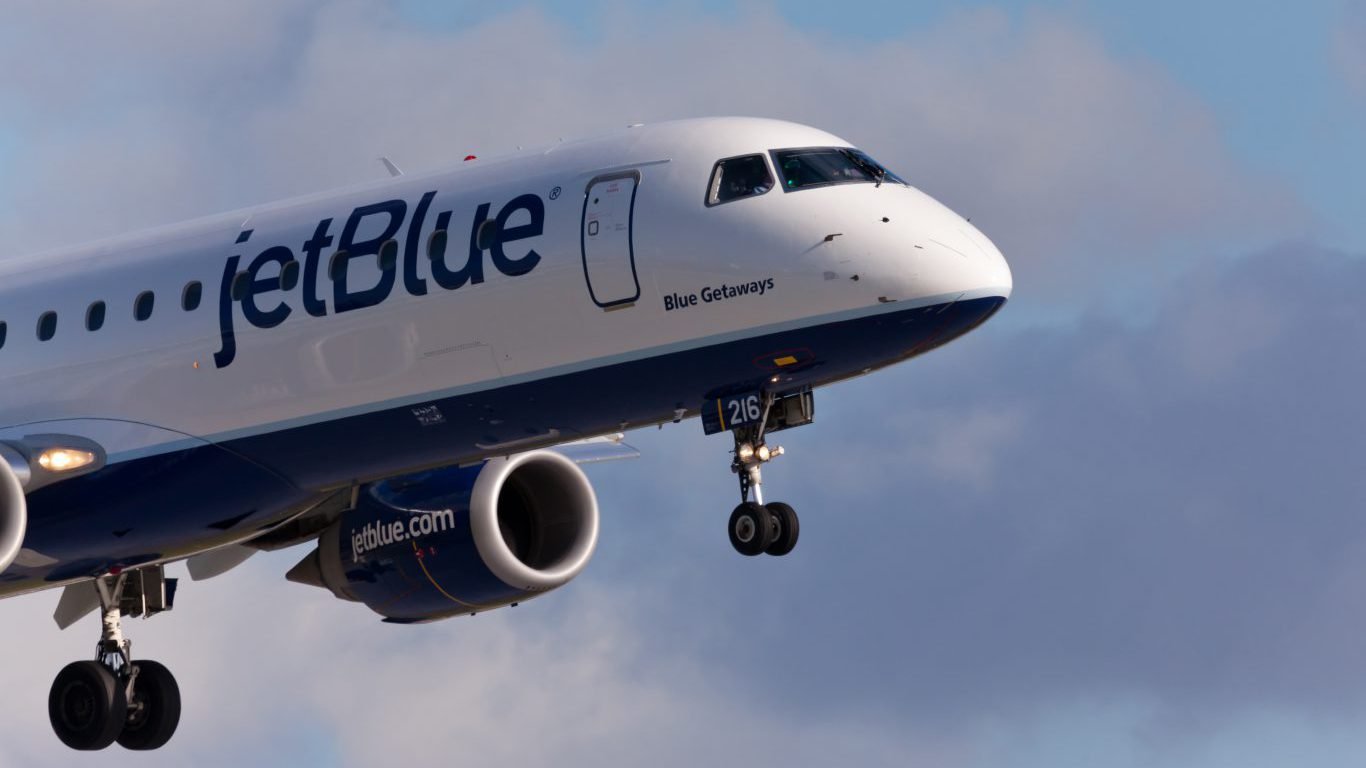
Airline stocks are rising as oil prices tumble on hopes that U.S.-Iran talks could ease supply fears, according to reports from The Wall Street Journal, CNBC and the Financial Times. JetBlue Airways (NASDAQ:JBLU) stock is at $3.18, up 11%, early in the session. Even after that jump, JetBlue stock is still down 30% year to date (YTD).
Jet fuel is one of the biggest costs any airline carries, so lower oil prices can quickly improve the profit outlook. JetBlue is the smallest of the five carriers. It is also the most fuel-sensitive in this group, and its shares are posting the largest gain in the group today.
Oil Slides as Iran Talks Ease Supply Fears
WTI crude oil trades at $97.05 per barrel, down nearly 7% over the past 24 hours, on hopes for U.S.-Iran diplomacy. It comes after oil settled at $109.72 on October 23, so the move marks a retreat from multi-month highs. For JetBlue, the relief hits its most damaging cost.
JetBlue disclosed on October 26 that its Q3 2026 fuel costs surged 61% year over year (YoY) to $868 million at $3.91 per gallon. On an adjusted basis, the company lost $0.60 per share, missing the $0.55 consensus. Looking ahead, the company’s Q4 2026 guidance assumes fuel at $4.64 per gallon, so any lasting drop in oil could feed straight into its earnings.

United Airlines and American Airlines Ride the Same Fuel Relief
United Airlines Holdings (NASDAQ:UAL | UAL Price Prediction) stock is at $110.81, up 6%. Fourth-quarter guidance from United calls for adjusted earnings per share (EPS) of $0.50 to $1.50, based on an average fuel price of $4.80 per gallon. CEO Scott Kirby addressed the 2027 margin goal. He linked it to factors outside the company’s control on the October 21 earnings call: “To get there in 2027, we probably also need at least one of the following three things to happen: lower fuel, lower industry capacity, or a continued willingness for the industry to trade load factor for yield.”
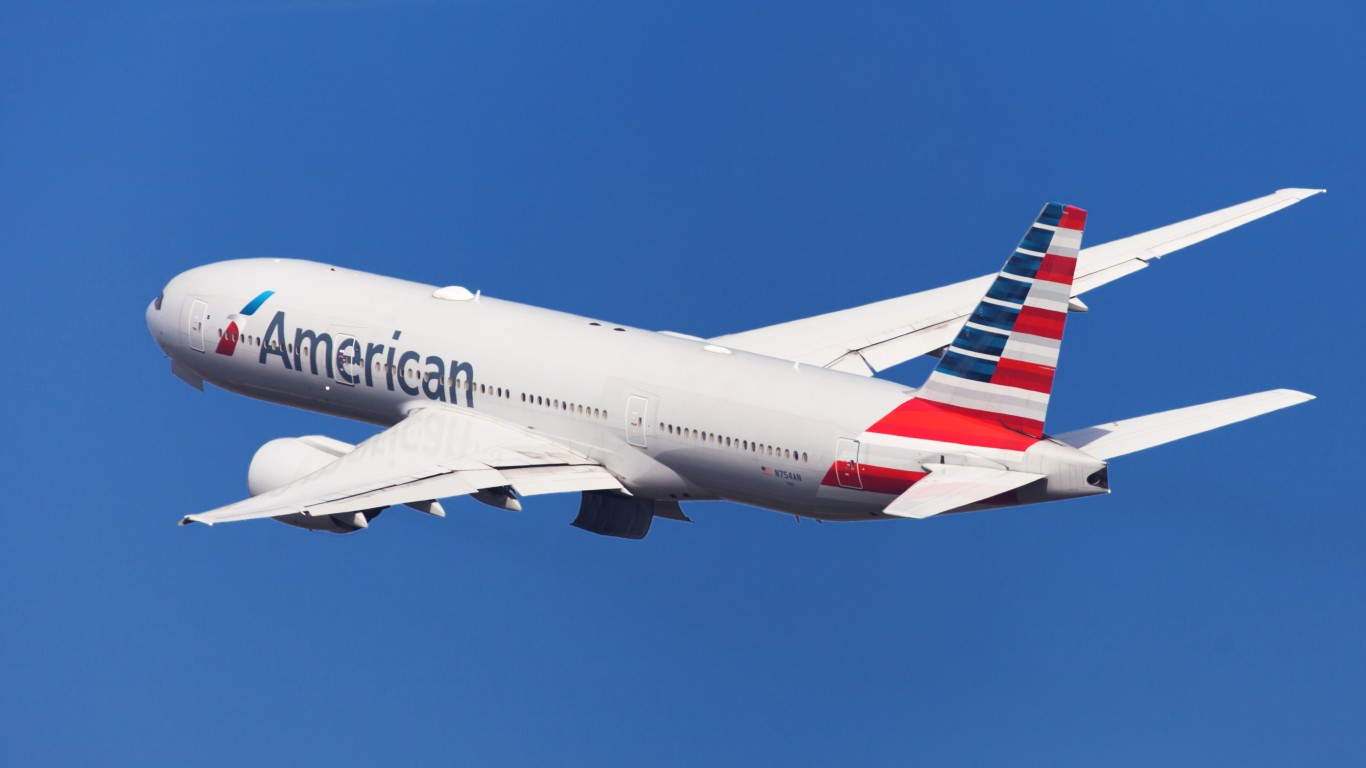
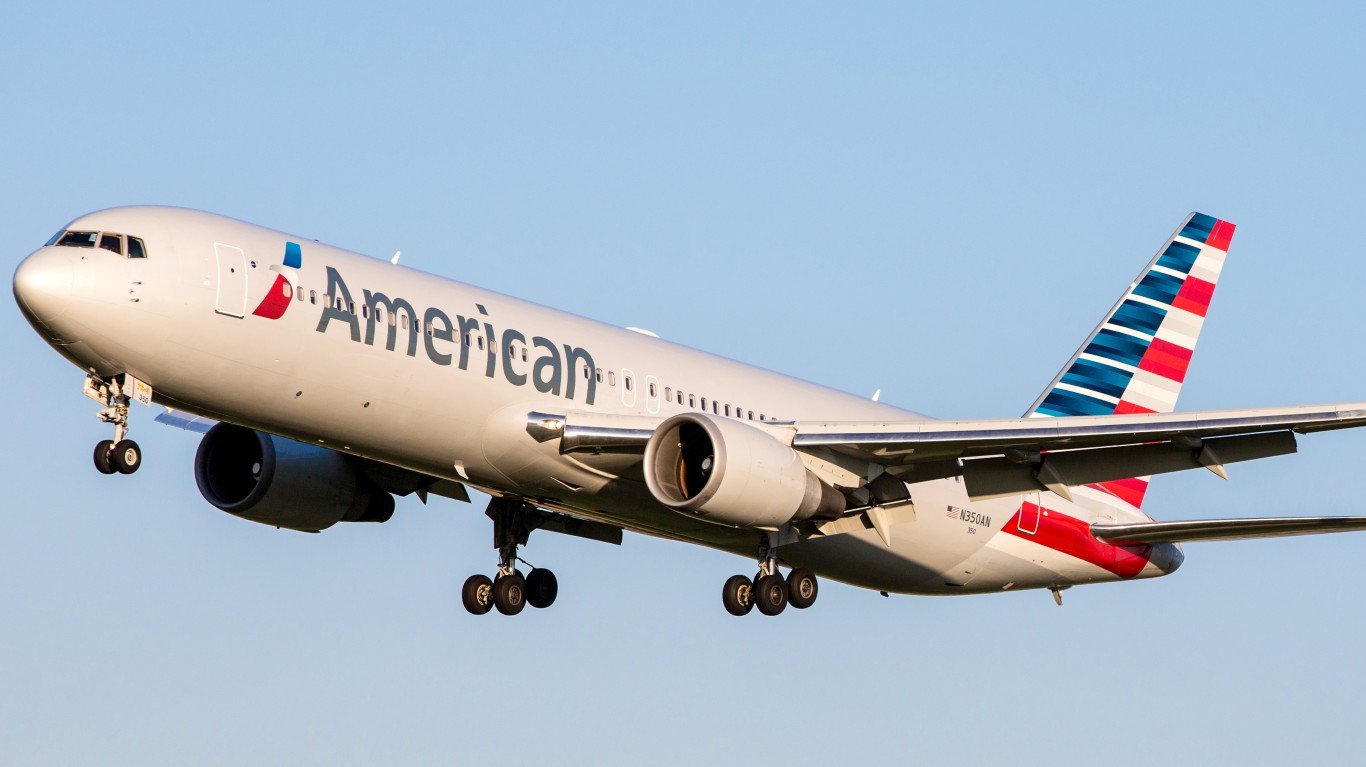
American Airlines Group (NASDAQ:AAL) stock is at $13.25, up 5%. In Q3, American Airlines posted an adjusted loss of $0.28 per share as its jet fuel expense surged 67.5% YoY to $4.63 billion. Robert Isom, the company’s CEO, stated, “We produced a loss in the quarter that, but for this fuel spike, would have been solidly profitable.”
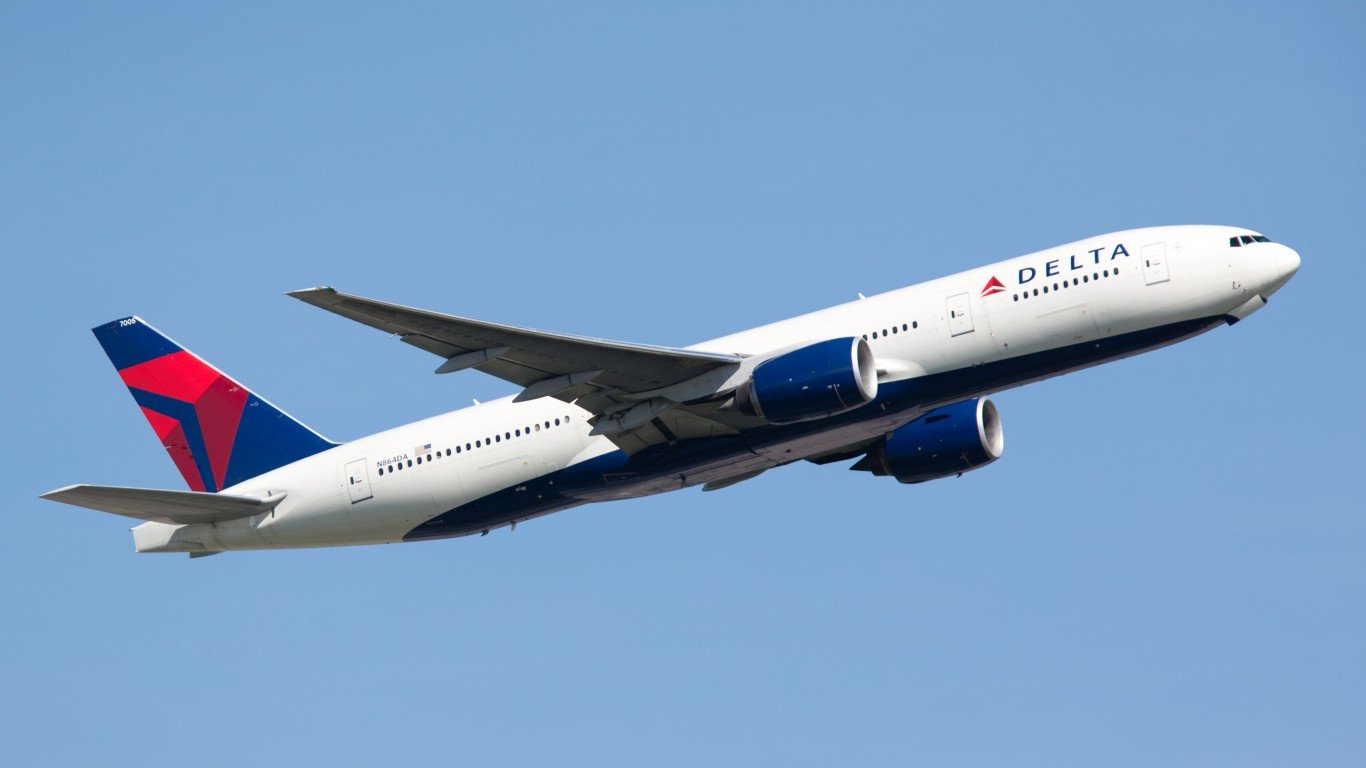
Meanwhile, Southwest Airlines (NYSE:LUV) stock is up 5% to $44.59. Similarly. Delta Air Lines (NYSE:DAL) stock is up 5% to $83.96. With a 21% YTD gain, Delta is the group’s standout and has less ground to recover than JetBlue.
Why JetBlue Feels Oil Swings More Than Its Rivals
JetBlue runs a leisure-focused East Coast network centered on New York, Boston, Fort Lauderdale and San Juan, flying an all-Airbus fleet, while United Airlines and American Airlines operate far broader global networks with large cargo, loyalty and premium businesses that help absorb fuel shocks. One exception is Delta, which owns an oil refinery that supplies part of its jet fuel.
Ongoing losses make JetBlue’s results swing harder on small changes in fuel costs, and hedging isn’t part of JetBlue’s strategy right now, with management saying on its earnings call that U.S. competitors generally don’t hedge either. Recovery at the company rests on its JetForward plan, which aims for sustained operating profitability and positive free cash flow.
What U.S.-Iran Talks Mean for JetBlue’s Rally
For JetBlue, the question is whether U.S.-Iran diplomacy holds long enough to keep oil prices from rising. It was noted that the oil drop comes ahead of the midterm elections, which adds a political layer to the move. Should talks stall, oil could climb again and quickly reverse the airline trade.
On the bullish side, JetBlue recovered 87% of its higher fuel costs in Q3 and expects full recovery in 2027. Skeptics counter that analysts’ forward estimates still show losses for 2026 and 2027, with 14 downward revisions to the 2027 estimate over the past 30 days. A conservative approach looks wise until the U.S.-Iran talks reach a clearer outcome.
Contact [email protected] for any questions or corrections.
David Moadel is financial writer specializing in stocks, ETFs, options, precious metals, and Bitcoin. David has written well over 1,000 articles for leading online publications, helping investors understand markets, income strategies, and risk.His work has appeared in The Motley Fool, InvestorPlace, U.S. News & World Report, TipRanks, ValueWalk, Benzinga, Market Realist, TalkMarkets, Finmasters, 24/7 Wall St., and others.With a master’s degree in education, David has taught at the elementary, high school, and college levels. That teaching background shapes his writing style: clear, educational, and practical. David has also built a loyal social-media audience by providing trustworthy financial content on YouTube, X/Twitter, and StockTwits.