Zscaler Beat, Raised, and Jumped Double Digits While AI Agents Attack Its Customers
Zscaler posted a tenth consecutive earnings beat and sent shares surging, but the real question buried inside the report is whether the AI security boom reflects new enterprise budget dollars or just rebranded spending that was already locked in.


Every software company now claims to be an AI company, and the reader deserves to know whether Zscaler (NASDAQ:ZS | ZS Price Prediction) delivered a quarter that would look strong even without the label attached.
On September 3, 2026, the cloud security company reported Q4 FY26 revenue of $898.18M, up 24.9% year over year, and non-GAAP EPS of $1.19, versus an estimated $1.09, according to CNBC. CNBC reported that shares jumped double digits on the release.
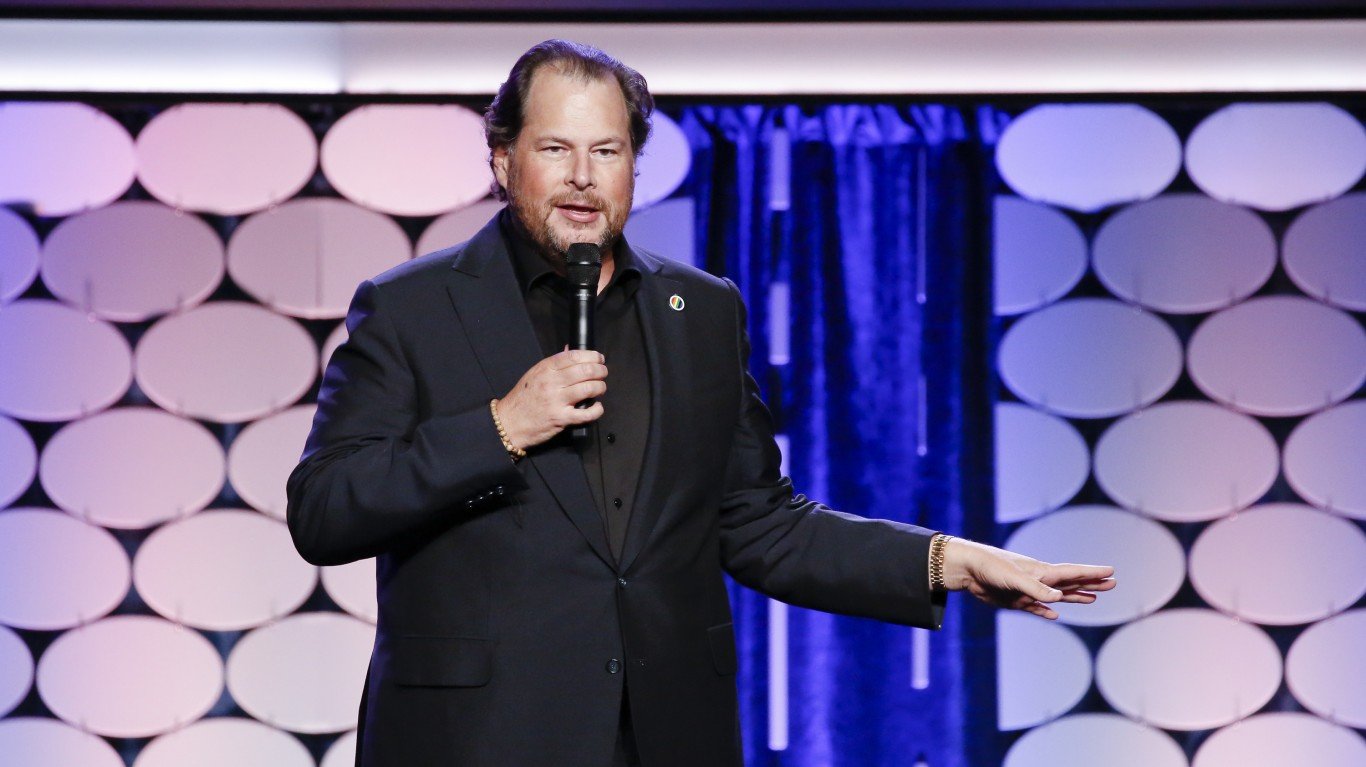
CEO Jay Chaudhry framed the story around AI, saying the company is “uniquely equipped to help companies both combat the threats created by AI”. The interesting work is separating durable enterprise demand from a narrative that has attached itself to almost every security vendor this year.
Beat, Raise, and Why the Raise Matters More

A beat describes a quarter that already happened. A raise puts management’s credibility behind a forecast it has to hit, which is why the guidance line is where I look first.
Zscaler guided Q1 FY27 revenue to $935 million-$939 million and full-year FY27 revenue to $3.908 billion-$3.938 billion. CNBC’s Seema Mody noted the guidance came in above what the street was predicting for the first quarter and the full year.
The tenth consecutive EPS beat is a real streak, although the surprise is smaller at 9.17% than the 12.56% posted in Q2 26.
The details sit in the 8-K exhibit filed with the SEC. GAAP results remain negative, with GAAP operating income of -$15.5 million, so any bull case rides on non-GAAP profitability continuing to scale.
Full-year FY26 revenue reached $3.35 billion, up 25.4%, which is the number most investors will anchor on when they judge whether next year’s guide feels conservative or aspirational.
ARR Is the Number That Decides the Multiple
Annual recurring revenue is the annualized value of active subscription contracts. In a subscription business, ARR growth is a better read on customer demand than any single quarter’s revenue line because it strips out billing timing.
Total ARR reached $3.77 billion, up 25% year over year, with organic ARR at $3.63 billion, up 20%. Red Canary contributed $141 million of that ARR.
Net new ARR in the quarter was $246 million, a step up from the $166 million booked in Q3. That reacceleration is the strongest single data point in the release.
FY27 ARR guidance of $4.396-$4.426 billion implies growth of 16.6% to 17.4%, a clear deceleration from FY26. Management ties much of that step-down to lapping Red Canary rather than a demand softening.
Investors should watch whether organic ARR growth holds near 20%. If it slips into the mid-teens while the AI narrative gets louder, the story frays.
Margins Held, Which Makes the Growth More Believable
Non-GAAP operating margin was a record 24%, up from 22% a year ago. Growth arrived without heavy discounting or a spending surge, which matters more than the top-line beat.
Free cash flow tells a messier story. It came in at $60.8 million as capex jumped 177.7% year over year to $218.5 million. Management flagged accelerated data-center purchases to lock in prices.
FY27 free cash flow margin is guided to 23.0%-23.5%, a step down from the mid-to-high 20s the business posted earlier in FY26. That is the number bears will point at.
Rising capex intensity for an AI infrastructure buildout is a defensible choice if it protects the architectural moat around the Zero Trust Exchange, which processes more than 500 billion transactions per day.
A gross margin of roughly 80% gives the company room to absorb higher hardware costs without breaking the operating model.
AI Threat Thesis and What the Price Has to Deliver

Seema Mody noted the report comes as cybersecurity firms respond to growing cyber threats from AI agents. Every vendor is telling a version of this story, so the question is whether enterprises are opening genuinely new budget lines or relabeling security spending they were already going to do.
The evidence for a real budget line is thin but improving. AI Protect bookings have crossed $100 million over the past 12 months, which is meaningful but small relative to the ARR base.
Shares closed at $177.80, still down 34.29% over the last year. The forward multiple sits at roughly 39x on FY27 non-GAAP EPS, with an analyst target of $199.34.

That price still leaves room if organic ARR growth holds near 20% and non-GAAP margins continue to expand. The thesis breaks if organic ARR growth decelerates into the mid-teens while capex remains elevated, because the free cash flow story justifies the multiple.
The AI label is doing real work in the current valuation. The next two quarters of net new ARR will settle whether it should.
Contact [email protected] for any questions or corrections.
Omor Ibne Ehsan is a writer at 24/7 Wall St. He is a self-taught investor with a focus on growth, cyclical, and dividend equities that have strong fundamentals, value, and long-term potential. He also has an interest in high-risk, high-reward investments such as penny stocks.