Six Days After Cramer Warned Nuclear Is Too Hard to Build, Google Signed Its First Nuclear Deal Ever
Jim Cramer spent a week warning investors that nuclear is nearly impossible to build, and then the world's biggest AI spender made a nuclear deal that proved him both wrong and right at the same time.

This post may contain links from our sponsors and affiliates, and Flywheel Publishing may receive compensation for actions taken through them.
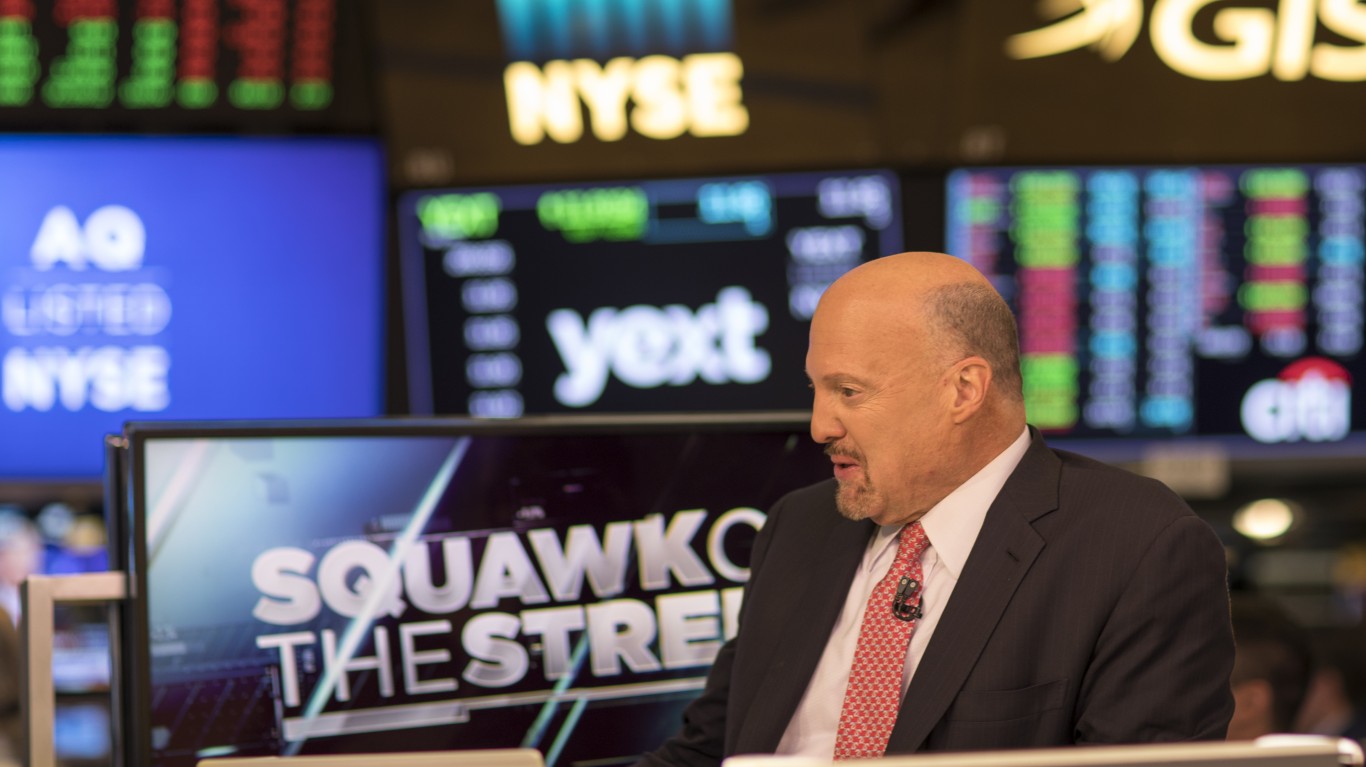
Six days after Jim Cramer told Mad Money viewers that building a nuclear plant is “a lot harder” than the market appreciates, Alphabet (NASDAQ:GOOGL | GOOGL Price Prediction) inked the first nuclear agreement in Google’s history. The twist that vindicates Cramer: Google paid to keep an old reactor running rather than order a new one.

First-Ever Nuclear Deal Extends an Aging Reactor
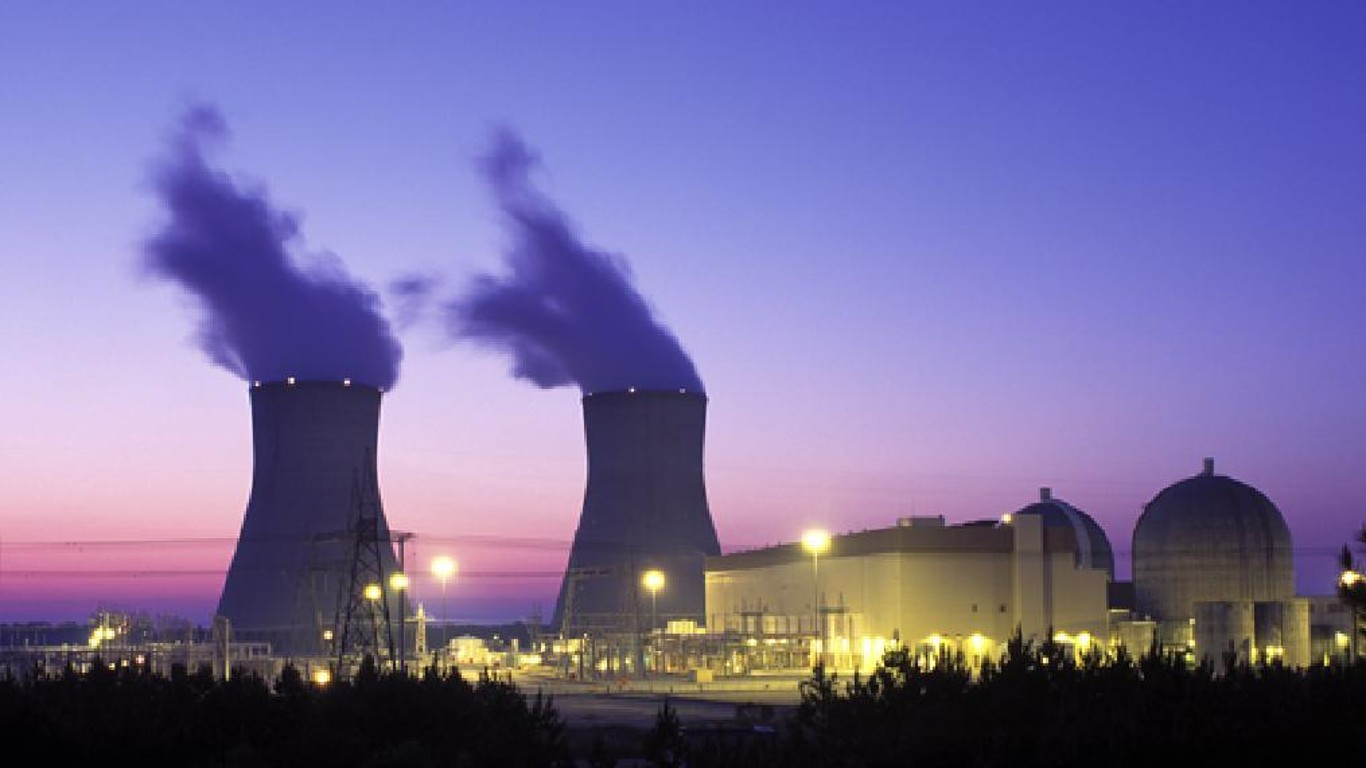
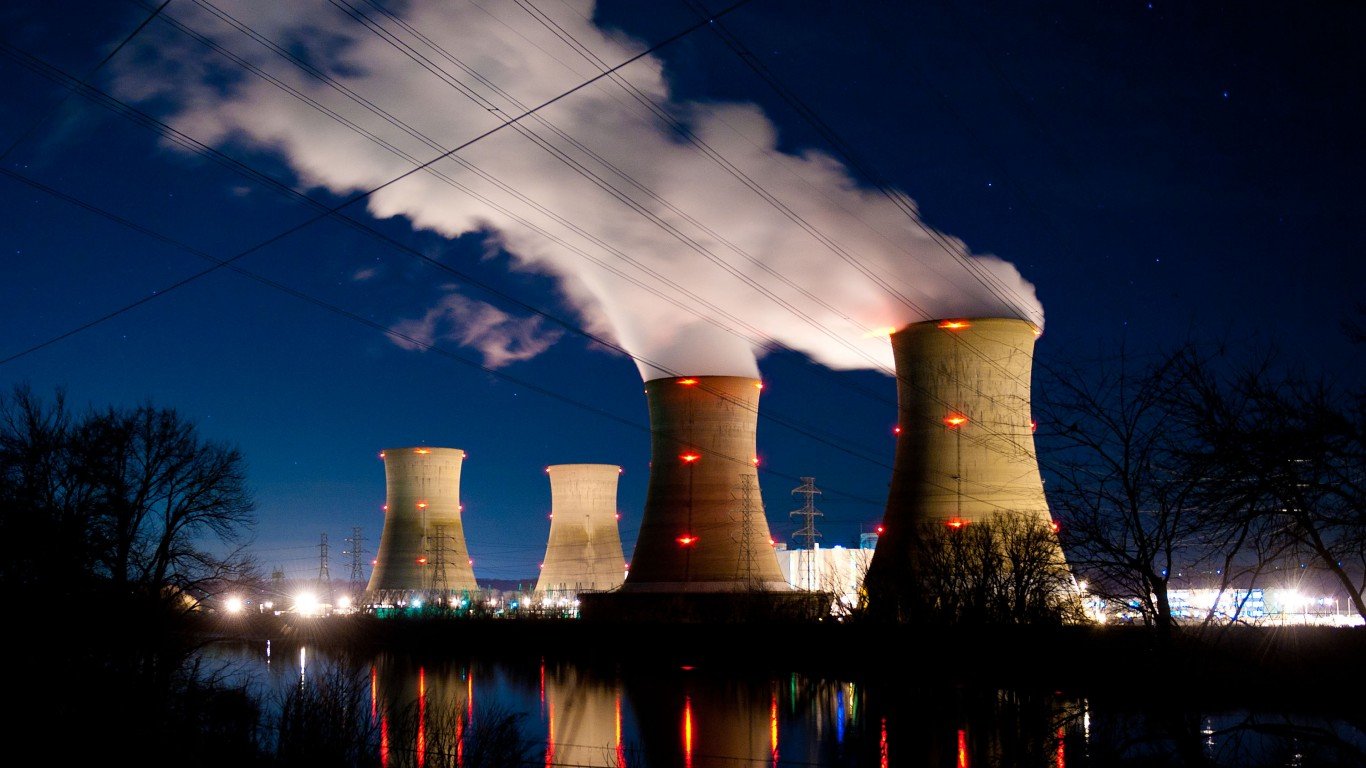
On September 9, 2026, Google announced a partnership with Fortum covering a life extension and uprate of the Loviisa nuclear plant in Finland, extending operations through 2050. Loviisa already supplies 10% of Finland’s electricity and, without the investment, could not have continued operations beyond 2030. Fortum is running a 1 billion euro investment programme, with roughly 80% of projects and 700 million euros of capital expenditure still pending final decisions.
Google paired the deal with a clean-energy package: 629 MW of contracted onshore wind, a 94 MW battery near Kajaani operational in late 2027, and demand response capabilities. Shares of Fortum jumped on the news, per the Wall Street Journal.
13 Billion Euros of AI Load Explains Why
The same morning, Google committed 13 billion euros to AI infrastructure in Finland. The scale is consistent with Alphabet’s Q2 FY26 numbers. Capex hit $44.92 billion, up 100.14% year over year, pushing free cash flow to negative $5.86 billion. Long-term debt jumped from $46.5 billion to $98.2 billion, the buyback was suspended, and management guided to $175 billion to $185 billion of 2026 capex. Google Cloud grew 82% to $24.77 billion, with Sundar Pichai calling demand for “AI infrastructure and AI solutions” the driver.
Cramer’s Warning Now Reads Like a Forecast
Asked on air about NuScale on September 3, 2026, Cramer said:
“I think what’s happened is people recognize that it’s a lot harder to build a nuclear power plant. Whether it be big or small or modular, it doesn’t matter. Just really really hard. That’s why we own GE Vernova for the trust.”
One day before Google’s announcement, Holtec Nuclear filed its S-1 to list on Nasdaq under ticker HNUC, with proceeds earmarked for accelerating SMR-300 licensing, deployment, and manufacturing capacity. Money is still racing into new-build nuclear even as the biggest AI spender bypassed the queue (we mapped five ways to play the restart, from utilities to fuel suppliers, in a free nuclear report here).
What to Watch Next

Alphabet trades at $330.56, down 7.48% over the past month but up 38.31% year over year, on a P/E of 15. If hyperscalers keep picking existing megawatts over promised ones, the read-through for pure-play SMR names is unforgiving, while operators of the current fleet and the turbine supply chain that Cramer prefers keep pricing power. Keep an eye on whether Google’s next power announcement is another life extension or, finally, a reactor that has yet to be built.
Contact [email protected] for any questions or corrections.
Joel South covers large-cap stocks, dividend investing, and major market trends, with a focus on earnings analysis, valuation, and turning complex data into actionable insights for investors.
He brings more than 15 years of experience as an investor and financial journalist, including 12 years at The Motley Fool, where he served as an investment analyst, Bureau Chief, and later led the Fool.com investing news desk. He has also co-hosted an investing podcast and appeared across TV and radio discussing market trends.