Waymo Is Doing So Much More Than Most Understand, Keeping Me Buying Alphabet Hand Over Fist
Most investors still see Alphabet as a search-and-ads company with a cloud kicker, but there is a commercial-scale robotaxi network buried inside the valuation that changes the entire risk-reward calculation.

This post may contain links from our sponsors and affiliates, and Flywheel Publishing may receive compensation for actions taken through them.
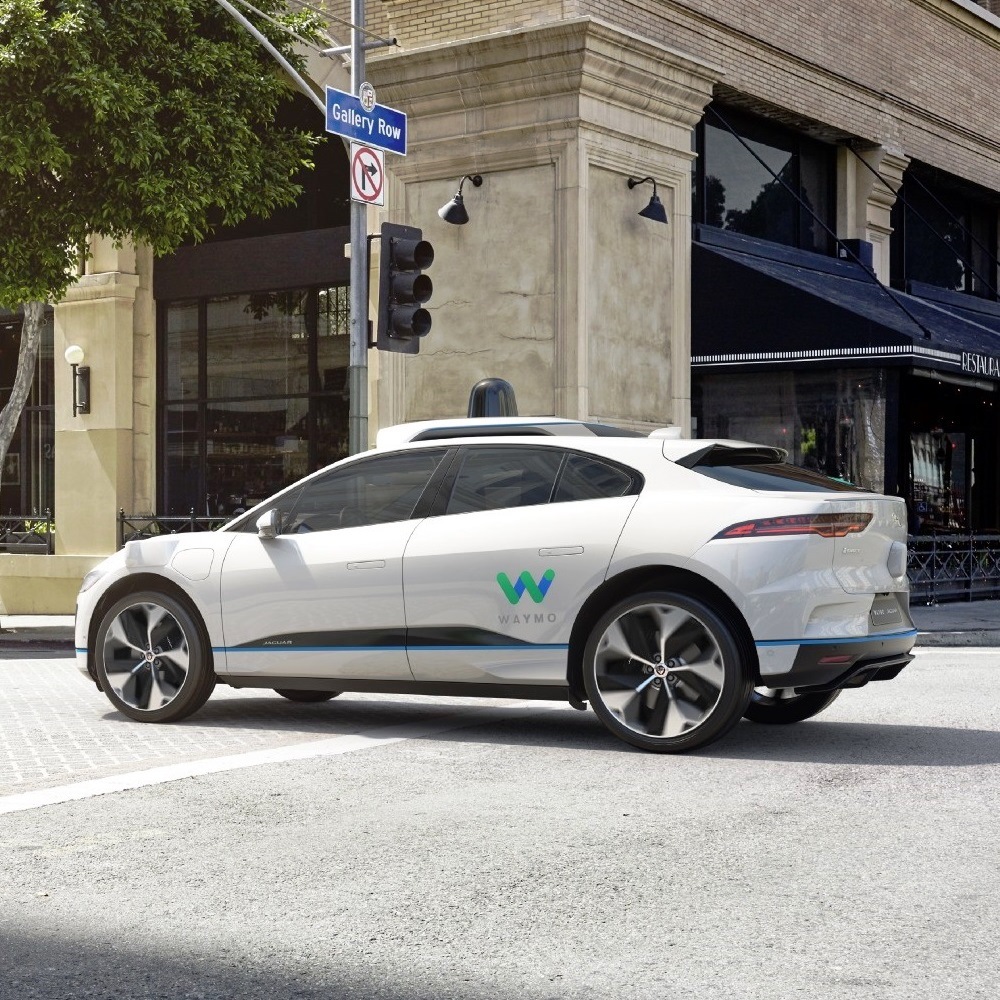
I keep hitting the buy button on Alphabet (NASDAQ:GOOGL | GOOGL Price Prediction), and Waymo is the reason my finger moves faster than my patience. Most of the retirement crowd I talk to still frames GOOGL as a search-and-ads story with a cloud kicker. That framing misses the piece I keep paying for: a robotaxi network already running at commercial scale, wrapped inside a company trading like a mature blue chip.
Waymo Is Already Operating at Real Scale
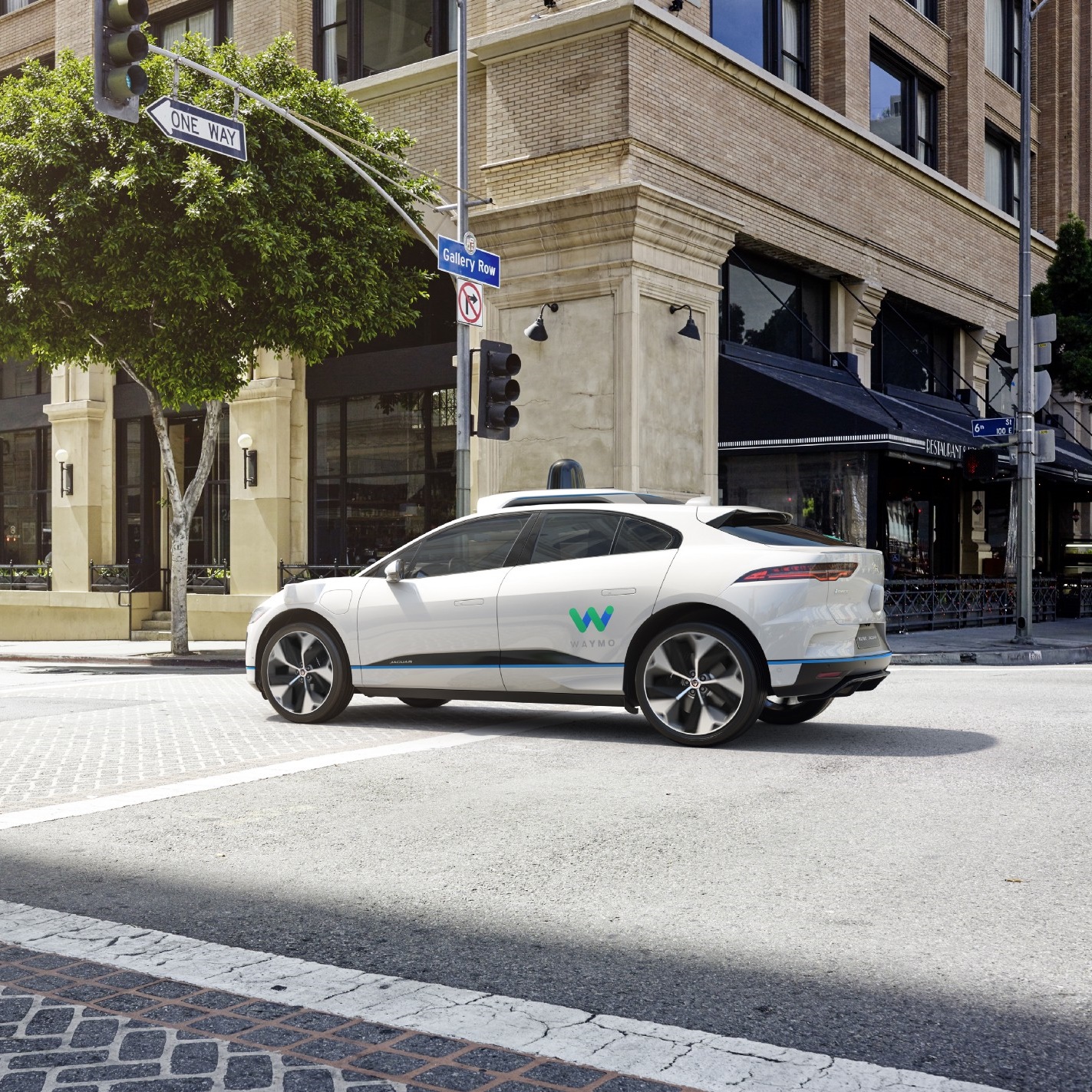
Waymo passed 500,000 fully autonomous rides per week by the first quarter, and Alphabet led a $16 billion investment round announced in February 2026 to press that lead. Weekly ride counts at that level put Waymo well past pilot phase, and I am getting the autonomy option as a free ride inside a company whose ads and cloud business already pay the bills.
Tesla (NASDAQ:TSLA) is the name people reach for when they hear robotaxi. I own Alphabet instead because Waymo’s paid miles exist today and the parent trades at a P/E of 15, letting me own the autonomy call option without paying growth-stock prices for it.
Core Business Compounds Like a Growth Stock
Q2 FY2026 delivered revenue of $119.80 billion, up 24.2% year over year, and EPS of 9.11 against a 2.88 estimate. Google Cloud grew 82% in the quarter, with backlog near $460 billion after Q1. CEO Sundar Pichai noted “nearly 90% of the Fortune 100 using Gemini Enterprise” and Gemini models processing 22 billion API tokens per minute. That is hyperscaler-level enterprise adoption inside a company most investors still label a search stock.
The earnings track record is boring in the best way. GOOGL has posted 11 straight EPS beats and 12 straight quarters of double-digit revenue growth, and full-year FY2025 landed at $402.84 billion in revenue and $73.27 billion in free cash flow.
Balance Sheet and Valuation Do the Talking
Return on equity sits at 35.70%, ROIC at 29.60%, and interest coverage at 175.5x on a debt-to-equity ratio of 0.143. That combination lets management commit to $175 billion to $185 billion in 2026 capex without threatening the dividend, which was raised 5% to $0.22 per share quarterly. The analyst consensus target sits at $428.07 against a current price of $347.33, with 45 buy ratings and zero sell ratings.
Risk I Am Not Ignoring
The AI buildout is expensive, and I feel it. Capex doubled year over year in Q2, free cash flow ran negative $5.86 billion, long-term debt climbed from $46.5 billion to $98.2 billion, and the buyback program was suspended in Q2 2026. All of that spending has to be powered, cooled, and networked by somebody, which is why we pulled together seven suppliers riding the same buildout in a free AI infrastructure report. If Gemini adoption stalls or Waymo’s rollout slips, that capex line gets hard to defend. My thesis holds because the Cloud backlog, Gemini enterprise attach rate, and Waymo’s weekly ride count are all moving up together, which is what you want to see when a company is spending this aggressively.
Why the Buy Button Stays Active
I keep buying GOOGL because I am paying a boring valuation for a business already compounding at growth-stock rates, and Waymo is the piece that turns a great holding into a generational one.
Contact [email protected] for any questions or corrections.
Alex Sirois is a financial writer with experience spanning both retail and institutional investing. He has written for InvestorPlace and held roles at BNY Mellon and Bernstein, giving him a perspective that bridges Main Street portfolios and Wall Street analysis.
Alex holds an MBA from George Washington University and has built his career across multiple industries, including e-commerce, education, and translation — a breadth of experience that informs how he breaks down complex financial topics for everyday investors. His writing is conversational, actionable, and grounded in long-term, buy-and-hold investing principles.
At 247 Wall St., Alex focuses on delivering analysis that is both accessible and useful, with a clear emphasis on helping readers make more informed decisions with their money.