Elon Musk Plans $10.1 Billion “Project Crystal Sun” Tesla Factory Near Houston. Says the Math on Solar Power Is “Obvious and Trivial”

This post may contain links from our sponsors and affiliates, and Flywheel Publishing may receive compensation for actions taken through them.
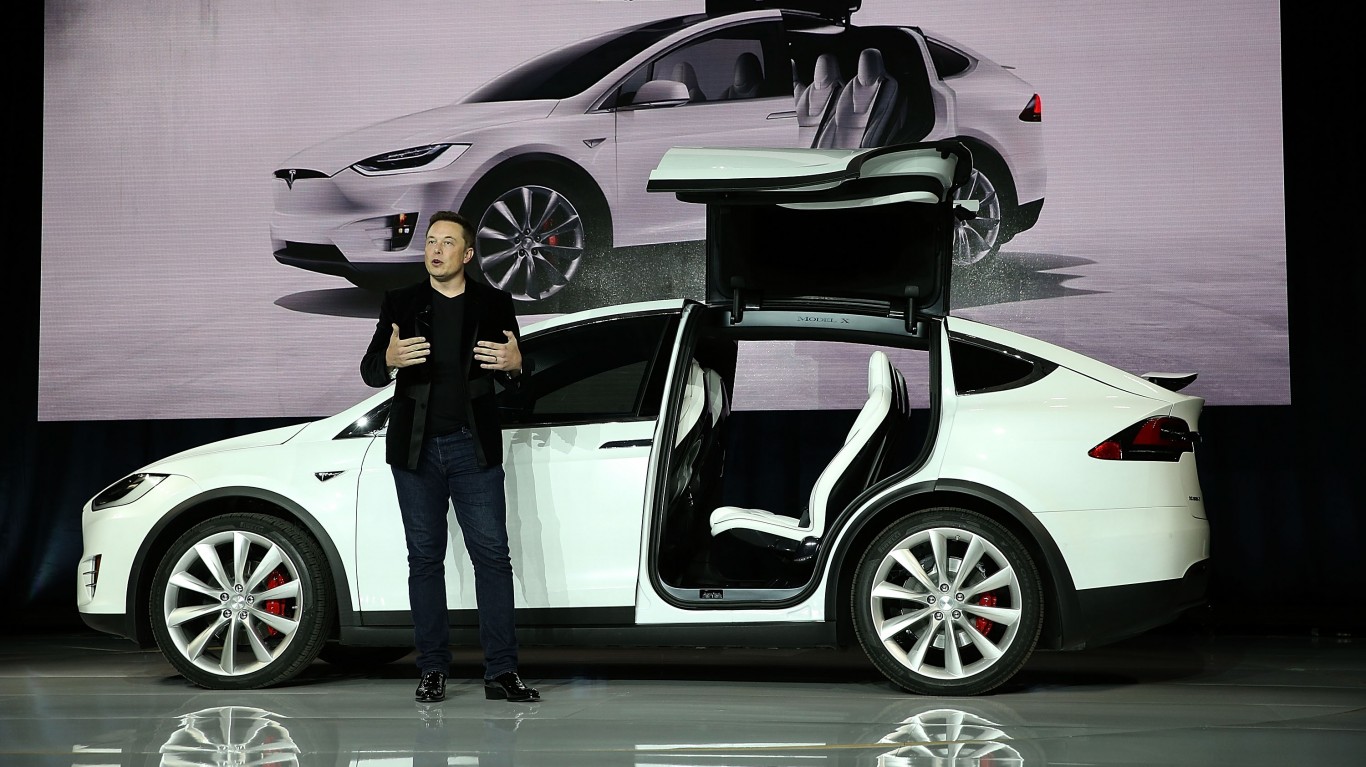
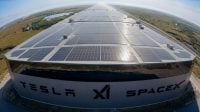
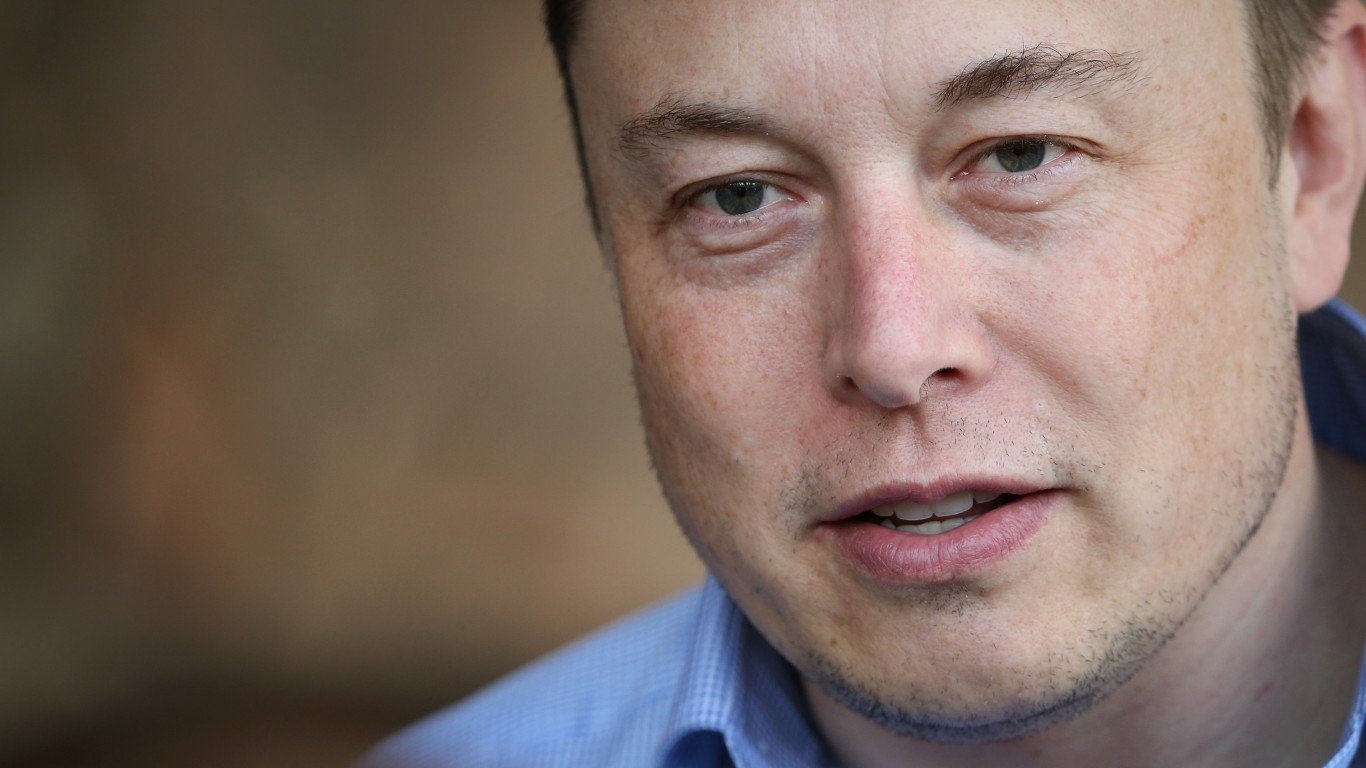
Elon Musk has a habit of calling hard problems easy, and on Monday he did it with the sun. In a post on X, he wrote that solar power “will obviously ultimately round up to 100% of all energy,” and called the math “obvious and trivial.” He also confirmed the name of Tesla‘s (NASDAQ:TSLA | TSLA Price Prediction) proposed solar cell plant in Fort Bend County, Texas, outside Houston: Project Crystal Sun.
The plant is expensive even for a company worth $1.5 trillion. Tesla’s Texas tax-incentive application puts it at $10.1 billion, with about $1.5 billion going to land and buildings and $8.6 billion to equipment. The filing aims for commercial production in the first quarter of 2029 on roughly 3,050 acres near Richmond. It projects 9,712 permanent jobs.

Why Tesla Wants Its Own Solar Cells Now
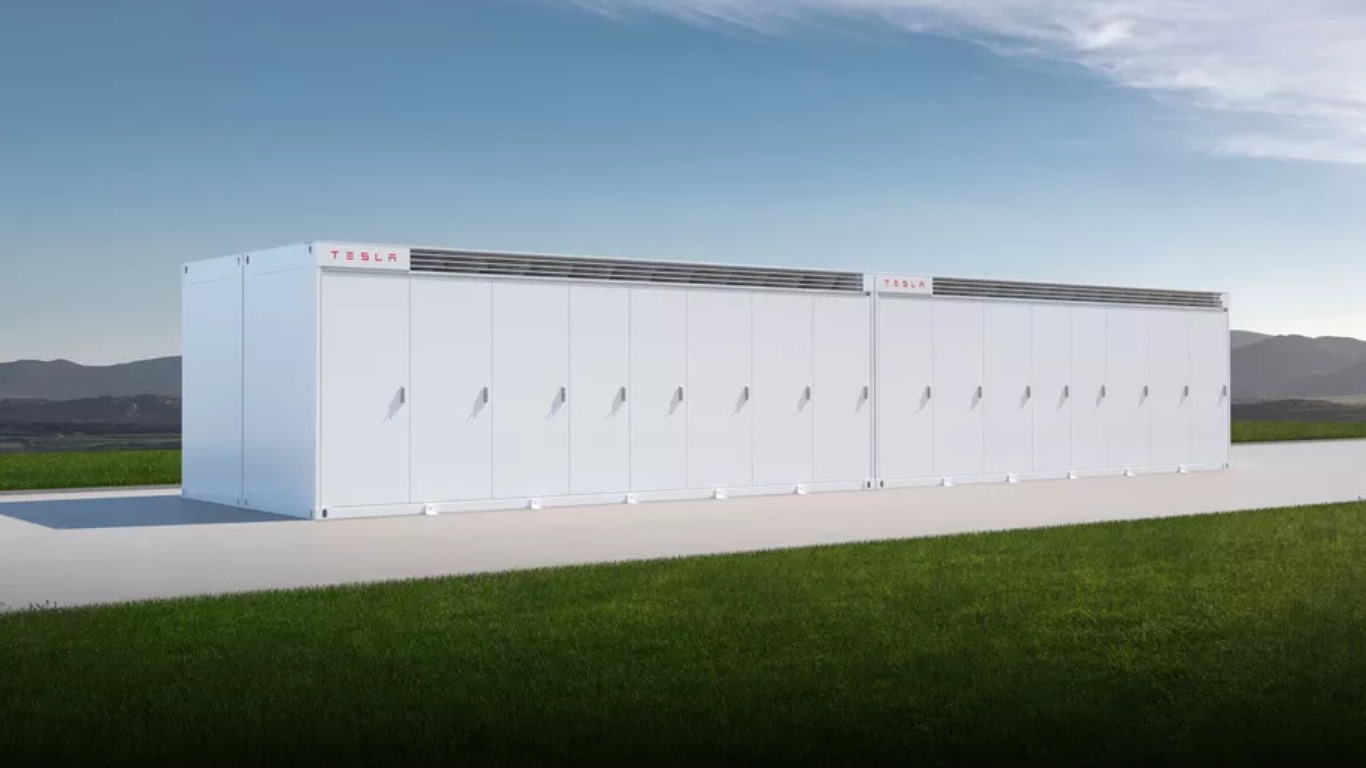
Tesla is building because it can’t keep up with demand. On the October earnings call, Musk said Tesla was “almost sold out of all Megapacks for 2027.”[1] Megapacks are Tesla’s large battery units for utilities and big businesses. Chief financial officer Vaibhav Taneja pointed to “extreme demand from data centers.”[1] AI campuses need power faster than utilities can add it (we rounded up seven of the companies providing that expansion, from power to cooling, in a free report). Solar panels paired with a battery bank are one of the fastest ways to get it.
Energy storage is also Tesla’s most profitable business right now. Energy gross margin, the share of sales left after production costs, rose to 33.1%[1] in the third quarter, up from 20.4% the quarter before. Taneja said tariff refunds and a vendor warranty reimbursement drove much of that jump. Across the whole company, Tesla’s operating margin over the past year (the share of sales left after running the business) is about 4.6%. Tesla already makes lithium iron phosphate (LFP) battery cells in Nevada. Adding its own solar cells would let it sell a data center a complete power package, with fewer suppliers taking a cut.
Solar still has a lot of room to grow. Global solar generation, measured in terawatt-hours (TWh), rose by a record 636 TWh to 2,778 TWh in 2025, according to Ember, and covered 75% of the growth in electricity demand. Even so, it providing just 9% of the world’s electricity. Musk’s “trivial” math takes for granted that solar will win the rest.
Cash Strain Is the Biggest Risk
Paying for all of this is the hard part. Tesla revised its capital spending plan for this year to about $20 billion[1] and set up the ability to borrow up to $30 billion. Third-quarter free cash flow, meaning the cash left over after investment, fell 61.6%[2] from a year earlier to $1.5 billion. Musk said the Austin chip fab alone will need “tens of billions in capital equipment”[1] through early 2028, and that the long-term cost would “probably be north of $100 billion.” Crystal Sun has to compete with robotaxis, Optimus robots and that fab for the same money.
Tesla does have a buffer. It holds $45.4 billion[2] in cash, and its debt is just 0.1 times equity. But the stock trades at about 407 times its past year of earnings. At $379, shares are down about 16% this year. At that valuation, investors are already paying for profits several years out, so a late or over-budget factory would hurt.

State Sign-Off Is the Next Test
Fort Bend County commissioners approved four incentive agreements by a 4 to 0 vote on Oct. 22. The Texas Comptroller and the governor’s office still have to sign off. Tesla is also looking at other U.S. sites, and it hopes to pick one before the end of 2026. State approval is the first thing to watch. A yes from Austin locks in the tax break and probably the Houston site.
After that, check energy gross margin in the fourth-quarter earnings report, once the one-time tariff refunds are gone. If margins hold up, Crystal Sun is a factory serving a business that already pays for itself. If they slide back toward 20.4%[1], the $10.1 billion plant becomes one more drain on an already stretched budget.
Contact [email protected] for any questions or corrections.
AJ spent 10 years writing about financial markets at The Motley Fool. His coverage centers on technology stocks and the broader macroeconomic trends, from interest rates to geopolitics, that shape where markets are headed next. AJ is drawn to the stories where big-picture economics and individual companies collide.