The 30 Countries With the Largest Air Forces in 2025
Shortly after the Wright brothers’ first successful manned flight in 1903, the potential military applications of aviation technology became increasingly apparent. In 1907, the U.S. Army established the Army Signal Corps, a small division devoted to aeronautics. By 1912, the…

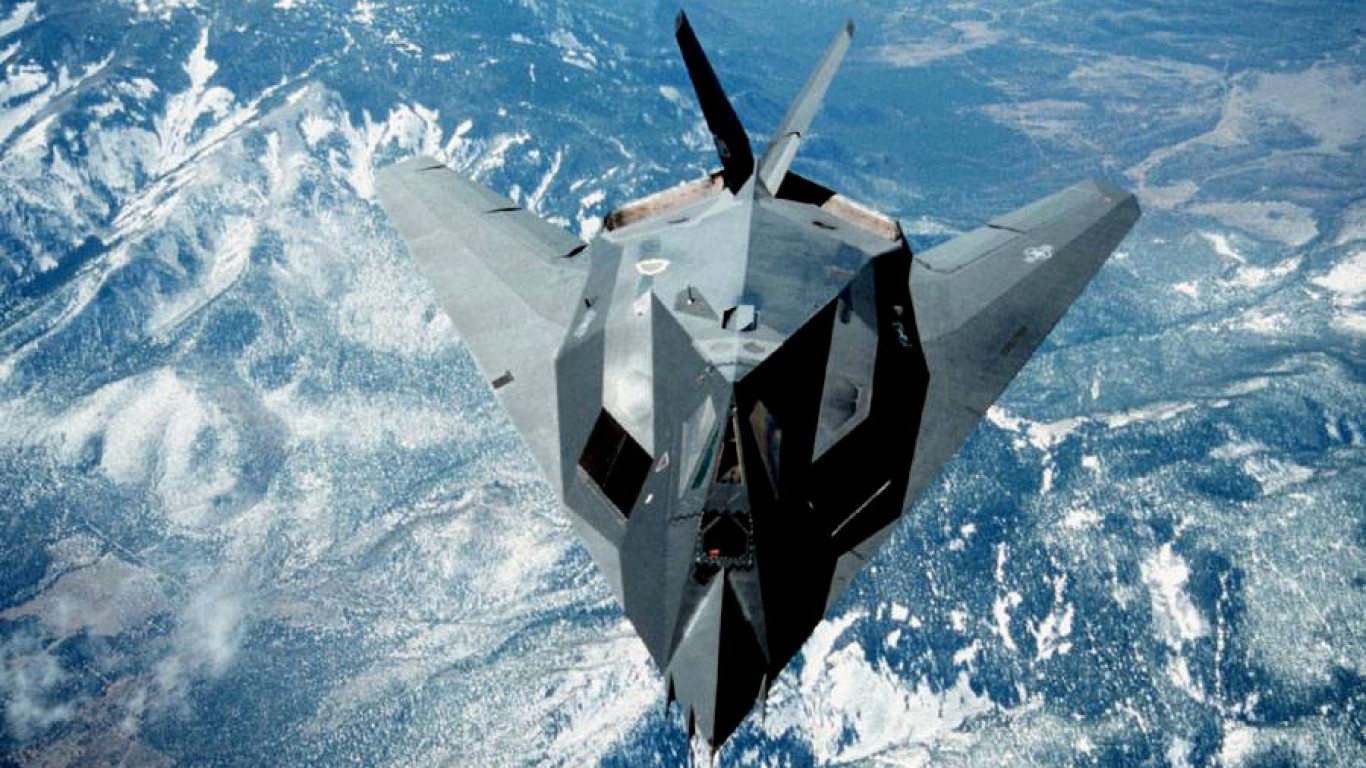
Shortly after the Wright brothers’ first successful manned flight in 1903, the potential military applications of aviation technology became increasingly apparent. In 1907, the U.S. Army established the Army Signal Corps, a small division devoted to aeronautics. By 1912, the Signal Corps had nine aircraft and an annual budget of $125,000—about $4 million in current dollars. Investment in the Signal Corps ballooned during the First World War, a conflict defined in part by the deployment of military aircraft for reconnaissance, tactical support, and strategic bombing raids.
In 1941, when the United States was drawn into World War II by the aerial attack on Pearl Harbor, it was clear that air power had evolved into an indispensable component of modern combat. During the Second World War, the U.S. produced tens of thousands of bombers, fighters, and transport aircraft to support the Allied cause. In the summer of 1945, the U.S. forced the last remaining Axis power to surrender unconditionally by deploying two atomic weapons using B-29 Superfortress bombers.
By the mid-20th century, the U.S. Air Force had become its own military service branch, separate from the U.S. Army. Today, the Air Force’s continued importance is reflected in its annual budget. According to the Defense Department’s fiscal 2026 budget request, the Pentagon plans to spend nearly $159 billion on research, development, and procurement for the U.S. Air Force alone, the most of any U.S. military branch, and more than the entire defense budget of every country in the world, with the exception of China.
While the U.S. leads in military air power, many other countries also invest billions of dollars in their air forces each year, with several maintaining fleets of bombers, fighter jets, and support aircraft numbering in the thousands.
Using data from Global Firepower, 24/7 Wall St. identified the countries with the largest air force fleets. We reviewed the estimated number of aircraft in each country’s air force as of 2025 and ranked those countries by fleet size. Supplemental data on annual military spending and annual military spending as a share of gross domestic product are from the Stockholm International Peace Research Institute and are for 2024, the latest available year. Only countries with a fleet of at least 350 military aircraft were considered.
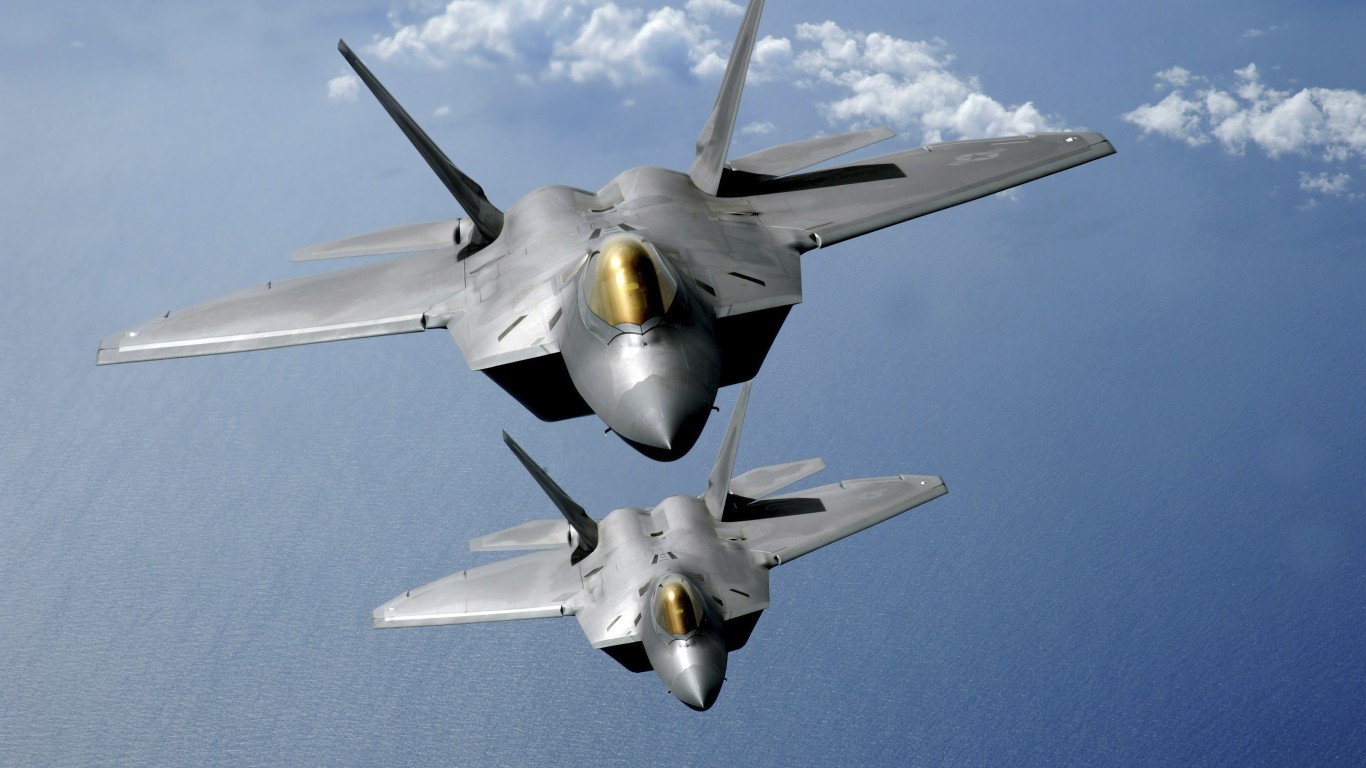
The 30 countries on this list have air force fleets ranging from 351 to more than 13,000 aircraft. The most common type of aircraft among these fleets is the fighter or interceptor jet. Fighter jets—such as the F-22, F-18, MiG-29, and Eurofighter Typhoon—are generally equipped with air-to-air missiles and serve as an air force’s first line of defense
Other common military aircraft include fixed-wing transporters and attack or strike jets.
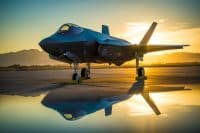
Transport airlifters, such as the C-17 Globemaster and the Airbus CN-235, are used to move troops and materiel for purposes ranging from evacuations to airdrop missions. Attack jets, meanwhile, carry payloads of air-to-ground munitions designed to strike surface targets. These aircraft include the Russian Sukhoi Su-24 and the American F-35 Lightning.
These are the countries with the largest air force fleets in 2025.
Why It Matters
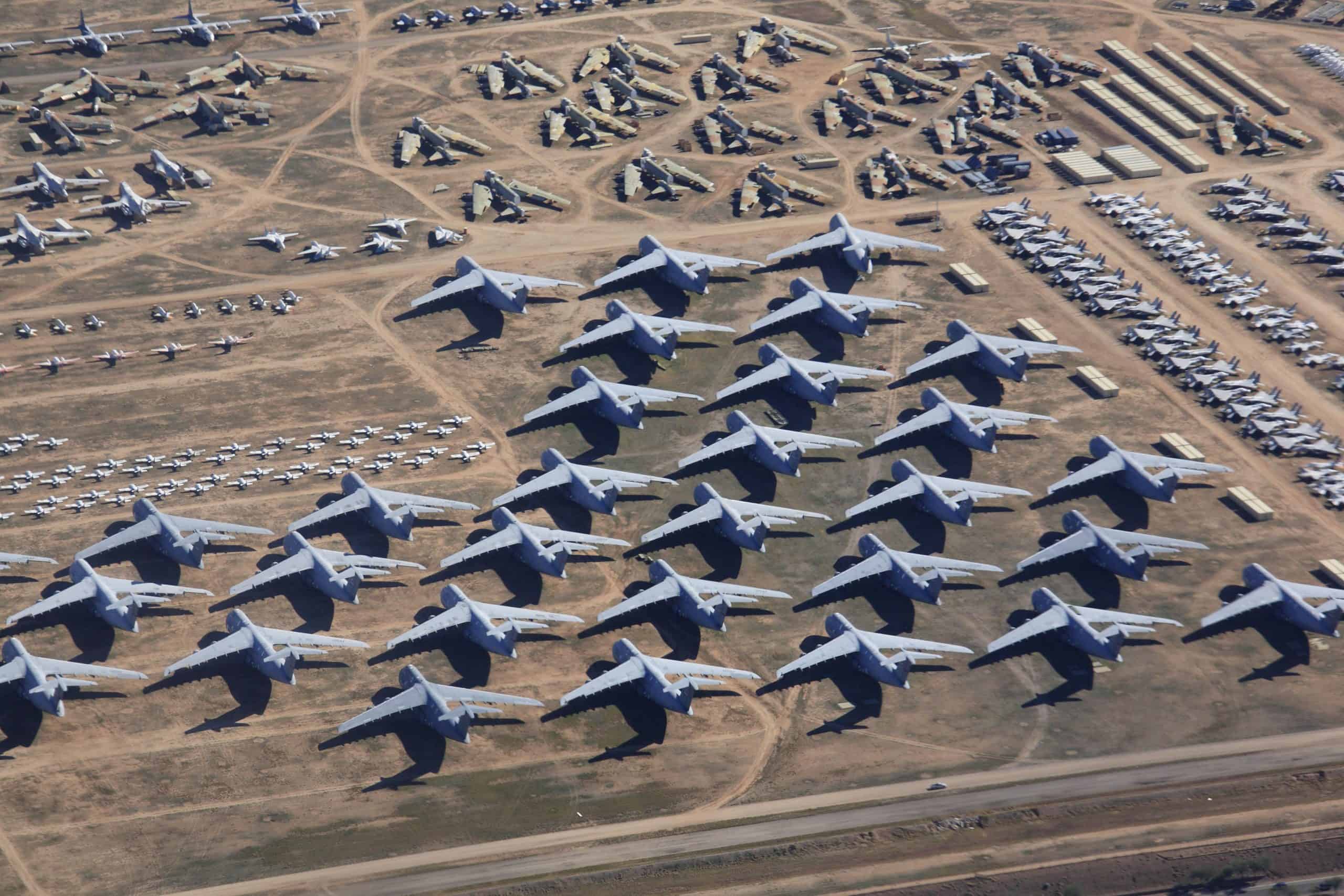
In the century since the first successful manned flight, aircraft have forever changed the face of combat. Modern military aircraft—including fixed-wing transporters, bombers, helicopters, and fighter jets—perform a variety of key functions in both war and peace, such as reconnaissance, intelligence gathering, lifesaving evacuations, precision strikes that minimize military intervention, and tactical support for ground operations. It is no coincidence that the U.S. Air Force is set to receive more funding than any other service branch in the coming fiscal year. The size of air force fleets worldwide shows that maintaining air power is a top priority for many countries, not just the United States.
30. Canada
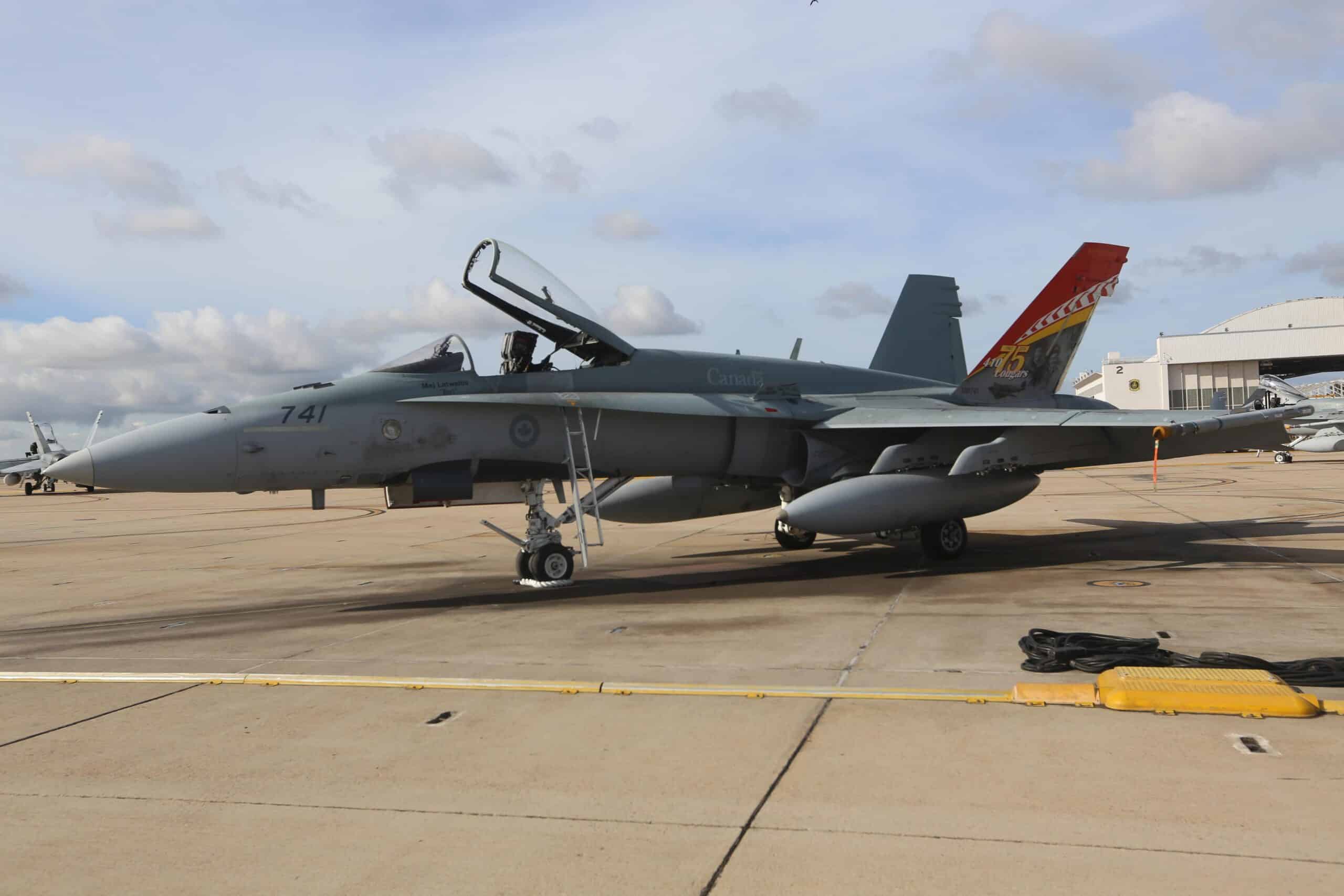
- Estimated number of military aircraft as of 2025: 351
- Est. attack/strike aircraft fleet size: 0
- Est. fighter/interceptor aircraft fleet size: 66
- Est. tanker aircraft fleet size: 6
- Est. fixed-wing transport aircraft fleet size: 28
- Est. attack helicopter fleet size: 0
- Total defense spending in 2024: $29.3 billion (current USD)
- Defense spending as a share of GDP in 2024: 1.3%
29. Iraq
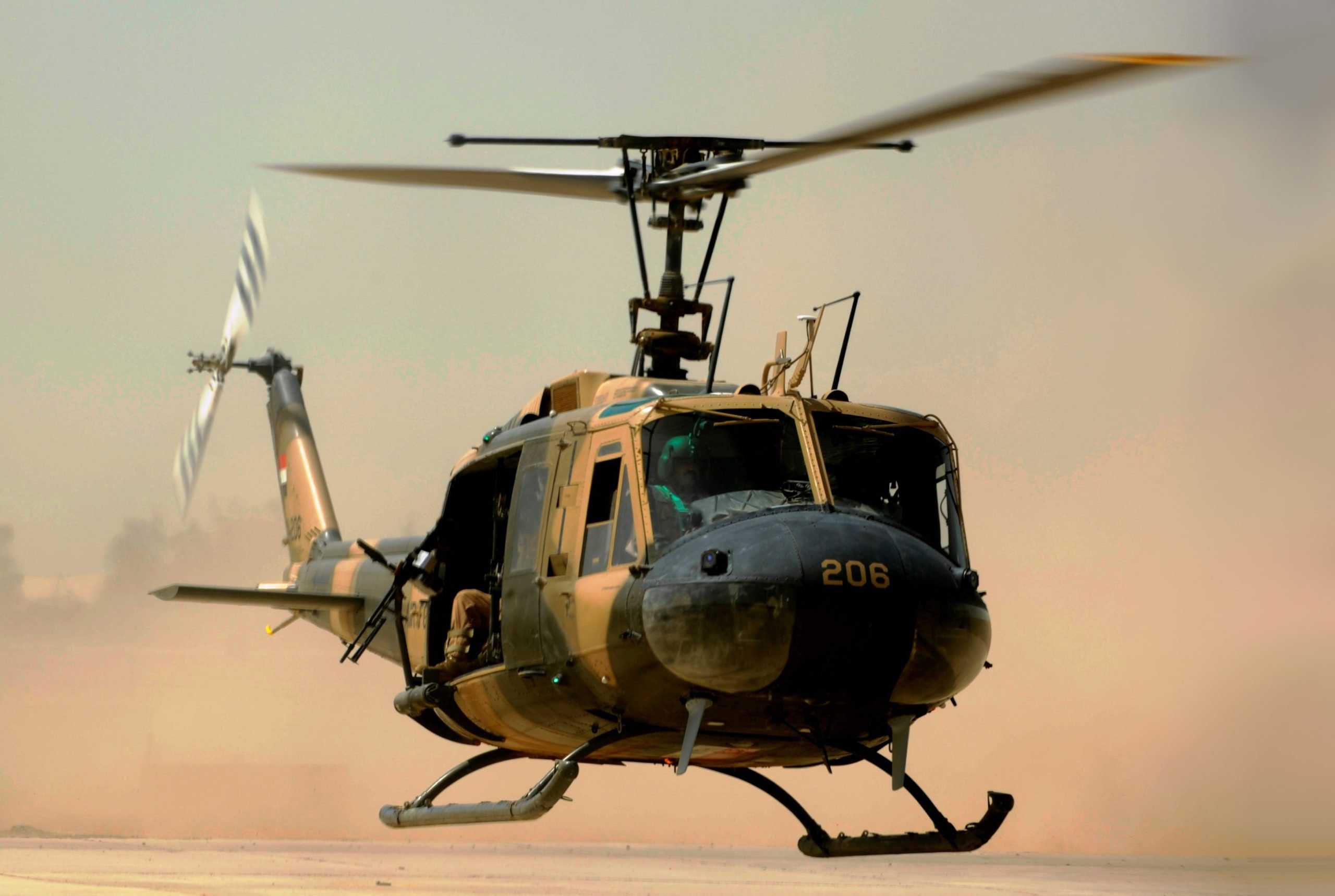
- Estimated number of military aircraft as of 2025: 391
- Est. attack/strike aircraft fleet size: 36
- Est. fighter/interceptor aircraft fleet size: 26
- Est. tanker aircraft fleet size: 0
- Est. fixed-wing transport aircraft fleet size: 15
- Est. attack helicopter fleet size: 39
- Total defense spending in 2024: $6.2 billion (current USD)
- Defense spending as a share of GDP in 2024: 2.4%
28. Mexico
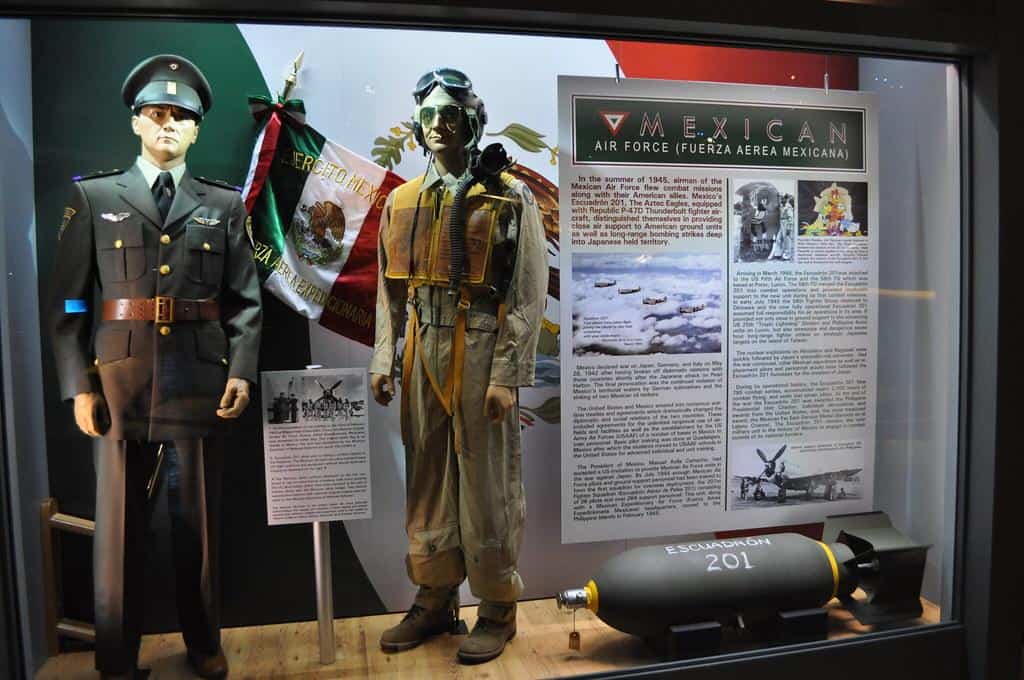
- Estimated number of military aircraft as of 2025: 433
- Est. attack/strike aircraft fleet size: 33
- Est. fighter/interceptor aircraft fleet size: 3
- Est. tanker aircraft fleet size: 0
- Est. fixed-wing transport aircraft fleet size: 41
- Est. attack helicopter fleet size: 0
- Total defense spending in 2024: $16.7 billion (current USD)
- Defense spending as a share of GDP in 2024: 0.9%
27. Colombia

- Estimated number of military aircraft as of 2025: 436
- Est. attack/strike aircraft fleet size: 24
- Est. fighter/interceptor aircraft fleet size: 16
- Est. tanker aircraft fleet size: 1
- Est. fixed-wing transport aircraft fleet size: 86
- Est. attack helicopter fleet size: 0
- Total defense spending in 2024: $15.1 billion (current USD)
- Defense spending as a share of GDP in 2024: 3.4%
26. Indonesia
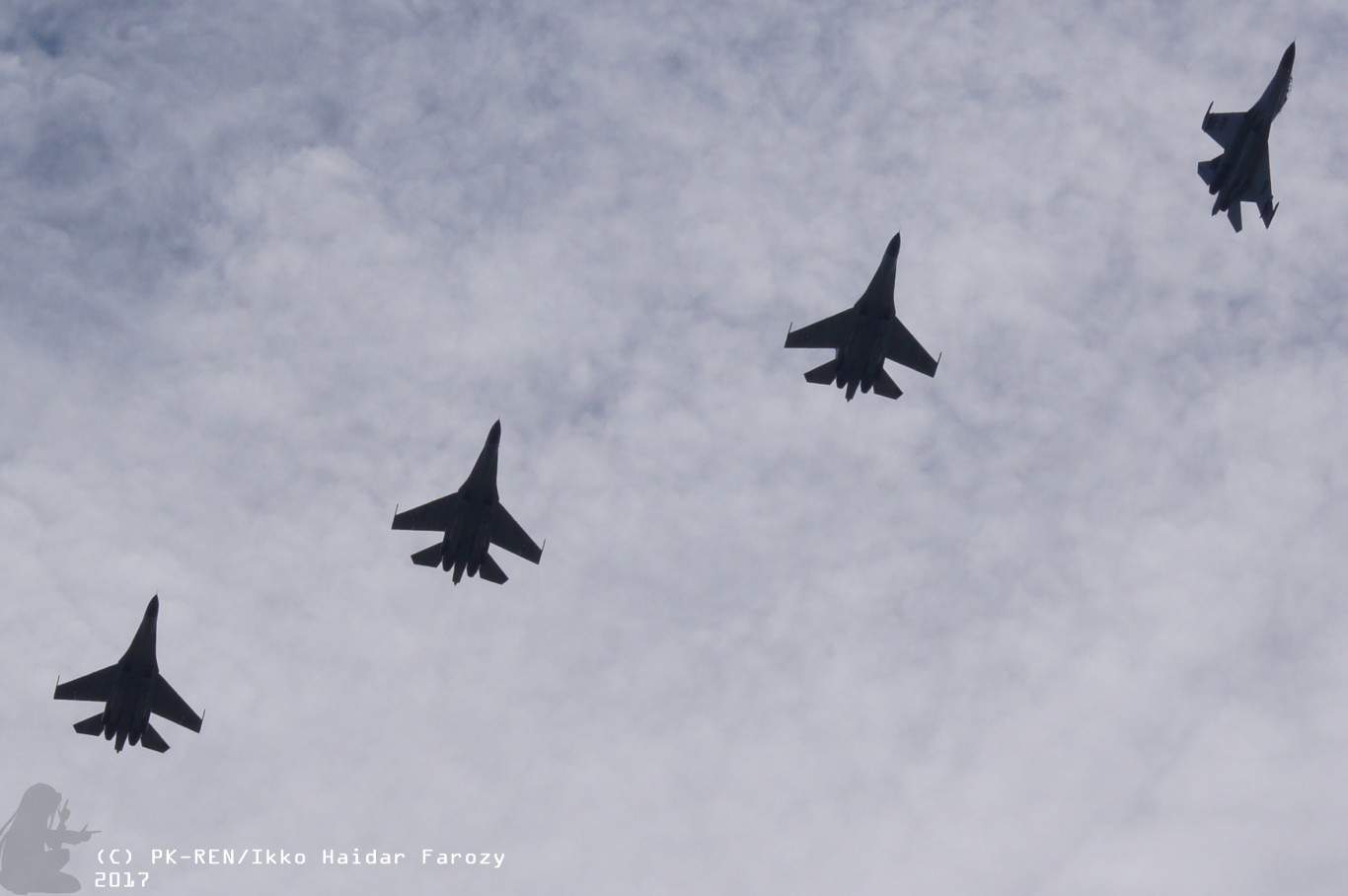
- Estimated number of military aircraft as of 2025: 459
- Est. attack/strike aircraft fleet size: 34
- Est. fighter/interceptor aircraft fleet size: 41
- Est. tanker aircraft fleet size: 1
- Est. fixed-wing transport aircraft fleet size: 70
- Est. attack helicopter fleet size: 15
- Total defense spending in 2024: $11.0 billion (current USD)
- Defense spending as a share of GDP in 2024: 0.8%
25. Spain
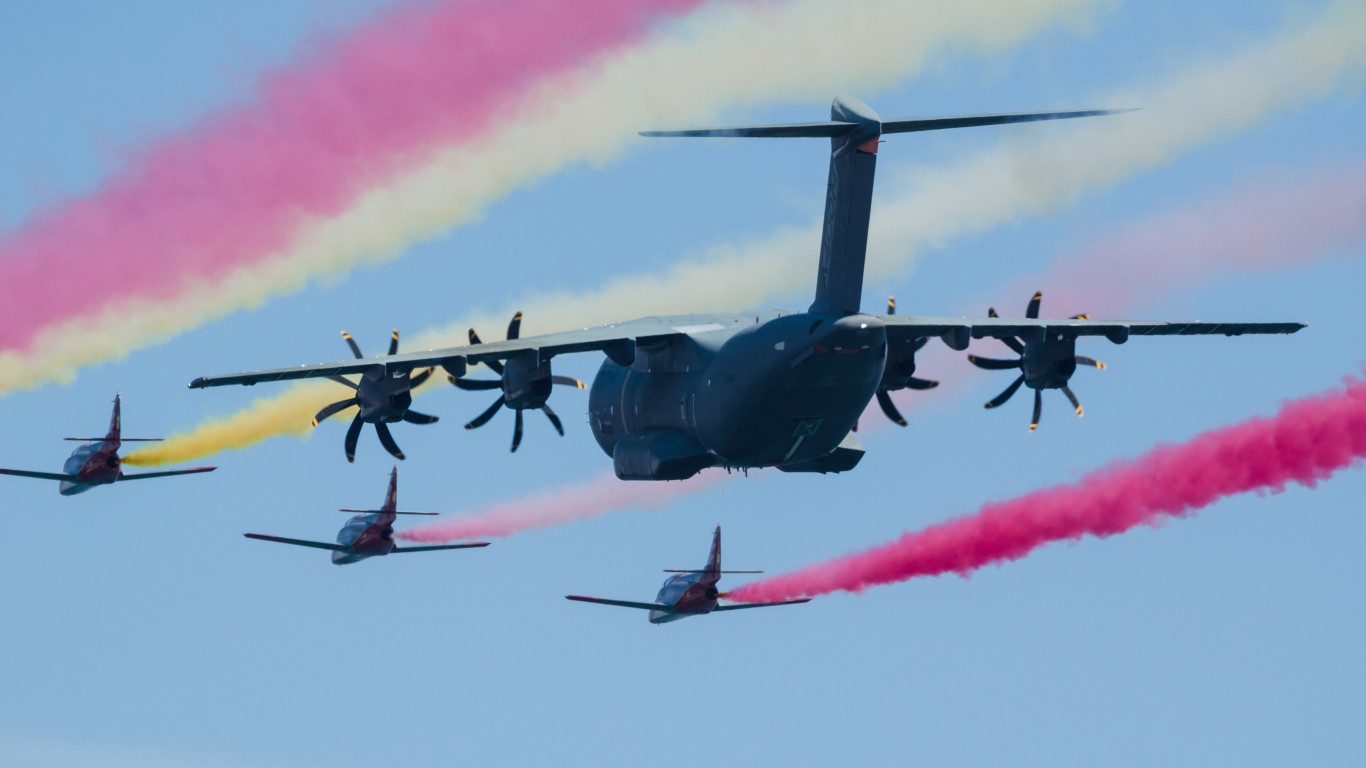
- Estimated number of military aircraft as of 2025: 461
- Est. attack/strike aircraft fleet size: 12
- Est. fighter/interceptor aircraft fleet size: 137
- Est. tanker aircraft fleet size: 0
- Est. fixed-wing transport aircraft fleet size: 51
- Est. attack helicopter fleet size: 17
- Total defense spending in 2024: $24.6 billion (current USD)
- Defense spending as a share of GDP in 2024: 1.4%
24. Poland

- Estimated number of military aircraft as of 2025: 479
- Est. attack/strike aircraft fleet size: 44
- Est. fighter/interceptor aircraft fleet size: 59
- Est. tanker aircraft fleet size: 0
- Est. fixed-wing transport aircraft fleet size: 49
- Est. attack helicopter fleet size: 29
- Total defense spending in 2024: $38.0 billion (current USD)
- Defense spending as a share of GDP in 2024: 4.2%
23. Thailand
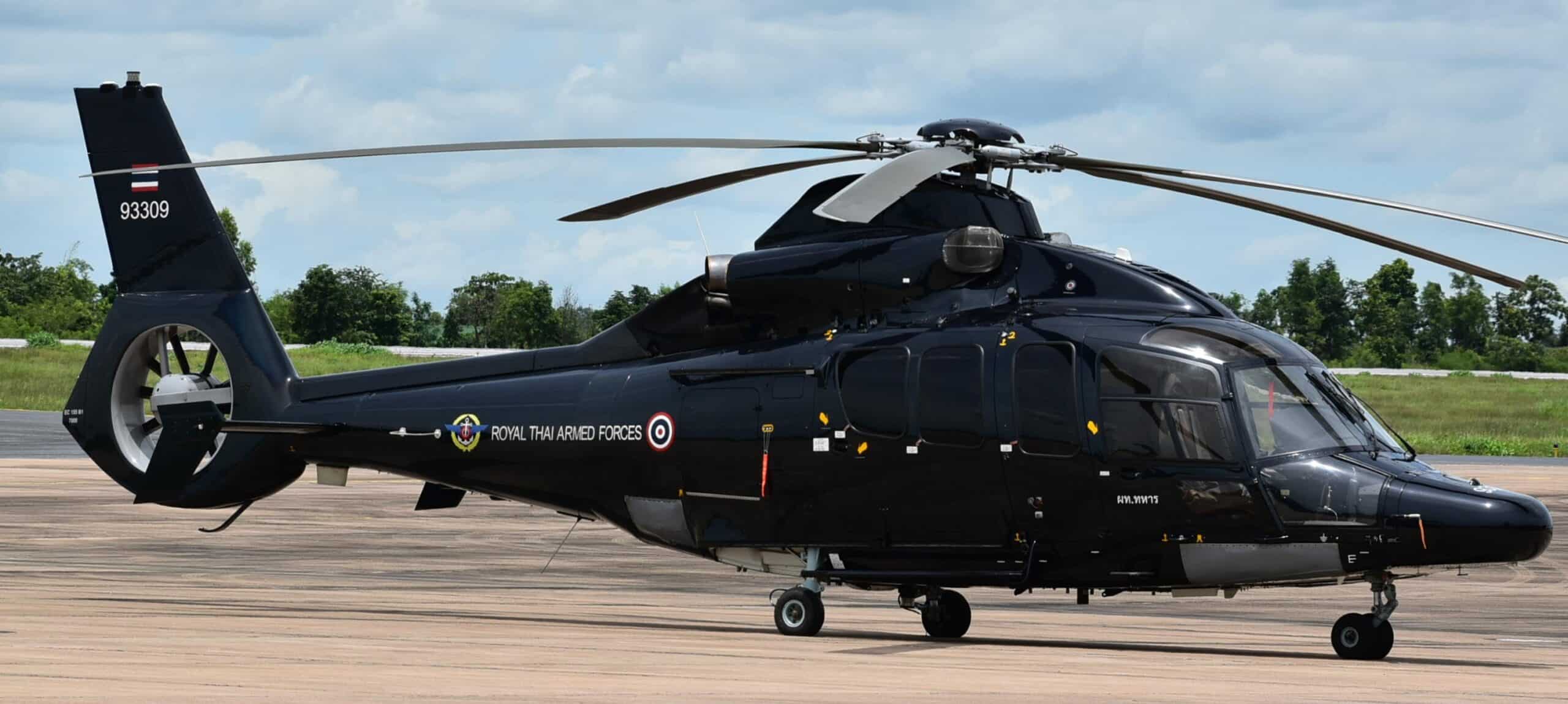
- Estimated number of military aircraft as of 2025: 493
- Est. attack/strike aircraft fleet size: 20
- Est. fighter/interceptor aircraft fleet size: 72
- Est. tanker aircraft fleet size: 0
- Est. fixed-wing transport aircraft fleet size: 54
- Est. attack helicopter fleet size: 7
- Total defense spending in 2024: $5.5 billion (current USD)
- Defense spending as a share of GDP in 2024: 1.1%
22. Brazil
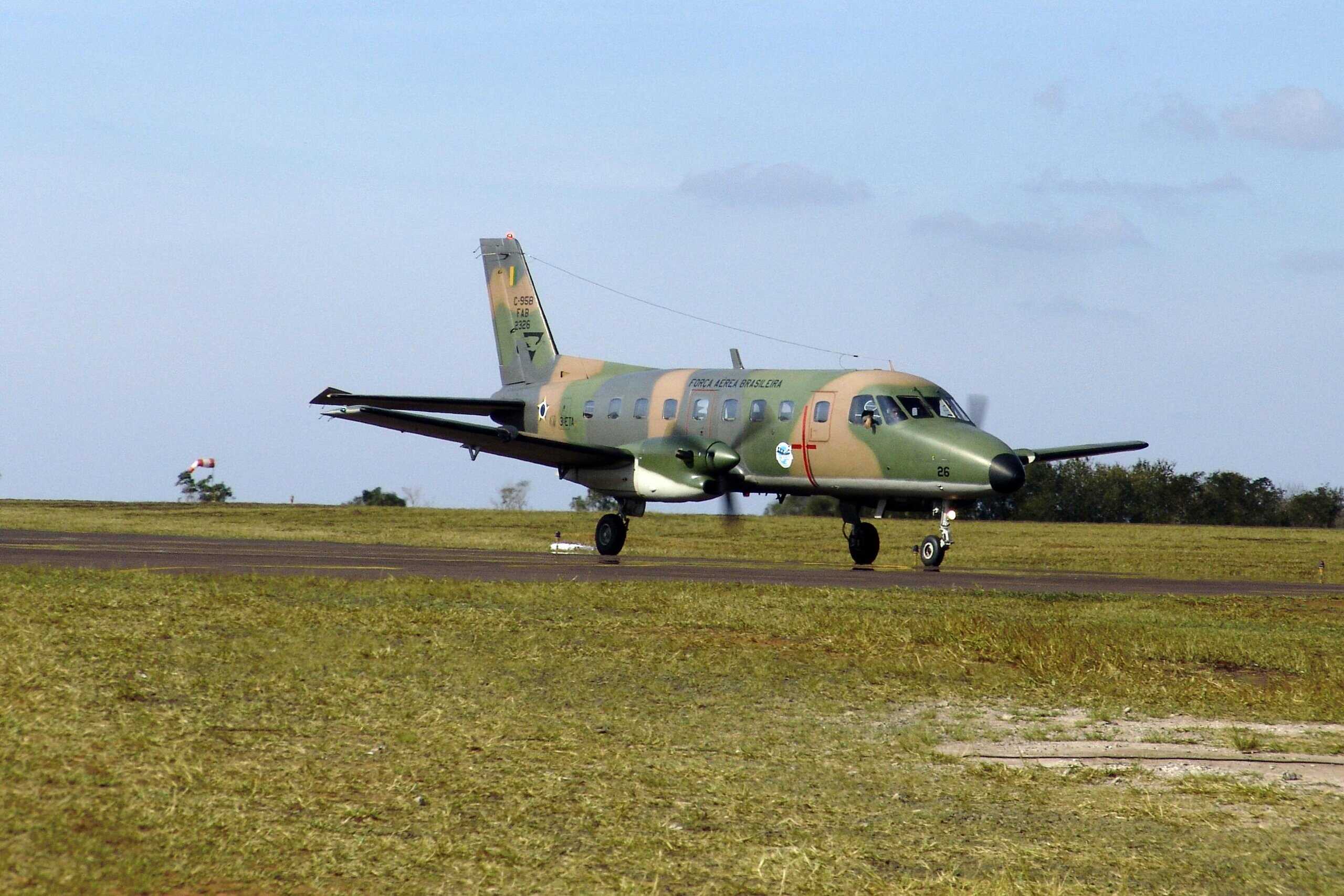
- Estimated number of military aircraft as of 2025: 513
- Est. attack/strike aircraft fleet size: 38
- Est. fighter/interceptor aircraft fleet size: 43
- Est. tanker aircraft fleet size: 0
- Est. fixed-wing transport aircraft fleet size: 109
- Est. attack helicopter fleet size: 0
- Total defense spending in 2024: $20.9 billion (current USD)
- Defense spending as a share of GDP in 2024: 1.0%
21. Iran
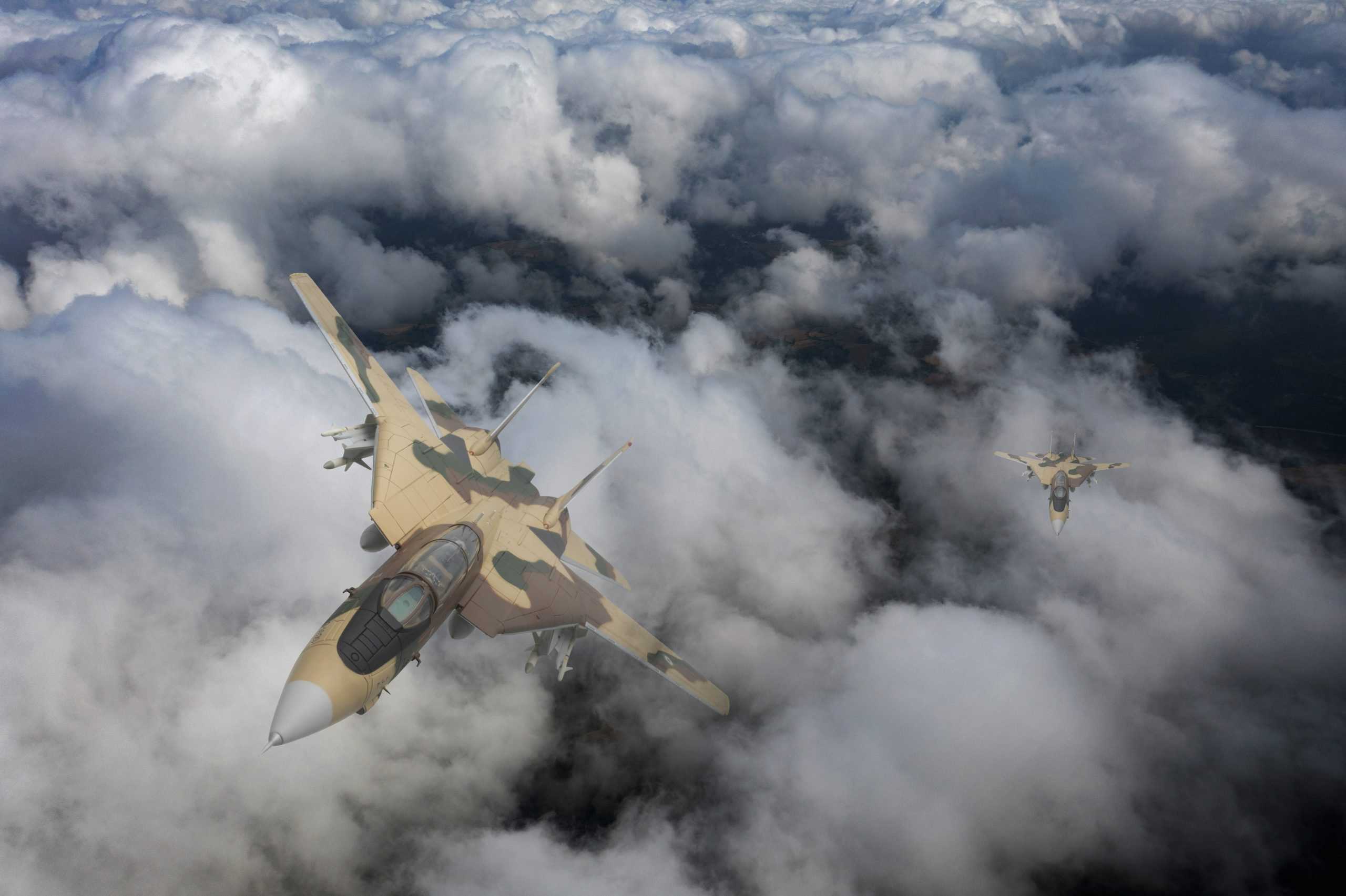
- Estimated number of military aircraft as of 2025: 551
- Est. attack/strike aircraft fleet size: 21
- Est. fighter/interceptor aircraft fleet size: 188
- Est. tanker aircraft fleet size: 6
- Est. fixed-wing transport aircraft fleet size: 87
- Est. attack helicopter fleet size: 13
- Total defense spending in 2024: $7.9 billion (current USD)
- Defense spending as a share of GDP in 2024: 2.0%
20. United Arab Emirates
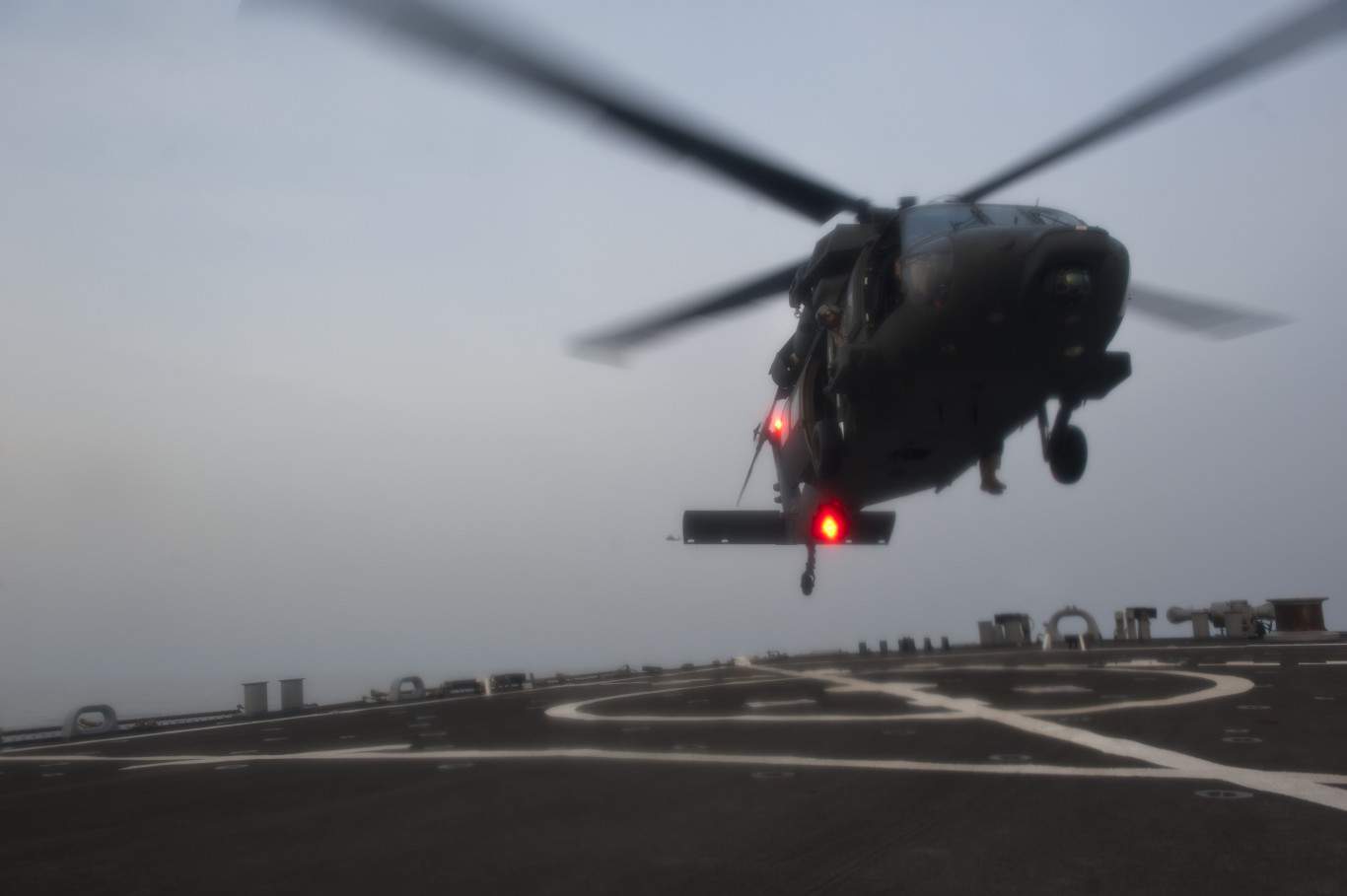
- Estimated number of military aircraft as of 2025: 551
- Est. attack/strike aircraft fleet size: 16
- Est. fighter/interceptor aircraft fleet size: 99
- Est. tanker aircraft fleet size: 4
- Est. fixed-wing transport aircraft fleet size: 37
- Est. attack helicopter fleet size: 30
- Total defense spending in 2024: N/A
- Defense spending as a share of GDP in 2024: N/A
19. Greece
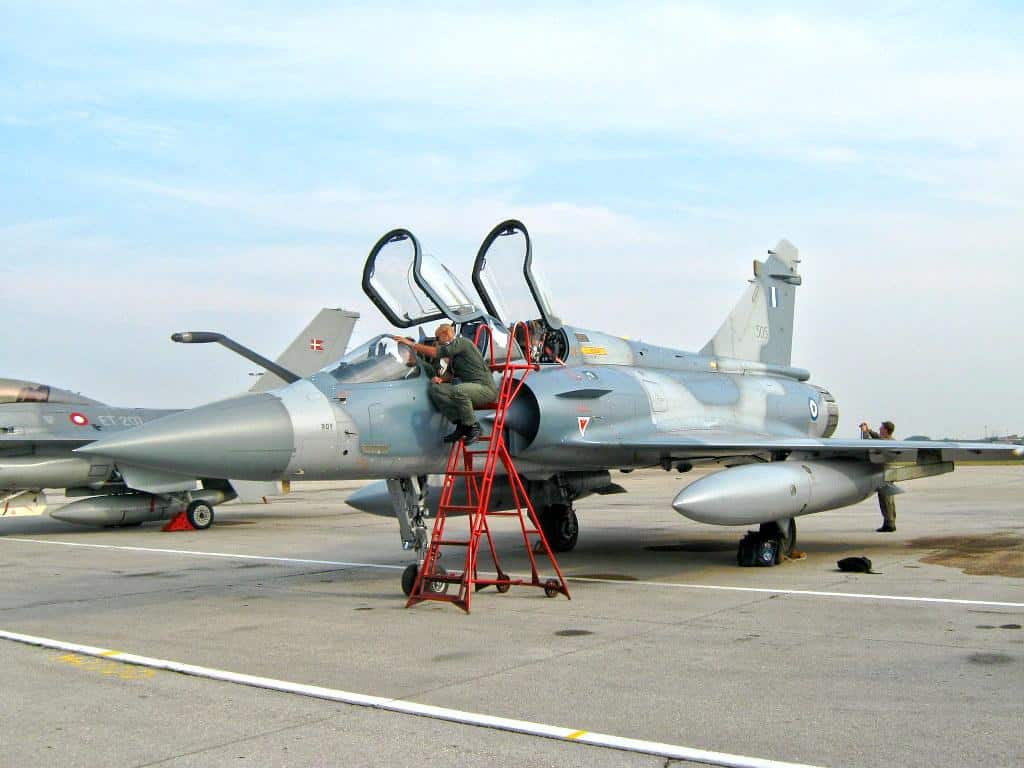
- Estimated number of military aircraft as of 2025: 558
- Est. attack/strike aircraft fleet size: 0
- Est. fighter/interceptor aircraft fleet size: 178
- Est. tanker aircraft fleet size: 0
- Est. fixed-wing transport aircraft fleet size: 15
- Est. attack helicopter fleet size: 29
- Total defense spending in 2024: $8.0 billion (current USD)
- Defense spending as a share of GDP in 2024: 3.1%
18. Germany

- Estimated number of military aircraft as of 2025: 584
- Est. attack/strike aircraft fleet size: 63
- Est. fighter/interceptor aircraft fleet size: 129
- Est. tanker aircraft fleet size: 3
- Est. fixed-wing transport aircraft fleet size: 50
- Est. attack helicopter fleet size: 54
- Total defense spending in 2024: $88.5 billion (current USD)
- Defense spending as a share of GDP in 2024: 1.9%
17. Algeria
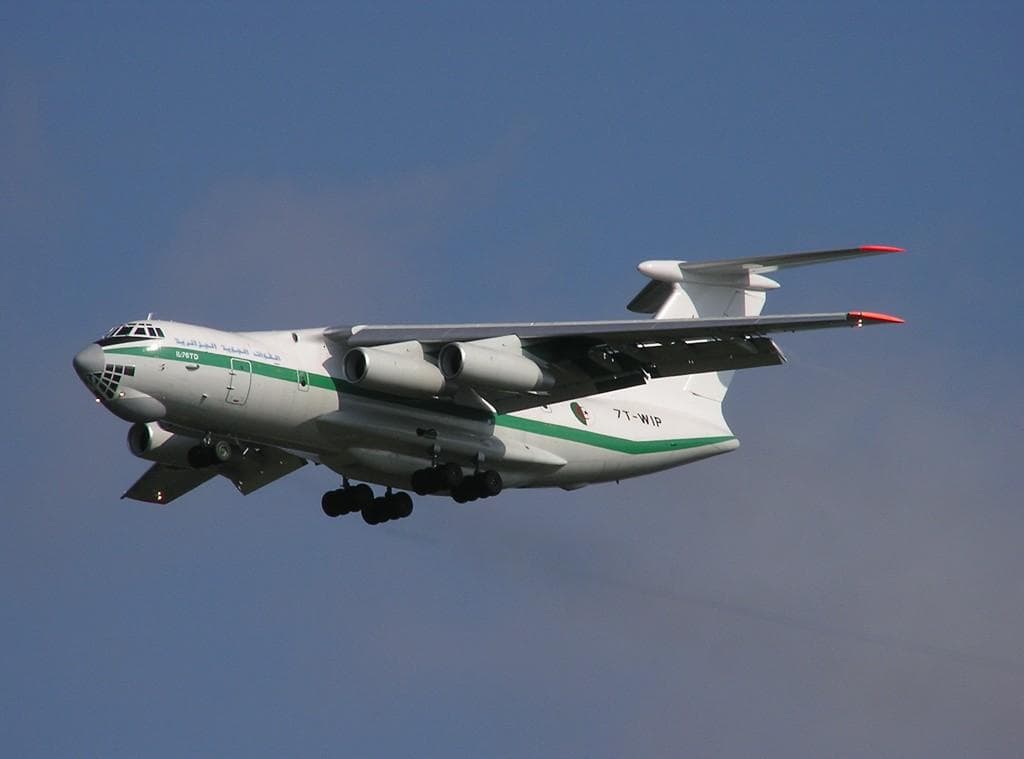
- Estimated number of military aircraft as of 2025: 608
- Est. attack/strike aircraft fleet size: 42
- Est. fighter/interceptor aircraft fleet size: 102
- Est. tanker aircraft fleet size: 5
- Est. fixed-wing transport aircraft fleet size: 63
- Est. attack helicopter fleet size: 74
- Total defense spending in 2024: $21.8 billion (current USD)
- Defense spending as a share of GDP in 2024: 8.0%
16. Israel
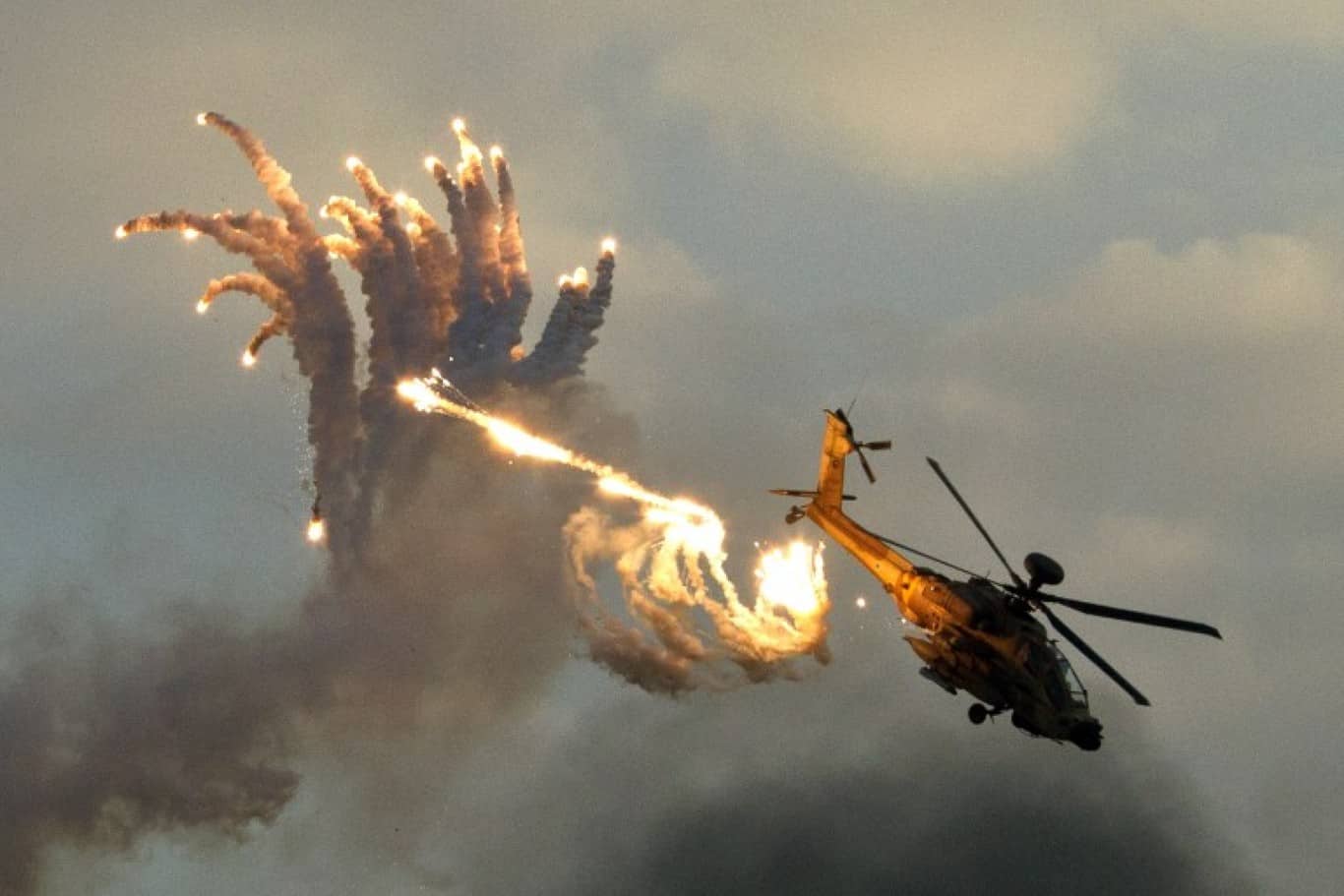
- Estimated number of military aircraft as of 2025: 611
- Est. attack/strike aircraft fleet size: 38
- Est. fighter/interceptor aircraft fleet size: 240
- Est. tanker aircraft fleet size: 14
- Est. fixed-wing transport aircraft fleet size: 13
- Est. attack helicopter fleet size: 48
- Total defense spending in 2024: $46.5 billion (current USD)
- Defense spending as a share of GDP in 2024: 8.8%
15. United Kingdom
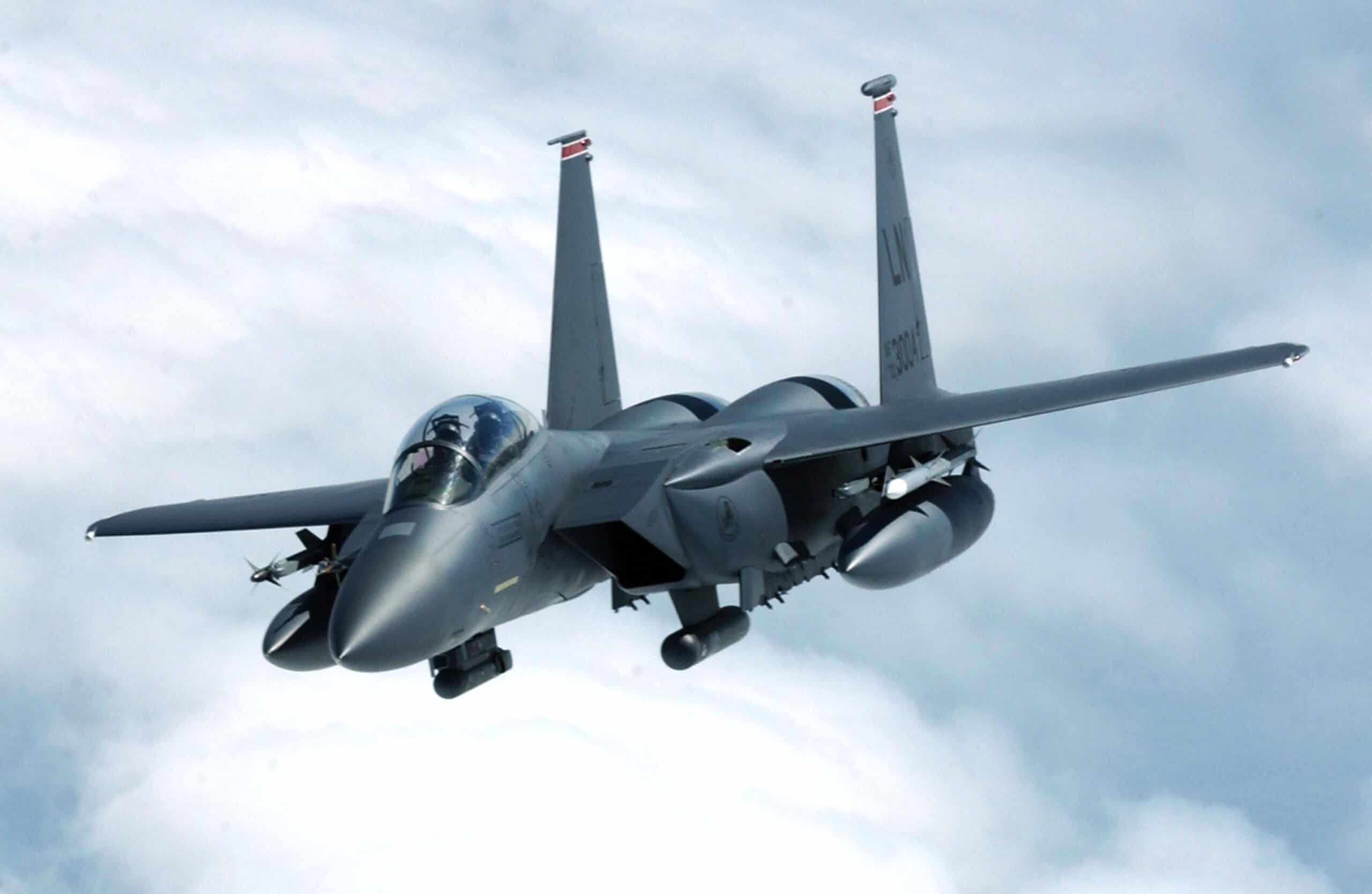
- Estimated number of military aircraft as of 2025: 631
- Est. attack/strike aircraft fleet size: 31
- Est. fighter/interceptor aircraft fleet size: 113
- Est. tanker aircraft fleet size: 9
- Est. fixed-wing transport aircraft fleet size: 29
- Est. attack helicopter fleet size: 37
- Total defense spending in 2024: $81.8 billion (current USD)
- Defense spending as a share of GDP in 2024: 2.3%
14. Italy
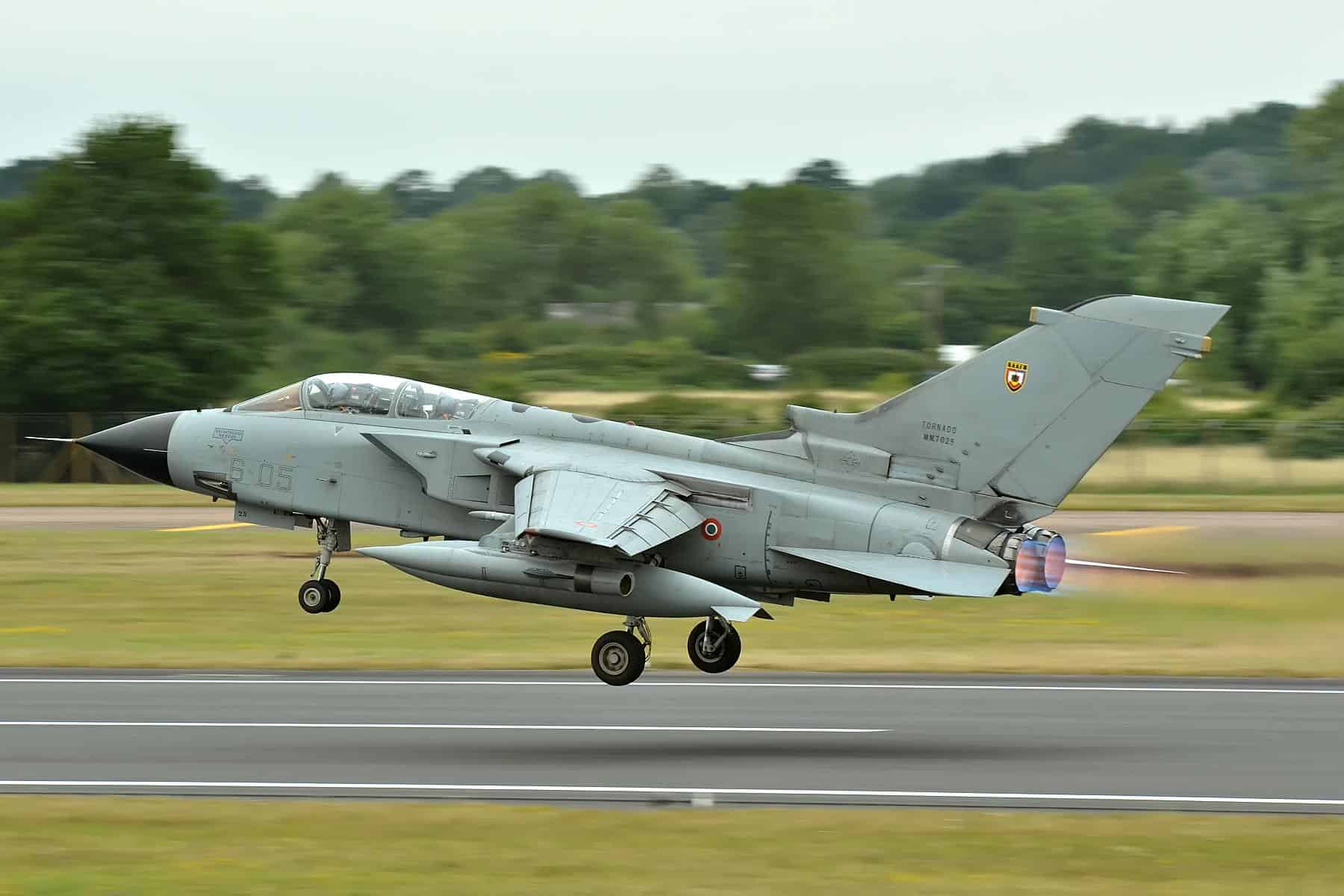
- Estimated number of military aircraft as of 2025: 729
- Est. attack/strike aircraft fleet size: 67
- Est. fighter/interceptor aircraft fleet size: 89
- Est. tanker aircraft fleet size: 8
- Est. fixed-wing transport aircraft fleet size: 30
- Est. attack helicopter fleet size: 37
- Total defense spending in 2024: $38.0 billion (current USD)
- Defense spending as a share of GDP in 2024: 1.6%
13. Taiwan
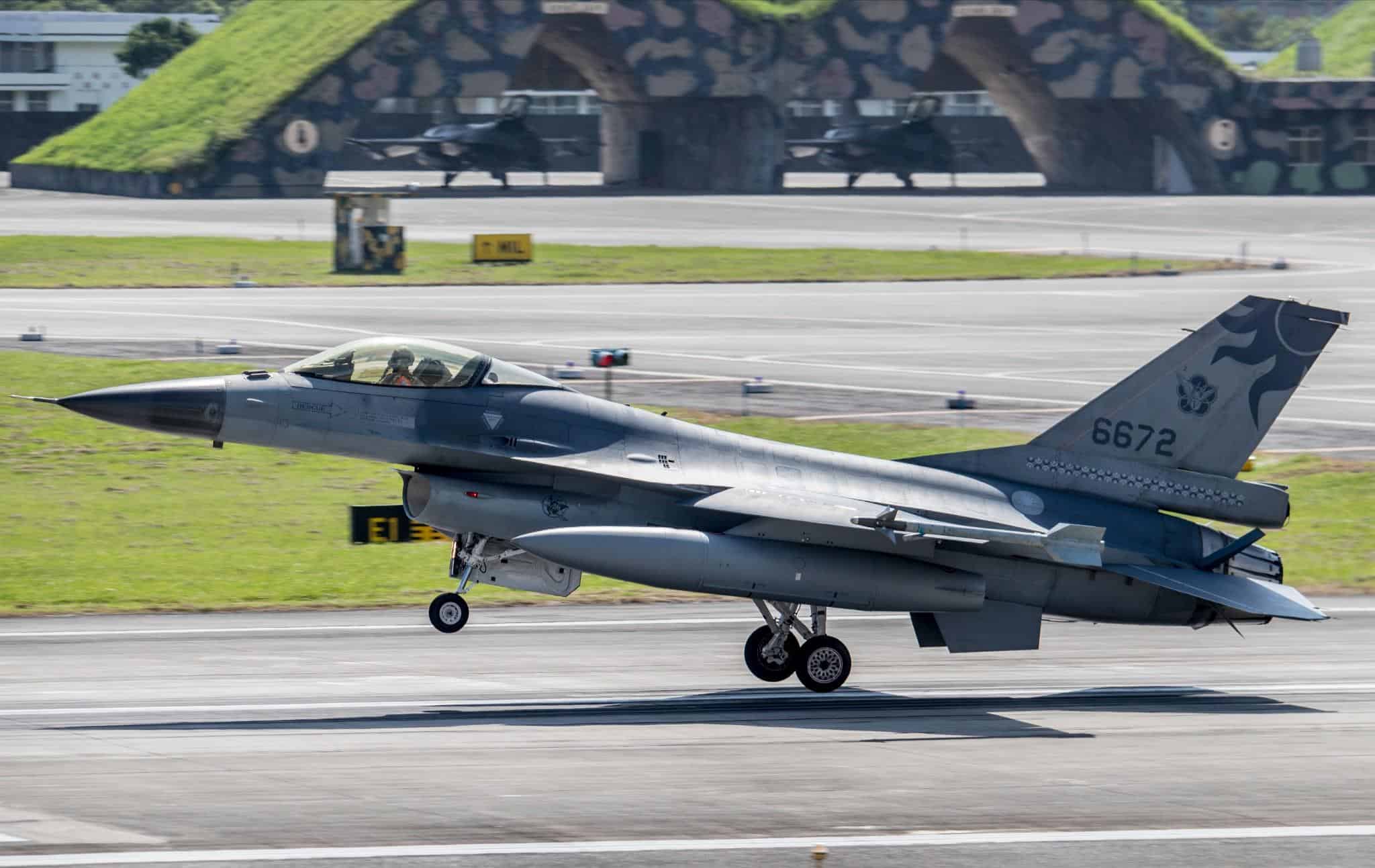
- Estimated number of military aircraft as of 2025: 761
- Est. attack/strike aircraft fleet size: 0
- Est. fighter/interceptor aircraft fleet size: 285
- Est. tanker aircraft fleet size: 0
- Est. fixed-wing transport aircraft fleet size: 19
- Est. attack helicopter fleet size: 91
- Total defense spending in 2024: $16.5 billion (current USD)
- Defense spending as a share of GDP in 2024: 2.1%
12. North Korea
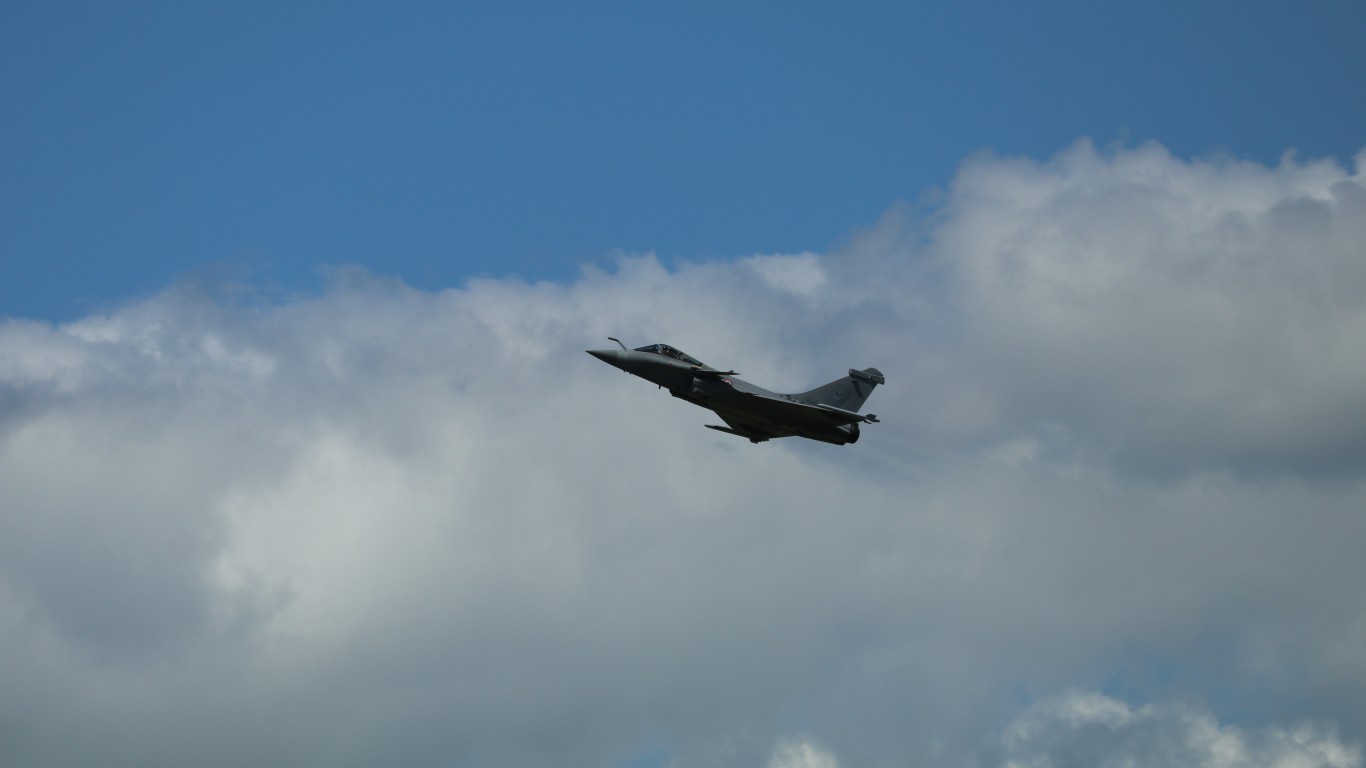
- Estimated number of military aircraft as of 2025: 861
- Est. attack/strike aircraft fleet size: 114
- Est. fighter/interceptor aircraft fleet size: 368
- Est. tanker aircraft fleet size: 0
- Est. fixed-wing transport aircraft fleet size: 1
- Est. attack helicopter fleet size: 20
- Total defense spending in 2018: $1.6 billion (current USD)
- Defense spending as a share of GDP in 2024: N/A
11. Saudi Arabia
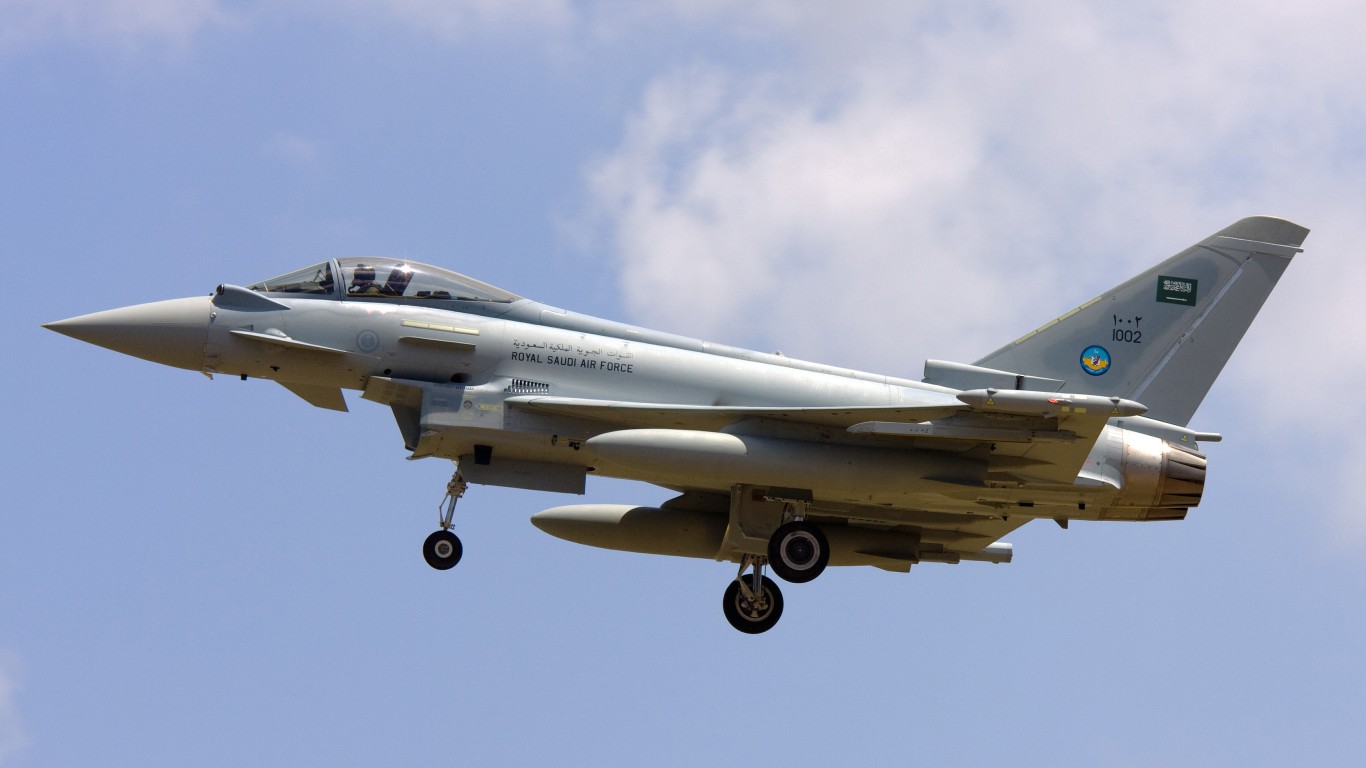
- Estimated number of military aircraft as of 2025: 917
- Est. attack/strike aircraft fleet size: 81
- Est. fighter/interceptor aircraft fleet size: 283
- Est. tanker aircraft fleet size: 22
- Est. fixed-wing transport aircraft fleet size: 49
- Est. attack helicopter fleet size: 34
- Total defense spending in 2024: $80.3 billion (current USD)
- Defense spending as a share of GDP in 2024: 7.3%
10. France
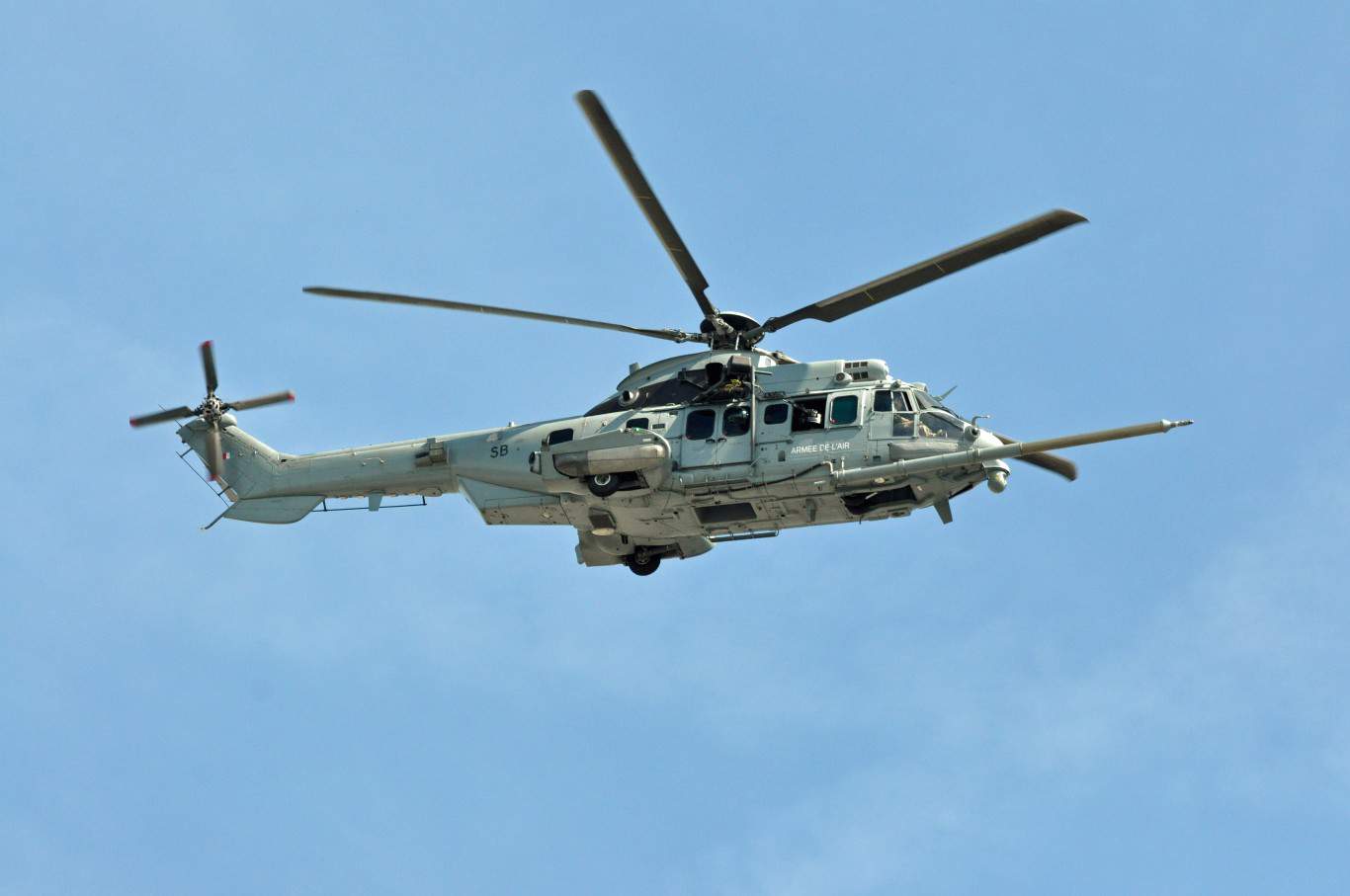
- Estimated number of military aircraft as of 2025: 976
- Est. attack/strike aircraft fleet size: 0
- Est. fighter/interceptor aircraft fleet size: 226
- Est. tanker aircraft fleet size: 16
- Est. fixed-wing transport aircraft fleet size: 119
- Est. attack helicopter fleet size: 68
- Total defense spending in 2024: $64.7 billion (current USD)
- Defense spending as a share of GDP in 2024: 2.1%
9. Turkey
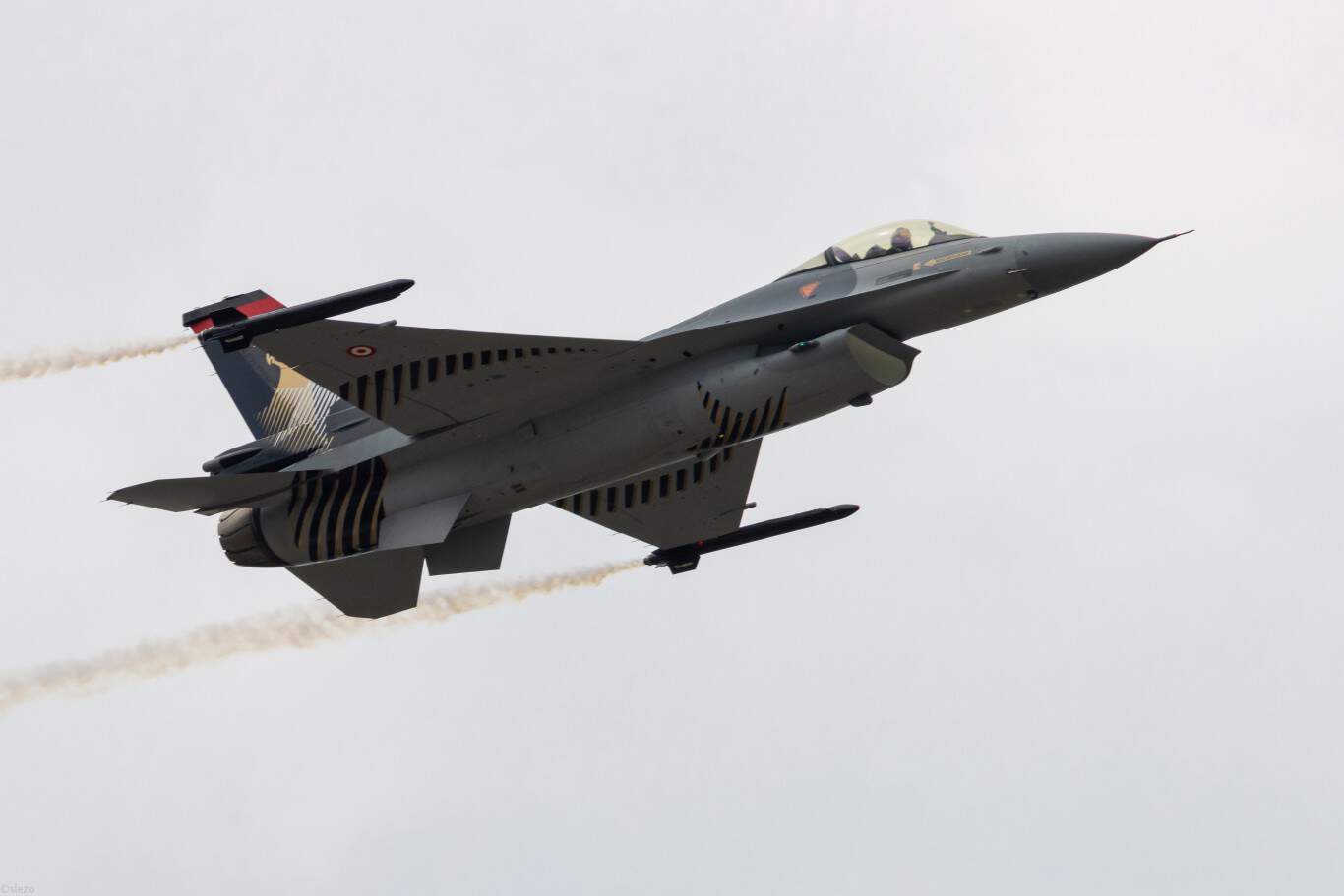
- Estimated number of military aircraft as of 2025: 1,083
- Est. attack/strike aircraft fleet size: 0
- Est. fighter/interceptor aircraft fleet size: 201
- Est. tanker aircraft fleet size: 7
- Est. fixed-wing transport aircraft fleet size: 84
- Est. attack helicopter fleet size: 111
- Total defense spending in 2024: $25.0 billion (current USD)
- Defense spending as a share of GDP in 2024: 1.9%
8. Egypt

- Estimated number of military aircraft as of 2025: 1,093
- Est. attack/strike aircraft fleet size: 90
- Est. fighter/interceptor aircraft fleet size: 238
- Est. tanker aircraft fleet size: 0
- Est. fixed-wing transport aircraft fleet size: 61
- Est. attack helicopter fleet size: 100
- Total defense spending in 2024: $2.4 billion (current USD)
- Defense spending as a share of GDP in 2024: 0.7%
7. Pakistan
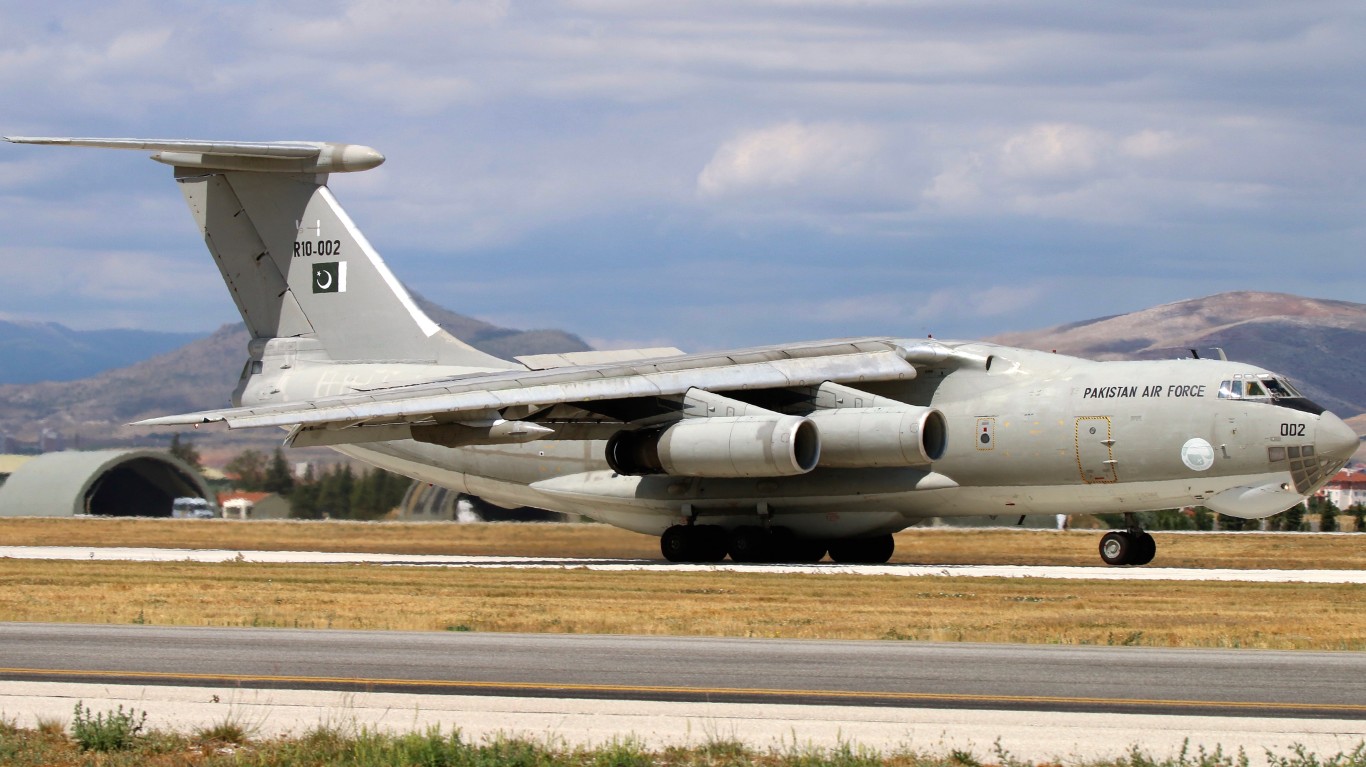
- Estimated number of military aircraft as of 2025: 1,399
- Est. attack/strike aircraft fleet size: 90
- Est. fighter/interceptor aircraft fleet size: 328
- Est. tanker aircraft fleet size: 4
- Est. fixed-wing transport aircraft fleet size: 64
- Est. attack helicopter fleet size: 57
- Total defense spending in 2024: $10.2 billion (current USD)
- Defense spending as a share of GDP in 2024: 2.7%
6. Japan
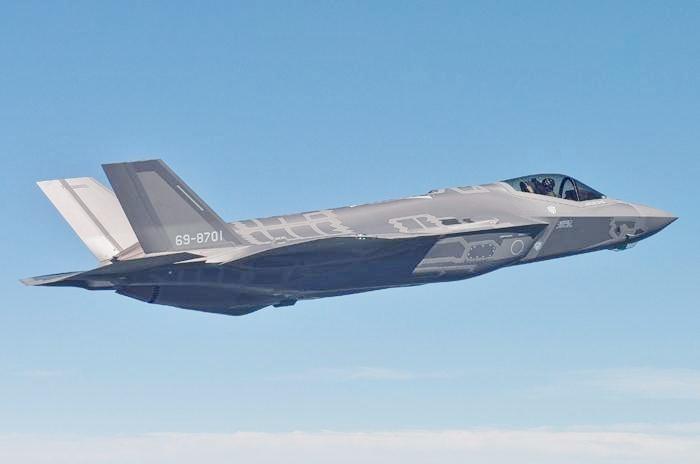
- Estimated number of military aircraft as of 2025: 1,443
- Est. attack/strike aircraft fleet size: 38
- Est. fighter/interceptor aircraft fleet size: 217
- Est. tanker aircraft fleet size: 10
- Est. fixed-wing transport aircraft fleet size: 55
- Est. attack helicopter fleet size: 119
- Total defense spending in 2024: $55.3 billion (current USD)
- Defense spending as a share of GDP in 2024: 1.4%
5. South Korea
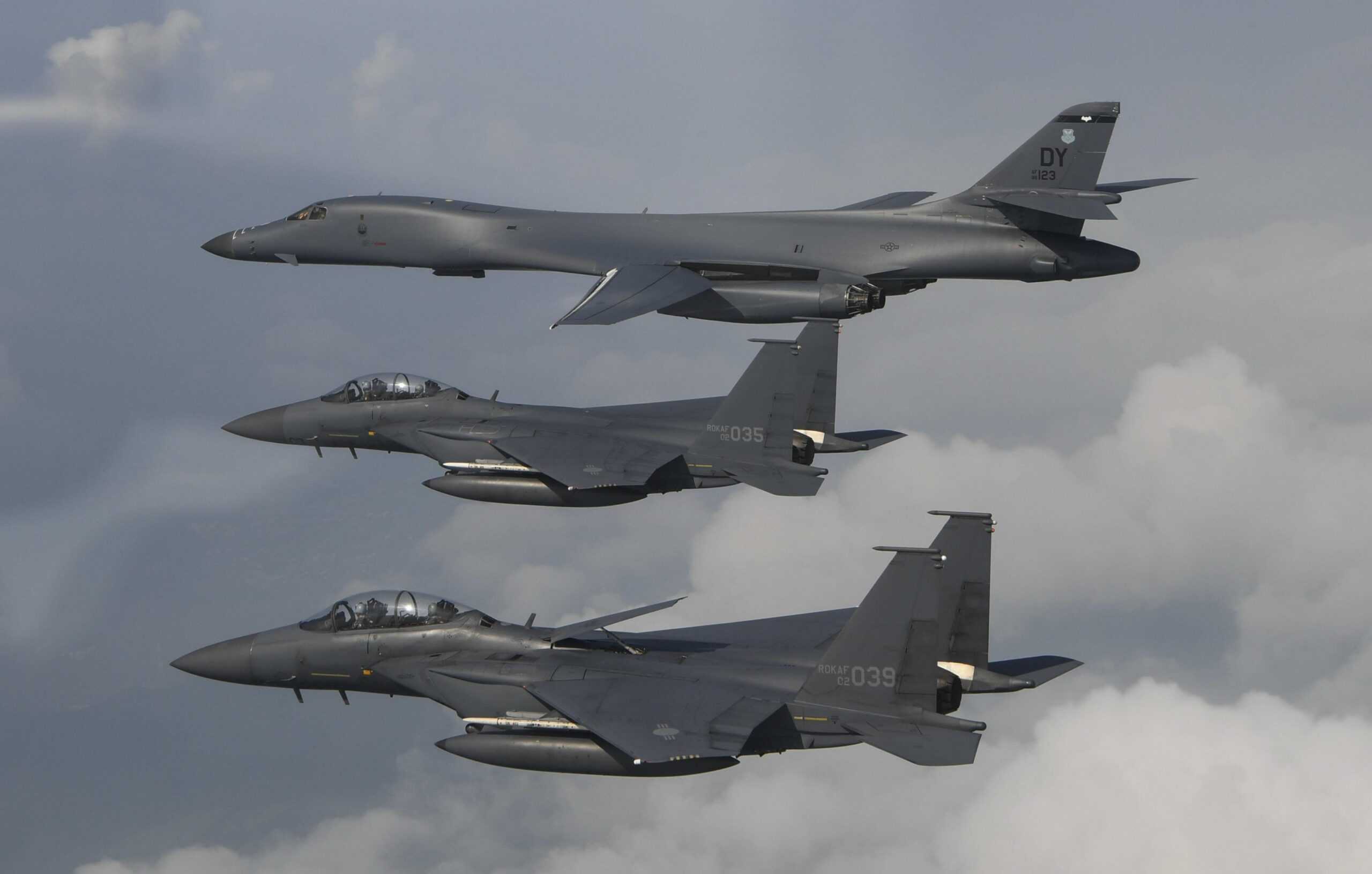
- Estimated number of military aircraft as of 2025: 1,592
- Est. attack/strike aircraft fleet size: 98
- Est. fighter/interceptor aircraft fleet size: 315
- Est. tanker aircraft fleet size: 4
- Est. fixed-wing transport aircraft fleet size: 41
- Est. attack helicopter fleet size: 111
- Total defense spending in 2024: $47.6 billion (current USD)
- Defense spending as a share of GDP in 2024: 2.6%
4. India
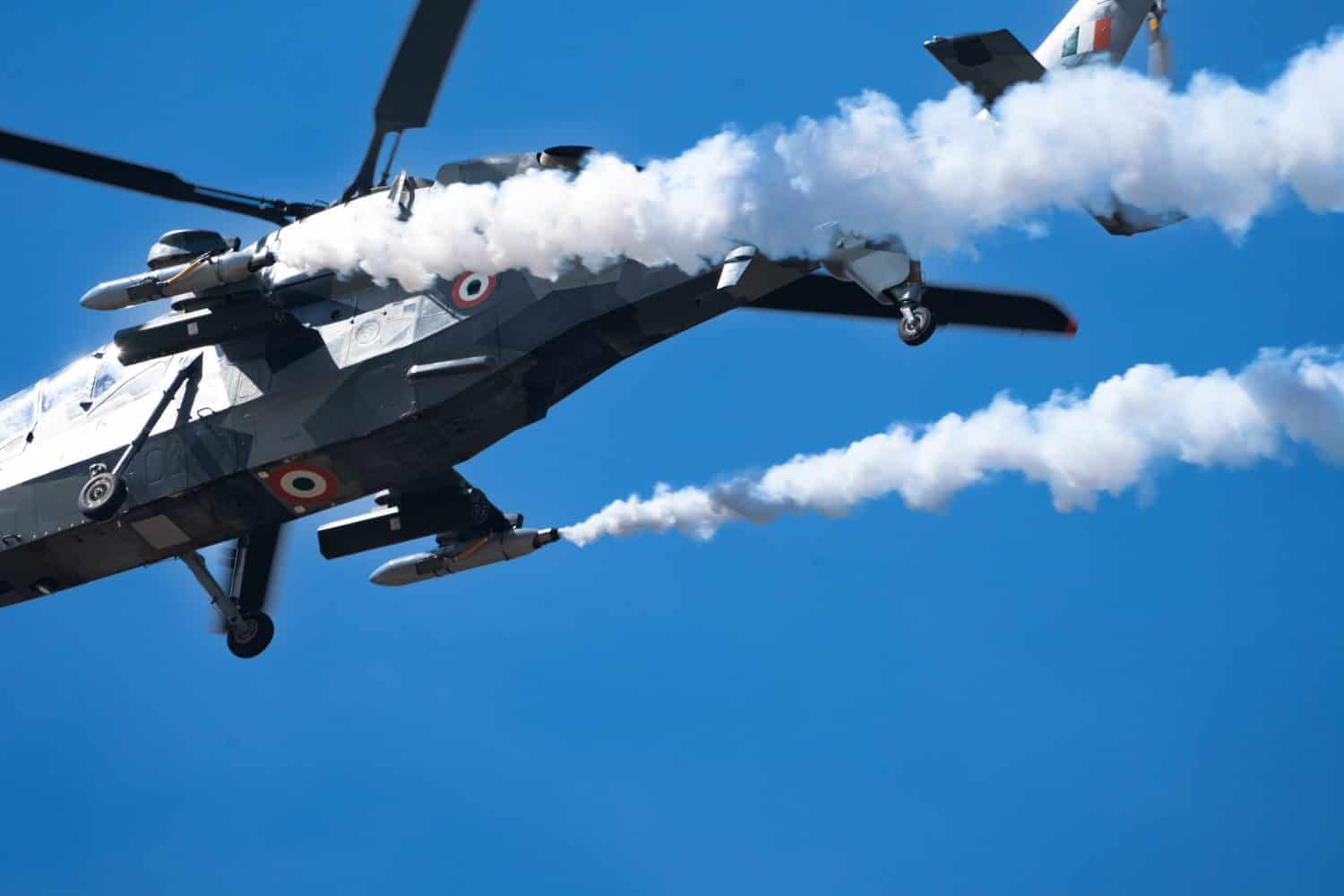
- Estimated number of military aircraft as of 2025: 2,229
- Est. attack/strike aircraft fleet size: 130
- Est. fighter/interceptor aircraft fleet size: 513
- Est. tanker aircraft fleet size: 6
- Est. fixed-wing transport aircraft fleet size: 270
- Est. attack helicopter fleet size: 80
- Total defense spending in 2024: $86.1 billion (current USD)
- Defense spending as a share of GDP in 2024: 2.3%
3. China
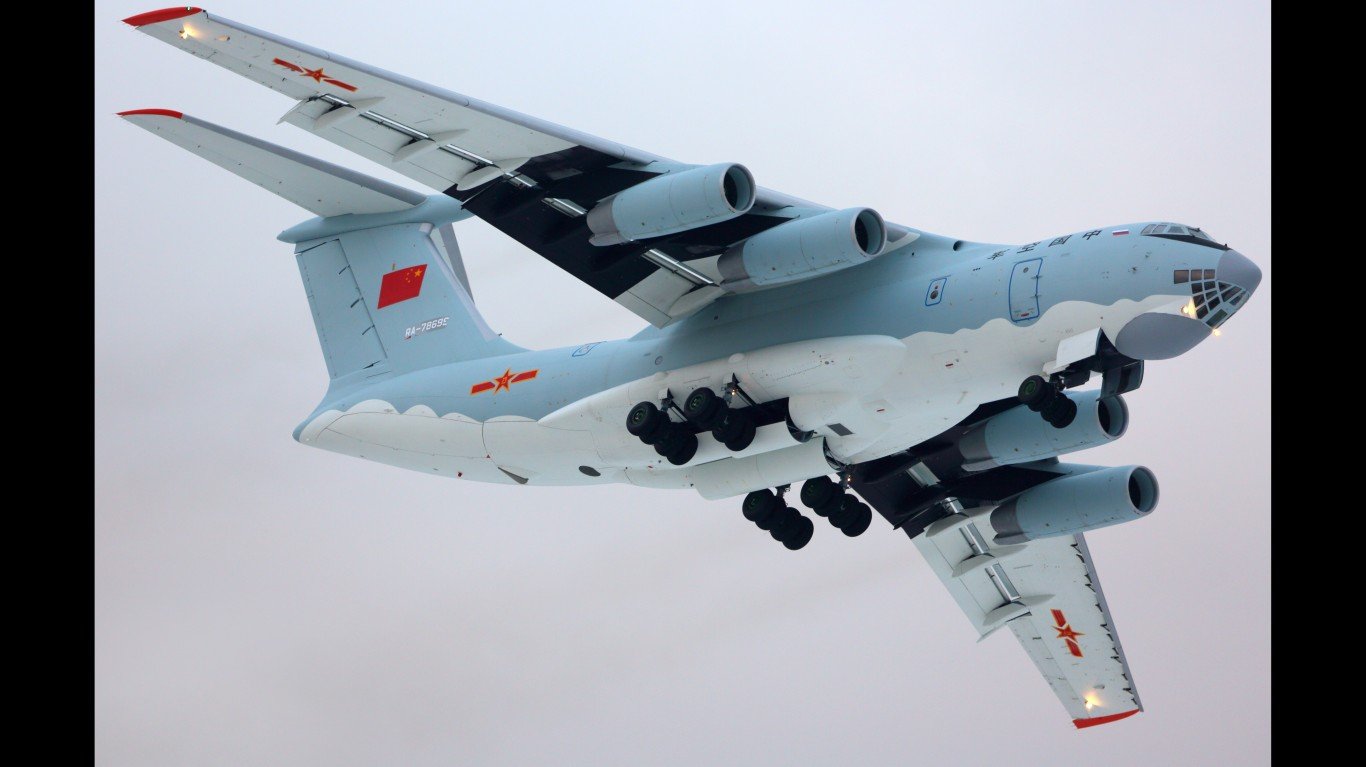
- Estimated number of military aircraft as of 2025: 3,309
- Est. attack/strike aircraft fleet size: 371
- Est. fighter/interceptor aircraft fleet size: 1,212
- Est. tanker aircraft fleet size: 10
- Est. fixed-wing transport aircraft fleet size: 289
- Est. attack helicopter fleet size: 281
- Total defense spending in 2024: $313.7 billion (current USD)
- Defense spending as a share of GDP in 2024: 1.7%
2. Russia
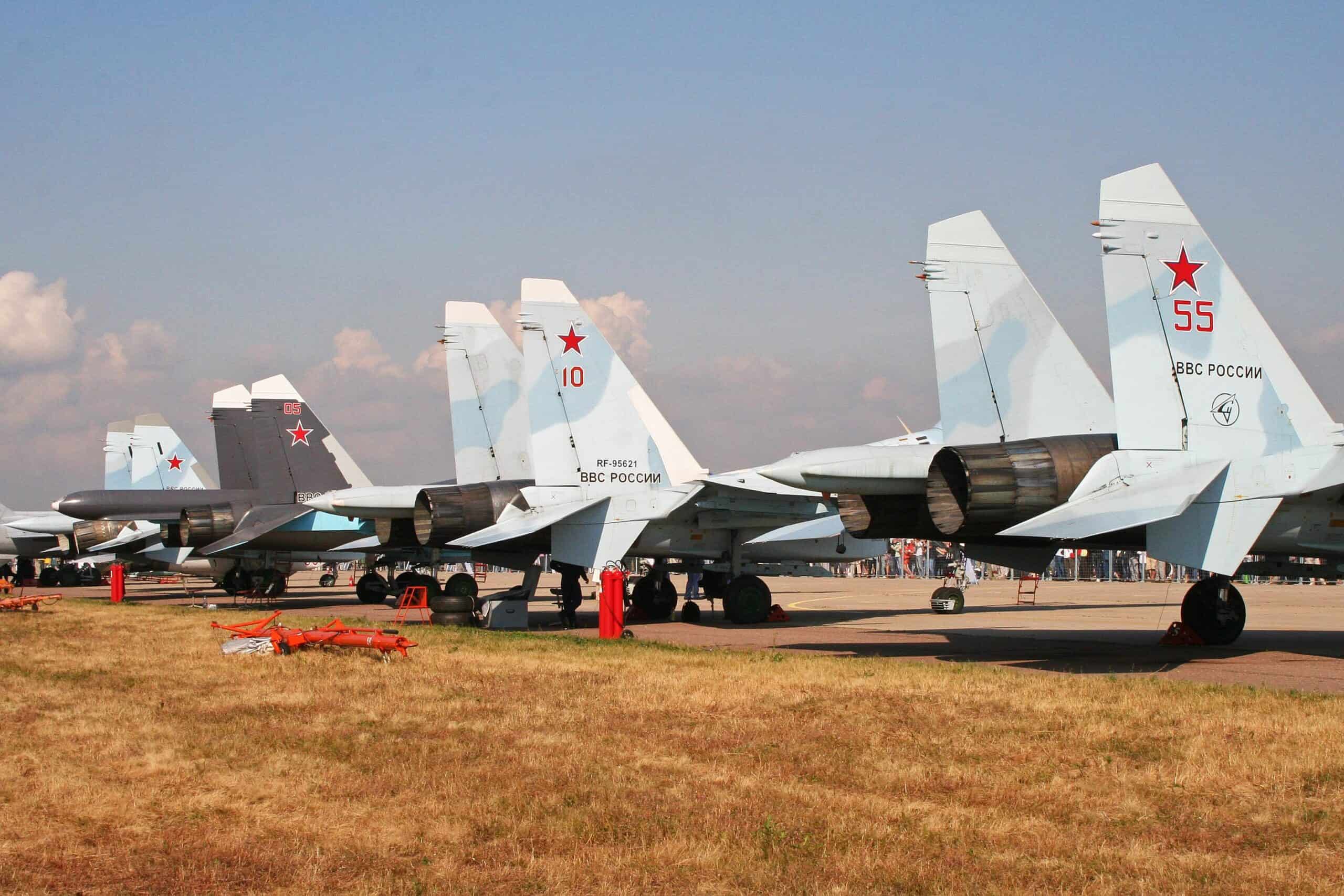
- Estimated number of military aircraft as of 2025: 4,292
- Est. attack/strike aircraft fleet size: 689
- Est. fighter/interceptor aircraft fleet size: 833
- Est. tanker aircraft fleet size: 19
- Est. fixed-wing transport aircraft fleet size: 456
- Est. attack helicopter fleet size: 557
- Total defense spending in 2024: $149.0 billion (current USD)
- Defense spending as a share of GDP in 2024: 7.1%
1. United States

- Estimated number of military aircraft as of 2025: 13,043
- Est. attack/strike aircraft fleet size: 889
- Est. fighter/interceptor aircraft fleet size: 1,790
- Est. tanker aircraft fleet size: 605
- Est. fixed-wing transport aircraft fleet size: 918
- Est. attack helicopter fleet size: 1,002
- Total defense spending in 2024: $997.3 billion (current USD)
- Defense spending as a share of GDP in 2024: 3.4%
Contact [email protected] for any questions or corrections.
Sam Stebbins is a writer at 247WallSt.com where his primary focus is on government policy, politics, companies, and broad social and economic trends. Sam has been writing in the money and news verticals for over 8 years and holds a bachelor's degree from Hobart College, which he earned in 2010. Sam resides in upstate New York and enjoys hiking, biking, canoeing, and skiing in the Adirondack Mountains and across the Northeast.