The Real Cost of Retiring in The Villages, Florida, on a Single Pension
We get a version of this question almost every week. Someone has a single pension and has been told The Villages is the affordable answer in Florida. They want to know if the math actually works on one income. Here…

This post may contain links from our sponsors and affiliates, and Flywheel Publishing may receive compensation for actions taken through them.
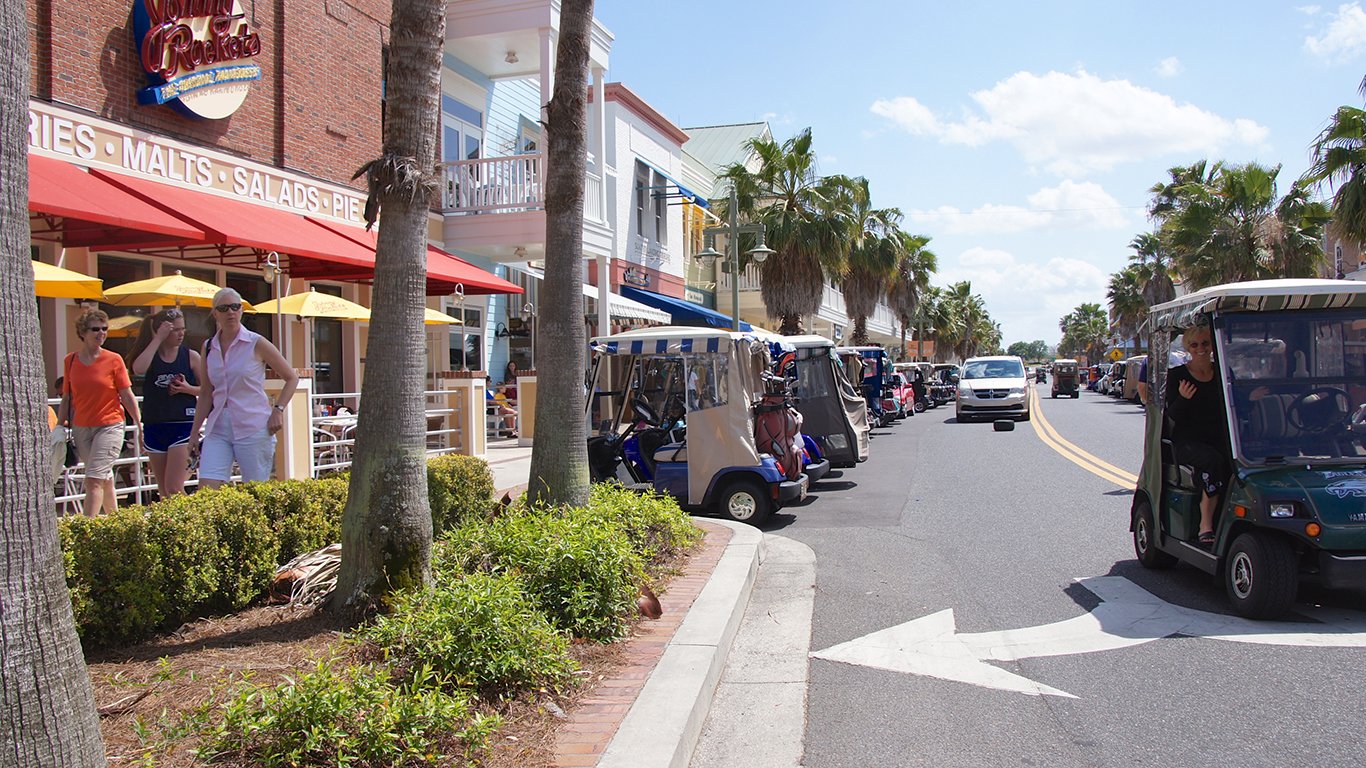
We get a version of this question almost every week. Someone has a single pension and has been told The Villages is the affordable answer in Florida. They want to know if the math actually works on one income. Here is what it really takes.
What The Villages actually costs a single retiree
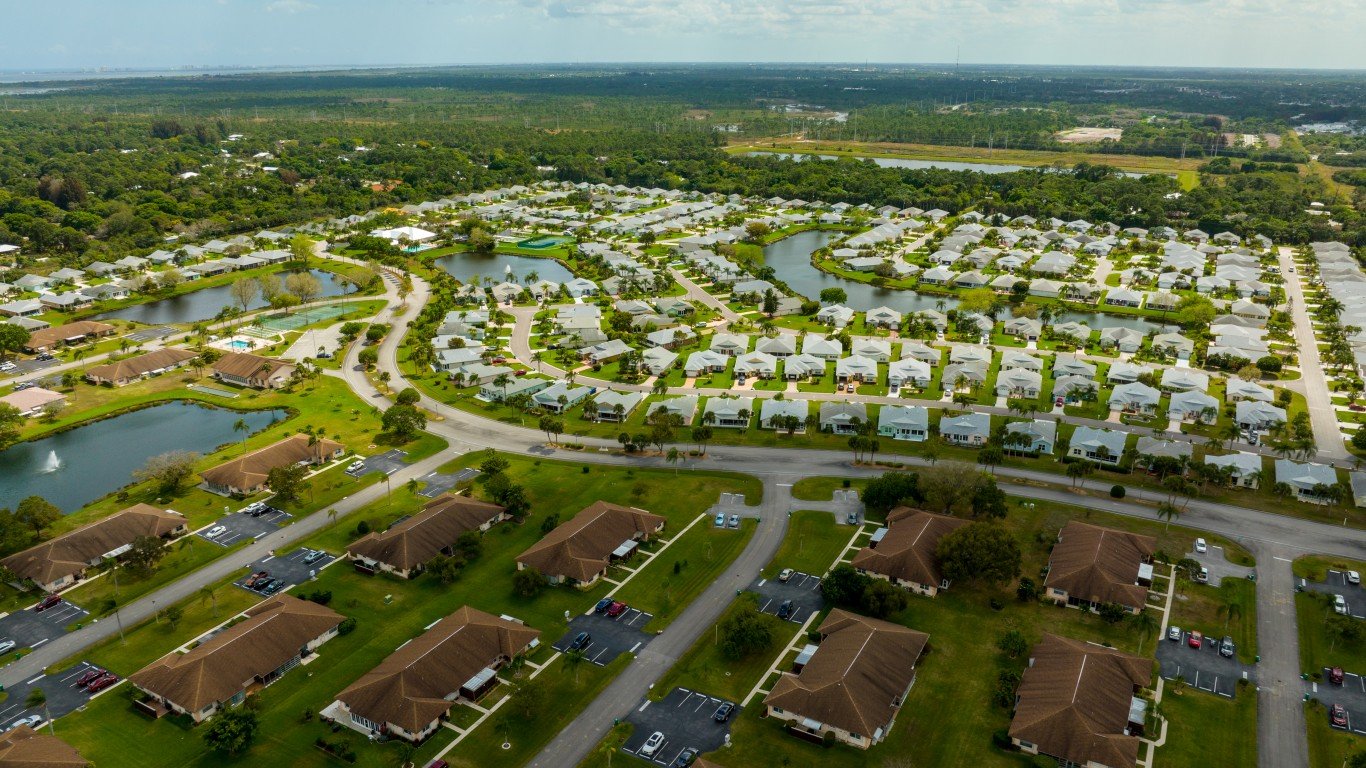
Start with the house. A patio villa or small courtyard villa in the older sections runs in the low to mid $300,000s, while a designer home north of 466A pushes past $500,000. The overall median sale price across The Villages came in at $355,000 for the three months ending May 2026, down 2.3% year-over-year as the market cooled from its pandemic-era highs. That softening continued into summer: Realtor.com listing data for August 2026 showed the median listing price at $377,784, down nearly 2% from the same month in 2025, with homes sitting on the market roughly twice as long as they did in 2022. For a buyer, the direction of prices works in their favor. Assume a single retiree pays cash for a roughly $325,000 villa. Property taxes in Sumter County land near $3,500 a year on that value, and Florida homeowners insurance has been a volatile line item for several years running.
There is good news for inland buyers. Sumter County sits well removed from the coast, and annual premiums on a $300,000 home average closer to $1,620 to $2,200 a year, far below the statewide headline figures. A wind-included policy on a modest home is realistic in the $2,000 to $2,800 range. Florida’s tort reform push, which eliminated one-way attorney fees and curtailed assignment-of-benefits abuse through 2022 and 2023 legislation, has produced genuine rate relief. Citizens Property Insurance, the state’s insurer of last resort, received an 8.7% average statewide rate cut in 2026 from the Florida Office of Insurance Regulation, the first reduction since 2015 and larger than the 2.6% Citizens originally proposed. Private carriers followed: State Farm filed for a 10.1% statewide reduction and Florida Peninsula filed for an 8.2% cut, reflecting the same improved market conditions.
Then come the hidden line items. The monthly amenity fee runs around $200, indexed annually to CPI. Most homes carry a CDD bond, which is infrastructure debt baked into the property at closing. Depending on the home and how long the bond has been running, remaining principal can range from $10,000 to $30,000, with annual payments of $1,200 to $2,500 until the debt is retired. A fire assessment and trash collection add a few hundred more. Call the non-tax community carrying cost roughly $4,500 a year before you turn on a light.
Healthcare at 65 is Medicare. Part B costs $202.90 a month in 2026, up $17.90 from $185 in 2025, with a $283 annual deductible. Add a Medigap Plan G (roughly $160 to $200 a month in central Florida for a 65-year-old), a Part D drug plan around $40, and dental and vision out of pocket, and the annual healthcare tab reaches $5,800 to $6,500 before any serious illness.
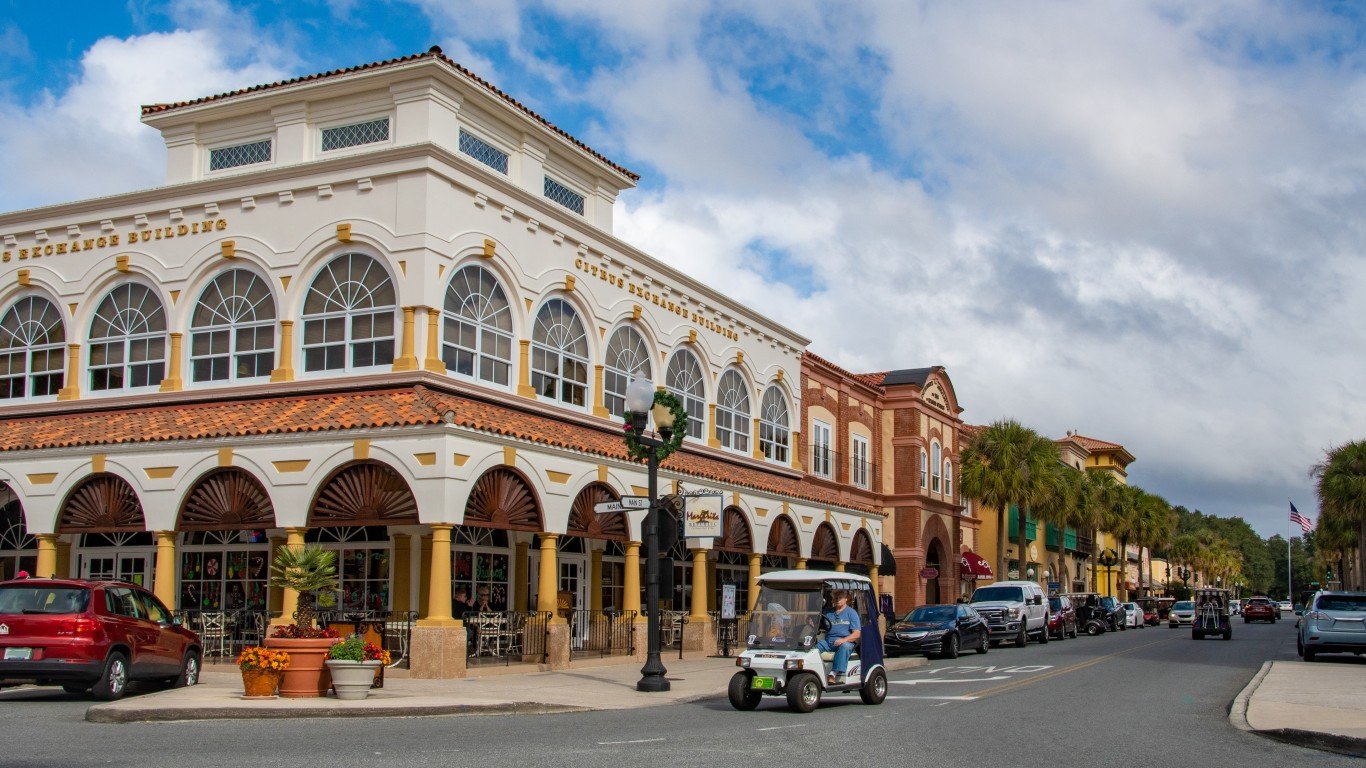
Food for one on the USDA Moderate plan runs about $4,800 a year, and Villages residents eat out regularly, so budget another $3,000 for the town squares. Electric in a small Florida home with summer AC averages $180 a month, and water and sewer add around $80. A car is non-negotiable for medical appointments and warehouse runs even with a golf cart. Florida gas prices, which were around $4.05 a gallon in June 2026, had climbed to approximately $4.30 by mid-September as rising crude oil costs pushed pump prices higher statewide. Between fuel, insurance, registration, and the golf cart itself (purchase, batteries every five to seven years, maintenance), transportation lands around $5,500 to $6,000 a year in this environment.
A working all-in budget for a single retiree who owns the home outright:
- Property tax, insurance, amenity, CDD, utilities: about $13,500
- Healthcare (Medicare + Medigap + Part D + dental): about $6,200
- Food and dining: about $7,800
- Transportation: about $5,500
- Home maintenance, replacements, gifts, travel, reserves: about $9,000
- Federal income tax on pension and withdrawals: about $3,500
That totals roughly $45,500 a year, call it $46,000 to be conservative. The Bureau of Labor Statistics reports average household spending at $78,535 for 2024, but a single, mortgage-free retiree in The Villages can credibly run leaner than that all-household national average.
Does one pension actually clear it
A single retiree claiming Social Security at full retirement age in 2026 averages just under $25,000 a year. The SSA’s July 2026 monthly statistical snapshot put the average retired-worker benefit at approximately $2,086 a month, a figure that has crept up steadily since the 2.8% COLA took effect in January 2026. Florida has no state income tax, so pension income lands gross with no state bite.
If the pension is $30,000 gross, combined gross income is $55,000, which clears the $46,000 budget with a manageable cushion. If the pension is $20,000, the shortfall is about $1,000 a year, and that gap divided by a 3.75% withdrawal rate (appropriate for someone retiring at 65 and planning to age 95) implies a portfolio of roughly $27,000 to fill it. If the pension is only $15,000, the gap is closer to $6,000 a year, requiring roughly $160,000 invested. The structurally sound version of this scenario is a pension of at least $24,000 plus a $150,000 to $250,000 cushion in a balanced portfolio of index funds and a short treasury ladder.
Delaying Social Security from 65 to 70 lifts that base benefit by roughly a third. Each year of delay past full retirement age adds about 8%, and that increase is itself COLA-indexed for life. For someone with a modest pension who can bridge the gap from savings, those added dollars compound over a 25-year retirement into a significant margin of safety. It is the single largest lever a pension-only retiree holds, and it costs nothing except patience and a bridge strategy.
The line items nobody underwrites: insurance and the bond
Most analyses of The Villages overlook two critical items: the CDD bond and homeowners insurance. Both behave differently from the rest of the budget. Healthcare costs rise predictably, and people plan for that. Florida insurance is the blind spot. After compounding at double-digit rates for several years, the state’s market is showing early signs of stabilization, driven by tort reform that curtailed frivolous lawsuits and reduced assignment-of-benefits abuse. The 2026 rate relief from Citizens and several private carriers is real, but premiums still run well above where they stood five years ago. Over a 25-year retirement, this one line item can consume $100,000 or more in current dollars, and unlike a mortgage it never amortizes away.
The CDD bond is the second blind spot. Buyers see the home price but often do not notice the $18,000 or more in attached infrastructure debt with interest that survives the closing. Paying it off at purchase, when cash allows, is usually the right move for a fixed-income retiree. It removes a non-deductible annual obligation that does not shrink with inflation and clears one more line item from a budget that has limited room to flex.
The takeaway
The Villages on a single pension works, but only on specific terms. The house needs to be paid for. The pension needs to be at least roughly $24,000, indexed or near-indexed. Social Security should be claimed as late as cash flow allows. And there should be a side portfolio of $150,000 to $250,000 for the gap years and the insurance creep. A 3.75% withdrawal rate against that cushion, a paid-off CDD bond, and a realistic $46,000 to $52,000 annual budget is the version of this plan that survives 25 years of Florida weather and Florida premiums. Florida has no state income tax, which helps the pension stretch further than it would in most states. Anything less than the framework above, and the brochure is doing the talking.
Editor’s note: This pass updates the Social Security average retired-worker benefit to $2,086 per month, reflecting the SSA’s July 2026 monthly statistical snapshot. The Florida gas price figure has been revised upward from $4.05 to approximately $4.30 per gallon to reflect the significant statewide price increases that pushed Florida’s average higher through August and September 2026, driven by rising crude oil costs. Context has been added on the continued softening of The Villages housing market through August 2026, citing Realtor.com listing data showing the median listing price down nearly 2% year-over-year at that time.
Contact [email protected] for any questions or corrections.
I am a long time investor and student of business, and believe finding good companies that can become great investments is the best game on earth. After 20 years of writing and researching the public markets it is clear that individuals have never had more tools and information to take control of their financial lives. From ETFs and $0 commissions to cryptos and prediction markets there has never been a greater democratization of access to investing.
I write to help people understand the investments available to them so they can make the best choice for their portfolio, whether they're starting out or looking for income in retirement.