Why Americans Are Retiring to a Pacific Beach Town in Mexico at 60 on $2,500 a Month
Puerto Vallarta and Mazatlán have become two of Mexico's most popular retirement destinations for Americans. Lower living costs, warm weather, and established expat communities make a $2,500 monthly budget sound surprisingly realistic. The question is whether that budget still works…

This post may contain links from our sponsors and affiliates, and Flywheel Publishing may receive compensation for actions taken through them.
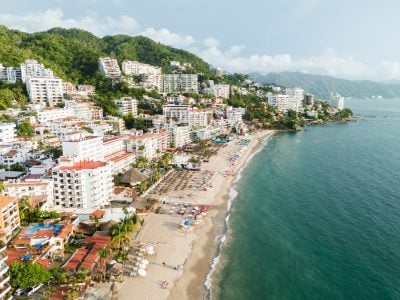
Puerto Vallarta and Mazatlán have become two of Mexico’s most popular retirement destinations for Americans, and the financial logic is straightforward once you look at the numbers. Lower living costs, year-round warm weather, and long-established expat communities make a $2,500 monthly budget sound surprisingly realistic. The U.S. government estimates that approximately 1.6 million American citizens live in Mexico, the largest American expat community in the world. The real question is whether that budget holds up once you account for healthcare, exchange-rate exposure, Social Security timing, and Mexico’s residency requirements.
What $2,500 a month buys on the Pacific coast
The two cities offer distinct value propositions at that budget level. In Mazatlán, beachside condos typically start around $800 to $1,300 per month, which makes a comfortable one-bedroom within striking distance of the water genuinely achievable. Puerto Vallarta commands higher rents: modern one-bedroom apartments near the water run $1,200 to $1,800 per month, which compresses the rest of the budget considerably. Utilities and internet average around $150 per month, groceries run roughly $350 to $450, and cell service, streaming, and occasional rideshares add another $150 or so. Choosing a neighborhood a few blocks from the shore rather than directly on it is often what makes a $2,500 budget workable in Puerto Vallarta specifically.
Puerto Vallarta’s overall cost of living runs 50% to 60% lower than comparable coastal cities in the United States, and that gap represents the core of the financial case. It narrows, however, when retirees replicate American consumption habits rather than adapting to local markets. Worth noting: Mazatlán is widely described by expat communities as offering a more authentically local experience at lower price points, particularly for property, while Puerto Vallarta carries a premium tied to its larger English-language infrastructure, more international flight connections, and bigger medical tourism sector.
The portfolio number, run realistically
$2,500 a month is $30,000 a year. At 60, Social Security is not yet available (62 is the earliest claiming age), so the first two years draw entirely from savings. Planning for a roughly 35-year horizon points to a 3.5% withdrawal rate, which puts the target at about $860,000 in invested assets to fund the lifestyle without other income.
Once Social Security begins, the math shifts sharply. A benefit of roughly $2,000 per month leaves the portfolio covering only about $500 of the monthly shortfall, reducing the long-term asset requirement substantially. Retirees still need enough liquid assets to bridge the gap between age 60 and the first benefit check. A dedicated bridge fund held in cash or short-term, high-quality bonds can make that transition far smoother than drawing down an equity portfolio during a market downturn.
The three things that quietly break the budget
Medicare does not cover routine care received in Mexico. Legal residents can enroll voluntarily in Mexico’s public health system through a program called IMSS Modalidad 33, known as Seguro de Salud para la Familia. IMSS updated its voluntary fee schedule effective March 1, 2026, with premiums paid as a non-refundable annual lump sum that rises with age. The jump from the 50s to the 60s age bracket is one of the steepest increases, so retirees moving to Mexico in their late 50s need to plan for that cost cliff. Many American retirees layer private insurance on top, or keep Medicare active for trips back to the United States for major treatment. Budget roughly $400 to $600 per month for a combined healthcare strategy, though the right mix depends on age and health history.
Peso volatility is the second risk. In 2026 alone, the peso has appreciated roughly 6% against the dollar, with the USD/MXN rate falling from around 18.00 at the start of the year to approximately 16.90 in early September. The rate has traded in a wide band in recent years, and a move of 10% to 15% in either direction can meaningfully change what a fixed dollar income buys month to month. Keeping 12 months of expenses in a peso-denominated account insulates day-to-day spending from the worst of those swings.
The third issue is residency qualification. Mexico’s Temporary Resident Visa requires proof of economic solvency, and the 2026 thresholds are based on the UMA (Unidad de Medida y Actualización), set at 117.31 MXN per day for 2026. Most consulates require either a 12-month average savings or investment balance of approximately $73,000 to $75,000, or verified monthly income of roughly $4,300 to $4,500 over the prior six months. The exact dollar figure varies by consulate and exchange rate, so it is worth checking the specific post where you plan to apply. These thresholds are adjusted each January when the UMA is updated. The amount you can comfortably live on and the financial resources you must document to the consulate are two very different numbers.
What actually makes this work
A $2,500 monthly retirement in Puerto Vallarta or Mazatlán is achievable for many Americans, but the planning has to be precise. City choice matters: Mazatlán generally offers more room in the budget for retirees who want a more local feel, while Puerto Vallarta rewards those who are flexible about location within the city and want a larger English-speaking community. Healthcare coverage, residency documentation, exchange-rate exposure, and the pre-Social Security years all deserve as much attention as rent and grocery estimates. Build enough liquid assets to cover the early retirement years, maintain a peso reserve to cushion currency swings, and the Pacific coast can deliver a comfortable lifestyle at a fraction of what comparable coastal living costs in the United States.
Editor’s note: This pass updated the Mexico Temporary Resident Visa financial thresholds to reflect 2026 UMA-based figures (approximately $4,300 to $4,500 per month in income or $73,000 to $75,000 in savings, up from the previously cited $4,200 and $70,000), refreshed the USD/MXN exchange rate context to cite the peso’s roughly 6% appreciation against the dollar in 2026 (from 18.00 at year-start to approximately 16.90 by early September), and added context on the infrastructure and lifestyle differences between Puerto Vallarta and Mazatlán, including Mazatlán’s lower property-price-to-rent ratio.
Contact [email protected] for any questions or corrections.
Drew Wood has edited or ghostwritten nine books and published more than 1,500 articles on investing, business, politics, travel, world cultures, wildlife, and earth science. He holds a doctorate and four master's degrees and has nearly 30 years of college teaching experience. His travels have taken him to 25 countries, including three years living in Ukraine.