What It Takes to Retire on Italy’s Tuscan Coast at 60 on $1 Million and Keep Your Principal
Tuscany’s coast has long attracted retirees with its beaches, historic towns, exceptional food, and slower pace of life. The question is whether a $1 million portfolio can comfortably support retirement there. The answer is yes, but only if you understand…

This post may contain links from our sponsors and affiliates, and Flywheel Publishing may receive compensation for actions taken through them.
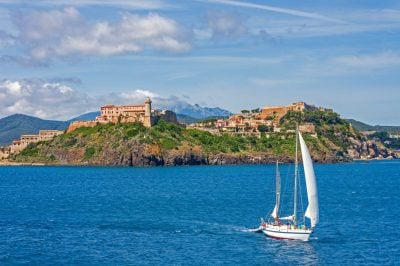
Tuscany’s coast has long attracted retirees with its beaches, historic towns, exceptional food, and slower pace of life. The question is whether a $1 million portfolio can comfortably support retirement there. The answer is yes, but only if you understand Italy’s tax rules, healthcare system, and the higher cost of living in one of the country’s most desirable regions.
What the Tuscan coast actually costs at 60
The Tuscan coast spans several distinct markets. Forte dei Marmi and Punta Ala price like Aspen. Livorno, the southern Maremma around Orbetello, and inland towns like Massa Marittima price like a comfortable European mid-tier. A reasonable mid-coast budget for one retiree, renting a two-bedroom apartment within a short drive of the sea:
- Rent on a long-term lease, furnished: about $18,000 to $22,000 a year.
- Utilities, internet, condo fees: about $4,000.
- Food, including cafe and trattoria life: about $9,000 to $11,000.
- Car, fuel, insurance, tolls, occasional train: about $4,500.
- Healthcare: about $4,000 to $6,000.
- Travel, gifts, household replacement, reserves: about $6,000.
That totals roughly $46,000 to $54,000 a year before income tax. Call it $50,000. Buying a small villa instead of renting trades rent for property tax, insurance, and maintenance on old stone, which rarely beats renting in the first decade.
The tax trap most people miss
The biggest surprise for many retirees is Italy’s tax system. Italy’s special 7% flat-tax program for certain foreign retirees applies only in qualifying municipalities in parts of southern Italy and does not include Tuscany. Retirees on the Tuscan coast generally become subject to Italy’s ordinary income tax rules, although the U.S.-Italy tax treaty and foreign tax credits help prevent double taxation. The result is that many American retirees will pay more income tax in Tuscany than they would in many other popular European retirement destinations, making tax planning an important part of the budget.
Healthcare is another expense many retirees underestimate. Legal residents generally become eligible to participate in Italy’s public healthcare system, although costs depend on residency status and income. Many expatriates also purchase supplemental private insurance for faster access to specialists and English-speaking providers. Many Americans continue paying for Medicare Part B as well, since dropping coverage can result in permanent late-enrollment penalties if they later return to live in the United States.
Running the math on the million
After taxes, a realistic retirement budget on the Tuscan coast comes to roughly $58,000 to $62,000 per year. While everyday expenses are paid in euros, many American retirees continue measuring their retirement finances in U.S. dollars because their portfolios and Social Security benefits remain dollar-based. Exchange-rate movements between the dollar and the euro will affect purchasing power over time, so maintaining a modest cash reserve in euros can help reduce short-term currency risk.
Spending $60,000 annually from a $1 million portfolio before Social Security begins represents a 6% withdrawal rate, which is generally considered too high for a retirement that could last 30 years or more. Once Social Security begins, however, the picture changes dramatically. A retiree receiving roughly $36,000 per year in benefits reduces the portfolio’s annual obligation to about $24,000, lowering the withdrawal rate to roughly 2.4%, a much more sustainable level over the long term.
The years before Social Security begins require the most planning. Retirees leaving work around age 60 need enough liquid assets to cover several years of expenses before benefits start. Holding those bridge funds in cash, short-term Treasuries, or other conservative investments can reduce the risk of selling long-term investments during a market downturn.
What it actually takes
A $1 million portfolio can support retirement on Tuscany’s coast if expectations remain realistic. Choosing a more affordable coastal community, renting before buying, planning carefully for Italian taxes, and maintaining conservative withdrawal rates all improve the long-term outlook. For many Americans, the biggest financial decision is not whether they can afford Tuscany, but whether Tuscany’s higher taxes are worth paying compared with lower-tax retirement destinations elsewhere in Italy.
Contact [email protected] for any questions or corrections.
Drew Wood has edited or ghostwritten nine books and published more than 1,500 articles on investing, business, politics, travel, world cultures, wildlife, and earth science. He holds a doctorate and four master's degrees and has nearly 30 years of college teaching experience. His travels have taken him to 25 countries, including three years living in Ukraine.