The Margaritaville Brochure Leaves Out the Part Retirees Say Matters Most
The sales center at a Latitude Margaritaville community has a practiced answer for every question buyers ask, but retirees who moved in years ago say there is one question almost nobody thinks to ask until the developer packs up and…

This post may contain links from our sponsors and affiliates, and Flywheel Publishing may receive compensation for actions taken through them.
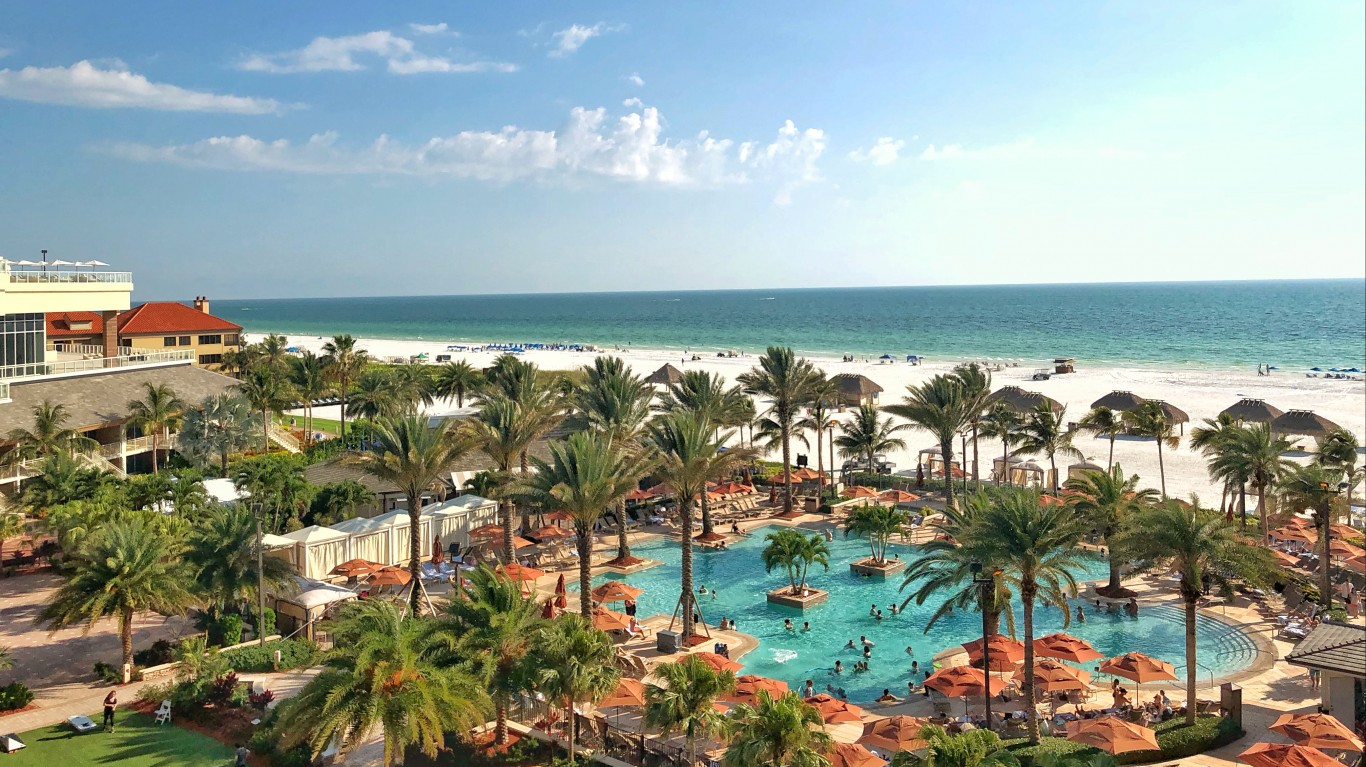
Readers in their late fifties and early sixties ask weekly: Can I retire to a Margaritaville community, and what will it cost over twenty or thirty years? The brochure sells one version, while the sales center sells another. The real question a retiree should ask is what happens once marketing wears off and the structural issue the sales presentation almost never covers emerges.
What You Are Actually Buying at a Latitude Community
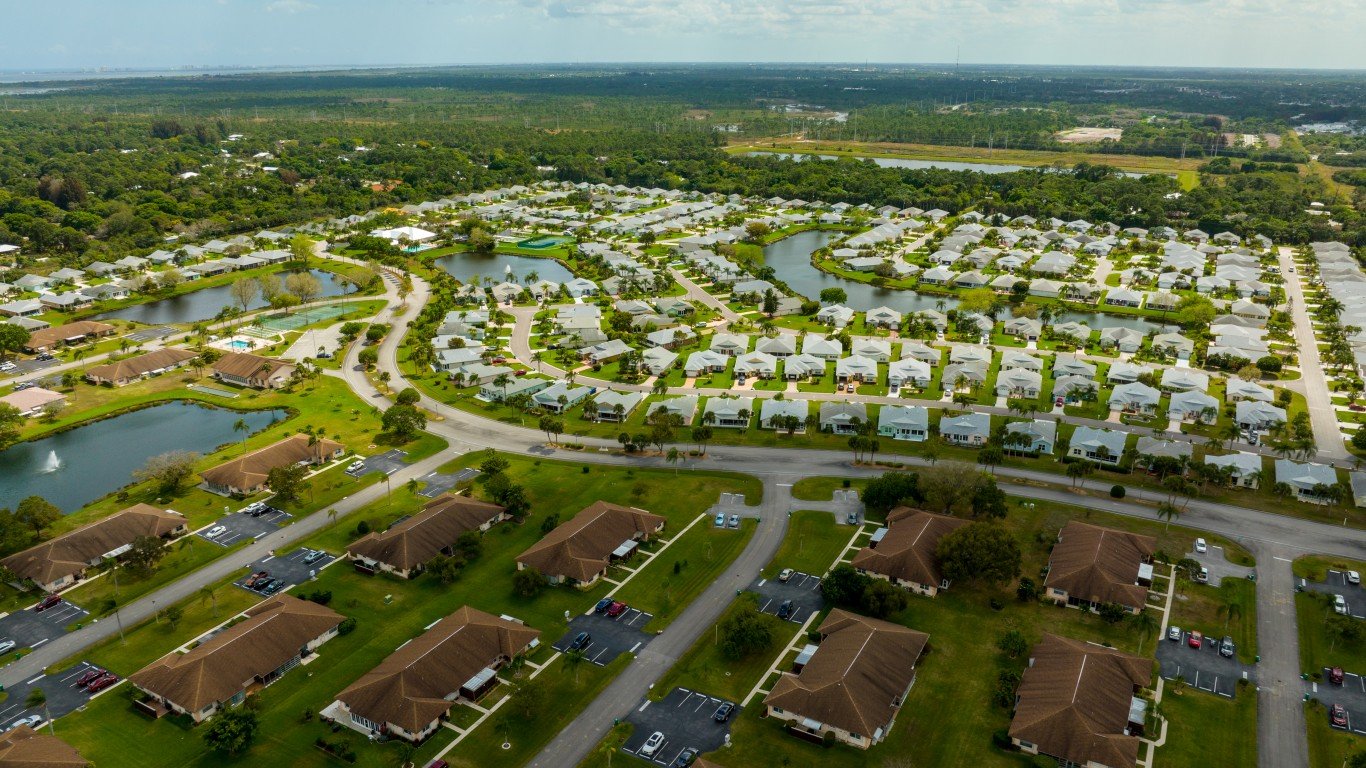
Latitude Margaritaville communities are age-restricted, master-planned developments licensed under the Margaritaville brand. Active communities include Daytona Beach, Hilton Head (Hardeeville, South Carolina), and Watersound (Florida Panhandle), with additional locations announced or under development. Homes are conventionally built and owned in fee simple.
Buyers pay recurring homeowners association fees funding amenities, entertainment, and the branded experience. HOA fees, caps on annual increases, and community development district assessments vary by community and phase. Get those numbers in writing from the current HOA budget and recorded CC&Rs, not the sales brochure.
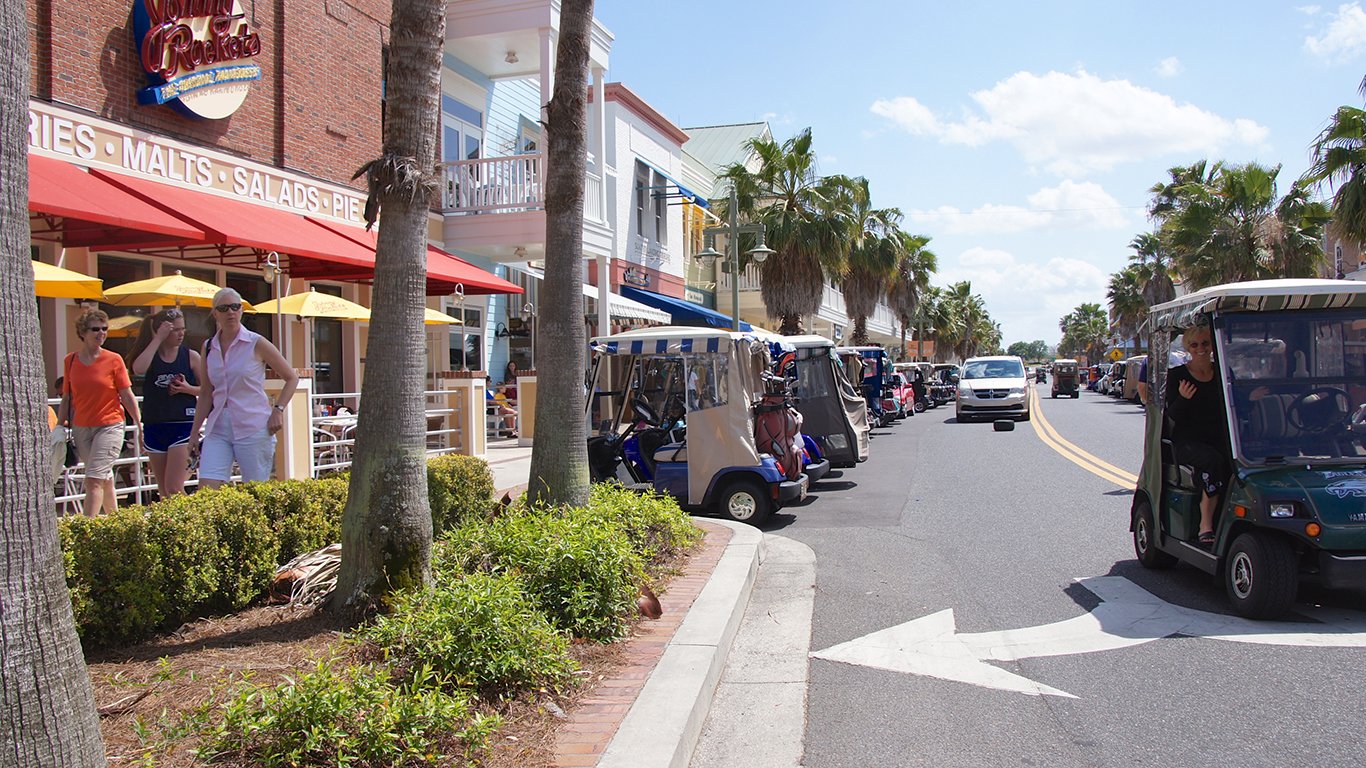
The brand premium is real and priced in. Buyers pay for the themed pool, band shell, Fins Up fitness class, and the address identity. For retirees relocating without a local network, that packaged social environment is valuable and shows up quickly. You have a calendar and a circle within weeks, not years.
Omission That Reshapes the Next Twenty Years
The sales center omits a critical detail: the transition of community governance from developer to residents. While the developer controls the HOA board, fee increases are constrained by the developer’s interest in selling remaining inventory. At build-out, residents inherit the true carrying cost of the amenities they were sold.
Homeowners pay for roofs, pool resurfacing, fitness equipment replacement, repainting, and reserve study funding. In many Florida and South Carolina master-planned communities, post-transition fee growth is materially steeper than the developer-era schedule, and reserve underfunding discovered at transition commonly triggers special assessments.
Margaritaville is a licensed brand with ongoing community costs. When the developer moves to the next Latitude location, residents maintain a themed asset base whose upkeep is not optional if they want to preserve the brand experience. Ask in writing what the licensing arrangement obligates the HOA to maintain, what happens to the brand relationship at build-out, and what the most recent reserve study says about funded percentage.
What Happens to the Premium on Resale
Public resale data specific to Latitude communities is thin. What we know: existing-home sales are running at 3.98 million annualized as of August 2026, the lowest reading in the past year, inside a soft market. National home prices remain elevated, with the Case-Shiller index at 336.7 in June 2026, but transaction volume drives resale liquidity. Before buying, pull active and sold listings in the specific community, check days on market, and compare price per square foot to a non-branded age-restricted community nearby. That gap is the brand premium you are underwriting.
Math on a Fixed Income
Run the numbers with the fee structure as a variable. The Bureau of Labor Statistics puts average annual household expenditures at $78,535 in 2024. Social Security’s 2027 cost-of-living adjustment is tracking near 3.3%. HOA increases in post-transition communities routinely outpace COLA. The FDIC national average 12-month CD sits at 1.71%. If your plan assumes the current fee schedule holds, and Social Security keeps pace, stress-test it against a fee line that grows faster than your benefit, funded from a portfolio drawn at a conventional rate.
Document to Demand
Before signing, get the current HOA budget, the most recent reserve study with funded percentage, CC&Rs including any cap on annual assessment increases, recorded community development district documents with remaining bond balance and payoff schedule, the developer’s build-out timeline, and the projected transition date to resident control.
If the sales office cannot produce all of them the same afternoon, you have your answer about which parts of the pitch were rehearsed. The Margaritaville years can be exactly what the brochure promises, but you’re actually buying the years after the developer leaves, and those are governed by paper.
Contact [email protected] for any questions or corrections.
David Beren has been a Flywheel Publishing contributor since 2022. Writing for 24/7 Wall St. since 2023, David loves to write about topics of all shapes and sizes. As a technology expert, David focuses heavily on consumer electronics brands, automobiles, and general technology. He has previously written for LifeWire, formerly About.com. As a part-time freelance writer, David’s “day job” has been working on and leading social media for multiple Fortune 100 brands. David loves the flexibility of this field and its ability to reach customers exactly where they like to spend their time. Additionally, David previously published his own blog, TmoNews.com, which reached 3 million readers in its first year. In addition to freelance and social media work, David loves to spend time with his family and children and relive the glory days of video game consoles by playing any retro game console he can get his hands on.