Three Communities Are Trying to Be the Next Villages. Residents of All Three Say One Already Is
Three Florida communities compete for the title of next Villages, but residents touring all of them say the race may already be over. The real question is what each community's fee structure costs across a 25-year retirement, and the answer…

This post may contain links from our sponsors and affiliates, and Flywheel Publishing may receive compensation for actions taken through them.

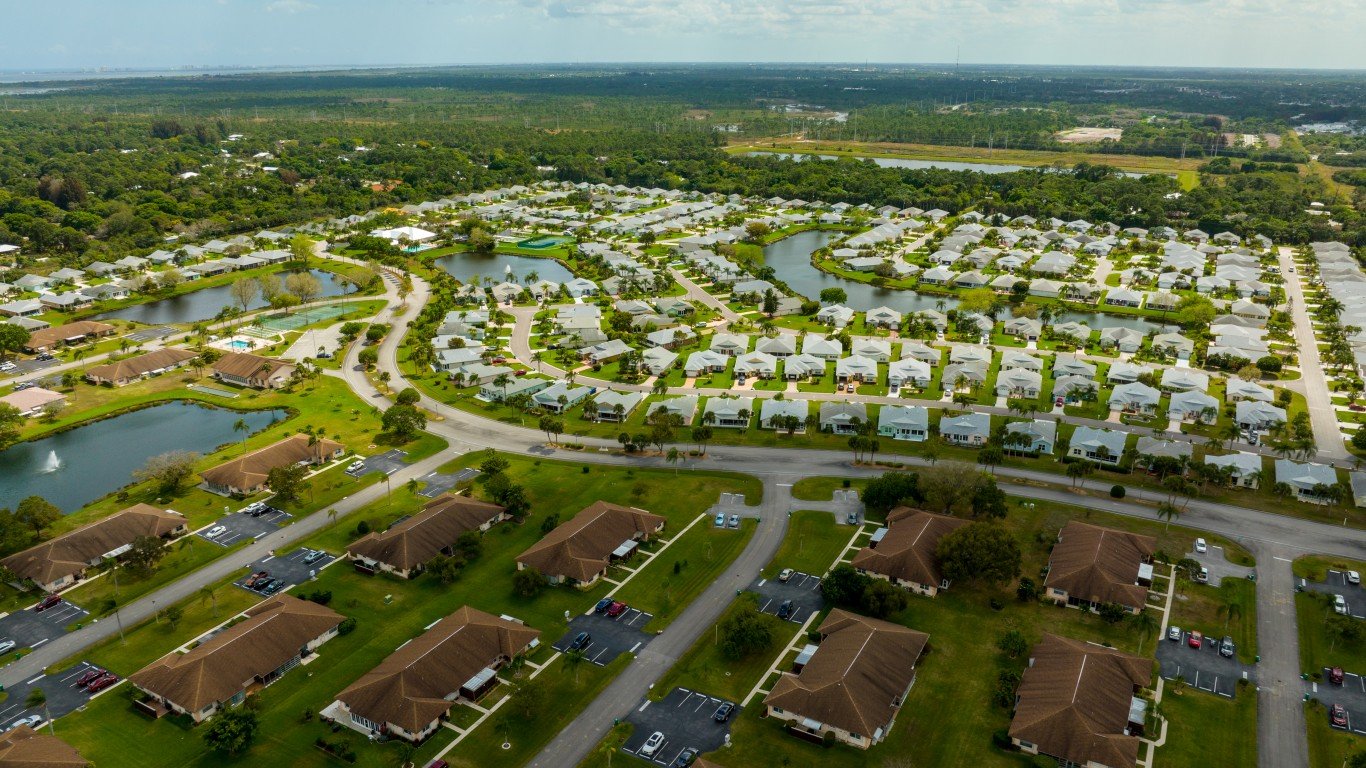
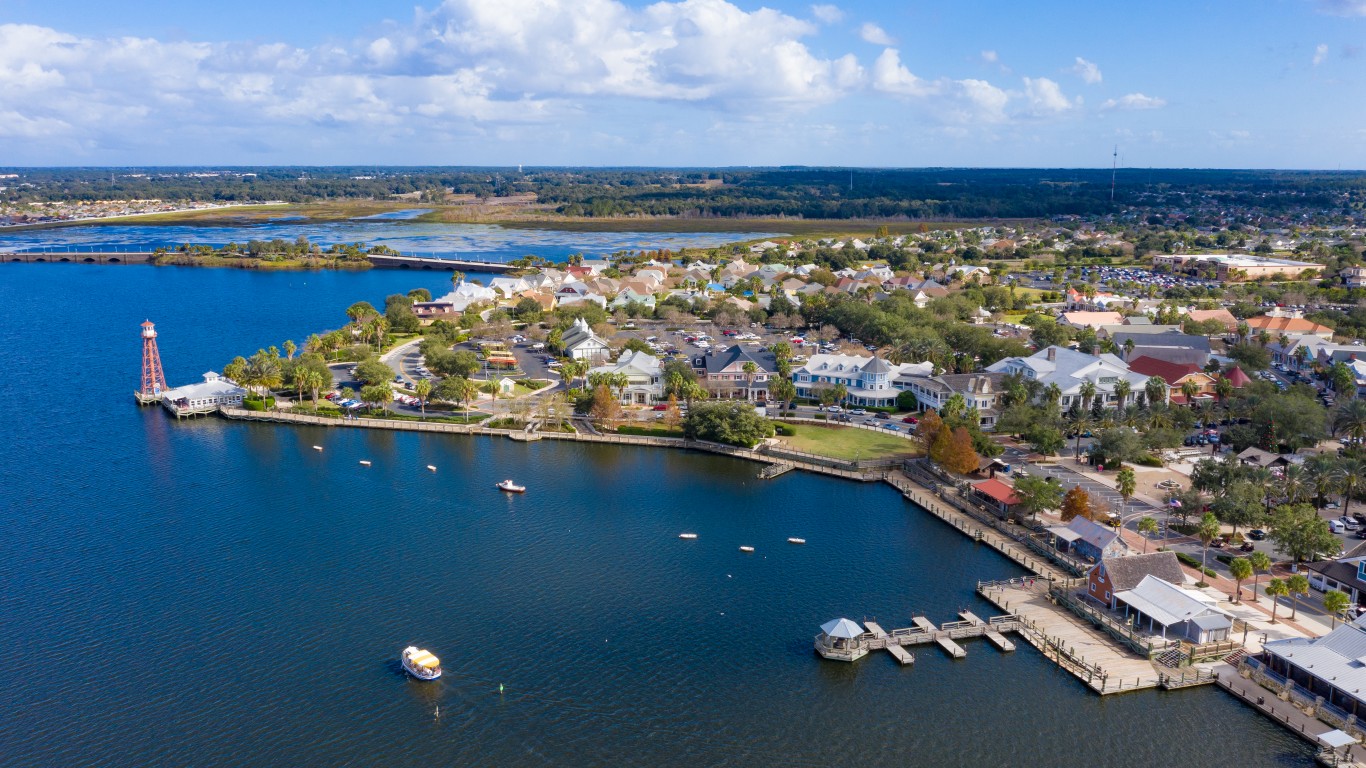
Every few years, a Florida developer promotes a new 55+ community as the next Villages. Latitude Margaritaville in Daytona Beach, On Top of the World in Ocala, and Solivita near Kissimmee come up most often. People touring them end up measuring each one against the same original.
One family member in a Solivita forum explained that a mother planning a move to Florida “has been looking at the Villages” before widening the search. In a Latitude group, a prospective buyer asked directly whether the “HOA fees are ridiculous.” Comparing these places comes down to one question: what each community’s fee structure costs over a 25-year retirement, and how large a portfolio is needed to carry that cost.
Four Fee Structures That Only Look Comparable
New buyers at The Villages pay a $204 monthly amenity fee, or $2,448 a year. The infrastructure bond is a separate charge. It is spread over 30 years, runs around $25,000 to $30,000 on newer homes, and shows up on the tax bill at $800 to $4,000+ a year until it is paid off. That puts the all-in figure at roughly $3,250 to $6,450 a year. Village owners also handle their own lawn care and exterior maintenance.
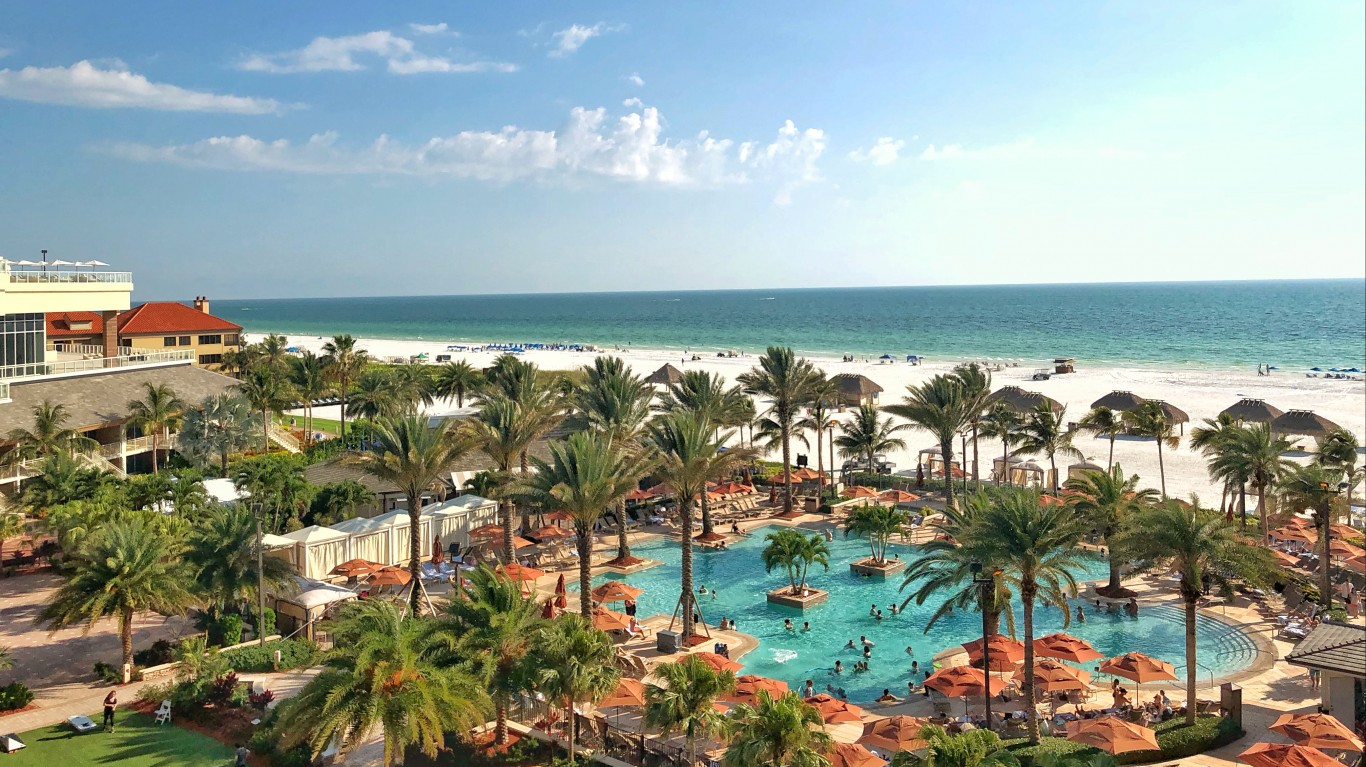
Latitude Margaritaville Daytona charged $343.54 to $381.66 a month in 2025, or about $4,100 to $4,600 a year. It has no CDD fees, and the dues cover lot landscaping, a gated entry, and an oceanfront beach club. The villa fee also funds reserves for exterior repaint and roof replacement. On Top of the World runs $512.80 to $531 a month, about $6,150 to $6,370 a year. Solivita lists $440 to $480 a month plus a separate club fee.
Turning a Florida Budget Into a Portfolio Number
The average U.S. household spent $78,535 in 2024. Florida’s living costs run 103.414, and adjusting for them brings that average to about $81,200. That’s a reasonable, comfortable baseline for a couple. Medicare Part B costs $202.90 per person per month, or $4,870 for two, and has a $283 deductible. Florida ranks 1st for individual income tax, which means IRA withdrawals face federal tax only. Its income-adjusted state and local tax burden is $5,110 per capita.
Take a hypothetical couple whose SSA statements show $4,000 a month combined at full retirement age, or $48,000 a year. The gap amounts to $33,216. At the 4+ percent withdrawal rule of thumb, covering it takes about $830,000. If both spouses wait until 70, delayed credits raise the benefit to roughly $59,520. The gap shrinks to $21,696, and the target falls to about $542,000. The portfolio has to cover the waiting years, usually with a Treasury ladder set aside for that purpose. The 2027 COLA is tracking toward 3.3%, which helps, though HOA dues rise every year too.
A Perpetual Fee Behaves Like Debt
At a 4% withdrawal rate, every $100 a month of permanent fees ties up $30,000 of portfolio. Measured against The Villages’ amenity fee, On Top of the World’s dues require about $92,640 more in savings. Solivita’s HOA alone requires $70,800 more before the club fee, and Latitude about $41,862 more.
Each fee also differs in duration. The Villages bond is a fixed debt that is tied to the home. It ends when it is paid off, and buyers can clear it at closing. Existing Villages owners also keep a lower locked-in rate from their purchase year. HOA dues elsewhere never end. Latitude itself notes its fees are “stated in today’s pricing and do not factor in inflation.” Bundled services do push back on The Villages’ advantage, though. Pricing a lawn service and saving for a future roof can close much of Latitude’s gap, because its dues already cover those costs.
What Retiring Into Any of Them Takes
A couple spending about $81,000 a year with $48,000 in Social Security needs roughly $830,000 when claiming at full retirement age. Waiting to 70 cuts that to about $540,000, plus a separate reserve to cover the years before benefits start.
A common approach pairs index funds and bonds in a mix designed to support a 4% draw while keeping up with inflation (that 4% figure comes from research done decades ago, and we laid out the income-first alternative in a free guide here). Add to that the cost of the community’s fees converted to portfolio dollars: anywhere from nothing to about $93,000, depending on the community.
You can compare each community’s fee as a capital cost. A fee that ends or stays locked costs far less over a retirement than a cheaper-looking fee that keeps rising every year. On that measure, the original still sets the standard the rivals have to match.
Contact [email protected] for any questions or corrections.
David Beren has been a Flywheel Publishing contributor since 2022. Writing for 24/7 Wall St. since 2023, David loves to write about topics of all shapes and sizes. As a technology expert, David focuses heavily on consumer electronics brands, automobiles, and general technology. He has previously written for LifeWire, formerly About.com. As a part-time freelance writer, David’s “day job” has been working on and leading social media for multiple Fortune 100 brands. David loves the flexibility of this field and its ability to reach customers exactly where they like to spend their time. Additionally, David previously published his own blog, TmoNews.com, which reached 3 million readers in its first year. In addition to freelance and social media work, David loves to spend time with his family and children and relive the glory days of video game consoles by playing any retro game console he can get his hands on.