Nobody Plans to Stop Driving in Florida. Here’s What the Retirement Costs When It Happens
Florida retirees plan around their cars, but the average woman outlives her ability to drive by a full decade. What that decade actually costs in a state built for drivers changes the retirement math in ways most plans never account…

This post may contain links from our sponsors and affiliates, and Flywheel Publishing may receive compensation for actions taken through them.
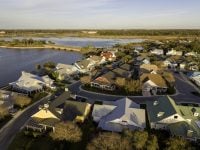
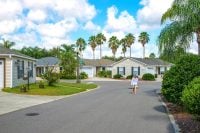
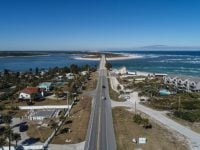
Most Florida retirement plans assume a car, with many retirees living in gated communities off six-lane roads, pickleball courts a ten-minute drive away, and heart specialists in medical parks across the county. A common planning question follows: what happens to the budget when the keys go away?
It is a fair question, because the average American man outlasts his ability to drive by six years and the average woman by 10 years. Florida added a net 111,742 people through state-to-state moves in the 2022-2023 IRS data, and many of them will spend that decade in car-centric neighborhoods. That decade has a real cost and a real funding requirement.
What a Car-Free Year Costs in Suburban Florida
Start with what you stop paying. AAA’s 2026 study sets the cost of owning and operating a new vehicle at $12,863 a year. An older car you’ve already paid off costs less, so think of this as the most you could save.
Now consider the costs that replace the car. NerdWallet’s sample fares put a 14-mile ride at around $25. Twelve round trips a month for groceries, doctors, church, and a dinner out come to 24 rides, or about $7,200 a year. Some needs go beyond rides.
Somebody has to carry the groceries inside and sit with you through the appointment. CareScout’s national median for a non-medical caregiver is $35 per hour, so ten hours a week runs $18,200 a year. Even with full AAA savings, staying in your home without a car costs about $12,500 more a year than driving.
| Line Item | Annual Cost |
|---|---|
| Baseline household spending (BLS national average) | $78,535 |
| Less vehicle ownership | $12,863 |
| Plus rideshare | $7,200 |
| Plus caregiver help | $18,200 |
| Car-free budget | $91,072 |
Treat that budget as a floor. The state’s cost-of-living index stands at 103.414, above the national average.
Turning the Gap Into a Portfolio Number
The average retired worker’s Social Security check is about $2,071 a month, or $24,852 a year. Subtract that from the car-free budget, and you’re left with a $66,220 gap. If you stop driving around 80, the horizon is closer to a decade than thirty years, so this analysis models drawing down 6% a year.
At 6%, you need about $1.1 million. If you want protection against living 15 years or more without a car, a 4% rate raises the target to about $1.66 million. The gap between those two numbers is why people have argued so much recently over the old 4% rule (we made the case for an income-first alternative in a free guide here). For comparison, the same budget with a car needs about $895,000 at 6%. Giving up the keys adds roughly $209,000 to the portfolio you need.
Assisted living is the other path. Its national median is $74,400 a year, and it usually includes transportation. Add the standard Part B premium of $202.90 a month and the total is about $76,835, before Medigap, Part D, and personal spending. The remaining $51,983 gap takes roughly $866,000 at 6%. Watch the year you pay for a move. If one large withdrawal pushes a single filer’s income over $109,000, Part B rises to $284.10 a month two years later.
Why the Move Belongs Before the Last Drive
Florida’s property tax rules add another cost to consider. Florida’s Save Our Homes rule limits increases in a homestead’s assessed value to 3% a year, so long-time owners often pay tax on far less than their home’s market value. If you sell and rent or move into assisted living, that benefit disappears. If you buy a new Florida homestead, you can carry over up to $500,000 of the protected difference. Without it, taxes on the new place can climb quickly. One retiree featured by the WSJ saw property taxes rise more than $2,200 a year even though he moved into a smaller home, and his HOA dues passed $700 a month.
Timing matters on the sale side too. Home price indexes fell 0.9% over the past year in Cape Coral-Fort Myers and 0.46% in North Port-Bradenton-Sarasota. In those markets, selling a car-dependent house fast, because a vision test or a fender bender forced the issue, can reduce sale proceeds. If you buy a walkable condo near a hospital in your mid-70s, you can still drive to the closing, keep the tax carryover, and sell on your own schedule.
For a single retiree at 80 with average Social Security, the targets compare as follows. Aging in place without a car takes about $1.1 million at a 6% withdrawal rate. Assisted living takes about $866,000 before extras. A long-horizon reserve at 4% means about $1.66 million. Some retirees use a Treasury ladder to cover the first five years of the gap, with the rest in broad index funds intended to keep pace with inflation. Moving to a home that works without a car while still able to drive preserves the Save Our Homes benefit.
Contact [email protected] for any questions or corrections.
David Beren has been a Flywheel Publishing contributor since 2022. Writing for 24/7 Wall St. since 2023, David loves to write about topics of all shapes and sizes. As a technology expert, David focuses heavily on consumer electronics brands, automobiles, and general technology. He has previously written for LifeWire, formerly About.com. As a part-time freelance writer, David’s “day job” has been working on and leading social media for multiple Fortune 100 brands. David loves the flexibility of this field and its ability to reach customers exactly where they like to spend their time. Additionally, David previously published his own blog, TmoNews.com, which reached 3 million readers in its first year. In addition to freelance and social media work, David loves to spend time with his family and children and relive the glory days of video game consoles by playing any retro game console he can get his hands on.