In 1983, a Florida Trailer Park Had Sold About 400 Homes in a Decade. The Owner Brought In His Son to Run It. That Park Became The Villages, One of the Largest Retirement Communities in the World

This post may contain links from our sponsors and affiliates, and Flywheel Publishing may receive compensation for actions taken through them.
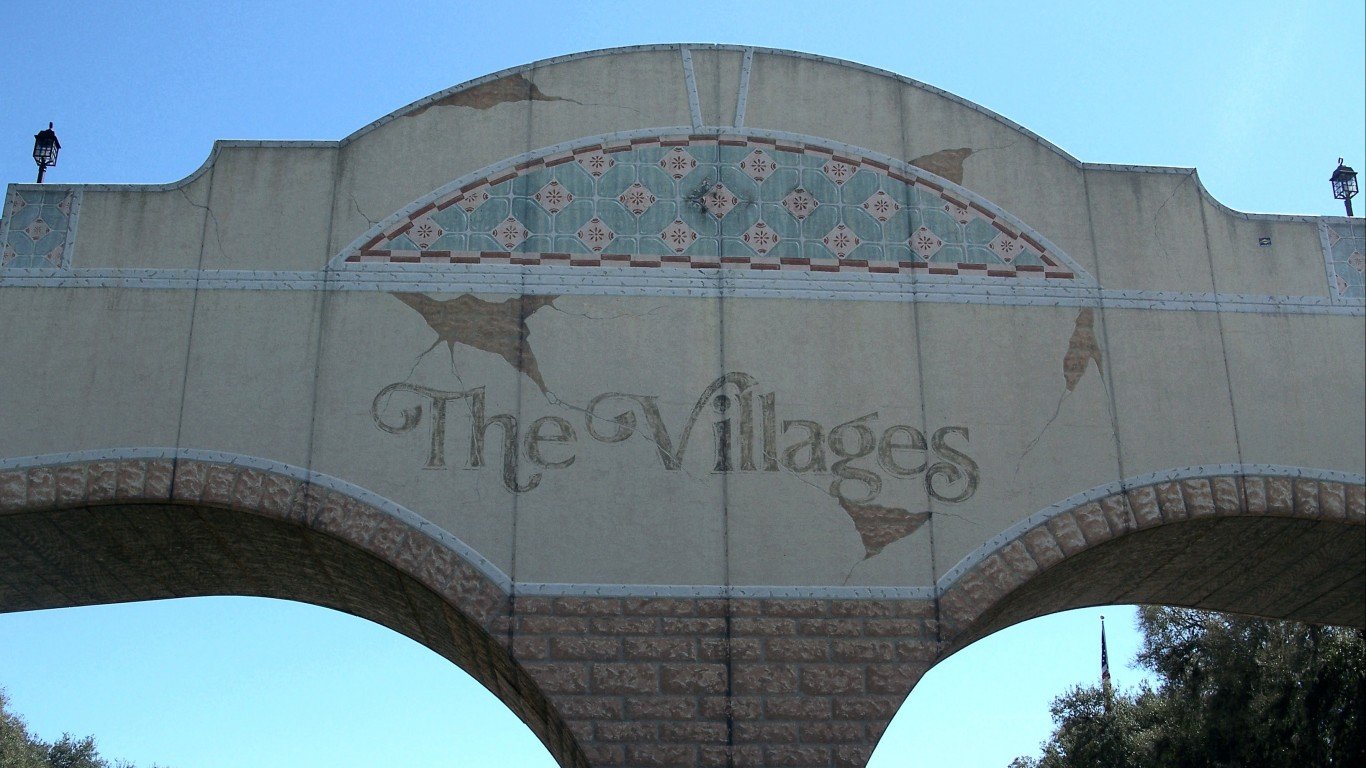
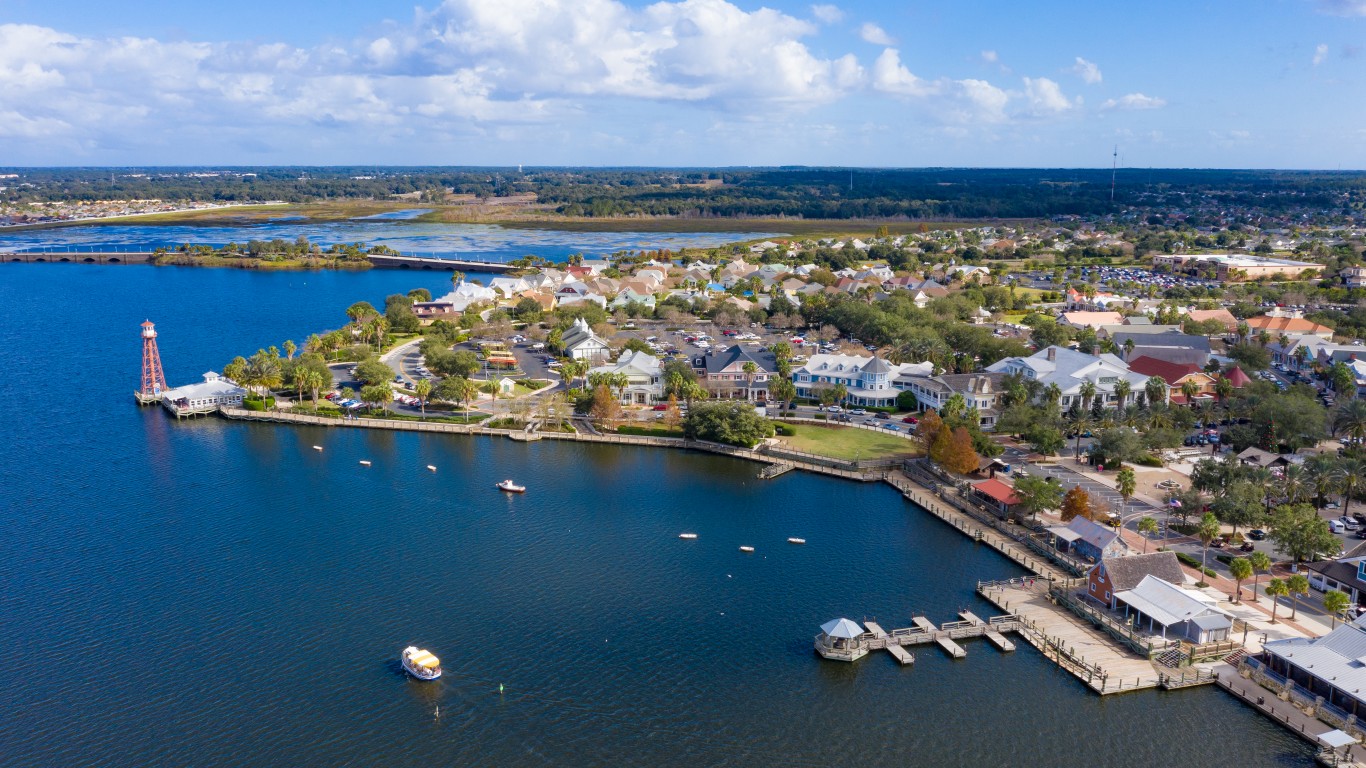
The history of The Villages begins with Orange Blossom Gardens, a mobile home park in central Florida founded by Harold Schwartz. By 1983, around a decade after it opened for business, around 400 homes had been sold. That year, Schwartz brought in his son, H. Gary Morse, to run it, and led the expansion that followed.
The park became The Villages, a planned retirement community. For many people in their 50s and early 60s, the practical question is what it costs to retire there now, and how the model Morse built shows up in a household budget.
How a Slow-Selling Park Became a Town Built Around Golf and Town Squares
Eventually, Morse moved the business away from mobile home lots and toward an amenity-rich planned community. Golf courses, town squares, recreation centers, and a busy calendar of activities became the product, with homes sold as the way in.
The community was renamed The Villages in 1992, and it now spans Sumter, Marion, and Lake counties. Demand from out of state has kept coming, and IRS migration data show Florida gained a net 111,742[1] individuals in 2022-2023, and New York was the largest source, with 71,476 people moving in.
Home Prices, Amenity Fees and Bond Assessments Buyers Tend to Underestimate
Home prices in the Wildwood-The Villages metro rose and then eventually leveled off. The FHFA-style price index went from 293.02[2] in 2021 Q2 to 398.89 in 2026 Q2, a five-year gain of 36.13%. Over the past year, it gained 2.61%[2], after topping out at 406.46 in 2026 Q1. That is a slower rate than Ocala’s five-year gain of 48.14%[2].
Buyers also face costs beyond the purchase price. Every home pays a monthly amenity fee, and many also carry a community development district bond assessment that covers roads, utilities, and other infrastructure. That assessment varies by location and bond status and can be paid off or carried, so two similar houses can have very different carrying costs. Property tax rules change once buyers claim homestead.
Annual increases in assessed value are capped under Fla. Stat. § 193.155(1)[3], and buyers moving from an earlier Florida homestead can bring some of their savings with them under § 193.155(8)[3]. Florida has no state income tax, so withdrawals from IRAs and 401(k)s are taxed only at the federal level.
A Wall Street Journal profile shows how fees offset some of those savings. One retiree’s homeowners’ association dues rose from about $120 a month in Colorado to more than $700 a month in Florida, while his total spending stayed near $80,000 a year.
Running the Numbers for a Couple at Medicare Age
The BLS puts average annual household spending at $81,905. Florida’s relative cost of living stands at 103.414, and adjusting for it gives a working budget of about $84,700. That budget has to cover the amenity fee, any bond assessment, insurance, and healthcare. Medicare Part B will cost $209.40[4] per person per month in 2027, or about $5,026 a year for two, plus a $292 deductible each.
A typical retired couple will receive about $3,355 a month in Social Security, or $40,260 a year. Savings must fill a gap of about $44,440 a year. With a 4% withdrawal rate, the couple needs about $1.1 million invested. At 3.5%, which builds in more room for a long retirement, the figure is about $1.27 million.
Both numbers assume the house is paid for in cash, often with proceeds from selling a home up north. Withdrawals this size stay well below the joint IRMAA threshold of $224,000[4]. Waiting to claim Social Security increases monthly payments and reduces the gap. The maximum monthly benefit available at the standard claiming age is $4,152.
Fixed Community Charges Meet a COLA That Lags Senior Inflation
The amenity fee and bond assessment are not property taxes based on the home’s value, so the homestead cap doesn’t limit them. Meanwhile, the BLS index of prices paid by Americans 62 and older rose 3.9%[5] over the past year, while the 2027 Social Security COLA is 3.6%. COLAs were also 0% in 2009, 2010, and 2015. When Social Security trails the costs retirees face, the portfolio has to cover the difference, which can push the safe withdrawal rate toward 3.5%.
A couple without other income would need around $1.16 million to $1.32 million, plus a home bought outright. Whether a home’s bond assessment has been paid off and the size of its amenity fee affect the monthly budget for as long as the couple lives there.
Contact [email protected] for any questions or corrections.
David Beren has been a Flywheel Publishing contributor since 2022. Writing for 24/7 Wall St. since 2023, David loves to write about topics of all shapes and sizes. As a technology expert, David focuses heavily on consumer electronics brands, automobiles, and general technology. He has previously written for LifeWire, formerly About.com. As a part-time freelance writer, David’s “day job” has been working on and leading social media for multiple Fortune 100 brands. David loves the flexibility of this field and its ability to reach customers exactly where they like to spend their time. Additionally, David previously published his own blog, TmoNews.com, which reached 3 million readers in its first year. In addition to freelance and social media work, David loves to spend time with his family and children and relive the glory days of video game consoles by playing any retro game console he can get his hands on.