The Hidden Costs of The Villages Start With the Golf Cart and Never Really Stop
Retirees who run the numbers on The Villages before moving typically leave out the same three or four line items, and those omissions tend to surface within the first year in ways that force a real budget reset.

This post may contain links from our sponsors and affiliates, and Flywheel Publishing may receive compensation for actions taken through them.
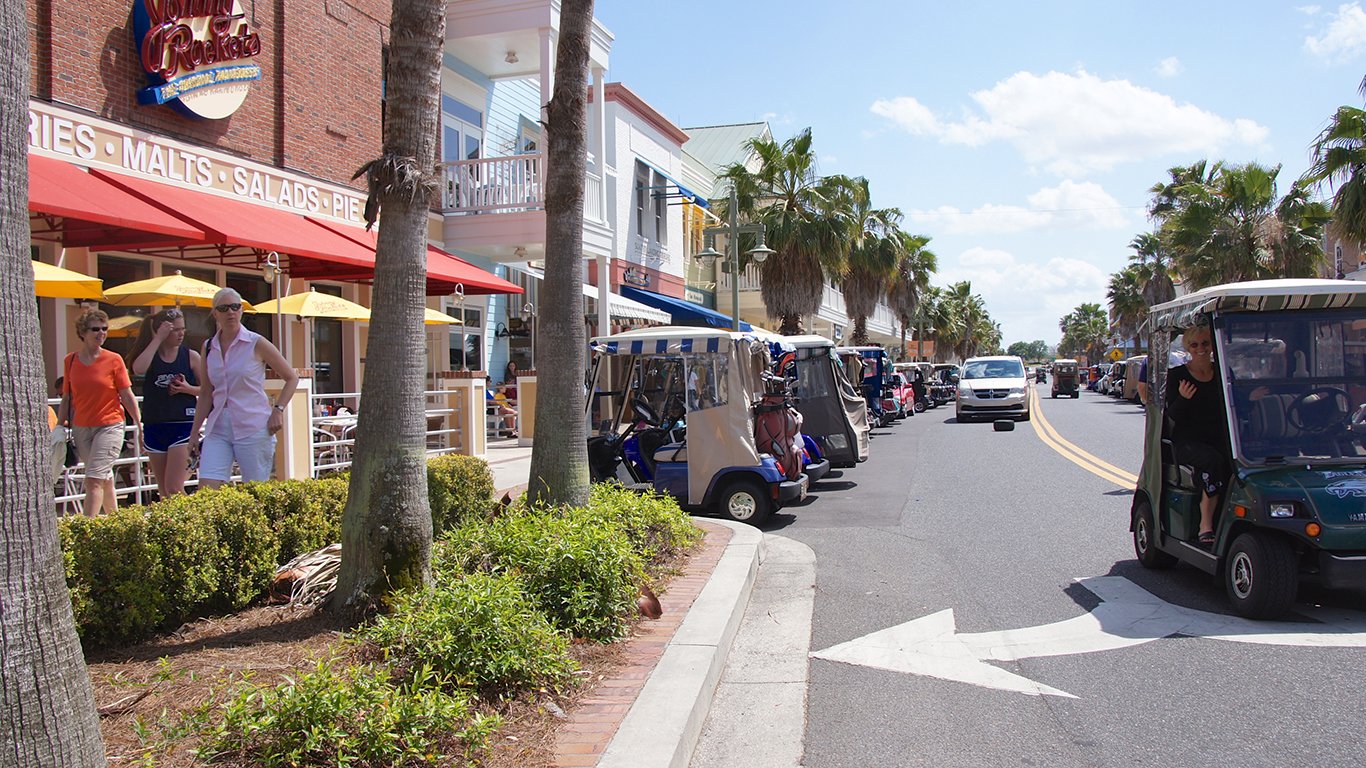
The question comes in almost every week from readers in their late fifties and early sixties: What does a move to The Villages actually cost once the sales tour ends? The community sells a lifestyle where a golf cart is a real vehicle, pickleball courts are free, and Florida takes no bite out of a 401(k) withdrawal. All true. What the brochure does not show is a stack of recurring line items that behave less like a fixed cost and more like a slow, compounding subscription. This article walks the budget from the cart outward, because the cart is where most first-year residents realize that the math they ran at the kitchen table left several things out.
Golf Cart as a Second Household Vehicle
Fees That Renew Whether You Use Them or Not
The recurring stack is where the community earns its reputation for surprises. Every home carries a monthly amenity fee that funds recreation infrastructure and rises on a schedule tied to CPI. Newer homes carry a bond assessment attached to the property that funds initial infrastructure, paid down over decades, plus an annual CDD maintenance assessment on the tax bill for ongoing upkeep. Executive courses are included with the amenity fee, but championship rounds carry greens fees, and cart trail fees apply on courses that require them. Confirm the actual numbers for a specific property before closing rather than relying on a neighbor’s figure from three years ago.
Florida homeowners insurance has moved the most. The state ranks well on tax competitiveness overall, fourth in the 2025 State Tax Competitiveness Index, with a first-place individual income tax rank and a twenty-first property tax rank, and that is real money for a retiree drawing from an IRA. It does not offset a wind and hail premium repriced across the peninsula. Property tax is calculated on assessed value, and the Case-Shiller National Home Price Index reached 336.7 in June 2026, a period high, setting the backdrop for what a new buyer pays into that annual bill.
Social Spending Is the Line Residents Underreport
The community’s draw is the calendar. Clubs, leagues, dinners at the squares, and the general density of things to do mean discretionary spending runs hotter than people forecast from a spreadsheet built in a quieter city. National benchmarks give a sense of scale: the Consumer Expenditure Survey reported average annual expenditures of $78,535 in 2024, and BEA data for July 2026 show recreation services at $877.9 billion and food services at $1,567.5 billion at seasonally adjusted annual rates. Retirees in an activity-rich community typically index above their own pre-retirement discretionary spending in the first two years, not below it.
What the Withdrawal Math Actually Has to Cover
Florida is not the cheap state some retirees still assume. Its 2024 regional price parity index was 103.414, above the national reference of 100, so a budget calibrated to a national average understates costs from day one. Inflation is still doing work: the CPI index reached 333.918 in July 2026, compared with 317.671 in January 2025. Social Security is adjusting, with the 2027 COLA tracking toward 3.1% based on the first of three Q3 months, but amenity fees and insurance premiums have been running ahead of that print.
The practical takeaway for someone stress-testing this move: the cart is best modeled as a two-vehicle line with a battery reserve; the actual amenity fee, bond balance, and CDD assessment for the specific address matter more than community averages; a bindable homeowners quote before signing removes the largest single source of budget surprise; and the discretionary line deserves a meaningful margin for the first two years.
A withdrawal rate in the 3.5% to 4% range against the resulting number is the common frame (we laid out why that classic rule wobbles now, and the income-first alternative, in a free guide here), tighter if either spouse is retiring before Medicare and carrying an ACA bridge. The community delivers on the lifestyle it advertises. The budget just has to be built for the version of that lifestyle residents actually live, not the version priced on the tour.
Contact [email protected] for any questions or corrections.
David Beren has been a Flywheel Publishing contributor since 2022. Writing for 24/7 Wall St. since 2023, David loves to write about topics of all shapes and sizes. As a technology expert, David focuses heavily on consumer electronics brands, automobiles, and general technology. He has previously written for LifeWire, formerly About.com. As a part-time freelance writer, David’s “day job” has been working on and leading social media for multiple Fortune 100 brands. David loves the flexibility of this field and its ability to reach customers exactly where they like to spend their time. Additionally, David previously published his own blog, TmoNews.com, which reached 3 million readers in its first year. In addition to freelance and social media work, David loves to spend time with his family and children and relive the glory days of video game consoles by playing any retro game console he can get his hands on.