He Sells His 200 Breeding Cows for $400,000 at 64, Two Years After Claiming Social Security. The Sale Counts as a Capital Gain, So Social Security Withholds $0 of His Checks

This post may contain links from our sponsors and affiliates, and Flywheel Publishing may receive compensation for actions taken through them.

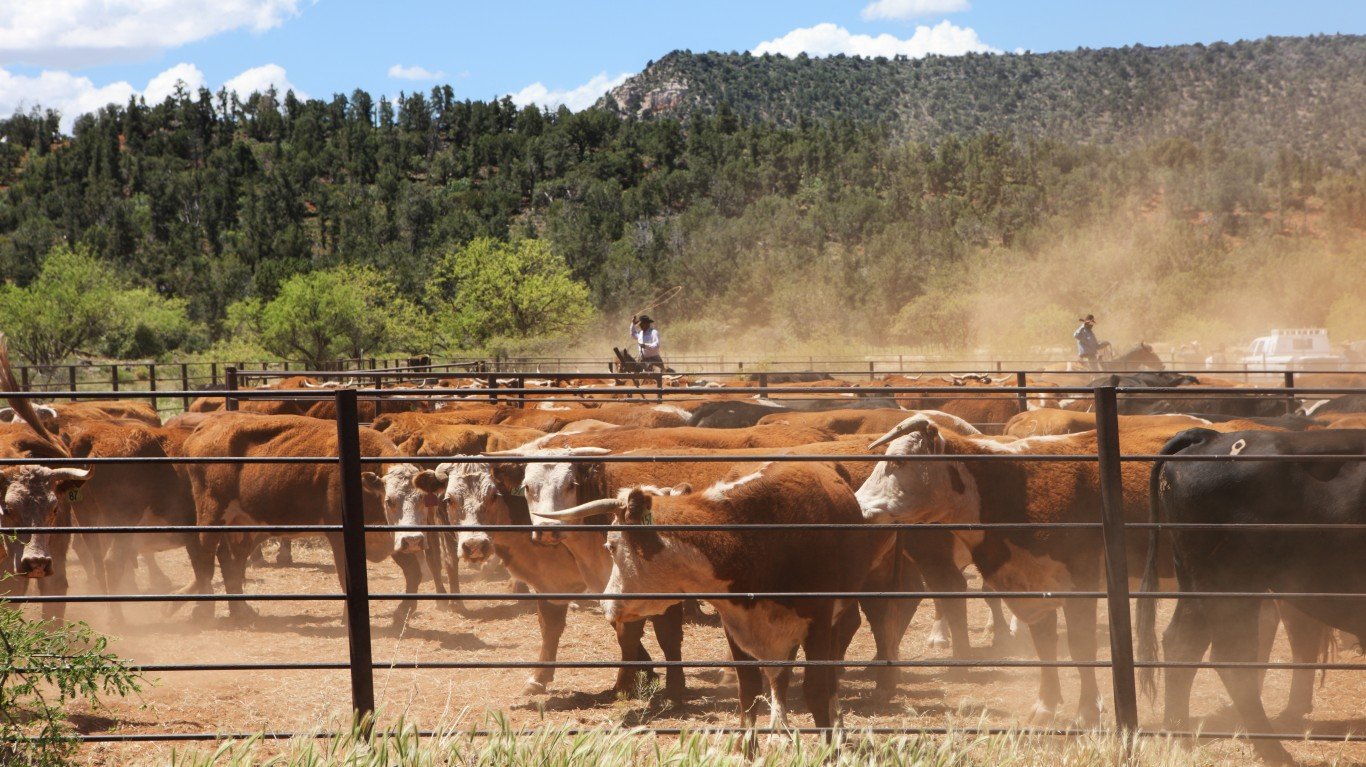
A hypothetical rancher who claimed Social Security at 62 and kept calving out 200 cows for two more years often reaches the same point at 64. His knees are done, and the herd brings $400,000. With fall sales like the Southern Oregon Livestock November auction on Nov. 22 drawing sellers, the first worry for many is whether a check that size will make Social Security claw back benefits.
One version of this question shows up on retirement Q&A boards: does selling livestock before full retirement age count against the earnings limit? For breeding cows, the answer is good news. Social Security withholds nothing. The real costs show up on his tax return and, two years later, on his Medicare bill.
Why a $400,000 Herd Sale Leaves His Checks Untouched
If you claim before you reach the age Congress set as standard, Social Security applies an earnings test. In 2026 the limit is $24,480[1], and Social Security holds back $1 for every $2 you earn above it. The test only looks at wages and net self-employment earnings.
Social Security’s own handbook leaves out “gain or loss from the sale of capital assets, or sale, exchange, or conversion of other property that is not stock in trade nor considered inventory.”[2] The tax code draws the same line in 26 U.S.C. § 1402(a)(3)[3]. Breeding cows fall on the leaves out side. They are tools of the operation, kept to produce calves.
If the full $400,000 counted, the formula would withhold about $187,760. On a $2,000 monthly check, that is nearly eight years of benefits. Because the sale is leaves out, nothing is withheld.
The term “breeding” matters here. The IRS gives this treatment to cattle held for draft, breeding, dairy or sporting purposes for 2 years or longer. Calves and feeders raised to sell count as inventory. If he keeps a small cow-calf operation going, the profit on those calves counts toward the earnings limit.
Where the Sale Actually Costs Him Money
For tax purposes, the cows are business property. When those sales produce a net gain for the year, the gain is treated as long-term capital gains[4]. Cows he raised himself usually have little or no tax basis (what he paid for them), so close to the whole $400,000 can be taxable gain.
A single filer this year pays no tax on long-term gains up to $49,450 of taxable income, and a 15% rate applies up to $545,500. Taxing the whole sale at that rate comes to $60,000. Think of that as the rough upper limit before the tax-free band and his deductions bring it down.
The gain also makes his Social Security taxable. When a single filer’s combined income passes $34,000, up to 85% of benefits can be taxed. On $2,000 a month, that adds $20,400 of benefits to his taxable income for the year of the sale.
A Medicare Surcharge That Shows Up Two Years Later
Medicare starts at 65, so he is almost there. Medicare sets its high-income surcharges using his tax return from 2 years earlier, which means this sale will set his future premiums.
Under the 2027 brackets, a single filer with income between $212,000 and $500,000[5] pays $670 a month for Part B, compared with the standard $209.
The total comes to about $5,527 extra for the year, plus a drug-plan surcharge of $88[5] a month. If his income drops back later, the surcharge lasts only one year. And if he sells because he is retiring from ranching, he can ask Social Security to lower the surcharge because he stopped working. That request can get the premium recalculated on his smaller income after the sale.
Two Decisions to Make Before the Cattle Truck Pulls Out
First, sort the herd on paper. Bred cows held at least two years don’t count toward the earnings limit. This year’s calves do. Selling both on the same day is fine, but if a surprise withholding notice ever comes, the profit on the calves is the likely cause.
Second, think about timing. Spreading the sale over two tax years, or taking payments in installments, can let him use the 0% capital-gains band twice. It may also keep each year’s income under a higher Medicare bracket. Once a sale closes, it is hard to undo. Planning it ahead costs very little.
Every ranch has its own basis records, filing status and mix of cattle. An hour with a tax preparer who knows farm returns, before sale day, can change these numbers by thousands of dollars.
Contact [email protected] for any questions or corrections.
Gerelyn Terzo is the author of dividend investing handbook "Dividend Investing Strategies: How to Have Your Cake & Eat It Too." A veteran financial journalist, she covers agri-finance for outlets like Global AgInvesting and the broader stock market and personal finance for 24/7 Wall Street. She began at CNBC and later helped launch Fox Business in New York. Gerelyn currently resides in Woodland Park, Colorado and dabbles in nature photography as a hobby.