SoFi Is Making a Strategic Move That Could Put Growth on Steroids
SoFi Technologies (NASDAQ:SOFI | SOFI Price Prediction) is reshaping the fintech landscape by delivering a unified digital platform that integrates banking, lending, investing, and insurance services. Its app empowers users with real-time financial tools, from high-yield savings to automated investing,…


SoFi Technologies (NASDAQ:SOFI | SOFI Price Prediction) is reshaping the fintech landscape by delivering a unified digital platform that integrates banking, lending, investing, and insurance services. Its app empowers users with real-time financial tools, from high-yield savings to automated investing, fostering greater accessibility and efficiency.
By leveraging data analytics and artificial intelligence (AI), SoFi personalizes experiences, reduces costs, and enhances decision-making for millions of members. This approach challenges traditional banks, promoting financial inclusivity and innovation. Its recent performance highlights include 30% year-over-year revenue growth and sustained profitability, underscoring its disruptive impact.
As fast as it is changing the fintech market, it just made a strategic move that could put its growth into overdrive.
Entering the Crypto Arena
SoFi just announced the launch of cryptocurrency trading on its platform, becoming the first nationally chartered bank to offer this service directly to consumers. Users can now buy, sell, and hold digital assets like Bitcoin (CRYPTO:BTC), Ethereum (CRYPTO:ETH), and Solana (CRYPTO:SOL) within the SoFi app. The rollout is phased, starting with these major coins and expanding to a broader selection over time.
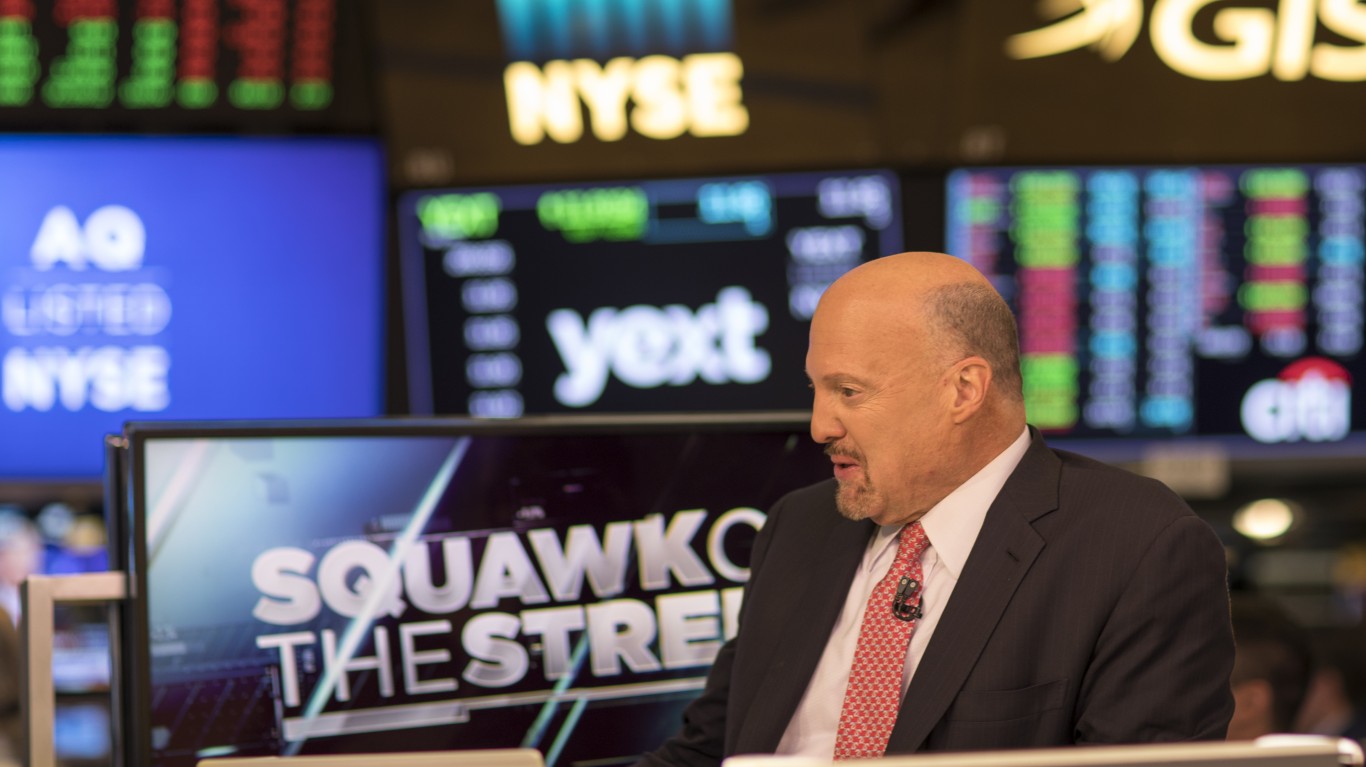
In a recent CNBC interview, CEO Anthony Noto highlighted the significance of this development. He described blockchain and crypto as a “supercycle technology” comparable to AI, poised for long-term growth. Noto explained that regulatory clarity from the Office of the Comptroller of the Currency (OCC) enabled this move, reversing prior restrictions on banks offering crypto services.
SoFi’s Competitive Advantages
What sets SoFi apart from platforms like Coinbase (NASDAQ:COIN) and others? As a regulated bank, SoFi provides built-in safeguards, including FDIC insurance on cash balances up to $2 million. Users fund crypto purchases directly from their interest-earning checking or savings accounts, ensuring that their idle cash is put to work.
Noto emphasized the one-stop-shop model: members handle banking, borrowing, investing, and now crypto in one place. This integration keeps financial activity within SoFi’s ecosystem, reducing the likelihood that users will move their funds to specialized exchanges. It also lowers SoFi’s funding costs by retaining deposits that can be used for lending.
The move blurs lines between traditional banking and crypto exchanges, giving SoFi an edge in user engagement. Unlike pure-play crypto platforms, SoFi’s bank status offers lower capital costs and pricing power across services like loans and payments.
Future Expansion Opportunities…and Risks
Looking ahead, SoFi plans to deepen its crypto offerings. Noto has expressed interest in eventually allowing lending against crypto holdings, turning digital assets into collateral for loans. This could attract more users by allowing them to access cash without having to sell their coins.
However, crypto’s volatility poses risks. Market downturns could lead to losses for users and impact SoFi’s reputation. Regulatory changes remain a factor, though the current environment is supportive. SoFi’s phased approach allows it to monitor user adoption and make adjustments as needed.
The announcement aligns with broader trends. Institutional interest is rising, as seen with JPMorgan Chase (NYSE:JPM) increasing its SoFi stake ninefold to over $1 billion in the third quarter. This validates SoFi’s strategy amid a booming crypto market.
Key Takeaway
This crypto launch positions SoFi to capture surging demand for digital assets, diversifying revenue, and attracting millennial and Gen Z investors. For shareholders, it signals accelerated growth potential, though crypto volatility adds risk.
SoFi stock is up 80% in 2025 and has doubled over the past 12 months. Entering the dynamic crypto market as the first-mover gives it the chance to make a land grab in the space that, because of the stickiness of its offerings, could ignite its growth trajectory as if it had put itself on steroids.
Contact [email protected] for any questions or corrections.
After two decades of patrolling the dark corners of suburbia as a police officer, Rich Duprey hung up his badge and gun to begin writing full time about stocks and investing. For the past 20 years, he’s been cruising the markets looking for companies to lock up as long-term holdings in a portfolio while writing extensively on the broad sectors of consumer goods, technology, and industrials. Because his experience isn’t from the typical financial analyst track, Rich is able to break down complex topics into understandable and useful action points for the average investor. His writings have appeared on The Motley Fool, InvestorPlace, Yahoo! Finance, Money Morning, and, of course, 24/7 Wall St. He has been featured in both U.S. and international publications, including MarketWatch, Financial Times, Forbes, Fast Company, and USA Today.