Trump Woo Xi? We’ll See. The Tired History of Big Tech’s Misadventures in China.
Although the optics from Beijing this week look like a thaw, Wall Street has watched this exact movie before. President Trump arrived in Beijing on May 13, 2026 for a state-banquet summit with President Xi Jinping, accompanied by a phalanx…

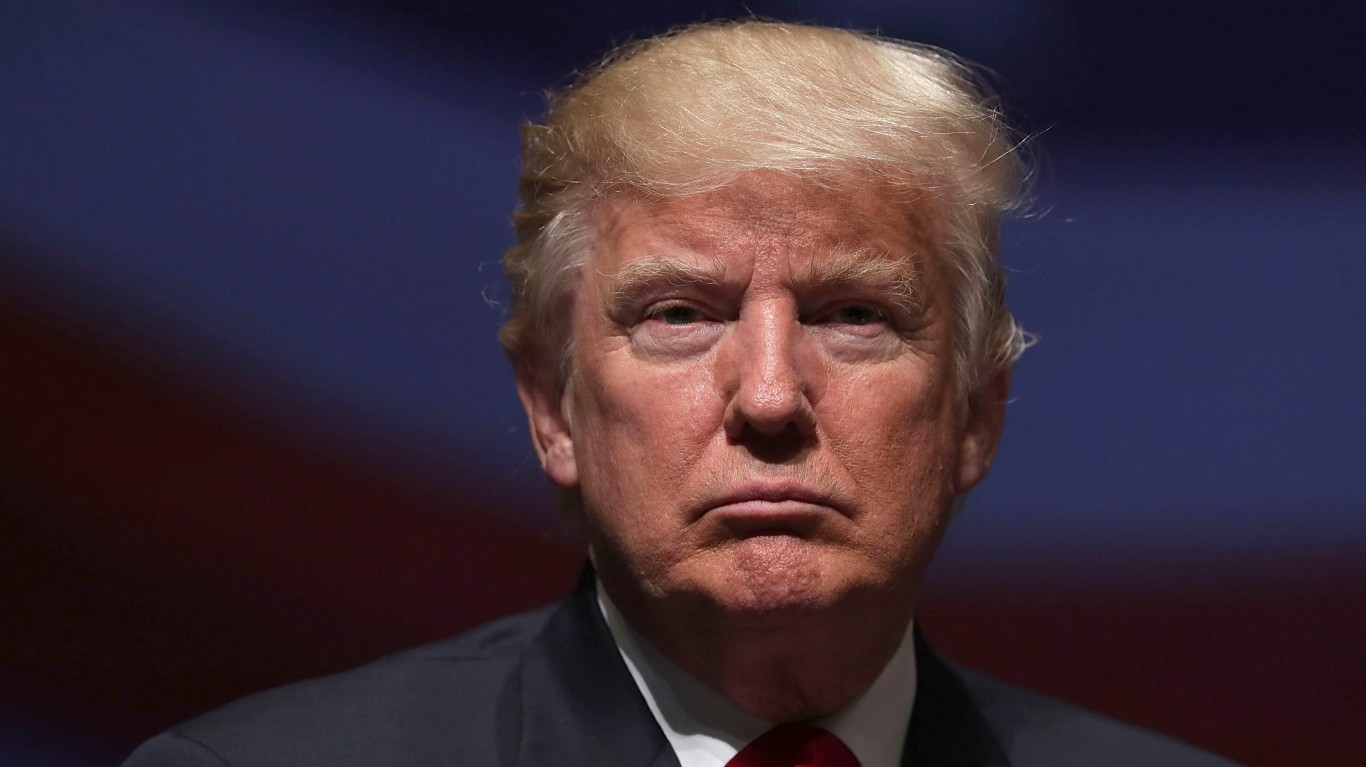
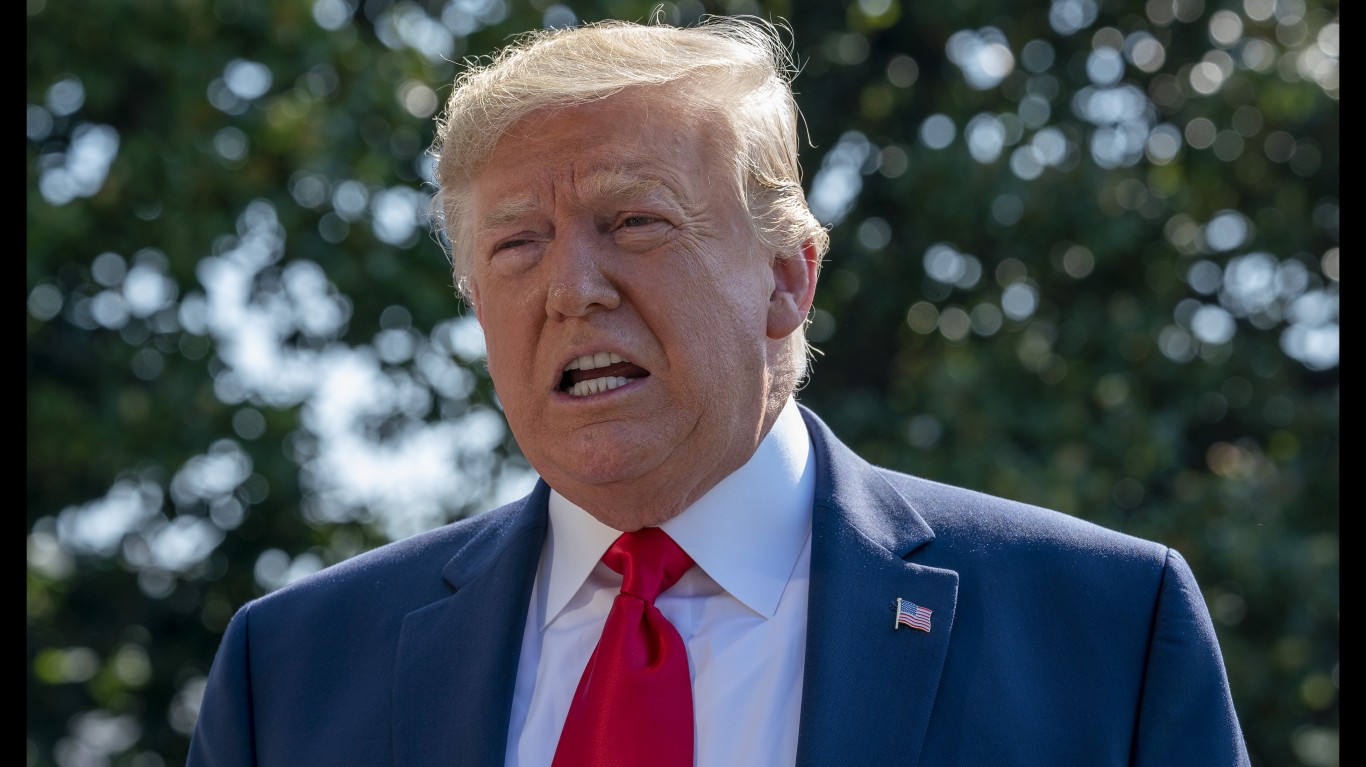
Although the optics from Beijing this week look like a thaw, Wall Street has watched this exact movie before. President Trump arrived in Beijing on May 13, 2026 for a state-banquet summit with President Xi Jinping, accompanied by a phalanx of U.S. CEOs and a softer trade tone. Polymarket is pricing a 71.5% probability of AI export-control relief for China by May 22, 74.5% on a new U.S.-China Board of Trade, and 46.5% on a tariff reduction.
The mood music is bullish. But the real question for anyone holding U.S. Big Tech is what tends to happen after the cameras leave.
I have been investing through these “opening up” cycles for more than a decade now, and really it’s just the same thing over and over. Brutally consistent in fact.
Every time Beijing has been characterized as warming to American technology, the American technology has eventually paid for the privilege of trying. Call it the Long Memory thesis: U.S. Big Tech does not win in China. It retreats, gets blocked, or pays the price of staying.
Google: The Template for the Retreat
Alphabet (NASDAQ:GOOGL | GOOGL Price Prediction) launched Google.cn in 2006 and exited mainland Chinese search in 2010 following the Operation Aurora cyberattacks. Project Dragonfly, a censored search effort, surfaced in 2018 and was abandoned. The lesson held. Alphabet still booked $109.9 billion in Q1 2026 revenue, up 22% year over year, with Cloud growing 63% and topping $20 billion. None of it comes from mainland search. The stock has compounded anyway, returning roughly 2,483% since January 2010.
Uber: The Tuition Bill
Uber (NYSE:UBER) sold its China business to Didi Chuxing in August 2016, after burning roughly $2 billion trying to outspend a local competitor with a home-field referee. The retreat became the template. Uber today trades at $73.44 with a market cap of $149.49 billion and a P/E of 15x, valued on its global ride-share franchise.
Amazon: Marketplace, Then Kindle
Amazon (NASDAQ:AMZN) closed its China marketplace in July 2019 after losing to Alibaba and JD.com, and shut its Kindle store in China in June 2023. The retreat looks fine in hindsight: AWS just delivered its fastest growth in 15 quarters at 28%, and Q1 FY2026 revenue ran $181.52 billion, up 16.6% year over year. CEO Andy Jassy still flagged tariff uncertainty as a Q2 headwind. The China door stays closed; the tariff door does not.
Microsoft and LinkedIn: Shut, Then Shut Again
Microsoft (NASDAQ:MSFT) kept Bing alive under heavy restrictions, but LinkedIn shut its localized China service in October 2021, and the slimmed-down replacement InCareer closed in 2023. Microsoft is now selling an AI business at a $37 billion run rate, up 123% year over year, with Azure growing 40%. Almost none of that growth assumes China access. The market seems to know it: shares are down 16% year to date, and the conversation is U.S. AI capex appetite, not Shanghai.
Apple: The Price of Staying
Then there is Apple (NASDAQ:AAPL), the one major U.S. tech name that did not leave.
Apple moved iCloud operations for Chinese users to state-linked partner GCBD in 2018, and the company has repeatedly removed apps at Beijing’s request. The reward for staying is real: Greater China revenue was $20.5 billion in the March quarter (Q2 FY2026), up 28% year over year, with iPhone setting a March-quarter record. The quarter before that was even bigger.
Greater China revenue jumped 38% to over $25 billion in the December quarter, which Tim Cook attributed to demand for the iPhone 17 lineup. But the bill is real too. Apple disclosed a tariff impact of roughly $1.4 billion in that December quarter alone. What tariffs they pay, don’t pay, get refunded, pay again or not depends on the day of US/China relations of course. Roll the dice on this one and you tell me.
Apple is the exception that proves the rule. It stayed by surrendering control of customer data, app distribution, and increasingly, supply-chain optionality.

The Pattern, Not a Prediction
So what should an investor do with the current Trump-Xi choreography? The Long Memory answer is to discount the headlines. The record across Google (2010), Uber (2016), Amazon (2019), LinkedIn (2021), Yahoo (November 2021), Airbnb (May 2022), and Kindle (June 2023) is a structural outcome. When American technology meets a state that prizes informational and competitive control, the American firm is the one that adjusts. Apple’s path, paying to stay, is the only confirmed alternative to leaving.
Long term, Wall Street still heads higher, and U.S. Big Tech still compounds. It simply compounds without China being the marginal buyer. The bullish summit narrative is familiar. The last several administrations have heard versions of it too. Skepticism is the default position because the data has earned it that spot.
Contact [email protected] for any questions or corrections.
I've been writing about stocks and personal finance for 20+ years. I believe all great companies are tech companies in the long run, and I invest accordingly.