




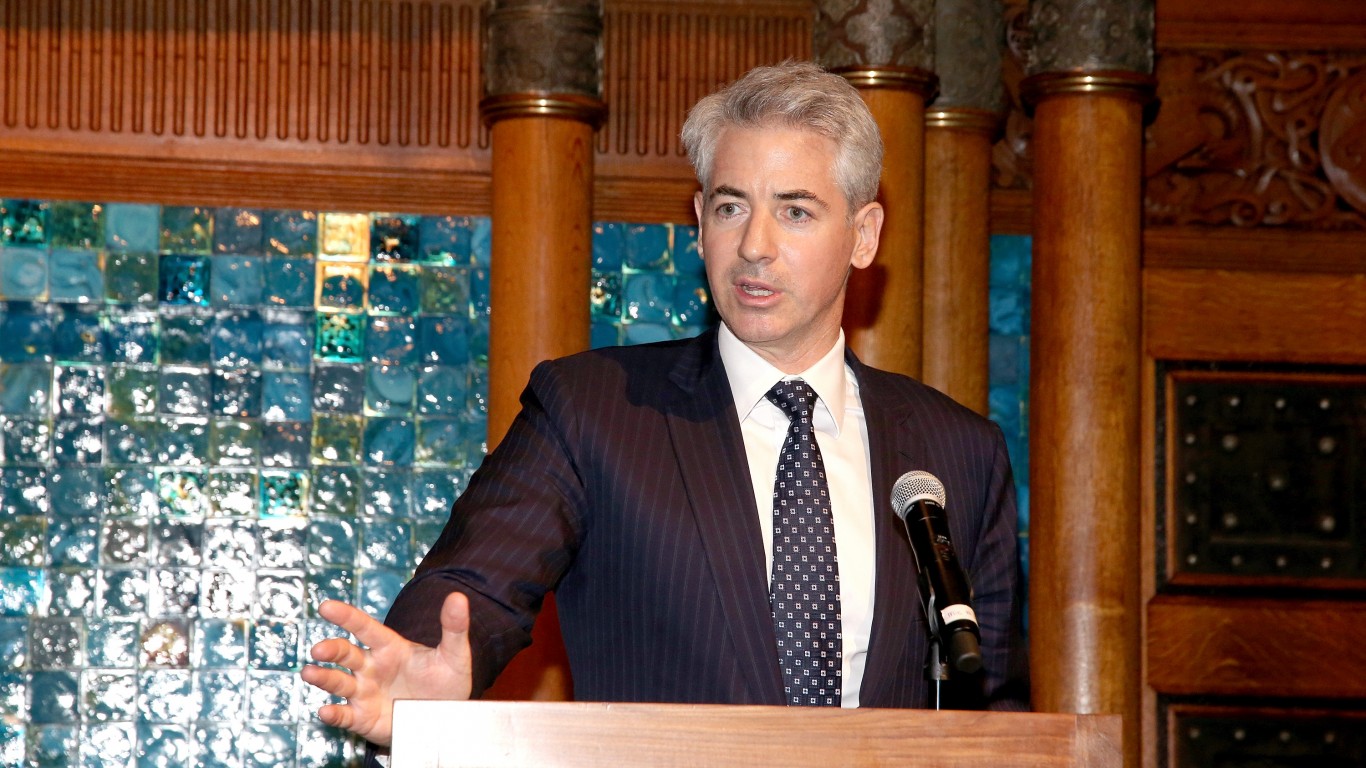
One of the most closely watched investors on Wall Street has added Mastercard (NYSE: MA | MA Price Prediction) to his portfolio. On Thursday, August 13, 2026, Bill Ackman unveiled six new holdings in his biggest portfolio overhaul in years, including Mastercard, Netflix (NASDAQ:NFLX), and Visa (NYSE:V). Per Reuters, Ackman said the shares were acquired starting in the second quarter and will be held in his investment funds, including Pershing Square USA (NYSE:PSUS), which listed on the New York Stock Exchange in April 2026. He said he believes the earnings at Mastercard and the others are poised for strong growth, which he views as the greatest driver of investment value over time.
What Mastercard Actually Does
Mastercard runs one of the world’s two dominant payment rails, moving money between merchant banks and card-issuing banks across 3.7 billion Mastercard and Maestro branded cards globally. It has evolved into a diversified fintech company: value-added services (fraud tools, identity, business insights) grew 18% year over year in Q2 2026. Recent bets include Mastercard Agent Pay for agentic commerce and the pending BVNK acquisition for stablecoin infrastructure. Q2 2026 delivered operating margins of 61.1% and adjusted EPS of $5.04. This is a high-quality compounder trading on a trailing P/E of 31.

A Blue Chip That Has Lagged the Market
Here’s where it gets interesting. Mastercard has trailed the S&P 500 across every meaningful window heading into Ackman’s purchase. Have a look at what $1,000 invested in Mastercard would have done for you.
| Mastercard | S&P 500 | |
| 5-Year Return | 60.99% ($1,609.90) | 74.44% ($1,744.40) |
| 1-Year Return | −1.26% ($987.40) | 20.62% ($1,206.20) |
| YTD Return | −0.18% ($998.20) | 14.07% ($1,140.70) |
A $1,000 stake five years ago has grown meaningfully, but it would have grown more sitting in an index fund. Over the past 12 months, Mastercard is actually in the red while the broad market is up strongly. That is the classic value setup Ackman says he now prefers: a high-quality franchise in which the market has quietly lost interest.
The Takeaway
Ackman’s long-term record is strong, but recent results are mixed. Through July 2026, Pershing Square USA was down 3.5% for the year and Pershing Square (NYSE:PS) was down 9.2%, versus a 10% gain for the S&P 500 total return index. He’s not infallible: His 2022 Netflix stake ended at a loss. Copying billionaire trades blindly is a bad plan. Putting $1,000 into Mastercard today may be worth considering only for investors with a multi-year horizon.
The bull case for Mastercard rests on cross-border volumes continuing to compound at low double digits, value-added services expanding the take rate, and the company translating Agent Pay and BVNK into real revenue rather than press releases. On the other hand, stablecoins genuinely disintermediate card rails, and a 31 P/E leaves no cushion for a consumer slowdown.
Ackman is buying a boring winner at a temporarily boring moment. The setup rewards patience over the next several years, but treat this as analysis for your own research process.


Contact [email protected] for any questions or corrections.










 Top Gaining Stocks
 Top Losing Stocks