70% of UPS Packages Will Be Handled by Machines This Holiday Season
UPS is betting that robots and radio tags can protect its dividend while it deliberately ships fewer boxes, but the math only works if one critical margin target holds during the busiest weeks of the year.

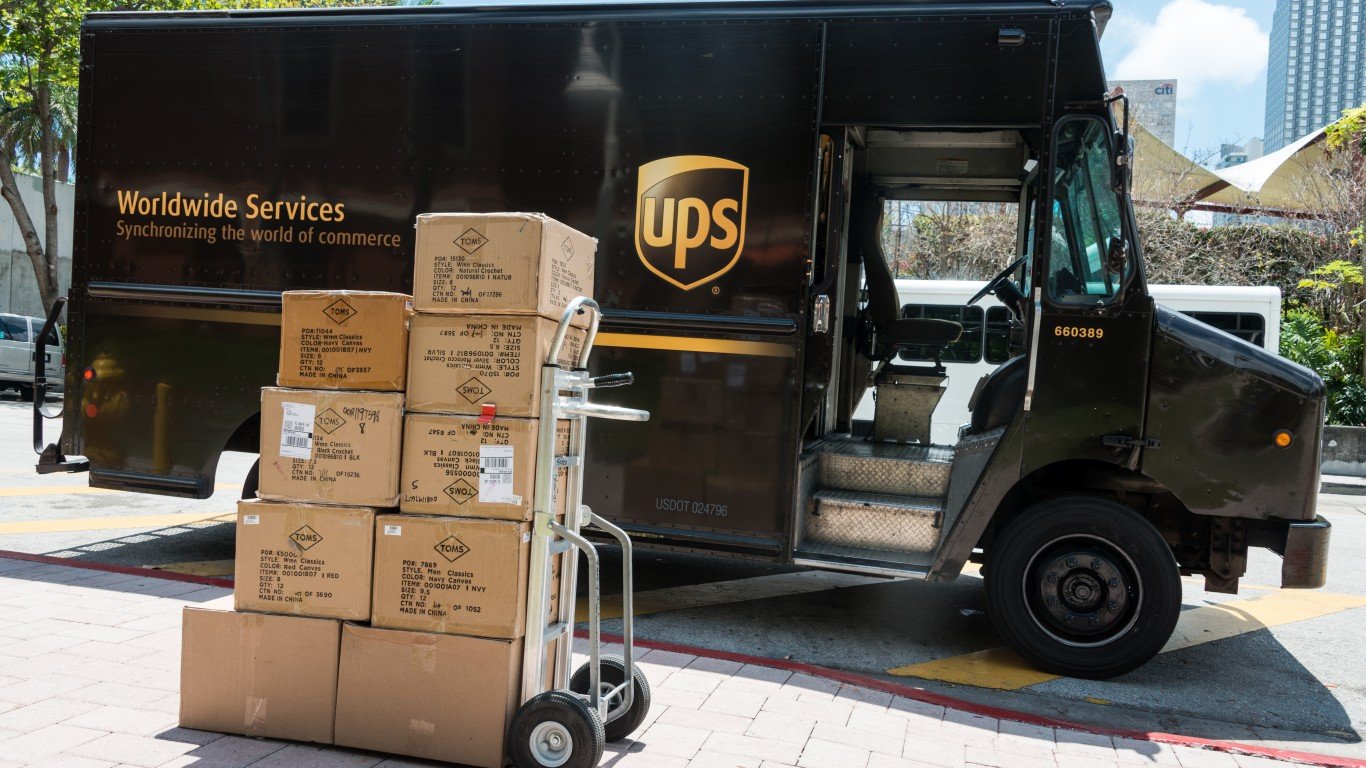
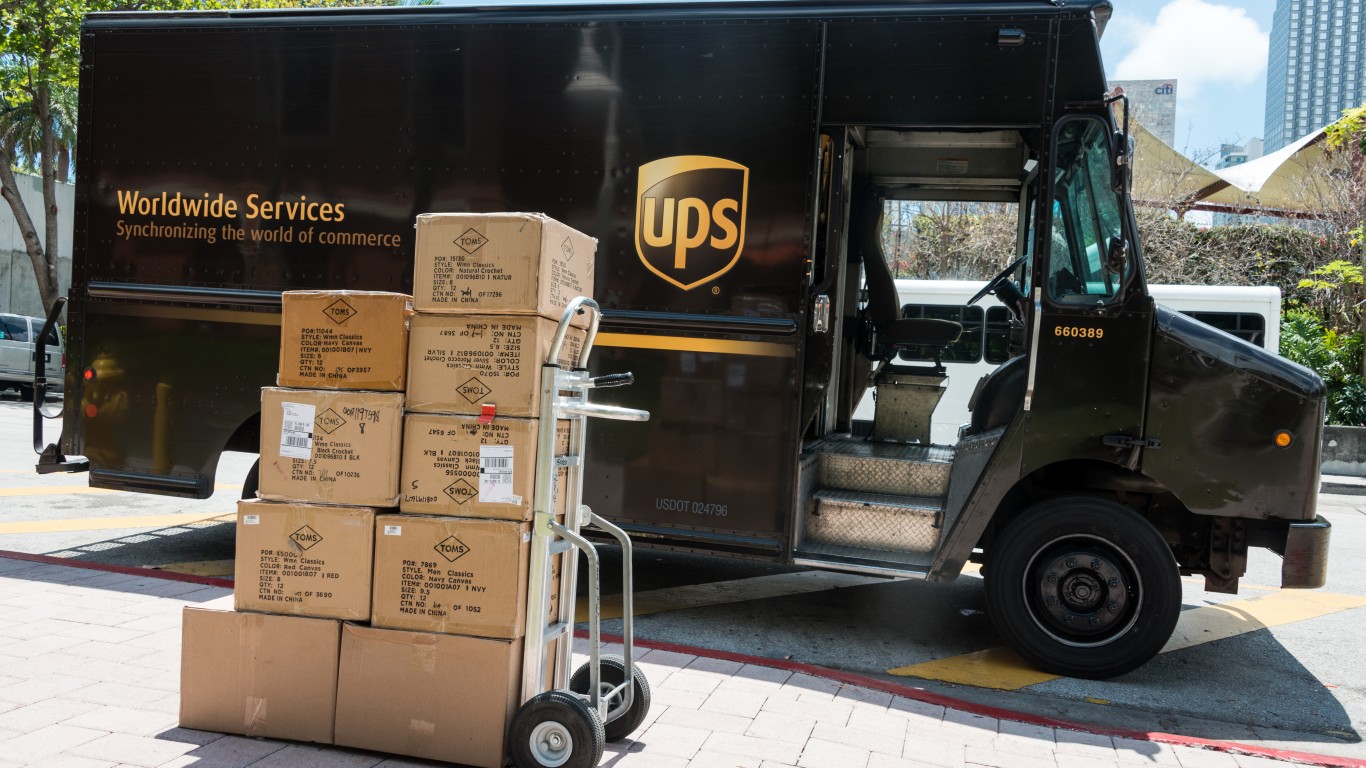
When the holiday surge reaches United Parcel Service (NYSE:UPS | UPS Price Prediction) hubs, nearly 70% of packages are expected to pass through automated sorting. Chief executive Carol Tomé gave that figure on the third-quarter call on Oct. 27, 2026.
The figure covers sorting and processing inside UPS buildings. Drivers still deliver every box, and UPS will still “add variable capacity where needed.”
The automation message raised shares 5.75% to $106.09 on Oct. 27 before they slid 0.44% to $105.62 on Oct. 28 and $105.11 after hours.
Investors worry that UPS is intentionally reducing volume and counting on machines to raise margins faster than volume falls. Meanwhile, it pays a 6.21% dividend yield after a -37.35% five-year price change.

A Sensing Network Cuts Manual Scans
Tomé said UPS is “moving from a scanning to a sensing network.” RFID (radio-frequency identification) tags can be read by radio, with no line-of-sight scan needed.
RFID labeling is active at 315 customer locations, so packages arrive already tagged. Tomé expects 6 million RFID-labeled packages a day in 2027.
Each tag replaces a manual scan and helps prevent the misloads that follow a missed one, and fewer fixes mean fewer temporary workers who have to be trained in a short window.
About 100 Customers Drive the Peak
A little over 100 U.S. customers account for approximately 80% of the peak surge. That makes planning easier, but a few bad forecasts could swing the quarter.
Tomé expects average daily volume to rise approximately 25% from the third quarter to the fourth. She cited an industry forecast of about 9% growth in holiday online sales.
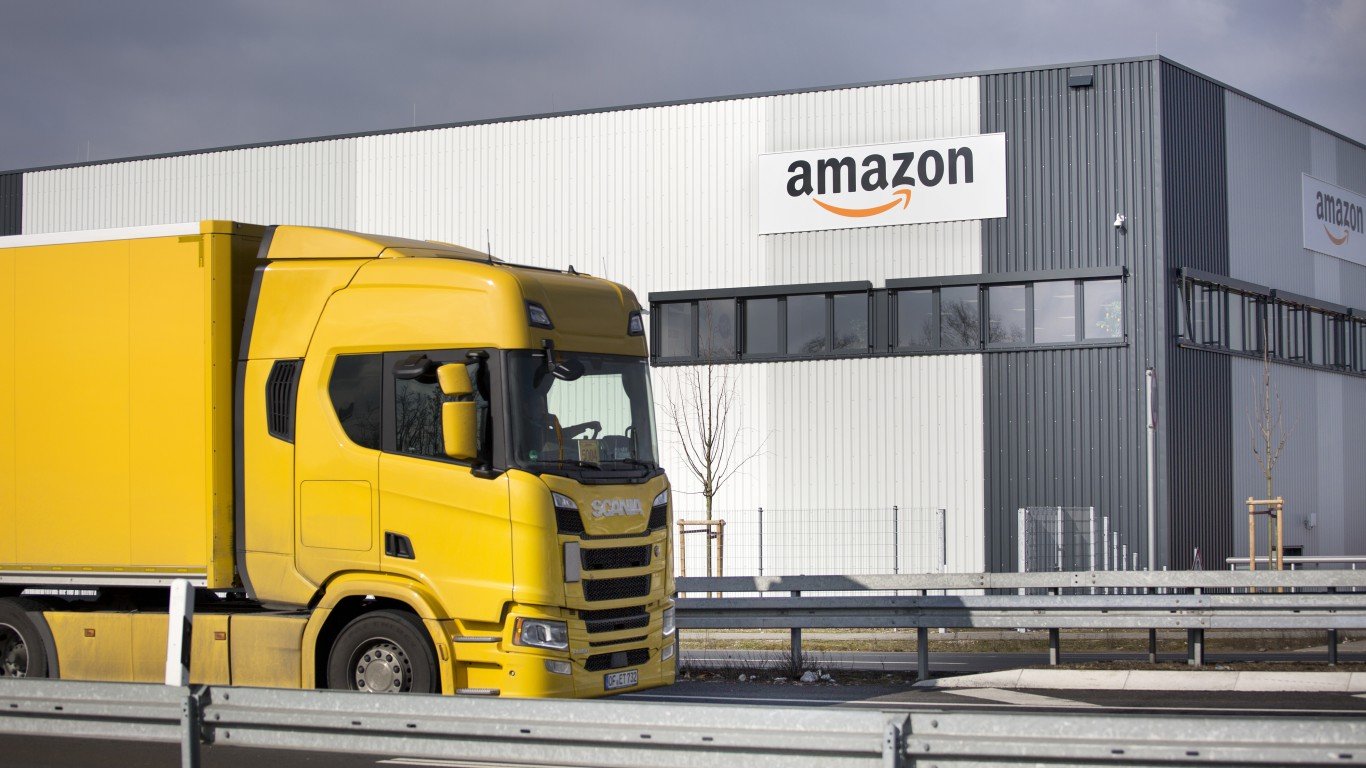
That rise is seasonal. Total fourth-quarter daily volume is expected to be down 1.3% year over year because UPS cut volume from Amazon (NASDAQ:AMZN), which the earnings release calls “our largest customer.”
Fewer People Needed for Peak
The Driver Choice Program, a voluntary exit offer for drivers, finished its final phase with about 1,500 exits, according to prepared remarks. CFO Brian Dykes gave roughly 1,600 in the Q&A session, and both figures cover only that phase.
The program cost $1.4 billion in 2026. UPS also “closed certain daily operations at leased and owned buildings” but did not give counts.
Tomé addressed the investments. She said they let UPS “operate with fewer vehicle rentals and aircraft leases.” That reduces peak cost, although a thinner network has less buffer if volume comes in above forecasts.
Less Volume, Better Margins
U.S. Domestic daily volume fell to 15.621 million pieces from 16.150 million. Adjusted margin still rose to 7.0% from 6.4%.
Fourth-quarter guidance calls for about $25.7 billion in revenue and about $3.3 billion in operating profit. It also targets a U.S. Domestic margin of about 10.5%.
Cost per piece still rose 5.5% in the quarter. Pricing therefore matters as much as the machines do.

What Income Investors Need to Weigh Before the Next UPS Earnings Report
Income investors face a margin rebuild that will take patience. Even after a 12.06% one-month gain, the stock trades between its $90.84 low and $122.41 high.
Dividend coverage is tight, as free cash flow guidance of about $6.1 billion sits against planned dividends of around $5.4 billion. A payout that is close to free cash flow is exactly the setup that puts a yield on watch, and we laid out the seven warning signs in a free report here.
The risks are reducing volume and a heavy reliance on a small group of customers, and a thinner network could also fall short during its first peak.
The next test is the fourth-quarter earnings report. If the U.S. Domestic margin lands near 10.5% and UPS keeps its eight-year lead in peak on-time delivery, the margin thesis holds. A close below $90.84 would suggest the market questions that thesis.
Contact [email protected] for any questions or corrections.
Omor Ibne Ehsan is a writer at 24/7 Wall St. He is a self-taught investor with a focus on growth, cyclical, and dividend equities that have strong fundamentals, value, and long-term potential. He also has an interest in high-risk, high-reward investments such as penny stocks.