His Soybean Crop Lost Money. The IRS Still Let Him Count the Year Toward Social Security.
A bad harvest already cost him money, but filing the wrong way on Schedule SE could cost him something harder to recover: a year of Social Security coverage that retirement math later makes irreplaceable.

This post may contain links from our sponsors and affiliates, and Flywheel Publishing may receive compensation for actions taken through them.

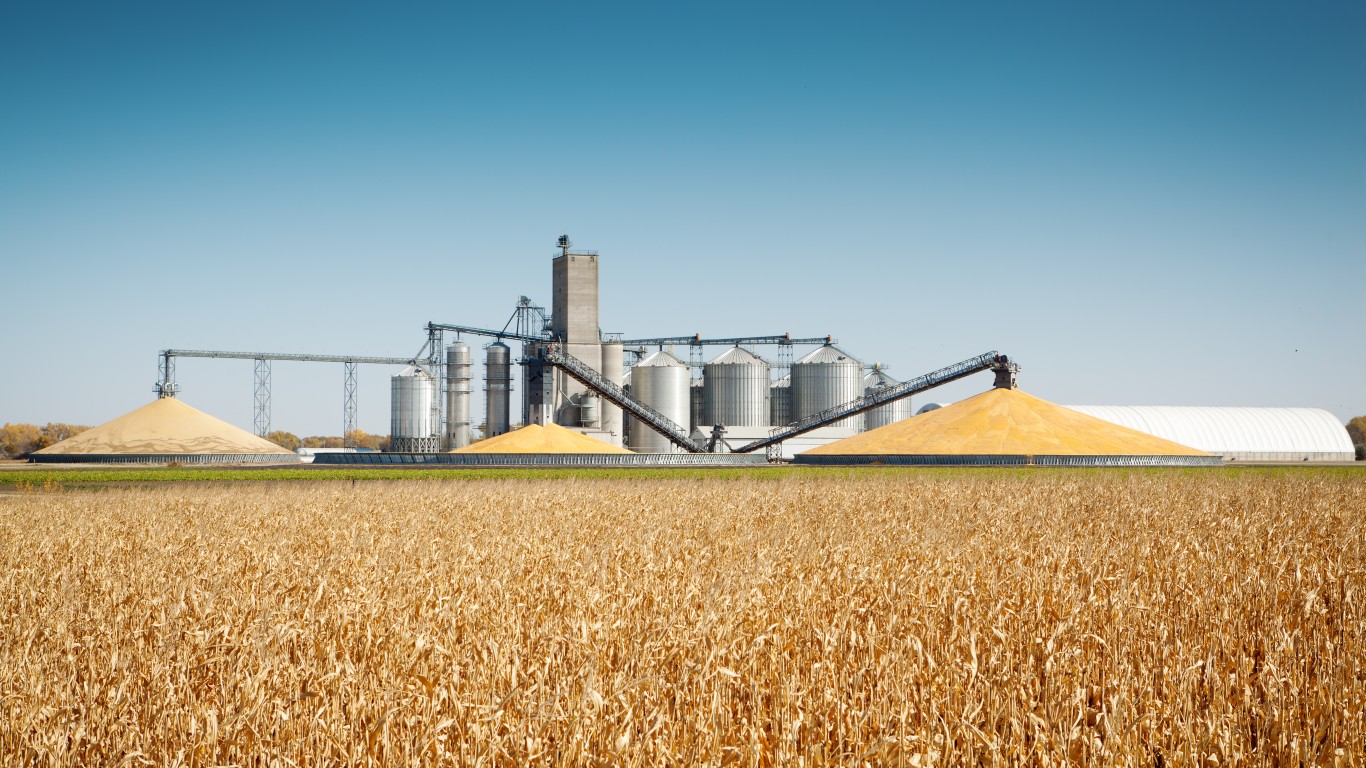
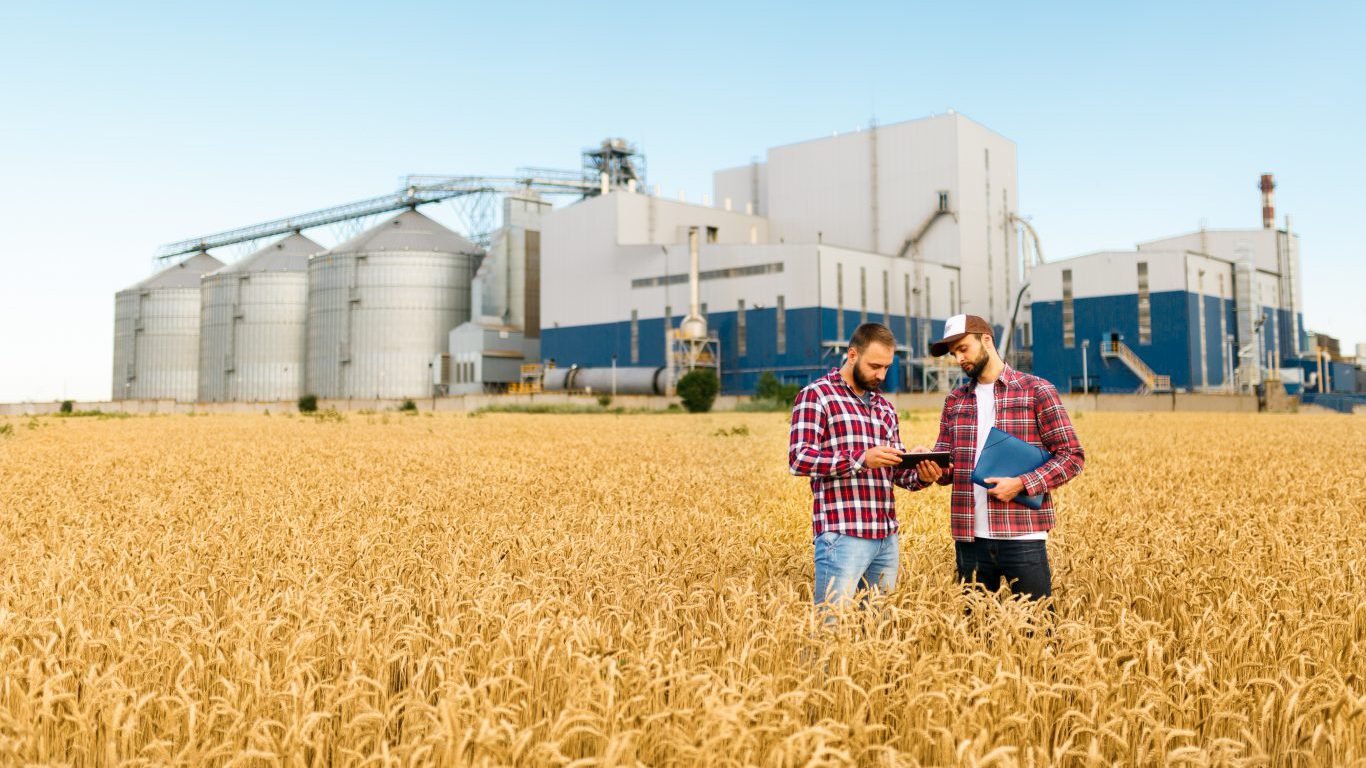
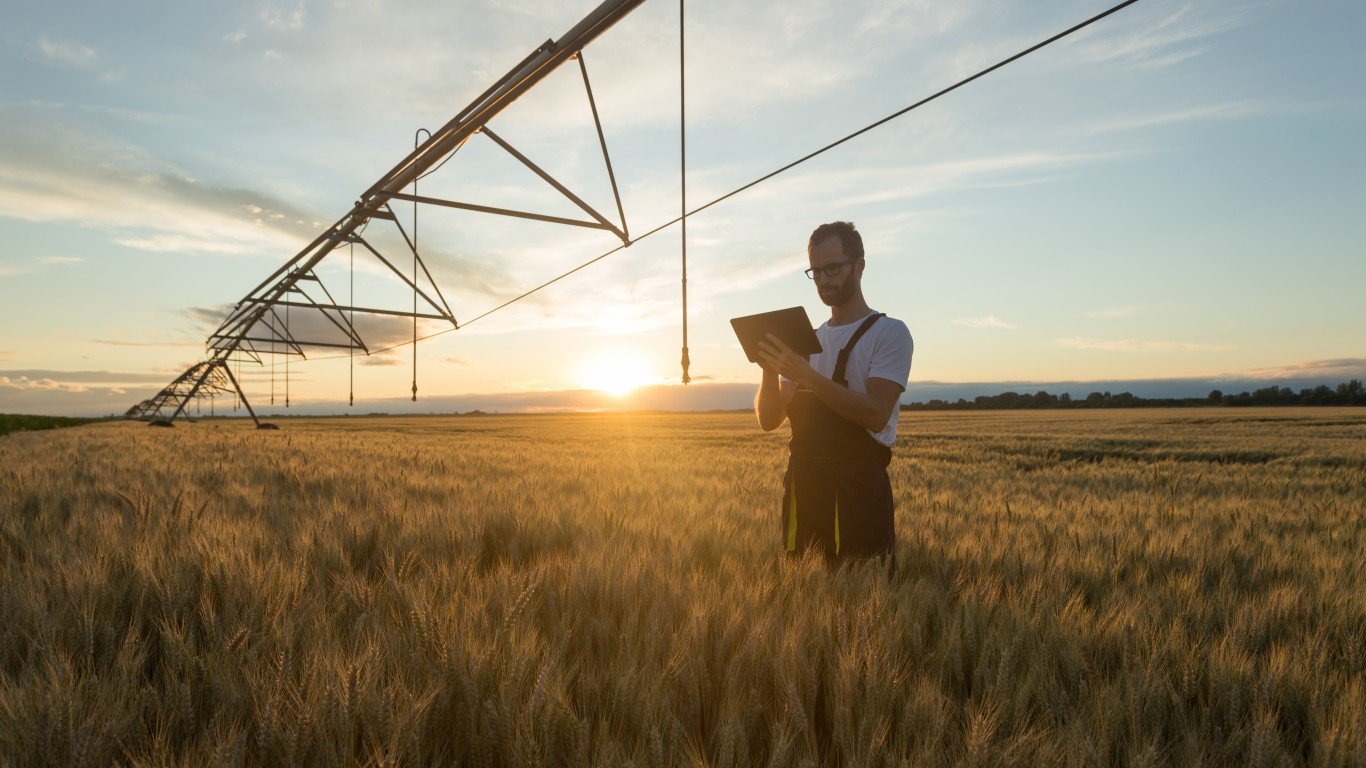
A soybean grower closes the books on a season he would rather forget. A wet spring delayed planting, weak prices followed the harvest, and higher costs consumed what remained. Schedule F shows a loss. Ordinarily, that means no net self-employment earnings and no Social Security credits for the year. For a farmer approaching retirement with gaps in his record, the tax savings may come with an uncomfortable price.
So he makes a counterintuitive choice. He reports income he did not actually earn and pays self-employment tax on it. The move is legal. It is called the farm optional method, and in the right circumstances it can turn a losing season into four coverage credits.
The Election Hiding on Schedule SE
Social Security credits ordinarily come from covered wages or net earnings from self-employment. A farm loss produces neither. The farm optional method allows a qualifying producer with a loss or modest profit to report deemed self-employment earnings based partly on gross farm income. Those earnings are used to calculate self-employment tax and establish Social Security coverage, even though they do not represent the farm’s actual profit.
In 2026, one credit requires $1,890 of covered earnings. Earning $7,560 produces the annual maximum of four credits. A qualifying farmer able to report the full optional amount would owe approximately $1,157 in self-employment tax before considering related tax effects. He is paying real money after a year in which the farm lost money. What he receives is not a refund or deduction. He buys another covered year.
When Four Credits Are Worth the Tax
Workers generally need 40 credits to qualify for their own retirement benefit. Credits do not expire, but someone with only 36 or 37 may have a compelling reason to keep the record moving. Disability coverage can make the election more valuable. Workers generally need a certain amount of recent covered work, not merely 40 lifetime credits, to qualify for Social Security Disability Insurance. Survivor protection also depends on the worker having enough coverage when death occurs.
The calculation changes once a farmer already has 40 credits. Additional credits by themselves do not increase the retirement check. The benefit is calculated using the highest 35 years of covered earnings. If he has fewer than 35 covered years, the deemed earnings can replace a zero. If he already has 35 stronger years, the optional amount may never enter the calculation at all. Paying more than $1,100 solely to add a low earnings year would then offer little retirement value. That is why the election is protection for a particular gap, not an automatic tax-season strategy.
One Farm Rule That Is More Generous
Unlike the nonfarm optional method, which is limited to five years, the farm optional method has no lifetime-use limit. A producer who qualifies can use it through more than one difficult season. Eligibility still depends on gross farm income, net profit and the current Schedule SE limits. The amount reported may also be less than the maximum because it is tied to gross income. A farm loss does not automatically guarantee four credits.
What to Check Before Filing
Three numbers decide whether the election earns its keep:
- The number of credits already on the Social Security statement.
- The number of covered earnings years included in the 35-year benefit calculation.
- The deemed earnings permitted under the current Schedule SE instructions.
A farmer who is fully insured and already has 35 stronger years may be better off keeping the tax savings. Someone three credits short of retirement eligibility or at risk of losing recent-work coverage may see the same payment very differently. The crop did not pay him that year. With one deliberate election, the year may still count.
Contact [email protected] for any questions or corrections.
Gerelyn Terzo is the author of dividend investing handbook "Dividend Investing Strategies: How to Have Your Cake & Eat It Too." A veteran financial journalist, she covers agri-finance for outlets like Global AgInvesting and the broader stock market and personal finance for 24/7 Wall Street. She began at CNBC and later helped launch Fox Business in New York. Gerelyn currently resides in Woodland Park, Colorado and dabbles in nature photography as a hobby.