The Villages Residents Who Bought the Cheapest House Say It Was the Most Expensive Decision They Made
Buying the cheapest house in The Villages looks like a smart way to pocket the difference and let the lifestyle pay for itself, but residents who went that route kept getting bills they never saw coming before they signed.

This post may contain links from our sponsors and affiliates, and Flywheel Publishing may receive compensation for actions taken through them.
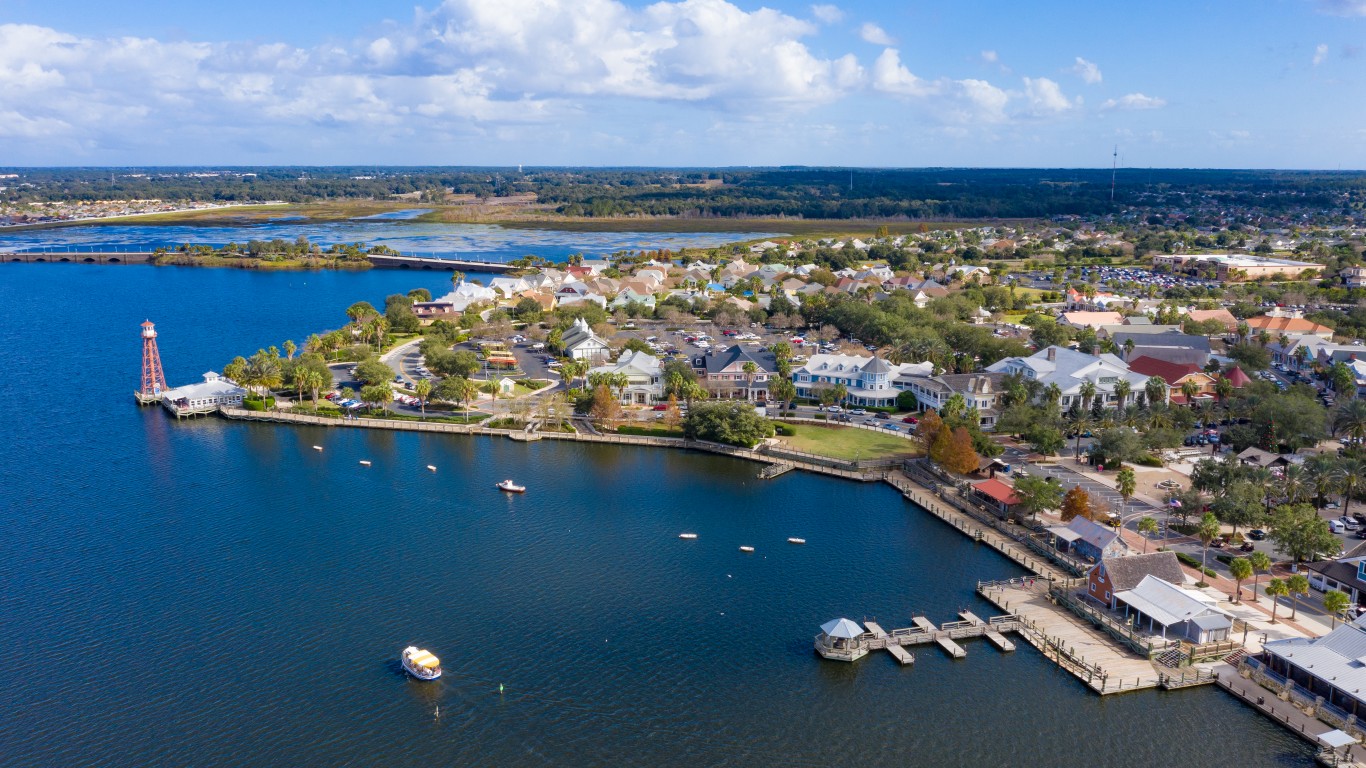
People planning a move to The Villages in Florida often buy the cheapest house in the community, keep the difference, and let the pools, golf, and town squares provide the lifestyle. The median sale price in The Villages is about $360K, and older manufactured homes near the Historic Side have listed around $199,900. That leaves a $160,100 gap, and residents who went this way tell a different story. Some costs stay the same no matter what the house costs, and repair bills show up when the insurer says so, not when the owner is ready.
Fixed Costs That Ignore the Purchase Price
The amenity fee shows this most clearly. It was capped at $155 per month until 2019, when the cap was removed. The current rate reached $199 at the start of 2025 and $205 per month in 2026. That comes to about $2,460 a year, and a $199,900 house pays the same fee as a $600,000 one. With a 4% withdrawal rate, a retiree needs about $61,500 in the portfolio to cover that one fee.
Florida has no state income tax, so Social Security and IRA withdrawals are taxed only at the federal level. Medicare Part B costs $202.90 per person per month in 2026, or $4,869.60 per year for a couple, plus a $283 deductible. Florida’s regional price parity is 103.414, slightly above the national baseline of 100.
Cap Deadline That Controls the First Five Years
In Florida’s insurance market, roof age decides whether a house can be insured at all. Citizens, the state’s insurer of last resort, requires a roof to have at least 5 years of remaining life when the policy is written. A buyer whose roof is near the end of its life usually replaces it at or soon after closing. An asphalt shingle roof in Florida runs $12,000 to $25,000. Aging HVAC systems and water heaters tend to wear out around the same time.
When that expense hits, it matters, because a $25,000 bill in the first year of retirement lands when sequence-of-returns risk is highest. Putting it on a credit card at the average APR of 20.94% adds about $5,235 in interest over one year. Existing home sales fell to an annualized 3.98 million in August, the lowest reading in the past year.
Turning the Villages Budget Into a Portfolio Target
The average U.S. household spent $78,535 in 2024. Adjusted for Florida’s price level, that is about $81,216. A couple each collecting the average Social Security payment of about $2,071 a month brings in $49,704 a year, leaving a $31,512 gap.
A 30-year retirement starting at 65 with 4% annual withdrawals means the portfolio needs about $787,800 to cover the gap. If they retire in their early 60s, a couple should use 3.5%, and the target rises to about $900,000. A cheap-house buyer also needs a separate roof reserve. With $25,000 set aside, the 4% target becomes $812,800. Taking Social Security later shrinks the gap. Benefits grow about 8% for each year you wait beyond full retirement age, up to age 70. In 2027, the cost-of-living adjustment is on track for 3.3%.
What Makes the Cheapest House Pencil Out
The cheapest house only saves money if the discount exceeds the repairs it brings. A couple with average Social Security benefits needs a working target of roughly $790,000 to $900,000 in index funds and dividend ETFs. The portfolio needs to earn about 7.3% nominal to support a 4% withdrawal while keeping pace with inflation running near 3.3%. A separate repair reserve of at least $25,000 held in a short treasury ladder covers the roof, HVAC, and water heater without selling stocks in a bad year.
The roof remains the central variable. Florida insurers decide when an older home’s roof gets replaced, and in a cheap Villages house, that bill often arrives in the first year of retirement, when a portfolio can least afford the hit. Buyers who factor that cost into the offer price before signing avoid paying for it after closing.
Contact [email protected] for any questions or corrections.
David Beren has been a Flywheel Publishing contributor since 2022. Writing for 24/7 Wall St. since 2023, David loves to write about topics of all shapes and sizes. As a technology expert, David focuses heavily on consumer electronics brands, automobiles, and general technology. He has previously written for LifeWire, formerly About.com. As a part-time freelance writer, David’s “day job” has been working on and leading social media for multiple Fortune 100 brands. David loves the flexibility of this field and its ability to reach customers exactly where they like to spend their time. Additionally, David previously published his own blog, TmoNews.com, which reached 3 million readers in its first year. In addition to freelance and social media work, David loves to spend time with his family and children and relive the glory days of video game consoles by playing any retro game console he can get his hands on.