600 Acres He Farmed Were Sold for a Google Data Center. At 63, Social Security Can Pay Him After the Harvest Even If He Already Earned Too Much This Year.
When a Google data center buyout gave a Texas farmer 60 days to finish his harvest, it raised a question most people filing for Social Security never think to ask: does a strong earning year actually lock you out of…

This post may contain links from our sponsors and affiliates, and Flywheel Publishing may receive compensation for actions taken through them.
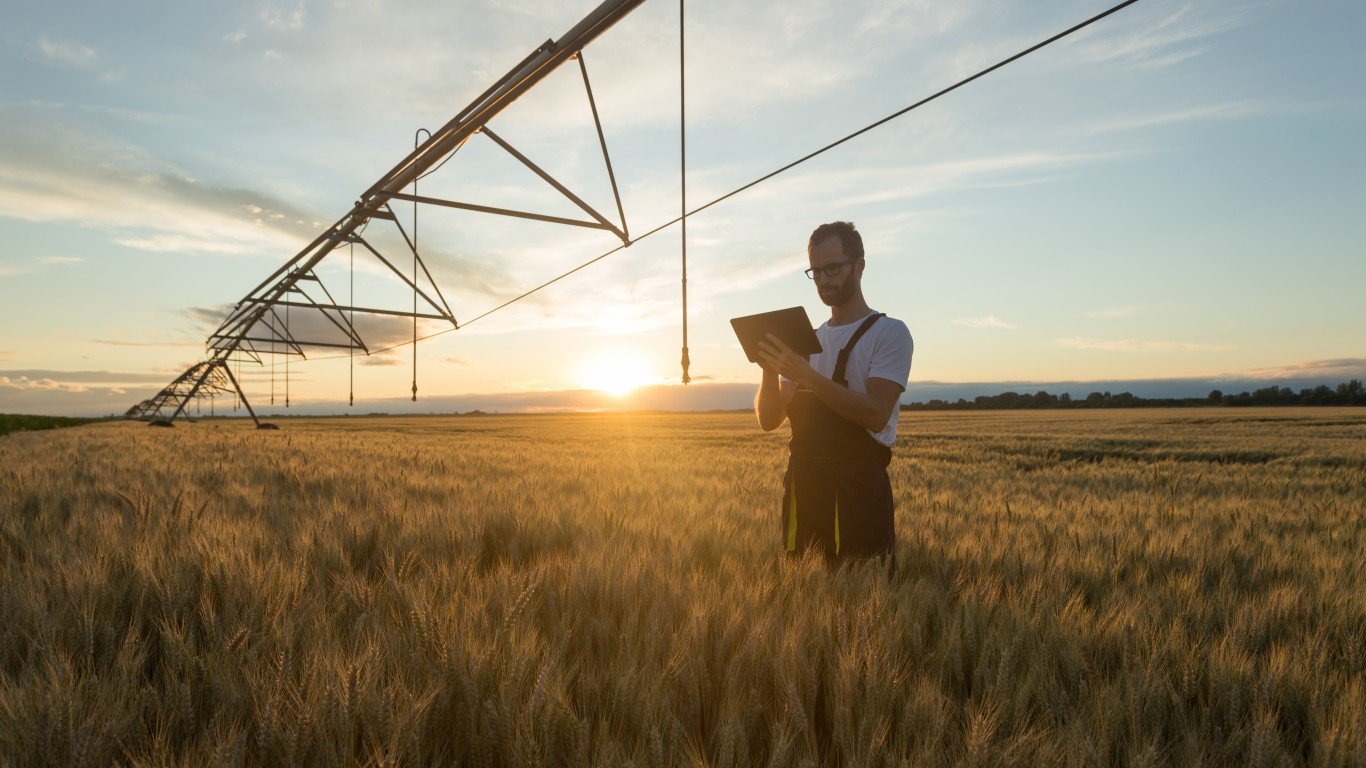
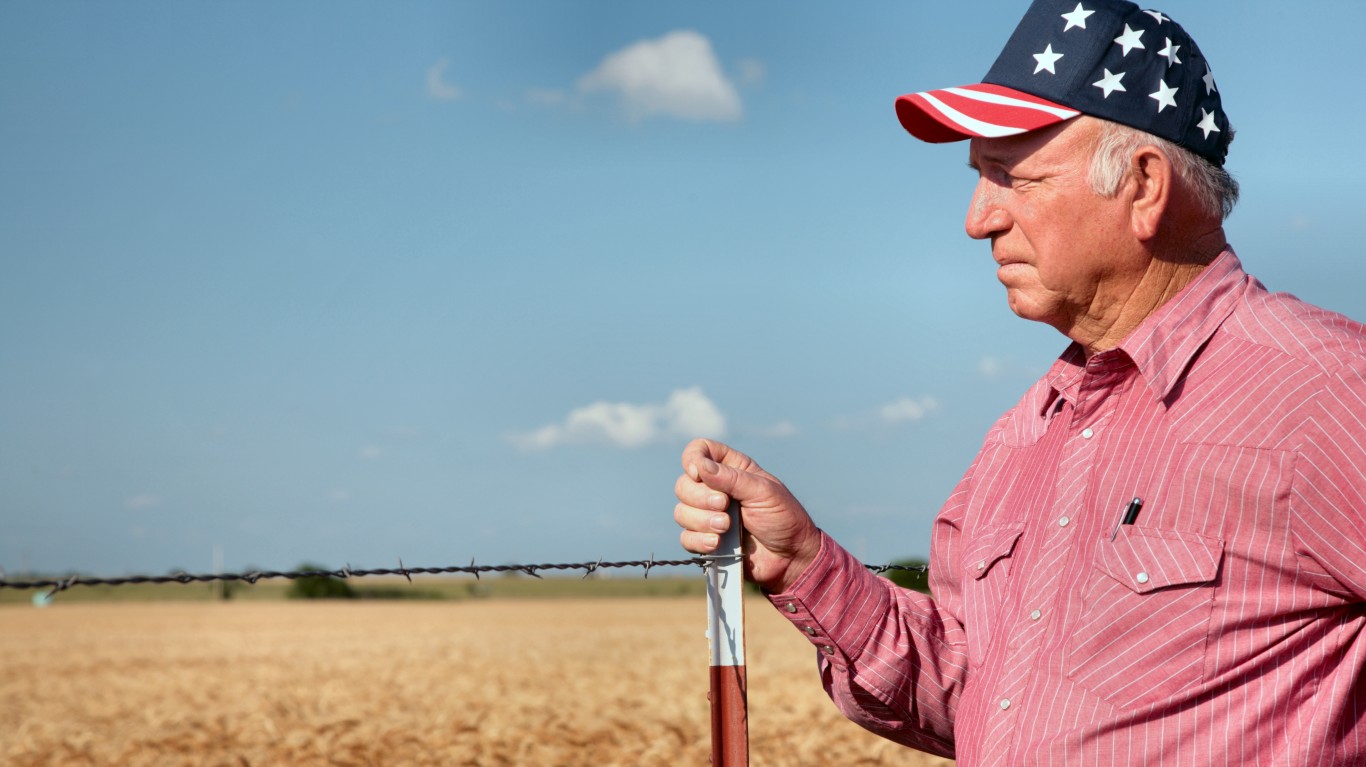
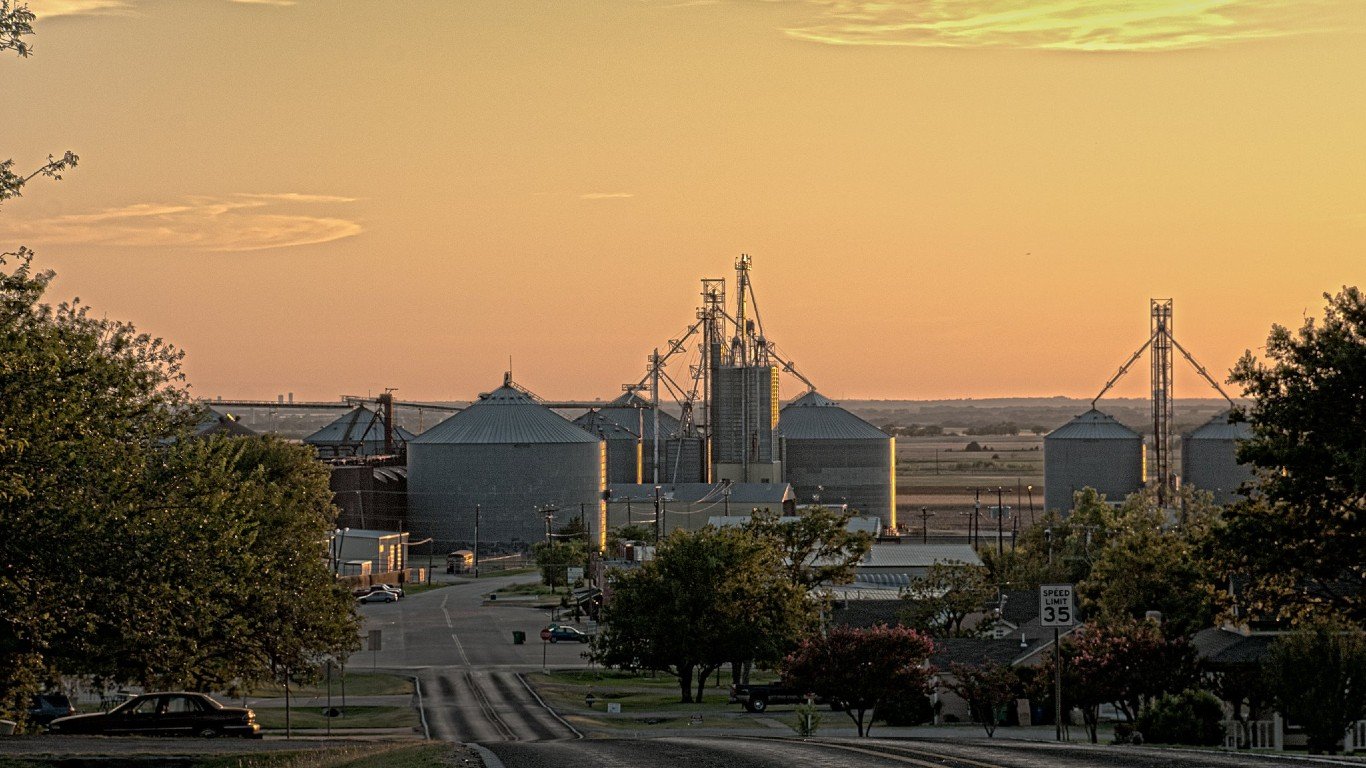
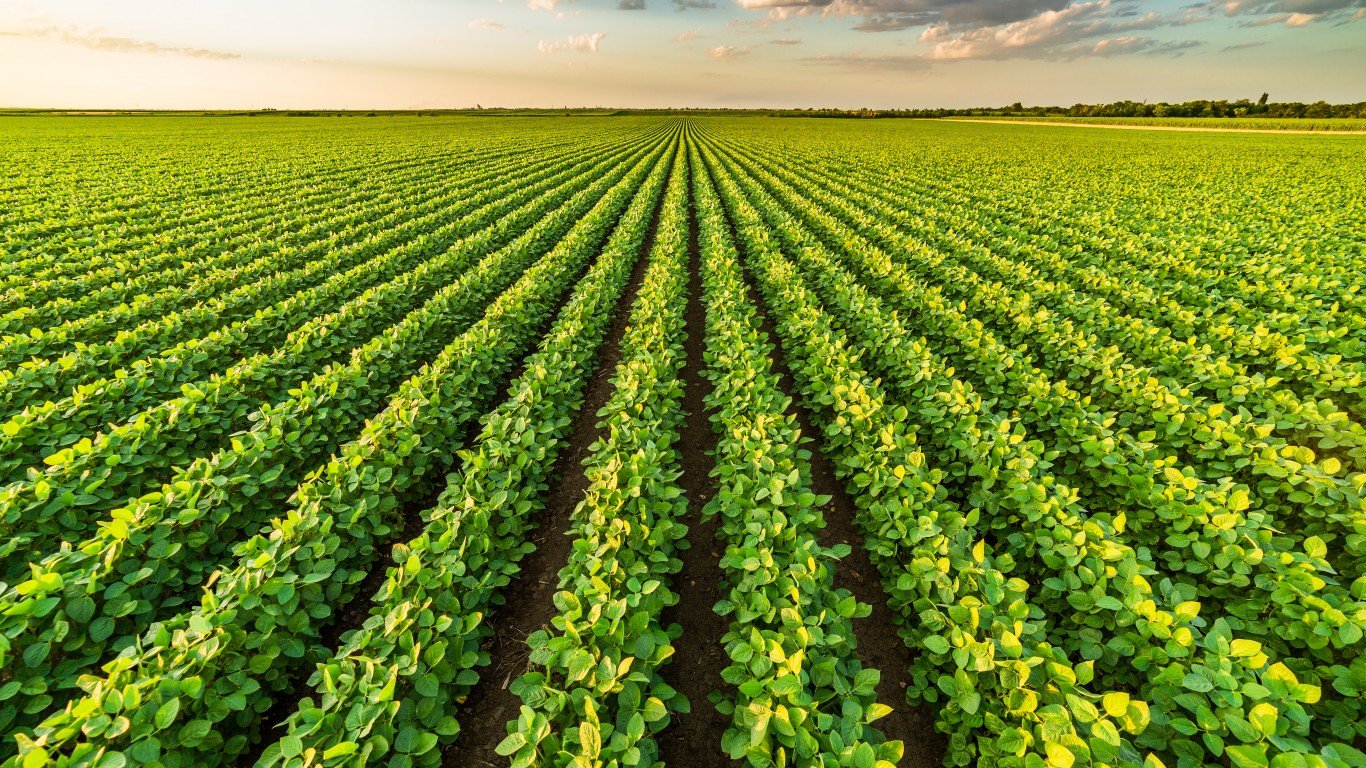
A Texas farmer recently learned how quickly working ground can disappear. He had crops standing on 600 rented acres when the land was sold for a Google data center. He was initially told to leave, then given 60 days to finish the crop. For a farmer nearing retirement, that kind of deadline creates another decision almost immediately.
Picture a hypothetical 63-year-old tenant farmer in the same position. He has already had a productive year. The crop is nearly made, and his farm income could easily put him above Social Security’s annual earnings limit. Once the final acres are harvested, though, he plans to stop farming and file for benefits. He might assume the year is already lost because he earned too much before retiring. Social Security has a rule specifically for people who stop working in the middle of the year.
A High-Earning Year Does Not Always Block the Check
Normally, someone below full retirement age (FRA) faces the retirement earnings test. In 2026, a worker under FRA for the entire year can earn $24,480 before Social Security begins withholding $1 in benefits for every $2 above the limit. That sounds like bad news for a farmer who had most of a working season behind him before retirement.
But Social Security has a special monthly rule, generally available for one year, that recognizes an obvious problem: people often retire after already earning more than the annual limit. For someone under FRA throughout 2026, Social Security can pay a full benefit for any whole month it considers him retired if monthly earnings are $2,040 or less and he does not perform substantial services in self-employment.
So a farmer could have a strong first eight months, finish his last harvest in September and still receive full Social Security checks for qualifying retired months afterward. The annual total does not automatically wipe those months out.
For a Farmer, Retirement Is Measured in Hours Too
Self-employment makes the rule more interesting. Social Security does not look only at how much profit the farmer reports. It asks how much work he is still doing. As a general rule, more than 45 hours devoted to the business in a month points toward substantial services. Even 15 to 45 hours can count when the work is highly skilled or important to the operation.
That means losing 600 rented acres does not by itself make someone retired. If he keeps farming thousands of other acres, managing crews and making operating decisions, Social Security may quite reasonably conclude that he is still working. But if the land sale becomes the event that ends the operation, the monthly rule gives a farmer forced out late in the year a bridge that the annual earnings number alone would hide.
Two Clocks Are Running
The 60-day harvest deadline tells him when he has to leave the ground. Social Security cares about another date: when he actually stops performing substantial work. That distinction can be worth several months of retirement checks. A farmer who looks only at his full-year income may conclude that claiming before January makes no sense. Someone who understands the monthly rule may reach a different answer.
The same principle applies to other workers whose careers end abruptly after a strong partial year, whether because a plant closes, a contract ends or a business is sold. Anyone winding down work in stages runs into versions of this same trap, which is why we put the four biggest ones in a free semi-retirement playbook. Before filing, the farmer should be able to answer three questions:
- When will the last substantial farm work actually end? Harvesting, managing employees and running the operation can all keep him on Social Security’s working side of the line.
- Will he perform substantial self-employment services afterward? The first-year monthly rule depends on genuinely stepping back, not simply receiving less income.
- Which months can Social Security treat as retired months? Those months can produce full checks even when earnings earlier in the year already blew through the annual limit.
A data center can change the use of 600 acres almost overnight. For the farmer leaving them, Social Security does not necessarily make him wait until January to call the working year over.
Contact [email protected] for any questions or corrections.
Gerelyn Terzo is the author of dividend investing handbook "Dividend Investing Strategies: How to Have Your Cake & Eat It Too." A veteran financial journalist, she covers agri-finance for outlets like Global AgInvesting and the broader stock market and personal finance for 24/7 Wall Street. She began at CNBC and later helped launch Fox Business in New York. Gerelyn currently resides in Woodland Park, Colorado and dabbles in nature photography as a hobby.